|  Lines and Angles 48 Flashcards |  Start |
 | A point in geometry represents a location that has ___ dimensions. |  Card: 1 / 48 |
| Zero dimensions, as it has no length, width, or height. 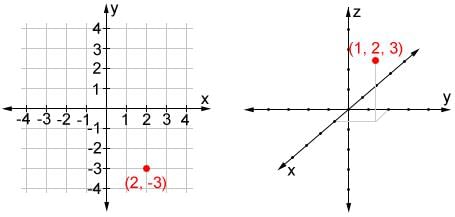 | Card: 2 / 48 |
| In geometry, the shortest distance between two points A and B is known as a ___. | Card: 3 / 48 |
| Line segment. 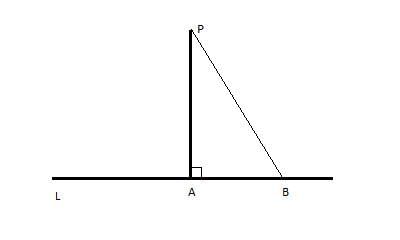 | Card: 4 / 48 |
| True or False: A line segment can extend infinitely in both directions. | Card: 5 / 48 |
| False. A line segment has two endpoints and does not extend infinitely. 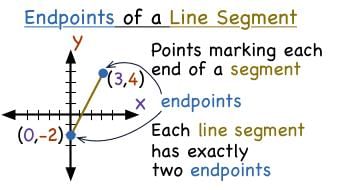 | Card: 6 / 48 |
| Fill in the blanks: A line is similar to a line segment but has ___ endpoints and extends ___ in both directions. | Card: 7 / 48 |
| No; infinitely. | Card: 8 / 48 |
| What are the two key characteristics that differentiate a line from a line segment? | Card: 9 / 48 |
| A line has no endpoints and extends infinitely in both directions, while a line segment has two endpoints and does not extend indefinitely. | Card: 10 / 48 |
| Riddle: I am a position with no size, represented by a dot, what am I? | Card: 11 / 48 |
| A point. | Card: 12 / 48 |
| If Point A is located at (0,0) and Point B is located at (3,4), what is the line segment AB? | Card: 13 / 48 |
| The line segment AB connects the points (0,0) and (3,4), representing the shortest distance between these two points. 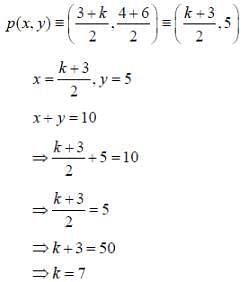 | Card: 14 / 48 |
| How do we denote a line segment mathematically? | Card: 15 / 48 |
| It is denoted as AB, where A and B are the endpoints. | Card: 16 / 48 |
| A line goes on forever in both directions, but a line segment has ___ and ___. | Card: 17 / 48 |
| Two endpoints and a fixed length 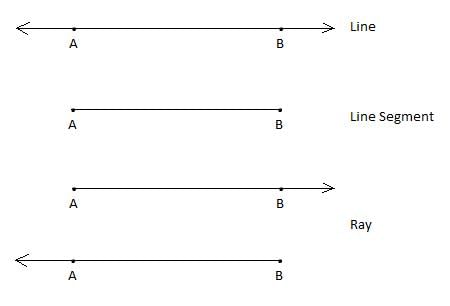 | Card: 18 / 48 |
| What is the definition of a ray in geometry? | Card: 19 / 48 |
| A ray is a part of a line that starts at one specific point and extends infinitely in one direction. 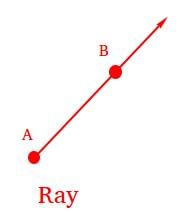 | Card: 20 / 48 |
| True or False: The common point where two rays meet is called the arms of the angle. | Card: 21 / 48 |
| False. The common point is called the vertex of the angle. 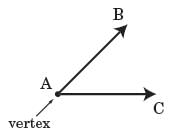 | Card: 22 / 48 |
| Fill in the blank: The angle formed by two rays with a common starting point is measured by the amount of ___ one ray rotates around the vertex to point towards the other ray. | Card: 23 / 48 |
| Turn 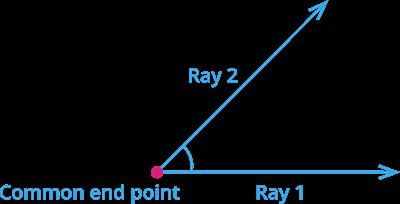 | Card: 24 / 48 |
|  Unlock all Flashcards with EduRev Infinity Plan Starting from @ ₹99 only | |
| Riddle: I start at a point and go on forever in one direction, just like the light from a flashlight. What am I? | Card: 25 / 48 |
| A ray 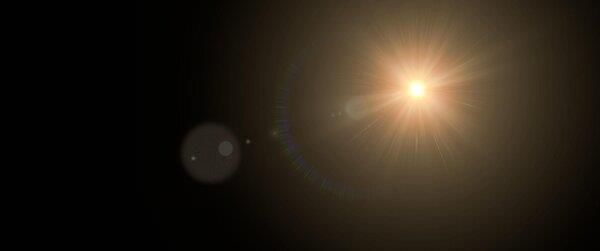 | Card: 26 / 48 |
| How do you name an angle formed by two rays? | Card: 27 / 48 |
| You name an angle by using the vertex and one point from each ray, such as Angle DBE or Angle EBD. 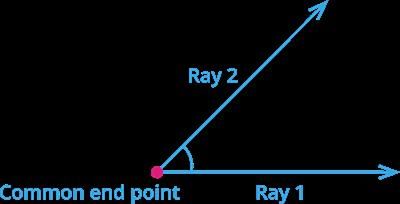 | Card: 28 / 48 |
| Multiple Choice: What determines the size of an angle? A) The distance between the rays B) The amount of rotation needed to move from one ray to another C) The length of the rays D) The color of the rays. | Card: 29 / 48 |
| B) The amount of rotation needed to move from one ray to another | Card: 30 / 48 |
| Fill in the blank: To represent an angle, we use the symbol ___ before naming it. | Card: 31 / 48 |
| ∠ 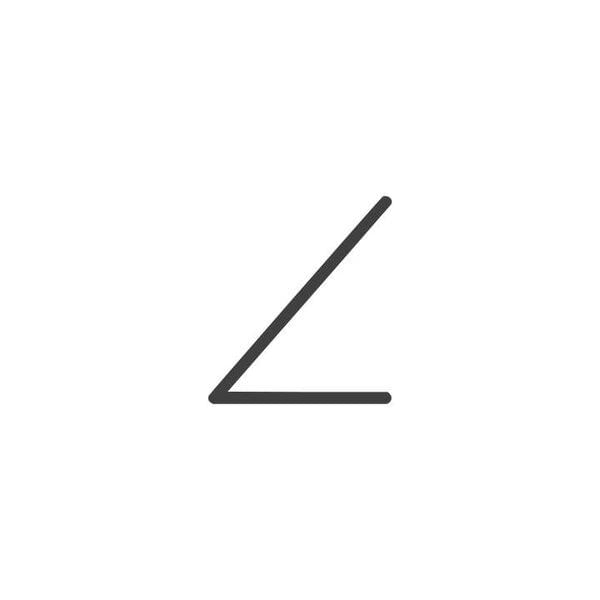 | Card: 32 / 48 |
| Short Answer: Provide a real-life example where angles are observed. | Card: 33 / 48 |
| Angles can be observed in the opening of a book, the position of the hands on a clock, or the corners of a room. 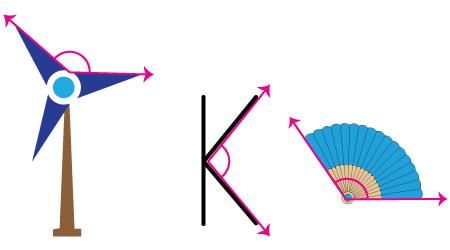 | Card: 34 / 48 |
| When a compass is turned, an angle is formed at the ___ where the arms join. | Card: 35 / 48 |
| Vertex 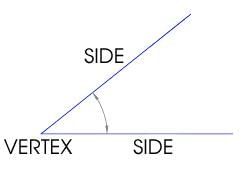 | Card: 36 / 48 |
| True or False: The angle formed by the blades of scissors when opened is also called a vertex. | Card: 37 / 48 |
| False; the vertex is the point where the blades meet, not the angle itself. 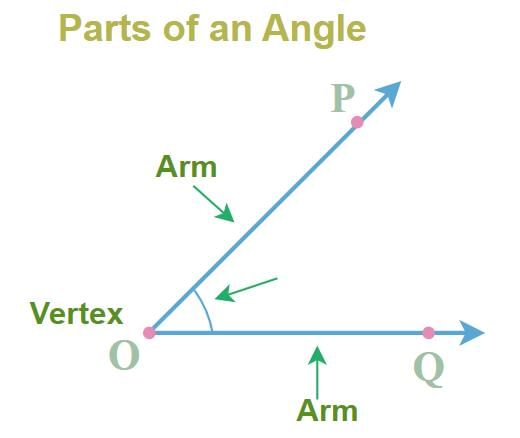 | Card: 38 / 48 |
| Fill in the blank: To compare two angles accurately, you can use the method of ___. | Card: 39 / 48 |
| Superimposition | Card: 40 / 48 |
| What indicates that two angles are equal when comparing them by superimposition? | Card: 41 / 48 |
| The vertices and arms of both angles overlap perfectly. 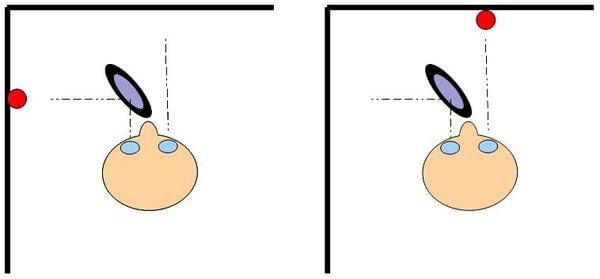 | Card: 42 / 48 |
| Riddle: I am formed when two rays meet at a point, and I can open wide or stay small. What am I? | Card: 43 / 48 |
| An angle 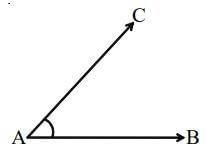 | Card: 44 / 48 |
| What happens to the angles when animals open their mouths wider? | Card: 45 / 48 |
| Larger angles are formed. 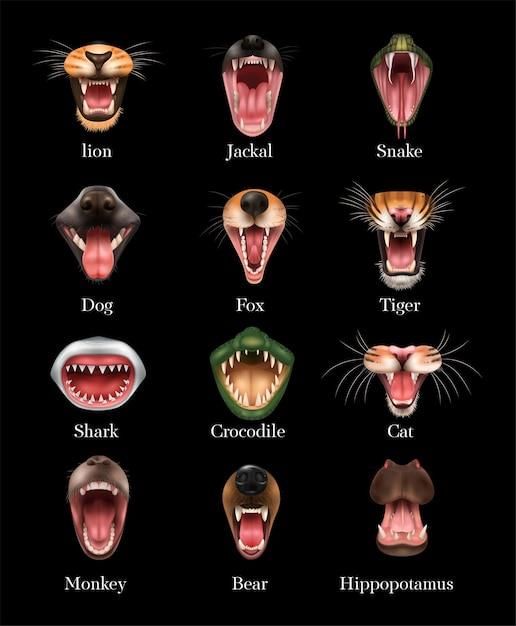 | Card: 46 / 48 |
| True or False: Two angles can be considered equal if their rays overlap but their vertices do not. | Card: 47 / 48 |
| False; the vertices must also match for angles to be equal. 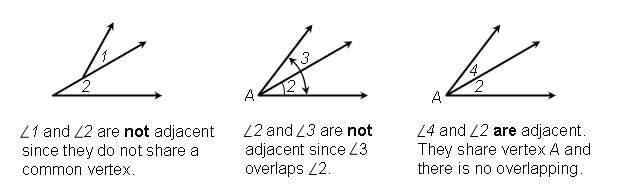 | Card: 48 / 48 |
| Completed! Keep practicing to master all of them. |  Restart |