|
Flashcards: My Childhood 38 Flashcards 
|

|
|
Card: 1 / 38 
|
What key values did Abdul Kalam's parents instill in him during his childhood? |
|
|
Card: 2 / 38
|
His parents instilled values of generosity, wisdom, honesty, self-discipline, and faith in goodness. |
|
|
Card: 3 / 38
|
Fill in the blank: Abdul Kalam's early entrepreneurial spirit was showcased when he collected and sold ___ seeds at the age of 8. |
|
|
Card: 4 / 38
|
Tamarind |
|
|
Card: 5 / 38
|
True or False: Abdul Kalam's family only practiced Islam and did not participate in any other religious traditions. |
|
|
Card: 6 / 38
|
False. Kalam's family embraced all religions and actively participated in Hindu festivals. 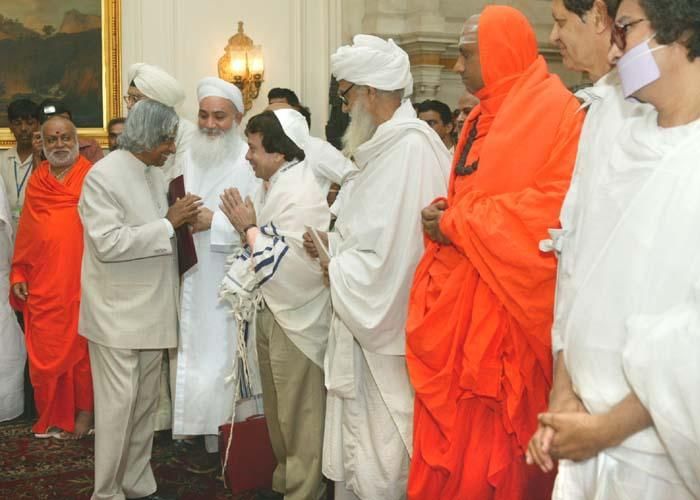 |
|
|
Card: 7 / 38
|
How did Kalam's father respond to his desire to study in Ramanathapuram after World War II? |
|
|
Card: 8 / 38
|
Kalam's father supported his decision, emphasizing the importance of personal growth and independence, quoting Khalil Gibran. |
|
|
Card: 9 / 38
|
What incident at school highlighted the issue of communal bias in Abdul Kalam's early life? |
|
|
Card: 10 / 38
|
A new teacher separated Kalam from his friend Ramanadha Sastry due to their different religious backgrounds, but this was challenged by Ramanadha's father. 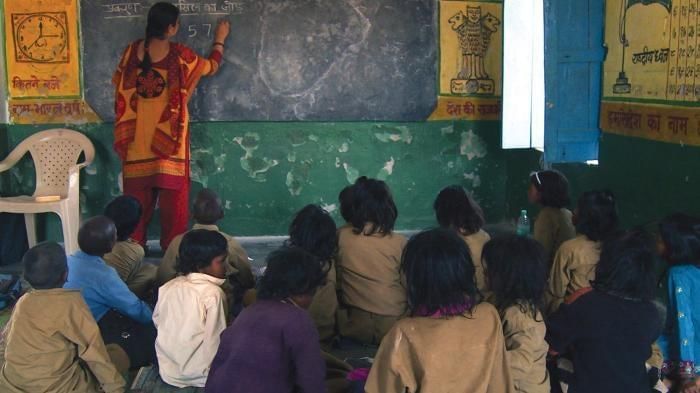 |
|
|
Card: 11 / 38
|
How did Abdul Kalam's family environment contribute to his values and beliefs? |
|
|
Card: 12 / 38
|
Kalam's family environment, which embraced both Islamic and Hindu traditions, instilled in him values of generosity, honesty, and self-discipline, fostering a sense of inclusivity and respect for diversity. |
|
|
Card: 13 / 38
|
Abdul Kalam faced religious discrimination during his childhood. Describe how he responded to these challenges. |
|
|
Card: 14 / 38
|
Kalam confronted social biases by valuing friendships across religious lines and advocating for understanding among different communities, demonstrating resilience against discrimination. |
|
|
Card: 15 / 38
|
Kalam's early entrepreneurial spirit was exemplified by his venture of selling tamarind seeds during the war. This experience taught him about ___ and ___ in a practical sense. |
|
|
Card: 16 / 38
|
Independence and responsibility |
|
|
Card: 17 / 38
|
True or False: Abdul Kalam's parents were highly educated and had formal teaching backgrounds. |
|
|
Card: 18 / 38
|
False. Kalam's parents lacked formal education but imparted important life values to him. |
|
|
Card: 19 / 38
|
What role did Abdul Kalam's father play in shaping his educational aspirations? |
|
|
Card: 20 / 38
|
Kalam's father encouraged him to pursue education beyond their hometown of Rameswaram, reflecting a forward-thinking attitude and support for his ambitions. |
|
|
Card: 21 / 38
|
What theme in Kalam's story emphasizes the importance of overcoming communal biases and promoting religious harmony? |
|
|
Card: 22 / 38
|
Inclusivity and Tolerance highlights the significance of religious harmony and the rejection of communal biases, as seen through Kalam's friendships and the open-mindedness of his teachers. |
|
|
Card: 23 / 38
|
Kalam's initiative to earn his own money as a child reflects his strong work ethic, demonstrating the theme of ___ . |
|
|
Card: 24 / 38
|
The Value of Hard Work |
|
|
Card: 25 / 38
|
True or False: The influence of Kalam's parents on his values and worldview is portrayed as insignificant in his life. |
|
|
Card: 26 / 38
|
False. The influence of Kalam's parents is portrayed as crucial in shaping his character and values. |
|
|
Card: 27 / 38
|
What does Kalam's experience with societal bias illustrate about the potential for reform? |
|
|
Card: 28 / 38
|
Kalam's experiences highlight the necessity of challenging unjust societal norms and the potential for reform through individual actions. |
|
|
Card: 29 / 38
|
Fill in the blank: Breaking social barriers is a theme in Kalam's story, exemplified by his confrontation of ___ and ___ . |
|
|
Card: 30 / 38
|
Bias and discrimination |
|
|
Card: 31 / 38
|
What does the term 'austere' imply about a person's lifestyle? |
|
|
Card: 32 / 38
|
It refers to a lifestyle that is simple, strict, and severe. |
|
|
Card: 33 / 38
|
Fill in the blank: 'Communal intolerance' refers to hostility against people from different ___ or ___ groups. |
|
|
Card: 34 / 38
|
Religious or ethnic |
|
|
Card: 35 / 38
|
True or False: The word 'erstwhile' means current or modern. |
|
|
Card: 36 / 38
|
False. 'Erstwhile' means former or previous. |
|
|
Card: 37 / 38
|
True or False: 'Orthodox' signifies a liberal approach to religious practices. |
|
|
Card: 38 / 38
|
False. 'Orthodox' means strictly following traditional religious practices. |
|
|
|
 Completed! Keep practicing to master all of them. |

|