|  Writing and City Life 48 Flashcards |  Start |
 | Mesopotamia is historically known as the land between which two rivers? |  Card: 1 / 48 |
| The Euphrates and Tigris rivers. 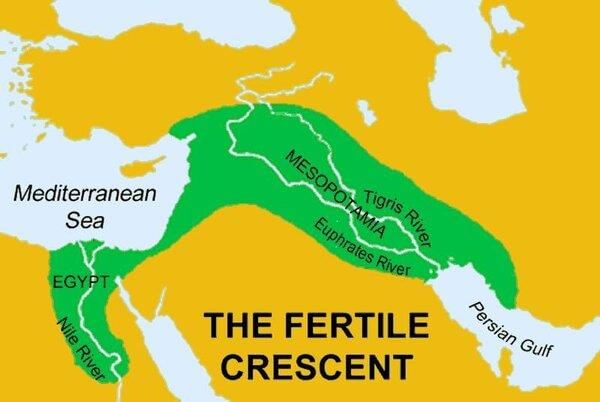 | Card: 2 / 48 |
| The term 'Mesopotamia' is derived from Greek words meaning what? | Card: 3 / 48 |
| 'Middle river.' | Card: 4 / 48 |
| Fill in the blank: After 2000 BCE, the southern region of Mesopotamia became known as ___. | Card: 5 / 48 |
| Babylonia. | Card: 6 / 48 |
| True or False: The Akkadian language began to replace Sumerian around 2400 BCE. | Card: 7 / 48 |
| True. 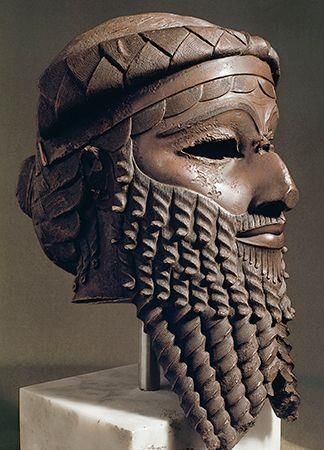 | Card: 8 / 48 |
| Which language became widely spoken in Mesopotamia after 1000 BCE? | Card: 9 / 48 |
| Aramaic. | Card: 10 / 48 |
| What was the significance of Mesopotamia's writing system in relation to other kingdoms? | Card: 11 / 48 |
| It allowed communication between kingdoms in the region and with the Pharaoh of Egypt. 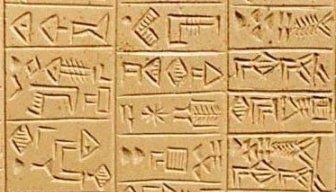 | Card: 12 / 48 |
| Fill in the blank: The urbanized south of Mesopotamia was originally called ___ and ___. | Card: 13 / 48 |
| Sumer and Akkad. 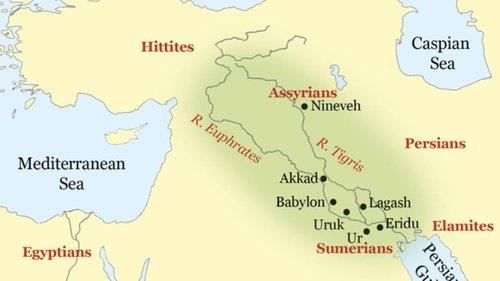 | Card: 14 / 48 |
| Short Answer: Describe the impact of Babylon's rise on the nomenclature of southern Mesopotamia. | Card: 15 / 48 |
| As Babylon rose in importance after 2000 BCE, the southern region was referred to as Babylonia. | Card: 16 / 48 |
| Which language thrived in Mesopotamia until the time of Alexander the Great? | Card: 17 / 48 |
| Akkadian. 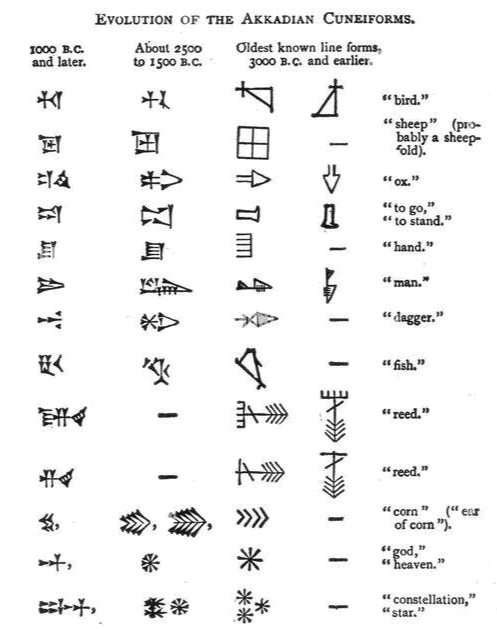 | Card: 18 / 48 |
| What geographical features contributed to agricultural development in Mesopotamia? | Card: 19 / 48 |
| The fertile silt deposited by the Euphrates and Tigris rivers, along with natural and man-made irrigation channels, supported agriculture despite low rainfall. 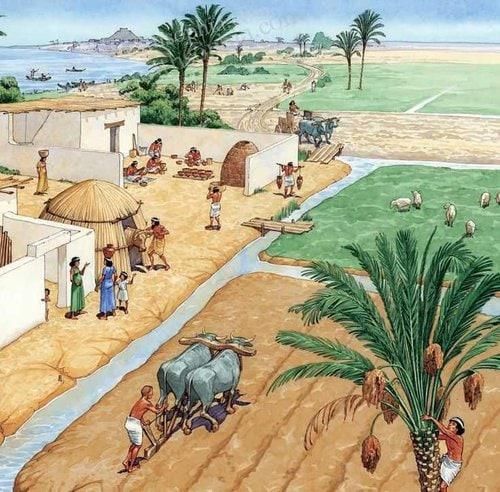 | Card: 20 / 48 |
| Fill in the blanks: The primary crops cultivated in southern Mesopotamia included ___, ___, ___, and ___. | Card: 21 / 48 |
| Wheat, barley, peas, and lentils 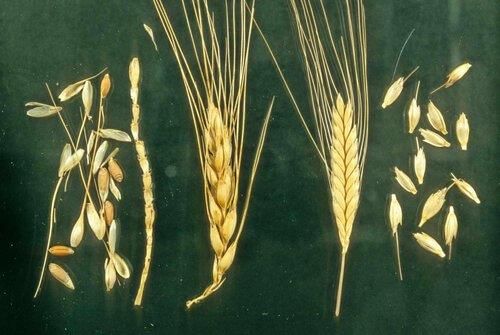 | Card: 22 / 48 |
| True or False: Mesopotamia's agriculture was mainly dependent on high rainfall. | Card: 23 / 48 |
| False. Mesopotamia's agriculture was highly productive despite low rainfall.  | Card: 24 / 48 |
|  Unlock all Flashcards with EduRev Infinity Plan Starting from @ ₹99 only | |
| Which livestock were primarily raised in the steppe region of northern Mesopotamia? | Card: 25 / 48 |
| Sheep and goats were primarily raised in the steppe region. 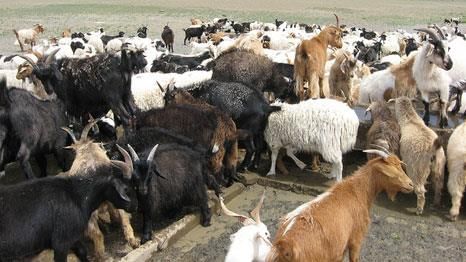 | Card: 26 / 48 |
| What role did the Tigris tributaries play in Mesopotamia's geography? | Card: 27 / 48 |
| The Tigris tributaries offered routes to the Iranian mountains, facilitating trade and movement. 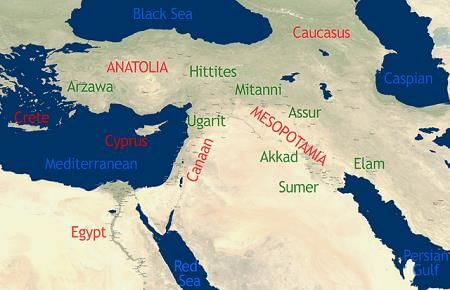 | Card: 28 / 48 |
| Fill in the blanks: The desert region of Mesopotamia is where the first ___ and ___ emerged. | Card: 29 / 48 |
| Cities and writing 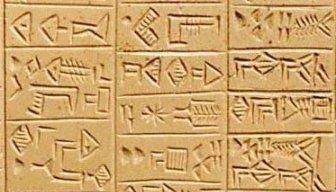 | Card: 30 / 48 |
| What additional food resources were available in Mesopotamia besides crops? | Card: 31 / 48 |
| Fish from rivers and dates from palm trees added to the food supply.  | Card: 32 / 48 |
| What are the key features that contribute to the interdependence of urban residents? | Card: 33 / 48 |
| Urban residents rely on each other's products and services, with specialization and division of labour being essential. For example, a stone seal carver relies on a bronze tool maker for tools, while the tool maker depends on others for metals and charcoal. | Card: 34 / 48 |
| Trade in Mesopotamia was crucial for acquiring resources that were scarce locally. What were some of the goods Mesopotamians traded? | Card: 35 / 48 |
| Mesopotamians traded textiles and agricultural produce for wood, copper, tin, silver, gold, shell, and stones from regions like Turkey and Iran, where minerals were abundant but agricultural capacity was limited. 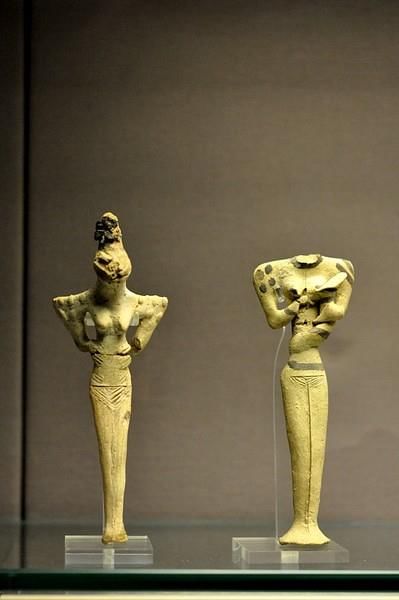 | Card: 36 / 48 |
| Fill in the blank: Efficient urban functioning relies on organized trade and storage systems, which transport resources like ___ and ___ from various locations. | Card: 37 / 48 |
| Fuel and metal | Card: 38 / 48 |
| True or False: The movement of goods into cities was primarily facilitated by land transport, which was the cheapest and most efficient method. | Card: 39 / 48 |
| False. While land transport was used, the cheapest and most efficient method was transport over water using river boats or barges. 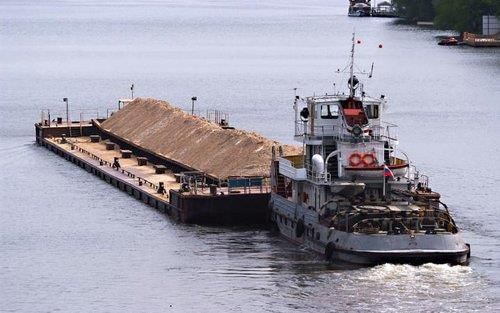 | Card: 40 / 48 |
| What role did canals and rivers play in the urban growth of Mesopotamia? | Card: 41 / 48 |
| Canals and natural channels served as major routes for transporting goods, with the Euphrates River being a key world route for trade between settlements. | Card: 42 / 48 |
| What is the significance of division of labour in urban economies? | Card: 43 / 48 |
| Division of labour enhances efficiency in urban economies by allowing individuals to specialize in specific tasks, making them dependent on each other for various products and services. | Card: 44 / 48 |
| Fill in the blank: Cities and towns thrive when the economy diversifies beyond food production to include ___, ___, and ___. | Card: 45 / 48 |
| Trade, manufacturing, and services | Card: 46 / 48 |
| What were the primary uses of the earliest Mesopotamian writings? | Card: 47 / 48 |
| The earliest Mesopotamian writings were primarily used to keep records of transactions, such as lists of goods in temples. 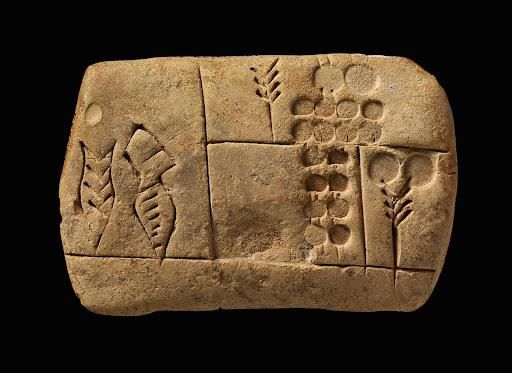 | Card: 48 / 48 |
| Completed! Keep practicing to master all of them. |  Restart |