|  Theme 1 - Bricks, Beads and Bones 44 Flashcards |  Start |
 | What is the primary material used to make Harappan seals? |  Card: 1 / 44 |
| Steatite 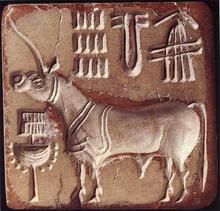 | Card: 2 / 44 |
| Fill in the blanks: The timeline of the Harappan civilization spans from ___ BCE to ___ BCE. | Card: 3 / 44 |
| 6000 BCE to 1300 BCE | Card: 4 / 44 |
| True or False: The Harappan civilization is known for its undeciphered script found on seals. | Card: 5 / 44 |
| True 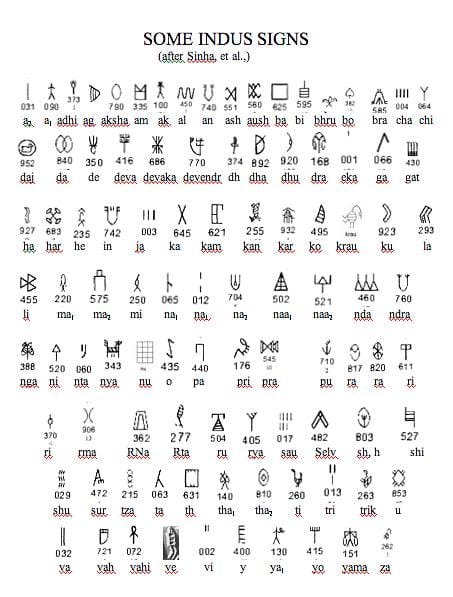 | Card: 6 / 44 |
| What are two types of artifacts commonly found from the Harappan civilization? | Card: 7 / 44 |
| Pottery and seals 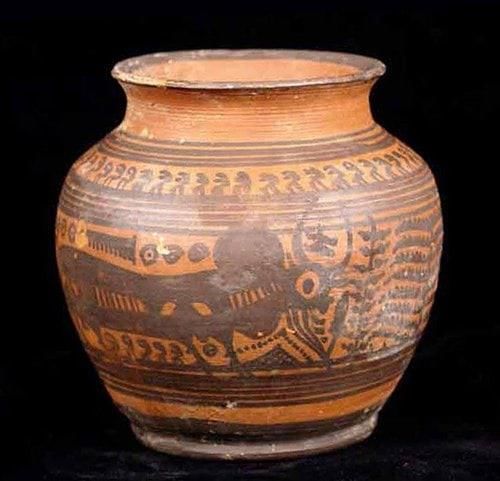 | Card: 8 / 44 |
| Fill in the blank: The Mature Harappan phase lasted from ___ BCE to ___ BCE. | Card: 9 / 44 |
| 2600 BCE to 1900 BCE | Card: 10 / 44 |
| Which regions have Harappan artifacts been discovered? | Card: 11 / 44 |
| From Afghanistan to Maharashtra, including areas in Pakistan and India. 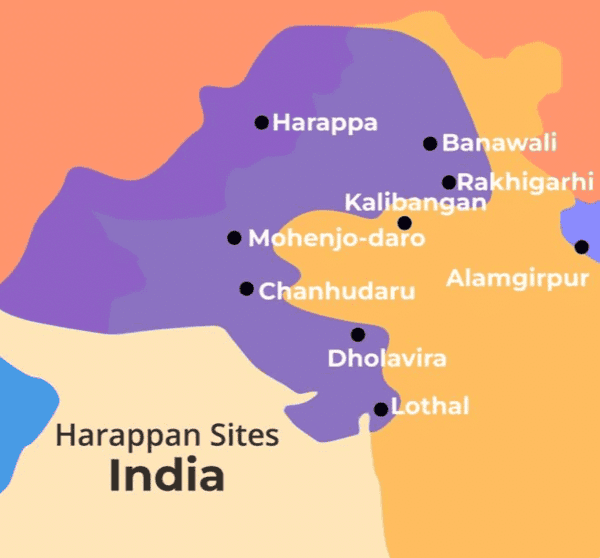 | Card: 12 / 44 |
| What does the term 'Harappa' refer to in the context of the Harappan civilization? | Card: 13 / 44 |
| It comes from the site where this civilization was first identified. 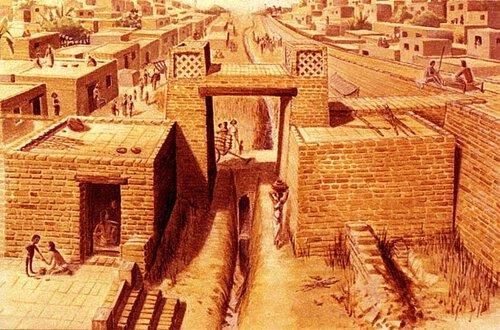 | Card: 14 / 44 |
| True or False: The Late Harappan phase is characterized by urban prosperity. | Card: 15 / 44 |
| False: The Late Harappan phase is characterized by decline. 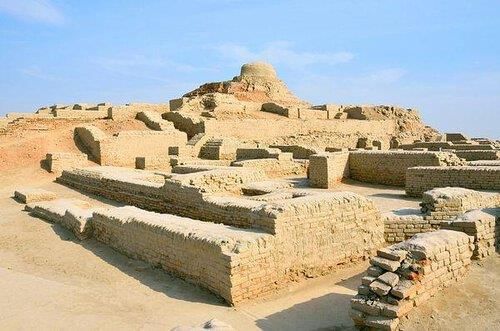 | Card: 16 / 44 |
| What significant information do we gain from the archaeological evidence of the Harappan civilization? | Card: 17 / 44 |
| We gain insights into the lives of the people, including their houses, tools, and daily activities. | Card: 18 / 44 |
| What significant change indicates a break between the Early Harappan and Harappan civilization? | Card: 19 / 44 |
| The discovery of large-scale burning at some archaeological sites and the abandonment of certain settlements indicates a significant break. 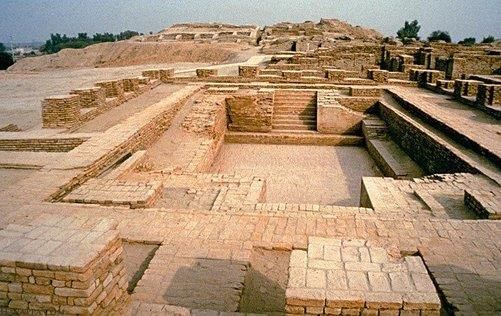 | Card: 20 / 44 |
| The Harappans may have used ___ for ploughing, as suggested by seals and terracotta sculptures. | Card: 21 / 44 |
| Oxen 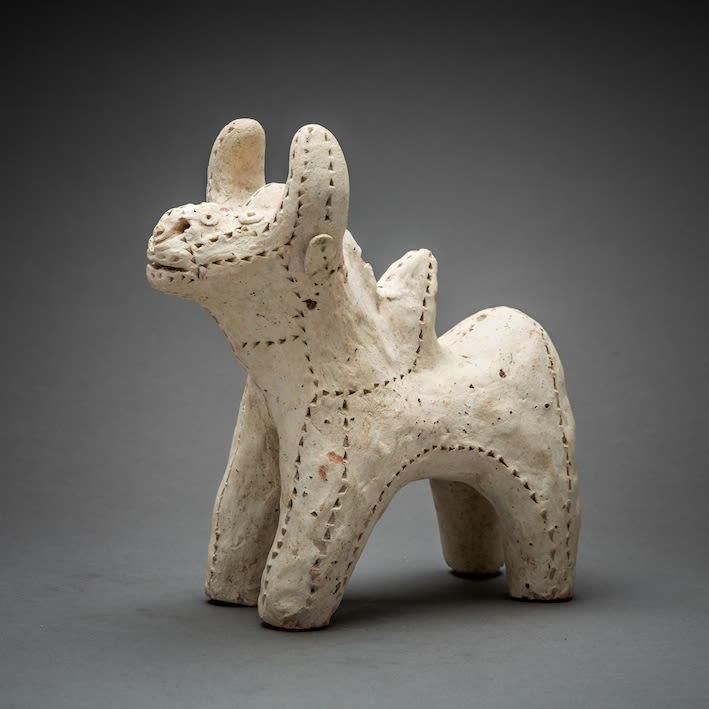 | Card: 22 / 44 |
|  Unlock all Flashcards with EduRev Infinity Plan Starting from @ ₹99 only | |
| True or False: Rice is commonly found at Harappan archaeological sites. | Card: 23 / 44 |
| False; rice is relatively rare at Harappan sites. 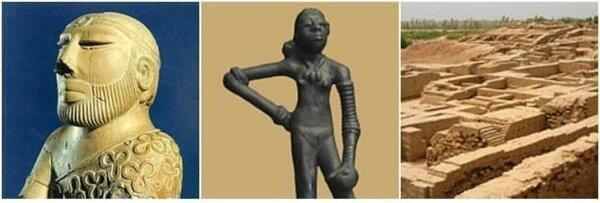 | Card: 24 / 44 |
| What types of domesticated animals were indicated by animal bones found at Harappan sites? | Card: 25 / 44 |
| Cattle, sheep, goat, buffalo, and pig are some of the domesticated animals indicated by the bones found. | Card: 26 / 44 |
| What evidence suggests that irrigation may have been necessary for Harappan agriculture? | Card: 27 / 44 |
| The presence of traces of canals and water reservoirs indicates that irrigation was likely necessary in semi-arid areas. 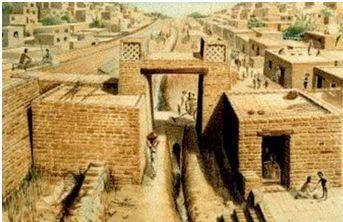 | Card: 28 / 44 |
| What types of grains were commonly found at Harappan sites? | Card: 29 / 44 |
| Wheat, barley, lentil, chickpea, sesame, and millets were commonly found at Harappan sites. | Card: 30 / 44 |
| True or False: The Harappans relied solely on hunting for their animal protein sources. | Card: 31 / 44 |
| False; they had domesticated animals and also possibly obtained meat from other hunting communities. | Card: 32 / 44 |
| Mohenjodaro is known for its advanced urban planning, which includes the construction of the Citadel and the Lower Town. What are the main features of each section? | Card: 33 / 44 |
| The Citadel is smaller, elevated, and surrounded by walls with buildings on mud brick platforms, while the Lower Town is walled and features a grid layout of streets and buildings also on platforms. | Card: 34 / 44 |
| The drainage system of Harappan cities was notable for its design. Describe the layout and purpose of the drainage system in Mohenjodaro. | Card: 35 / 44 |
| The drainage system featured streets with drains that were constructed before houses, ensuring that each house had a wall along the street to facilitate wastewater flow into the drains, promoting sanitation. 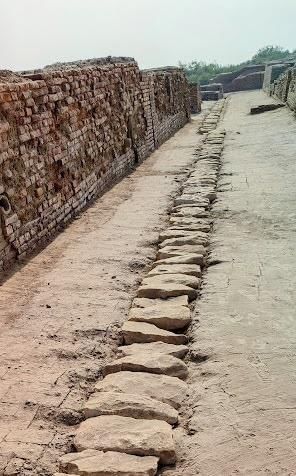 | Card: 36 / 44 |
| Fill in the blank: The Great Bath in the Citadel of Mohenjodaro is believed to have been used for ___ purposes. | Card: 37 / 44 |
| Ritual bathing | Card: 38 / 44 |
| True or False: All houses in the Lower Town of Mohenjodaro had windows on their ground-level walls for ventilation. | Card: 39 / 44 |
| False. There were no windows on the ground-level walls to ensure privacy. 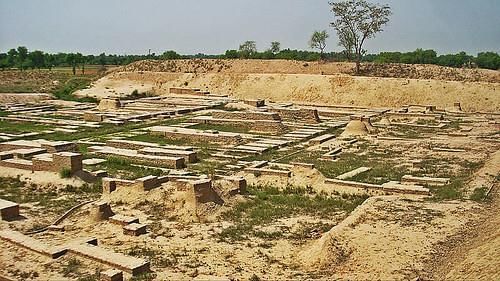 | Card: 40 / 44 |
| How many wells were estimated to be present in Mohenjodaro, and what was their significance? | Card: 41 / 44 |
| An estimated total of 700 wells were present in Mohenjodaro, providing water for domestic use. 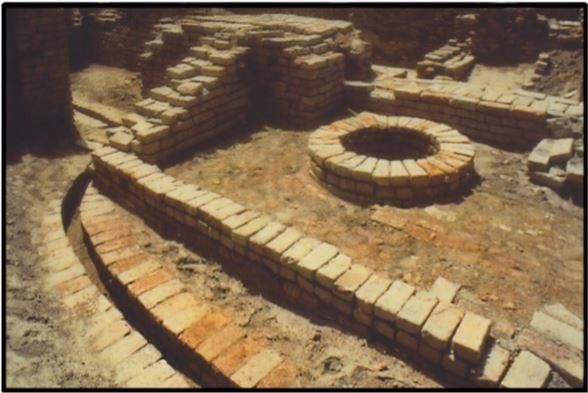 | Card: 42 / 44 |
| Describe the construction standardization observed in Harappan settlements. | Card: 43 / 44 |
| Standardized bricks were used in construction with a consistent ratio of length, breadth, and height across Harappan settlements, indicating advanced planning. | Card: 44 / 44 |
| Completed! Keep practicing to master all of them. |  Restart |