|  Solar Radiation, Heat Balance and Temperature 42 Flashcards |  Start |
 | True or False: The Earth is nearest to the Sun during the aphelion position. |  Card: 1 / 42 |
| False. The Earth is nearest to the Sun during the perihelion position. 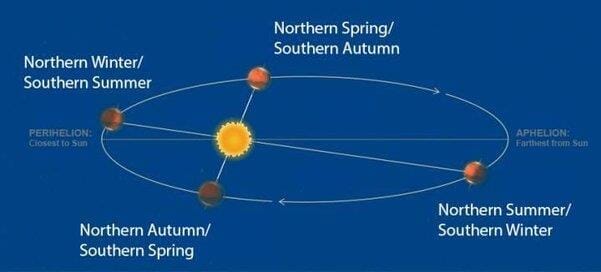 | Card: 2 / 42 |
| Fill in the blank: The insolation received at the surface varies from about ___ Watt/m² in the tropics to about ___ Watt/m² in the poles. | Card: 3 / 42 |
| 320; 70 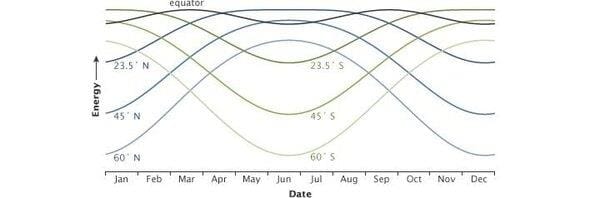 | Card: 4 / 42 |
| True or False: The angle of inclination of the sun’s rays has no effect on the amount of insolation received at different latitudes. | Card: 5 / 42 |
| False. The angle of inclination of the sun's rays significantly affects the amount of insolation received at different latitudes. 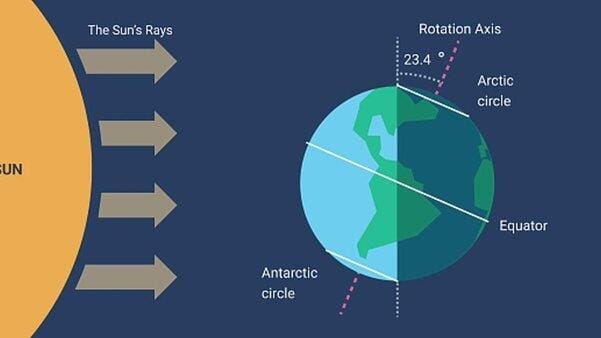 | Card: 6 / 42 |
| What is the primary reason for the color of the sky and the red color of the setting sun? | Card: 7 / 42 |
| The color of the sky and the red color of the setting sun are primarily due to the scattering of light by small suspended particles in the troposphere. 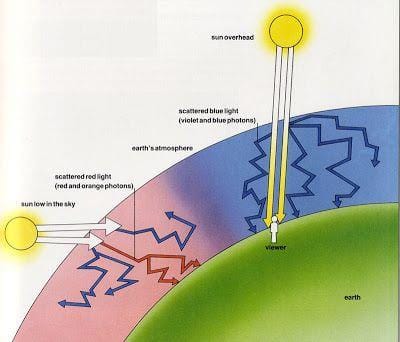 | Card: 8 / 42 |
| Fill in the blank: Maximum insolation is received over the ___, where cloudiness is the least. | Card: 9 / 42 |
| Subtropical deserts 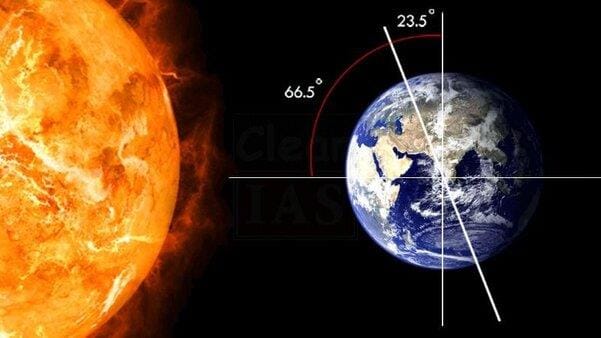 | Card: 10 / 42 |
| How does the amount of insolation received differ between continents and oceans at the same latitude? | Card: 11 / 42 |
| Generally, at the same latitude, the insolation is more over the continents than over the oceans. 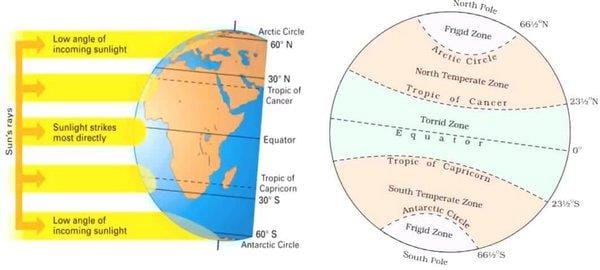 | Card: 12 / 42 |
| The process by which heat is transferred from one body to another when they are in contact is called ___. | Card: 13 / 42 |
| Conduction. Conduction occurs between two bodies at different temperatures, allowing energy to flow from the warmer to the cooler body. 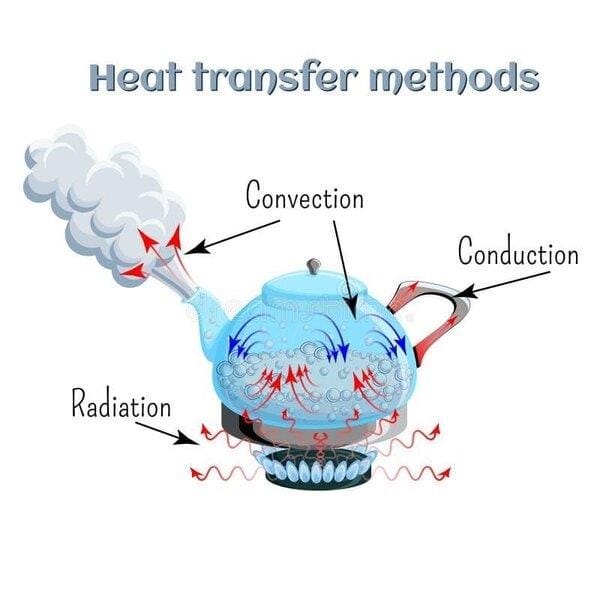 | Card: 14 / 42 |
| True or False: Convection is the horizontal movement of air that is less significant than vertical movement in the atmosphere. | Card: 15 / 42 |
| False. While horizontal movement is important, convection refers specifically to the vertical movement of air caused by heating. 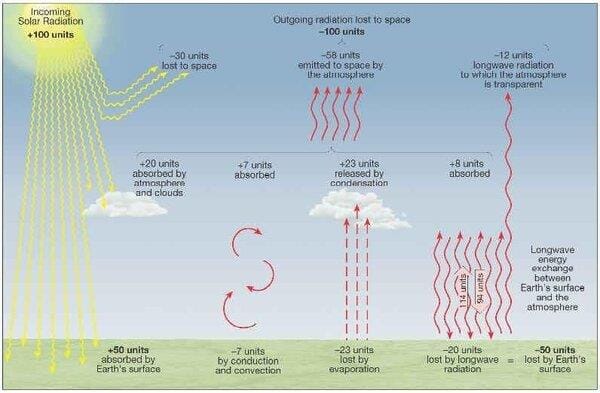 | Card: 16 / 42 |
| In which regions are local winds called 'loo' typically observed as a result of the advection process? | Card: 17 / 42 |
| Tropical regions, particularly in northern India during the summer season. 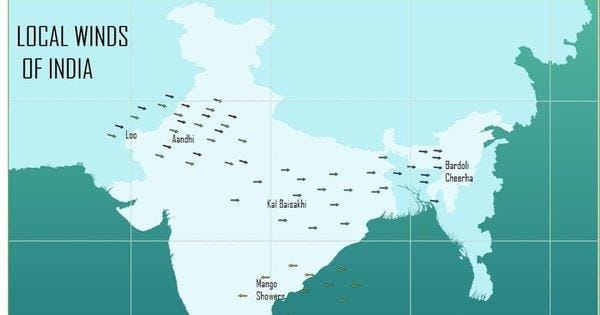 | Card: 18 / 42 |
| The process by which the earth radiates energy to the atmosphere in long wave form is known as ___. | Card: 19 / 42 |
| Terrestrial radiation. This process involves the earth absorbing solar energy and then emitting it as long wave radiation, which heats the atmosphere. 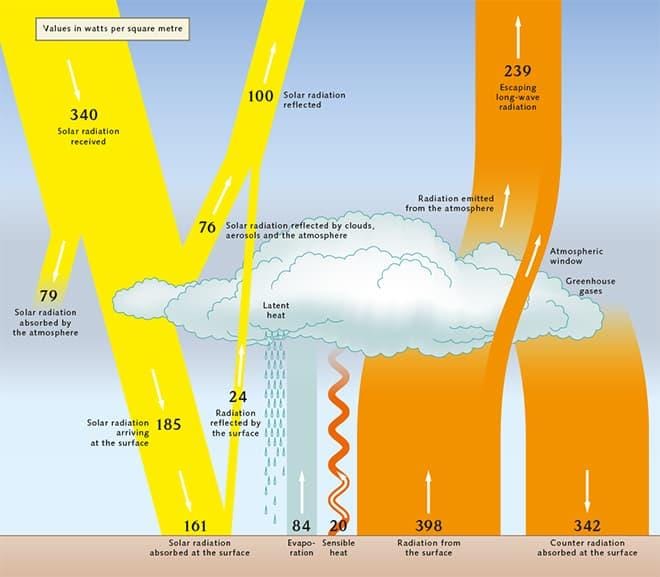 | Card: 20 / 42 |
| True or False: Long wave radiation emitted by the earth is not absorbed by atmospheric gases. | Card: 21 / 42 |
|  Unlock all Flashcards with EduRev Infinity Plan Starting from @ ₹99 only | |
| False. Long wave radiation is absorbed by atmospheric gases, particularly carbon dioxide and other greenhouse gases, contributing to the heating of the atmosphere. 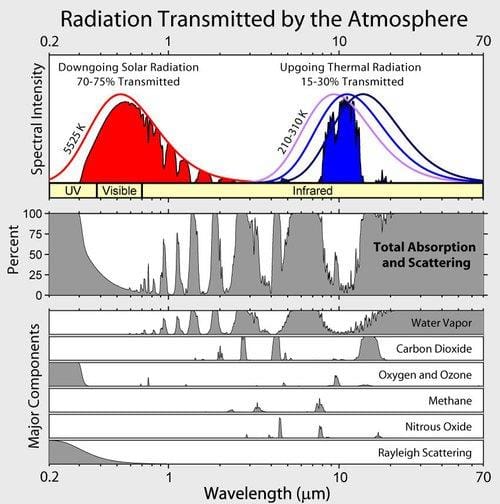 | Card: 22 / 42 |
| The amount of heat received from the sun that is eventually returned to space is essential for maintaining ___. | Card: 23 / 42 |
| Constant temperature at the earth's surface and in the atmosphere. 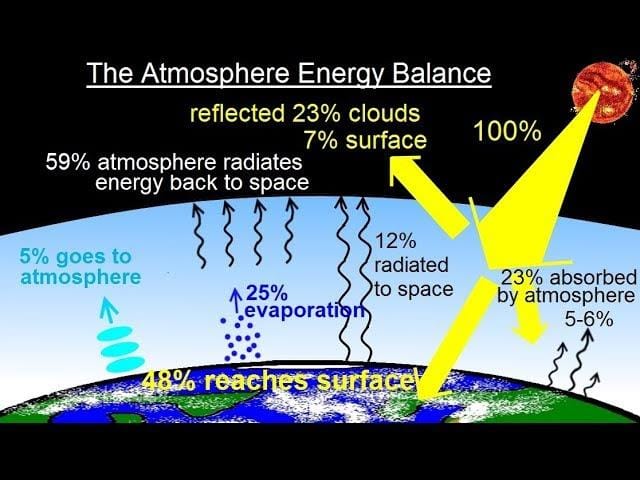 | Card: 24 / 42 |
| Fill in the blank: The primary mechanism for the vertical movement of air in the atmosphere is called ___. | Card: 25 / 42 |
| Convection. This process involves warm air rising and cool air sinking, creating currents that distribute heat. 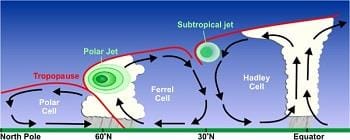 | Card: 26 / 42 |
| ___ units of energy are reflected back to space before reaching the Earth's surface. | Card: 27 / 42 |
| 35 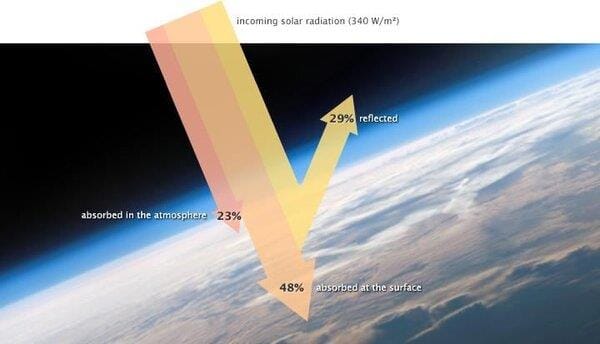 | Card: 28 / 42 |
| What are the two main factors that influence the temperature of air at any location? | Card: 29 / 42 |
| The interaction of insolation with the atmosphere and the characteristics of the Earth's surface. 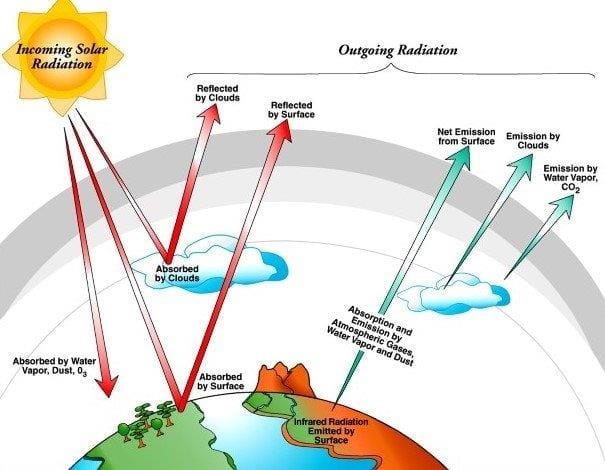 | Card: 30 / 42 |
| True or False: The tropics accumulate excess heat, leading to progressively higher temperatures. | Card: 31 / 42 |
| False. The surplus heat energy from the tropics is redistributed polewards to prevent excessive heating. 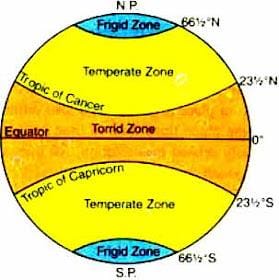 | Card: 32 / 42 |
| What is the primary reason that high latitudes do not become permanently frozen? | Card: 33 / 42 |
| The redistribution of surplus heat energy from the tropics prevents excessive cooling at high latitudes. 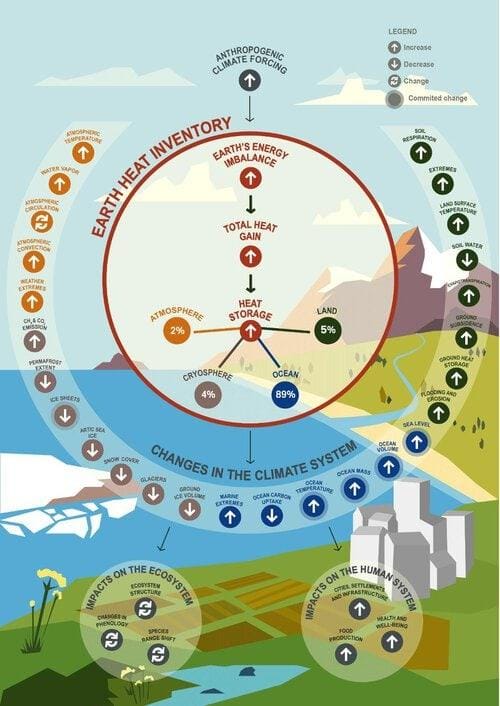 | Card: 34 / 42 |
| Fill in the blank: The amount of insolation received at the top of the atmosphere is ___ percent. | Card: 35 / 42 |
| 100 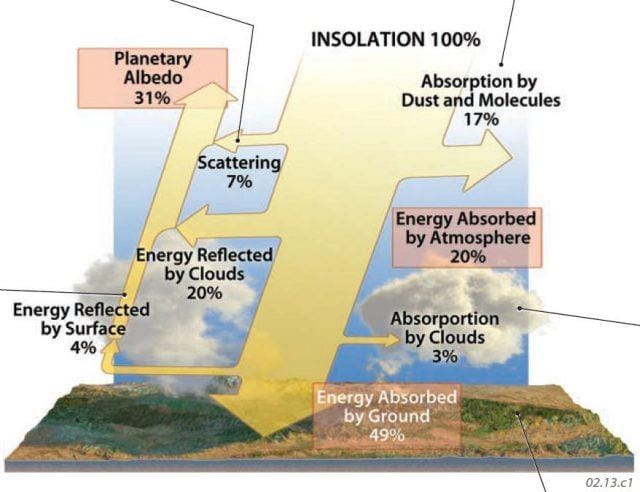 | Card: 36 / 42 |
| The temperature of a place is primarily influenced by its ___ and ___. | Card: 37 / 42 |
| Latitude and altitude 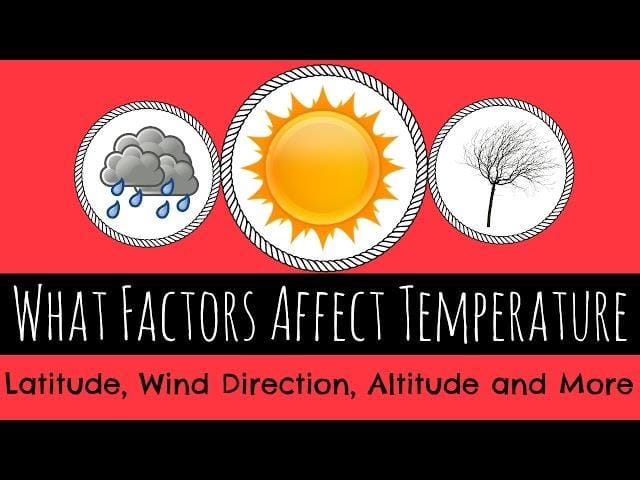 | Card: 38 / 42 |
| True or False: Temperature generally increases with altitude in the atmosphere. | Card: 39 / 42 |
| False. Temperature generally decreases with increasing altitude, known as the normal lapse rate. 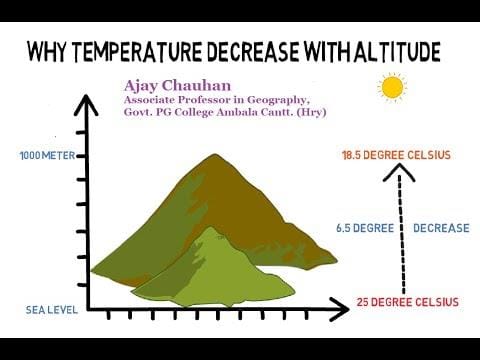 | Card: 40 / 42 |
| The rate of decrease of temperature with height is termed as the ___. | Card: 41 / 42 |
| Normal lapse rate 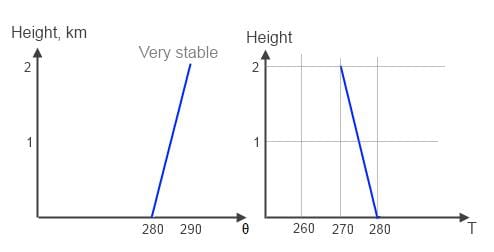 | Card: 42 / 42 |
| Completed! Keep practicing to master all of them. |  Restart |