|  Thinking 50 Flashcards |  Start |
 | Thinking is exclusively a cognitive function of ___ and involves processes such as reasoning and problem-solving. |  Card: 1 / 50 |
| Humans | Card: 2 / 50 |
| Identify two key processes involved in thinking that enable us to manipulate and analyze information. | Card: 3 / 50 |
| Reasoning and decision-making | Card: 4 / 50 |
| True or False: Thinking is a simple process that does not require organization. | Card: 5 / 50 |
| False; Thinking is typically structured and goal-directed. 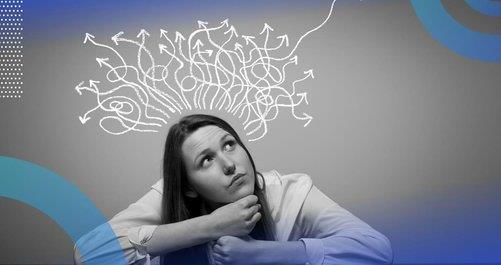 | Card: 6 / 50 |
| Thinking often includes the ability to ___, which allows individuals to create scenarios that are not present. | Card: 7 / 50 |
| Imagine  | Card: 8 / 50 |
| Fill in the blank: The nature of thinking involves examining and processing information obtained from the ___. | Card: 9 / 50 |
| Surroundings  | Card: 10 / 50 |
| What distinguishes thinking from mere observation, such as when viewing a painting? | Card: 11 / 50 |
| Thinking involves interpreting deeper meanings and relating them to existing knowledge.  | Card: 12 / 50 |
| Fill in the blank: Organized and goal-directed thinking is essential for completing tasks like cooking a meal or solving a ___. | Card: 13 / 50 |
| Math puzzle 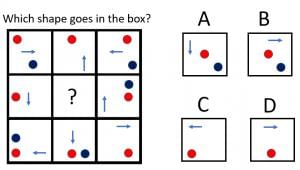 | Card: 14 / 50 |
| What are mental images and how do they relate to sensory experiences? | Card: 15 / 50 |
| Mental images are internal representations of sensory experiences within the mind. They allow individuals to visualize places, events, and other sensory information, facilitating thought processes. | Card: 16 / 50 |
| Fill in the blanks: A memory image closely resembles the object being represented, while an ___ image is a vivid and detailed visual representation of something seen before. | Card: 17 / 50 |
| Eidetic  | Card: 18 / 50 |
| Explain the difference between natural concepts and logical concepts. | Card: 19 / 50 |
| Natural concepts lack a clearly defined set of features and are often based on prototypes, while logical concepts are clearly defined by a specific set of rules or features. 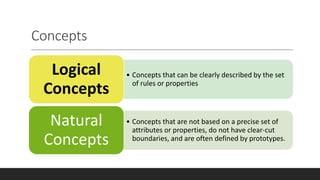 | Card: 20 / 50 |
| True or False: Concept formation is unnecessary for organizing knowledge. | Card: 21 / 50 |
| False. Concept formation helps organize knowledge, making it easily accessible and streamlining thought processes. | Card: 22 / 50 |
| What are the two types of mental images mentioned in the text? | Card: 23 / 50 |
| The two types of mental images are memory images and eidetic images. | Card: 24 / 50 |
| Fill in the blank: Concepts help us to ___ our knowledge and make it easily accessible. | Card: 25 / 50 |
|  Unlock all Flashcards with EduRev Infinity Plan Starting from @ ₹99 only | |
| Organize | Card: 26 / 50 |
| Why is it beneficial to form concepts? | Card: 27 / 50 |
| Forming concepts saves time and effort by streamlining thought processes, allowing for quicker and more efficient cognitive functioning. 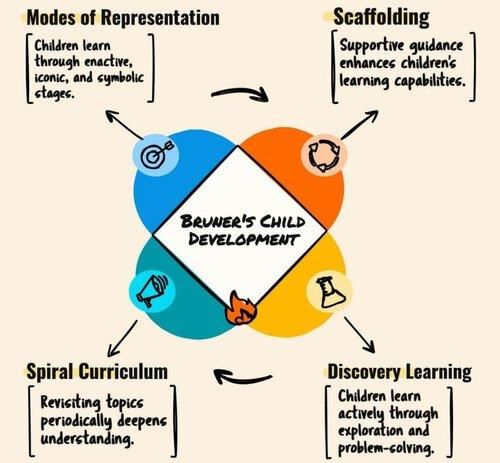 | Card: 28 / 50 |
| What is the primary function of concepts in cognition? | Card: 29 / 50 |
| The primary function of concepts is to categorize and organize knowledge based on shared properties and features of ideas and objects. 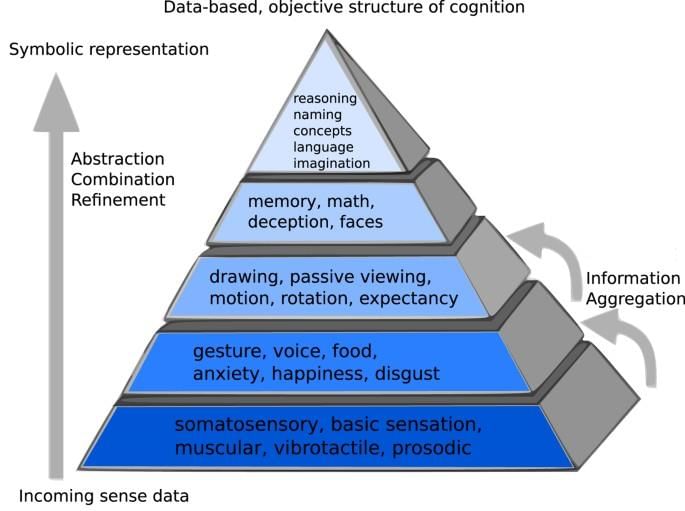 | Card: 30 / 50 |
| What is a mental set, and how does it affect problem-solving? | Card: 31 / 50 |
| A mental set is the tendency to approach problems in a specific way that has previously been successful. This can lead to inflexibility, making it difficult to consider alternative solutions and potentially hindering effective problem-solving. | Card: 32 / 50 |
| Lack of motivation can hinder problem-solving. Explain how motivation influences this process. | Card: 33 / 50 |
| Motivation plays a critical role in problem-solving because even intelligent individuals may struggle to engage with problems without the desire or interest to solve them. A lack of motivation can lead to disengagement and ineffective problem-solving strategies. 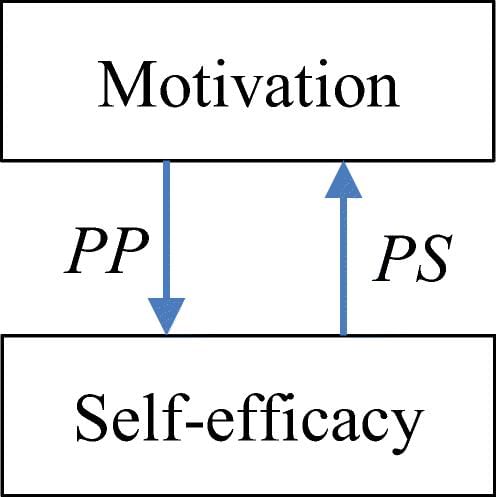 | Card: 34 / 50 |
| Inductive reasoning is commonly used in problem-solving. Explain what inductive reasoning involves. | Card: 35 / 50 |
| Inductive reasoning involves collecting specific observations or evidence and drawing general conclusions from them. It is often employed in scientific inquiry and everyday decision-making to form hypotheses or theories based on patterns observed in data. 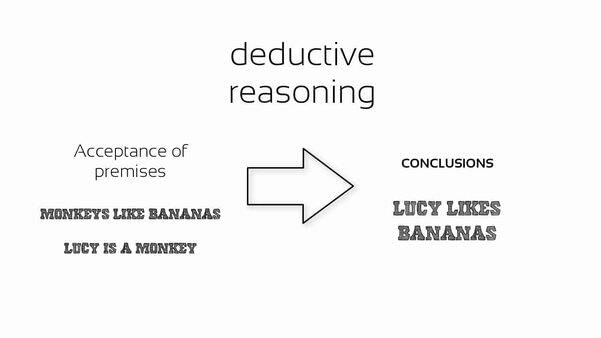 | Card: 36 / 50 |
| Fill in the blank: Deductive reasoning uses ___ to arrive at a conclusion, while inductive reasoning uses ___ to infer general principles. | Card: 37 / 50 |
| Specific premises; generalizations  | Card: 38 / 50 |
| True or False: Analogy is a form of reasoning that only involves comparing two similar objects. | Card: 39 / 50 |
| False. Analogy involves comparing relationships between two different sets of things, highlighting similarities in their relationships rather than merely in their characteristics. | Card: 40 / 50 |
| What role does reasoning play in problem-solving? | Card: 41 / 50 |
| Reasoning is a cognitive process that involves the analysis of information to draw conclusions, enabling individuals to make informed decisions and solve problems effectively. | Card: 42 / 50 |
| Fill in the blank: The ability to solve problems can be significantly impaired by a lack of ___. | Card: 43 / 50 |
| Motivation 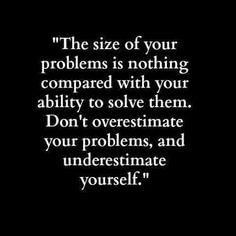 | Card: 44 / 50 |
| What are the two main types of thinking identified by J.P. Guilford related to creativity? | Card: 45 / 50 |
| Convergent thinking and divergent thinking. 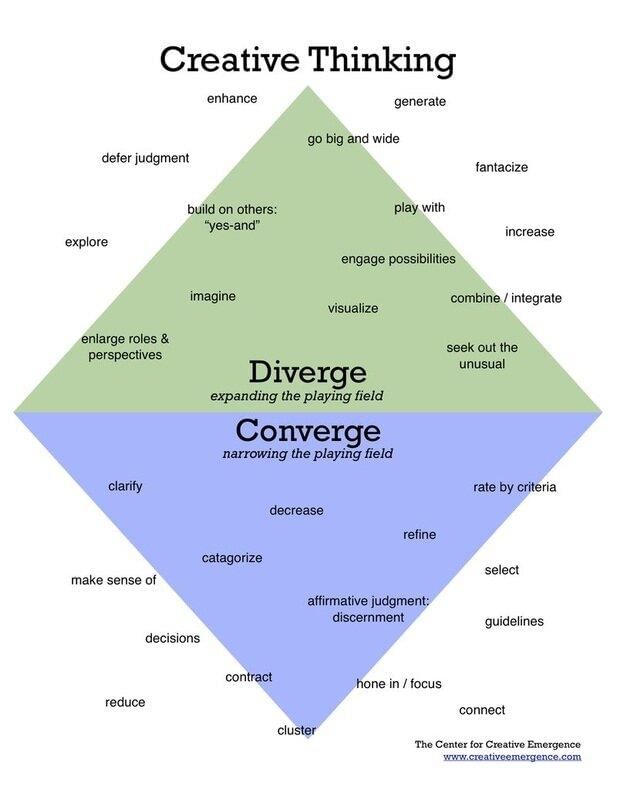 | Card: 46 / 50 |
| In the context of creative thinking, the stage where the problem is clearly defined and information is collected is known as ___? | Card: 47 / 50 |
| Preparation. 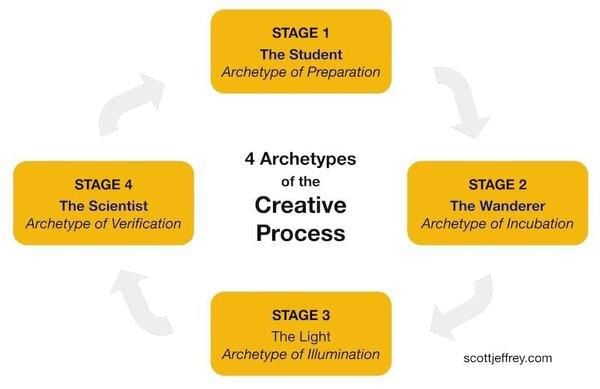 | Card: 48 / 50 |
| True or False: Divergent thinking is characterized by seeking a single correct answer to a problem. | Card: 49 / 50 |
| False. Divergent thinking involves exploring multiple possible answers. 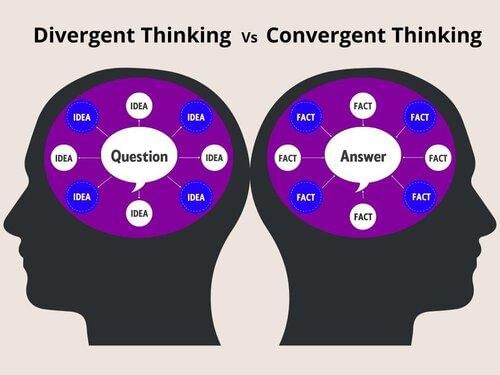 | Card: 50 / 50 |
| Completed! Keep practicing to master all of them. |  Restart |