 |  From the Beginning of Time 60 Flashcards |  Start |
 | What significant discovery was made in the Neander valley in 1856? |  Card: 1 / 60 |
| A skull and skeletal fragments that were identified as belonging to an extinct form of human. 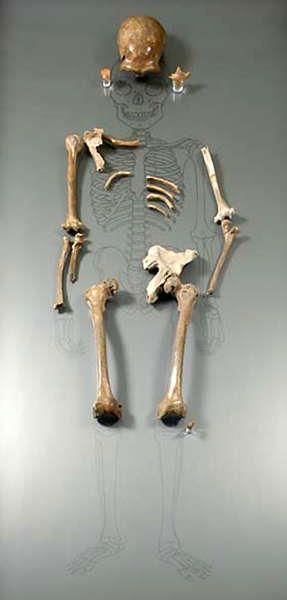 | Card: 2 / 60 |
| Fill in the blanks: The Latin word 'Homo' means ___ and refers to the genus that includes modern humans. | Card: 3 / 60 |
| Man | Card: 4 / 60 |
| True or False: The Australopithecus had a larger brain size compared to modern humans. | Card: 5 / 60 |
| False; Australopithecus had a smaller brain size. 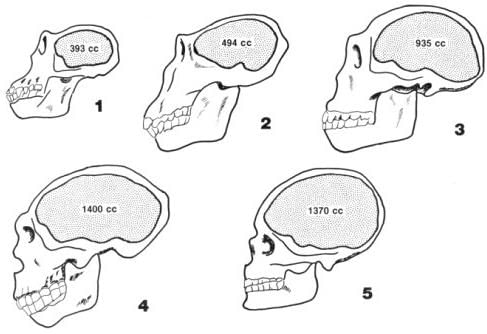 | Card: 6 / 60 |
| What are the two main theories regarding the origin of modern humans? | Card: 7 / 60 |
| Replacement model and Regional continuity model. | Card: 8 / 60 |
| Riddle: I am a group of ancient humans, my name means 'southern ape', who am I? | Card: 9 / 60 |
| Australopithecus | Card: 10 / 60 |
| What major adaptation is associated with hominids that differentiates them from hominoids? | Card: 11 / 60 |
| Upright posture and bipedal locomotion. 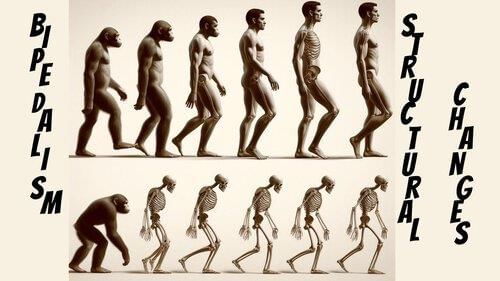 | Card: 12 / 60 |
| Fill in the blank: The species that thrived during the glaciation period and replaced Australopithecus were members of the ___ genus. | Card: 13 / 60 |
| Homo | Card: 14 / 60 |
| True or False: The earliest fossils of Homo sapiens were found primarily in Africa. | Card: 15 / 60 |
| True | Card: 16 / 60 |
| What was one benefit of bipedalism for early humans? | Card: 17 / 60 |
| It allowed for more efficient long-distance walking. 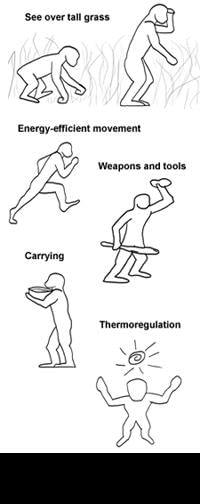 | Card: 18 / 60 |
| Riddle: I am a tool-making species that lived around 35,000 years ago, known for developing new hunting technologies. Who am I? | Card: 19 / 60 |
| Homo sapiens 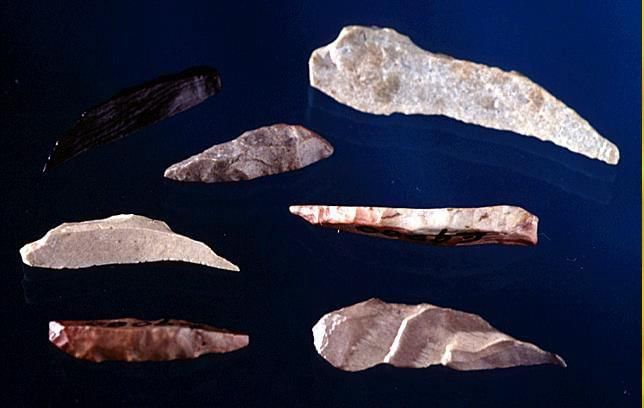 | Card: 20 / 60 |
| Fill in the blank: The brain of Homo habilis had features that may indicate the development of ___ as early as 2 million years ago. | Card: 21 / 60 |
| Language | Card: 22 / 60 |
| What evidence suggests that early humans practiced planned hunting? | Card: 23 / 60 |
| Archaeological sites like Box Grove and Schoningen show evidence of organized hunting strategies. 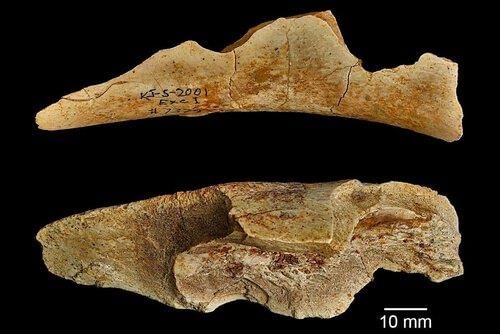 | Card: 24 / 60 |
| True or False: The Replacement model suggests that modern humans evolved simultaneously in different regions of the world. | Card: 25 / 60 |
| False; the Replacement model suggests that modern humans originated in Africa and replaced archaic humans. 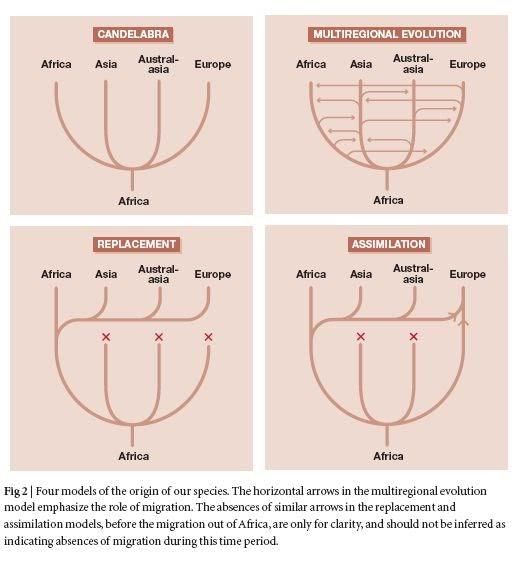 | Card: 26 / 60 |
| What role did fire play in early human societies? | Card: 27 / 60 |
| Fire provided warmth, light, protection from predators, and was used for cooking and tool-making. 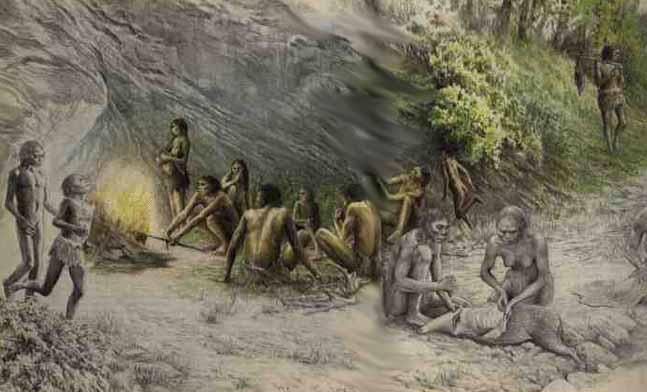 | Card: 28 / 60 |
| Fill in the blank: The term 'hominids' refers to members of the family ___ which includes modern humans and their ancestors. | Card: 29 / 60 |
| Hominidae | Card: 30 / 60 |
|  Unlock all Flashcards with EduRev Infinity Plan Starting from @ ₹99 only | |
| Riddle: I represent the earliest known humans with a small brain and heavy jaws, often found in Africa. What am I? | Card: 31 / 60 |
| Australopithecus 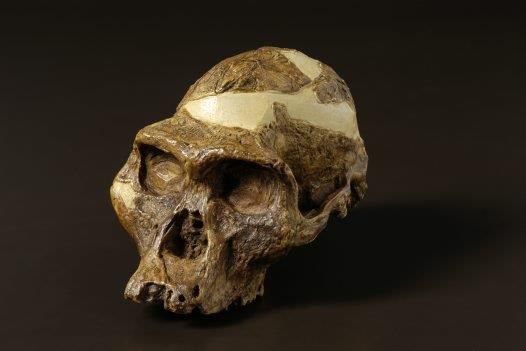 | Card: 32 / 60 |
| What is the significance of the fossils found in Olduvai Gorge? | Card: 33 / 60 |
| They provide crucial evidence for the existence of early hominids, particularly Australopithecus. | Card: 34 / 60 |
| Fill in the blank: The evolution of the vocal tract occurred around ___ years ago, contributing to the development of spoken language. | Card: 35 / 60 |
| 200,000 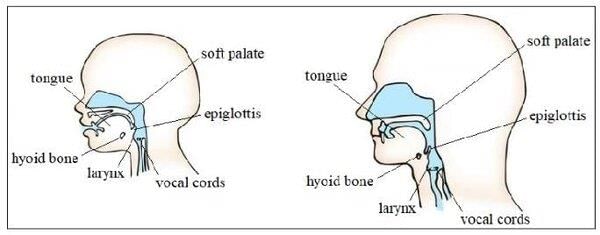 | Card: 36 / 60 |
| True or False: The art found in caves like Lascaux and Chauvet is believed to have no connection to hunting rituals. | Card: 37 / 60 |
| False; it is suggested that the art may have been part of rituals for successful hunting. 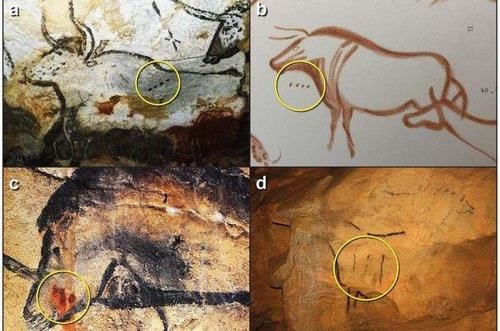 | Card: 38 / 60 |
| What were some methods early humans used to obtain food? | Card: 39 / 60 |
| Gathering, hunting, scavenging, and fishing. 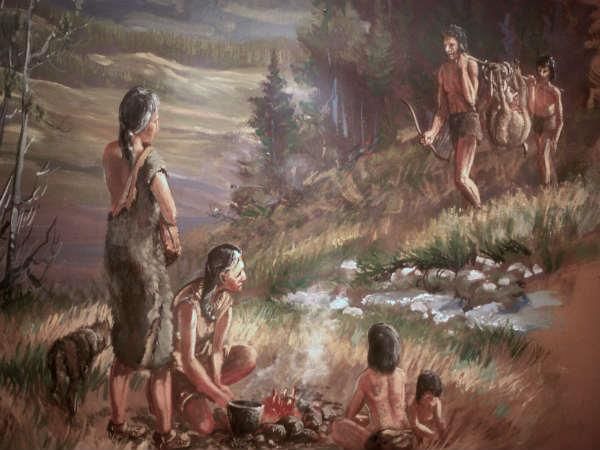 | Card: 40 / 60 |
| Riddle: I am a type of ancient human that lived in Africa and was known for making stone tools. Who am I? | Card: 41 / 60 |
| Australopithecus 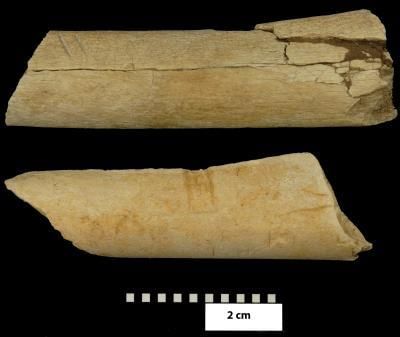 | Card: 42 / 60 |
| Fill in the blank: The fossils of Homo neanderthalensis were discovered in the ___ valley. | Card: 43 / 60 |
| Neander 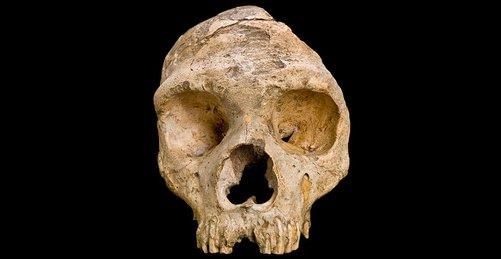 | Card: 44 / 60 |
| What distinguishes the Regional continuity model from the Replacement model? | Card: 45 / 60 |
| The Regional continuity model posits that modern humans evolved simultaneously from local archaic humans in different regions. | Card: 46 / 60 |
| True or False: Evidence suggests that early humans were primarily nomadic and did not establish any form of permanent residence. | Card: 47 / 60 |
| False; they established seasonal camps and occasionally returned to resource-rich areas.  | Card: 48 / 60 |
| What was the impact of glaciation on early human species like Australopithecus? | Card: 49 / 60 |
| It led to their extinction due to changing climates and vegetation that favored Homo species.  | Card: 50 / 60 |
| Fill in the blank: The use of ___ allowed early humans to carry objects and children while being bipedal. | Card: 51 / 60 |
| Arms | Card: 52 / 60 |
| Riddle: I am a type of ancient people considered the first to use tools, who am I? | Card: 53 / 60 |
| Homo habilis | Card: 54 / 60 |
| What does the presence of multiple types of artefacts at a site indicate about early human activity? | Card: 55 / 60 |
| It suggests that the site was frequently visited and used for various activities. 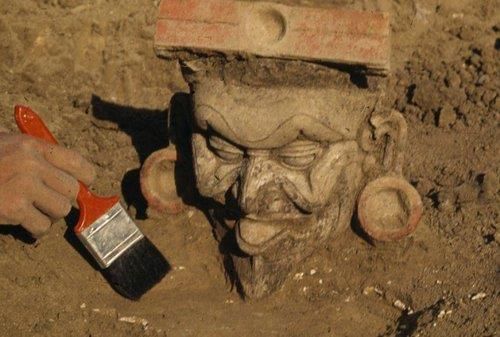 | Card: 56 / 60 |
| Fill in the blank: The earliest evidence of sewn clothing dates back to approximately ___ years ago. | Card: 57 / 60 |
| 21,000 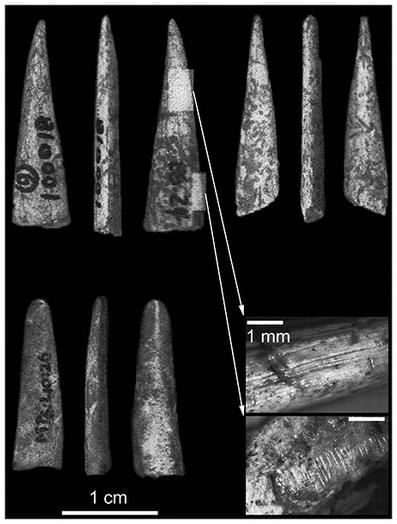 | Card: 58 / 60 |
| What are the main differences between hominoids and hominids? | Card: 59 / 60 |
| Hominoids have smaller brains and are quadrupeds, while hominids exhibit upright posture, bipedalism, and larger brains. 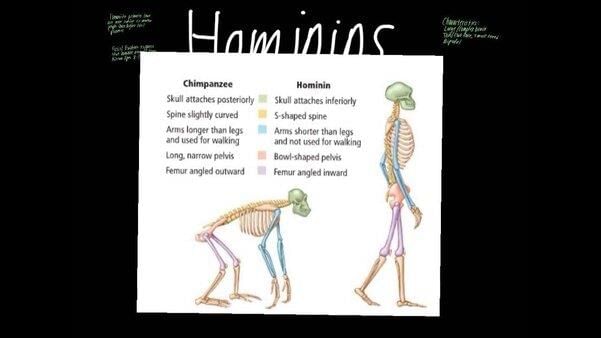 | Card: 60 / 60 |
| Completed! Keep practicing to master all of them. |  Restart |


