|  Flashcards : Child Rights 30 Flashcards |  Start |
 | The term 'child' is derived from the Latin word 'infans,' which means ___? |  Card: 1 / 30 |
| Someone who cannot speak | Card: 2 / 30 |
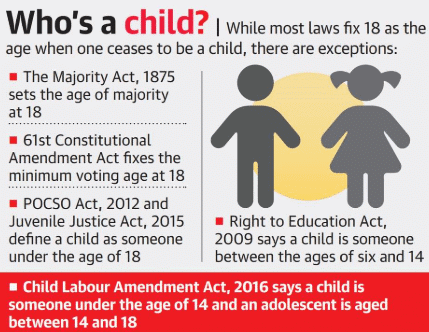
| True or False: The legal age of adulthood in India, as per the Indian Majority Act, 1875, is 18 years. | Card: 3 / 30 |
| True | Card: 4 / 30 |
| The rights-based perspective on child welfare emerged in the ___ century, moving away from a welfare-centric approach. | Card: 5 / 30 |
| 20th | Card: 6 / 30 |
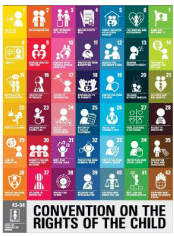
| Fill in the blank: The United Nations Convention on the Rights of the Child was ratified by India in ___, granting children basic human rights. | Card: 7 / 30 |
| December 1992 | Card: 8 / 30 |
| The Constitution of India guarantees the right to education through which article? | Card: 9 / 30 |
| Article 21 A | Card: 10 / 30 |
| True or False: The Right of Children to Free and Compulsory Education Act mandates that all children aged six to fourteen must pay for their education. | Card: 11 / 30 |
| False. The Act mandates free and compulsory education for all children aged six to fourteen years. | Card: 12 / 30 |
| Health encompasses ___, ___, and ___ well-being. | Card: 13 / 30 |
| Complete physical, mental, and social | Card: 14 / 30 |
| True or False: The state is not responsible for ensuring the health and well-being of its citizens. | Card: 15 / 30 |
|  Unlock all Flashcards with EduRev Infinity Plan Starting from @ ₹99 only | |
| False. The state is constitutionally obligated to safeguard the health and well-being of its citizens. | Card: 16 / 30 |
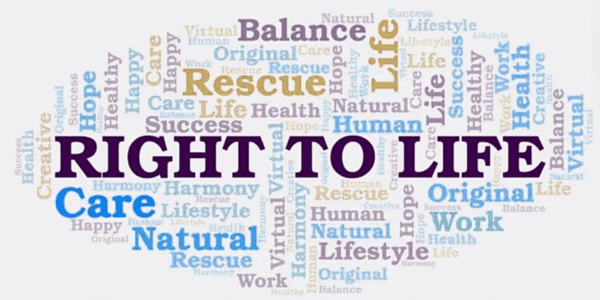
| The right to shelter is intrinsically linked to which fundamental right? | Card: 17 / 30 |
| The right to life. | Card: 18 / 30 |
| True or False: The right to shelter includes access to basic amenities such as water and sanitation. | Card: 19 / 30 |
| True. | Card: 20 / 30 |
| Child labour refers to children being made to work, involving factors such as ___, ___, ___, and ___. | Card: 21 / 30 |
| Age, nature of work, hours, and working conditions | Card: 22 / 30 |
| True or False: The Child Labour (Prohibition and Regulation) Act of 1986 allows children under 14 years to work in hazardous occupations. | Card: 23 / 30 |
| False. The Act prohibits child employment under 14 years in hazardous occupations. | Card: 24 / 30 |
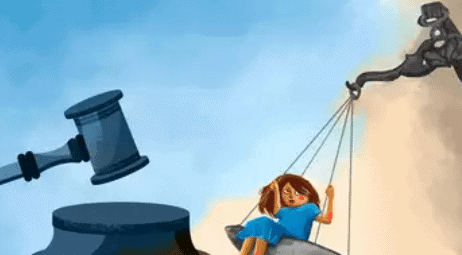
| The Protection of Children from Sexual Offences Act, 2012 (POCSO Act) addresses ___ and ___ related to child sexual abuse. | Card: 25 / 30 |
| Penetrative sexual assault and sexual harassment | Card: 26 / 30 |
| True or False: Only adults can perpetrate child sexual abuse. | Card: 27 / 30 |
| False. A person under 18 years may also commit sexual abuse due to incapacity to give consent. | Card: 28 / 30 |
| The Juvenile Justice (Care and Protection of Children) Act, 2015 emphasizes a ___ approach towards children in conflict with the law. | Card: 29 / 30 |
| Child-friendly | Card: 30 / 30 |
| Completed! Keep practicing to master all of them. |  Restart |