|  Flashcards : Alternative Dispute Resolution 32 Flashcards |  Start |
 | The Adversarial System is characterized by ___ and ___ roles of the judge and the parties involved. |  Card: 1 / 32 |
| A passive role for the judge and proactive roles for the parties involved | Card: 2 / 32 |
| True or False: The Inquisitorial System relies heavily on cross-examination techniques used by lawyers to assess opposing evidence. | Card: 3 / 32 |
| False. The Inquisitorial System involves the judge actively determining the facts and issues in dispute with less reliance on cross-examination. | Card: 4 / 32 |
| The adversarial system relies heavily on ___ to test the credibility of witnesses. | Card: 5 / 32 |
| Cross-examination | Card: 6 / 32 |
| True or False: In the adversarial system, judges play an active role in seeking the truth. | Card: 7 / 32 |
| False. Judges in the adversarial system evaluate cases based only on the evidence presented. | Card: 8 / 32 |
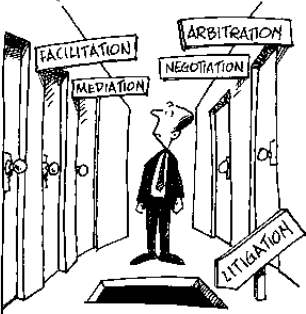
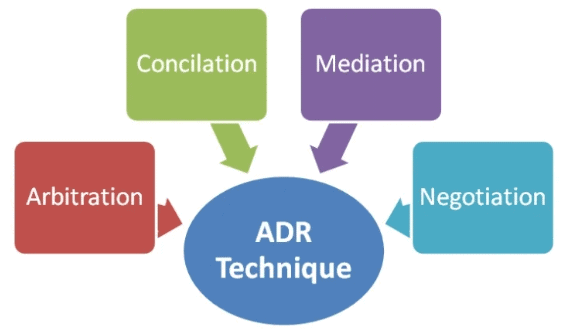
| What does ADR stand for and what is its primary purpose? | Card: 9 / 32 |
| ADR stands for Alternative Dispute Resolution, and its primary purpose is to provide a system that offers alternatives to traditional court methods for resolving disputes through non-adversarial techniques. | Card: 10 / 32 |
| True or False: The concept of ADR in India was introduced during the British colonial era. | Card: 11 / 32 |
| False. The concept of ADR in India predates the British colonial era, as India had its own native ADR techniques before the formal court system influenced by the English legal system. | Card: 12 / 32 |
| Fill in the blank: Specialized tribunals during the Vedic age included Kula for family disputes, Shreni for business disputes, and ___ for traders' associations. | Card: 13 / 32 |
| Puga | Card: 14 / 32 |
| What significant legislation in India granted statutory recognition to ADR? | Card: 15 / 32 |
| The Arbitration and Conciliation Act, 1996, and The Legal Services Authority Act, 1987, granted statutory recognition to ADR. | Card: 16 / 32 |

|  Unlock all Flashcards with EduRev Infinity Plan Starting from @ ₹99 only | |
| True or False: Section 89 of the Code of Civil Procedure, 1908 promotes adversarial litigation. | Card: 17 / 32 |
| False. Section 89 of the Code of Civil Procedure, 1908 promotes alternative dispute resolution methods to expedite case disposal and reduce backlog. | Card: 18 / 32 |
| List the four referral options a court may provide for dispute resolution under ADR. | Card: 19 / 32 |
| The four referral options are: (a) Arbitration, (b) Conciliation, (c) Judicial settlement including Lok Adalat, and (d) Mediation. | Card: 20 / 32 |
| What are some of the major challenges faced by law courts in the justice delivery system? | Card: 21 / 32 |
| Major challenges include insufficient number of courts and judges, rising litigation, high cost of litigation, and significant delays in case disposal. | Card: 22 / 32 |
| What is the consequence of an insufficient number of courts and judges in the justice delivery system? | Card: 23 / 32 |
| It leads to a gap in the justice delivery system. | Card: 24 / 32 |
| True or False: Rising litigation is attributed to the increasing population and complexity of laws. | Card: 25 / 32 |
| True | Card: 26 / 32 |
| The high cost of litigation includes expenses such as ___ and ___ fees. | Card: 27 / 32 |
| Court and lawyer's | Card: 28 / 32 |
| Alternative Dispute Resolution (ADR) is generally considered more ___ than traditional court procedures. | Card: 29 / 32 |
| Cost-effective | Card: 30 / 32 |
| True or False: ADR allows for the involvement of only lawyers in the dispute resolution process. | Card: 31 / 32 |
| False. ADR allows for the involvement of non-lawyers as well. | Card: 32 / 32 |
| Completed! Keep practicing to master all of them. |  Restart |