CBSE Class 8  >  Class 8   >  Science   >  Flashcards: Greenhouse Effect
Greenhouse Effect
20 Flashcards
Start
Start

Flashcards: Greenhouse Effect

20 Flashcards

FAQs on Flashcards: Greenhouse Effect

1. What is the greenhouse effect and how does it work?
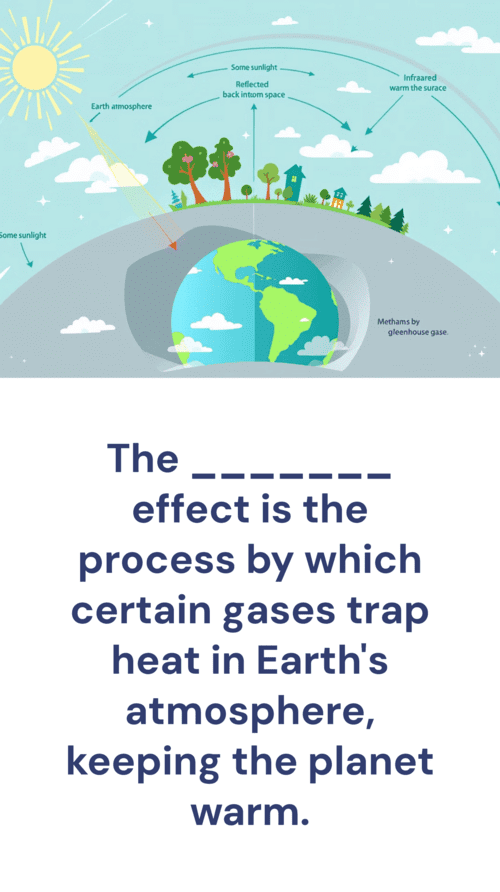
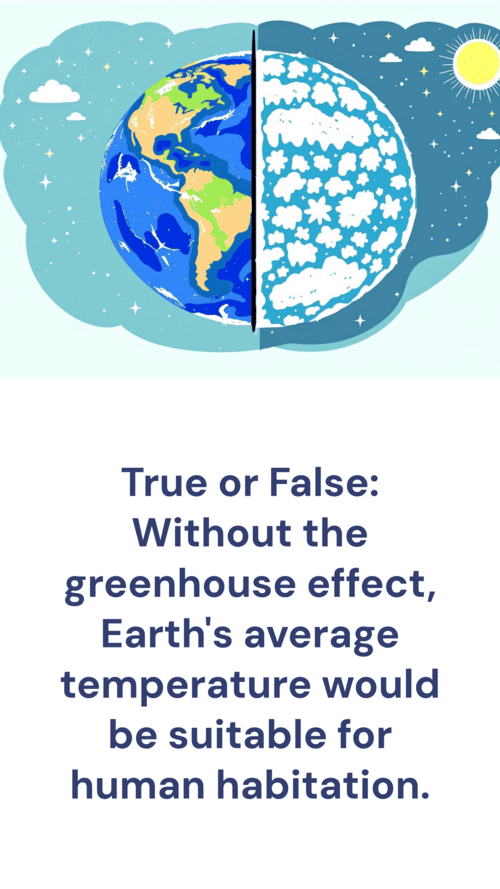
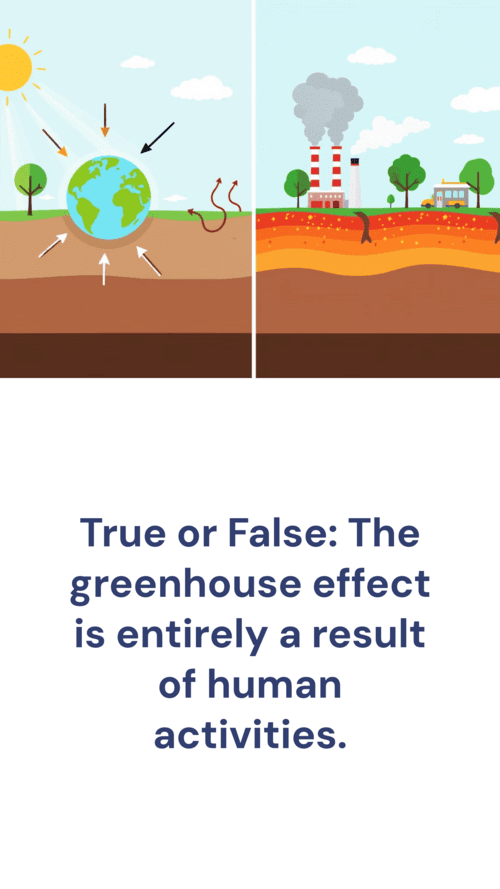
Ans. The greenhouse effect is a natural process that warms the Earth's surface. When the Sun's energy reaches the Earth, some of it is reflected back to space and the rest is absorbed, warming the planet. The Earth then emits this energy in the form of infrared radiation. Greenhouse gases in the atmosphere, such as carbon dioxide and methane, trap some of this infrared radiation, preventing it from escaping into space. This process keeps the Earth's temperature at a level that can support life.
2. What are the main greenhouse gases and their sources?
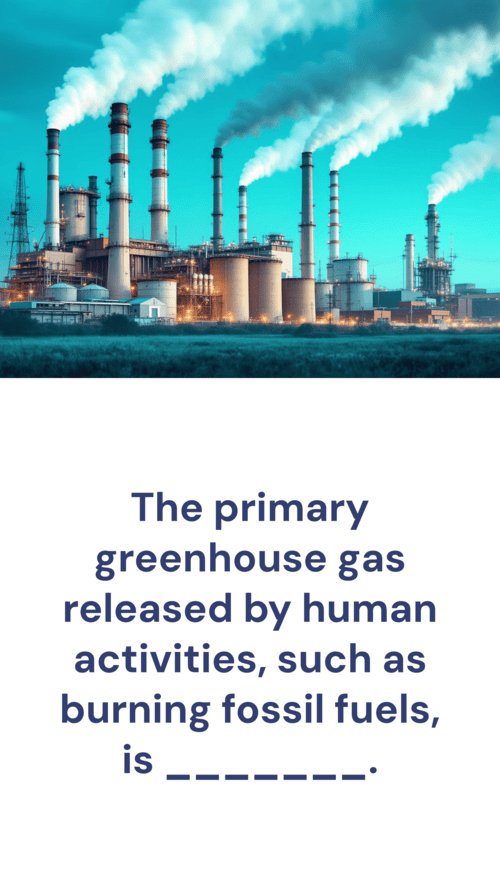
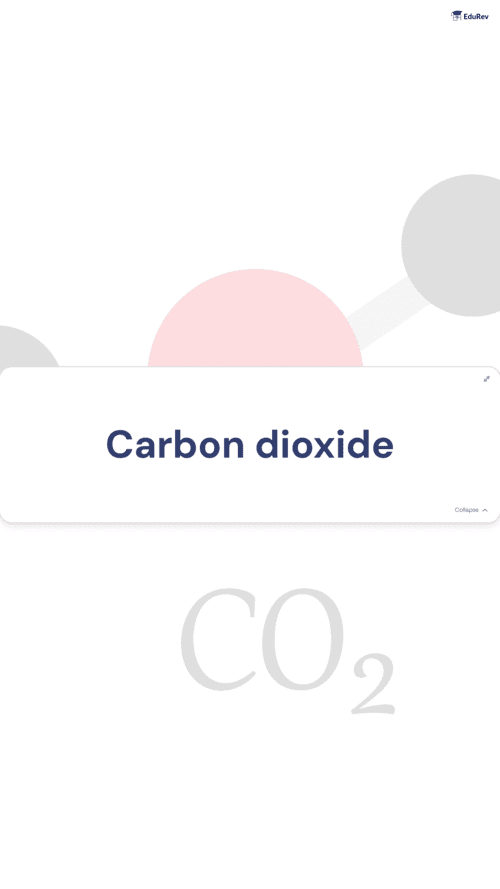
Ans. The main greenhouse gases include carbon dioxide (CO2), methane (CH4), nitrous oxide (N2O), and water vapor. Carbon dioxide is primarily released through the burning of fossil fuels for energy, deforestation, and certain industrial processes. Methane is emitted during the production and transport of coal, oil, and natural gas, as well as from livestock and other agricultural practices. Nitrous oxide is released from agricultural and industrial activities, as well as during combustion of fossil fuels and solid waste.
3. How does human activity contribute to the greenhouse effect?
Ans. Human activities significantly enhance the greenhouse effect by increasing the concentration of greenhouse gases in the atmosphere. The burning of fossil fuels for energy, transportation, and industry releases large amounts of carbon dioxide. Deforestation reduces the number of trees that can absorb CO2. Additionally, agricultural practices, such as livestock farming and the use of fertilizers, release methane and nitrous oxide, further contributing to global warming.
4. What are the potential impacts of the greenhouse effect on the environment?
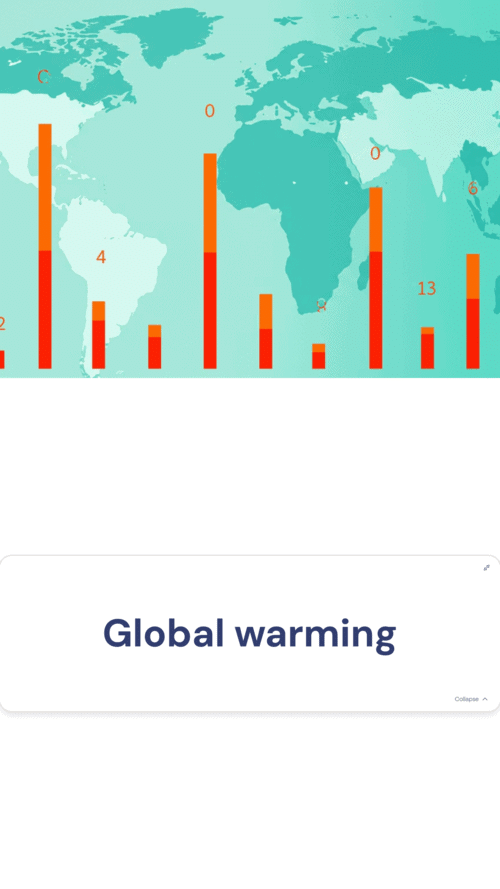
Ans. The greenhouse effect can lead to global warming, which causes a variety of environmental impacts. These include rising sea levels due to melting ice caps, more frequent and severe weather events (like hurricanes and droughts), changes in agricultural productivity, and the disruption of ecosystems. Furthermore, climate change can affect biodiversity, leading to species extinction and altering habitats.
5. What can individuals do to reduce their carbon footprint and mitigate the greenhouse effect?
Ans. Individuals can take several actions to reduce their carbon footprint, such as using energy-efficient appliances, reducing car travel by using public transport or biking, conserving water, recycling, and supporting renewable energy sources. Additionally, people can reduce meat consumption, participate in tree-planting initiatives, and advocate for policies aimed at reducing greenhouse gas emissions. Every small action contributes to the larger effort of mitigating the greenhouse effect.
Explore Courses for Class 8 exam
Related Searches
Viva Questions, Objective type Questions, ppt, mock tests for examination, MCQs, Previous Year Questions with Solutions, Free, Flashcards: Greenhouse Effect, past year papers, Semester Notes, Important questions, Flashcards: Greenhouse Effect, Flashcards: Greenhouse Effect, Extra Questions, Sample Paper, Summary, Exam, video lectures, practice quizzes, pdf , shortcuts and tricks, study material;