 |  Anthropology: Meaning, Scope & Development 32 Flashcards |  Start |
 | The term 'anthropology' is derived from Greek words meaning ___ and ___. |  Card: 1 / 32 |
| The term is derived from the Greek words ‘Anthropos’ (human) and ‘Logos’ (science or discourse), meaning the study of humans. | Card: 2 / 32 |
| True or False: Anthropology only focuses on the biological aspects of humans. | Card: 3 / 32 |
| False. Anthropology encompasses both biological and cultural aspects of humans. | Card: 4 / 32 |
| Cultural anthropology primarily investigates ___ and ___. | Card: 5 / 32 |
| Beliefs and customs of different groups | Card: 6 / 32 |
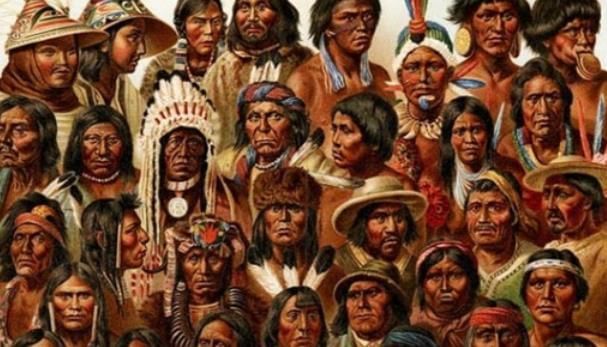
| Physical anthropology focuses on the biology and evolution of humanity, while cultural anthropology studies ___. | Card: 7 / 32 |
|  Human cultures and their social constructs | Card: 8 / 32 |
| True or False: Cultural anthropology is transmitted through heredity. | Card: 9 / 32 |
| False. Cultural anthropology is learned through imitation, experience, and understanding. | Card: 10 / 32 |
| Physical anthropology can be defined as the study of ___ and ___ of the human race. | Card: 11 / 32 |
| 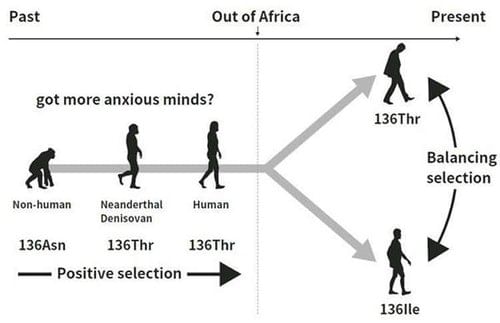 Bodily characteristics and evolutionary history | Card: 12 / 32 |
| Cultural anthropology primarily studies ___, ___, and ___ aspects of human life. | Card: 13 / 32 |
| Customs, social life, and religion | Card: 14 / 32 |
| True or False: Social anthropology focuses exclusively on material aspects of culture. | Card: 15 / 32 |
| False. Social anthropology primarily focuses on social structure and religion rather than material aspects. | Card: 16 / 32 |
|  Unlock all Flashcards with EduRev Infinity Plan Starting from @ ₹99 only | |
| The emergence of anthropology as a distinct discipline primarily occurred in the ___ century. | Card: 17 / 32 |
| Nineteenth | Card: 18 / 32 |
| True or False: The influence of Charles Darwin and his theory of evolution was significant in shaping the foundational ideas of anthropology. | Card: 19 / 32 |
| True | Card: 20 / 32 |
| The term anthropology was firmly established between ___ and ___. | Card: 21 / 32 |
| 1840 and 1870 | Card: 22 / 32 |
| True or False: Lewis Henry Morgan is known for his contributions to physical anthropology. | Card: 23 / 32 |
| False. He is known for founding social-cultural anthropology through comparative analysis of family and kinship structures. | Card: 24 / 32 |
| The shift in the perspective of anthropology after World War I emphasized the importance of ___ over speculation about primitive people. | Card: 25 / 32 |
| 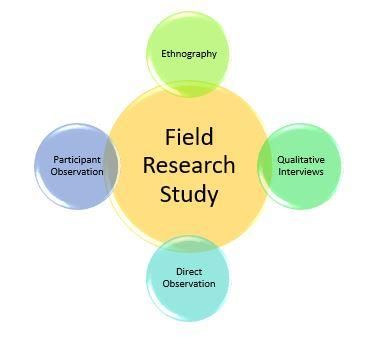 Field study | Card: 26 / 32 |
| True or False: After World War II, anthropologists' focus shifted solely to physical measurements without considering genetics. | Card: 27 / 32 |
| False. After World War II, the focus included the study of growth and development influenced by advances in genetics. | Card: 28 / 32 |
| Colonial anthropology refers to the study of cultures in a context that emphasizes ___ and ___ exploitation. | Card: 29 / 32 |
| 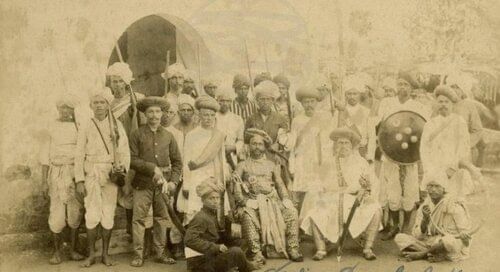 Colonial and imperial | Card: 30 / 32 |
| True or False: Neo-imperialism in anthropology focuses solely on contemporary cultural practices without considering historical contexts. | Card: 31 / 32 |
| False. Neo-imperialism in anthropology often critiques contemporary practices by examining their historical roots and implications. | Card: 32 / 32 |
| Completed! Keep practicing to master all of them. |  Restart |


