UPSC Exam > UPSC Notes > Geography CSE > Major Straits of the world
Major Straits of the world

Major Straits of the World
Strait
A strait is a narrow natural waterway that connects two larger bodies of water, such as seas or oceans. Straits are typically narrower than the seas they join and are formed by geological and oceanographic processes.
- Formed by natural processes (tectonic activity, sea-level changes, erosion).
- Narrower than the seas or oceans they connect.
- Often navigable and of great strategic and commercial importance.
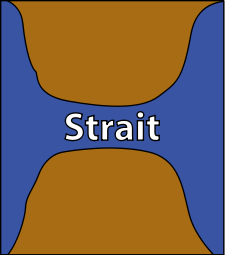 Sketch of a Strait containing two Water Bodies.
Major Straits of the World
Straits are vital for international shipping, naval strategy, regional climate and ocean circulation, fisheries, and coastal economies. Many straits act as chokepoints for global trade: a disruption in a major strait can affect international shipping, energy flows and supply chains. Straits also influence local currents and can modify climate and marine ecosystems in adjoining seas.
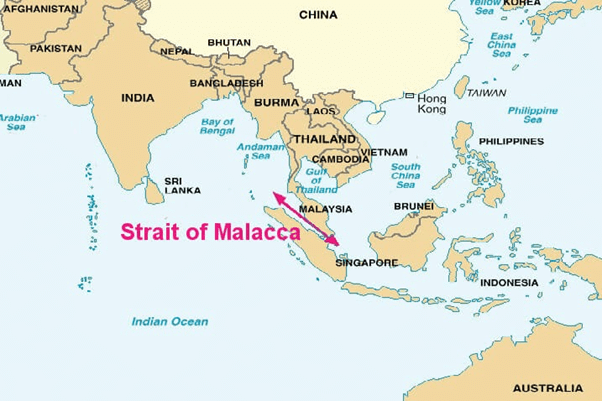
Malacca Strait
- Joins: Andaman Sea and South China Sea
- Location: Between the Malay Peninsula (Malaysia) and the Indonesian island of Sumatra
- Significance: One of the world's busiest shipping lanes; key route for trade between the Indian Ocean and the Pacific, crucial for oil and container shipping.
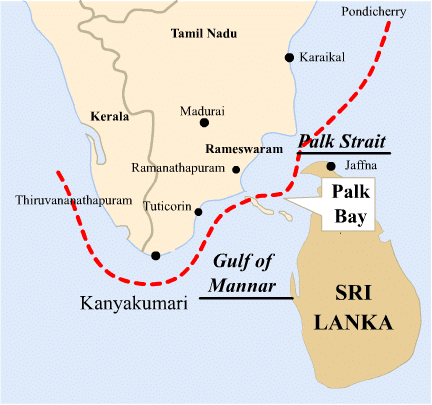
Palk Strait
- Joins: Palk Bay and Bay of Bengal
- Location: Between India and Sri Lanka
- Significance: Shallow waters affecting navigation; important for regional fisheries and India-Sri Lanka coastal transport.
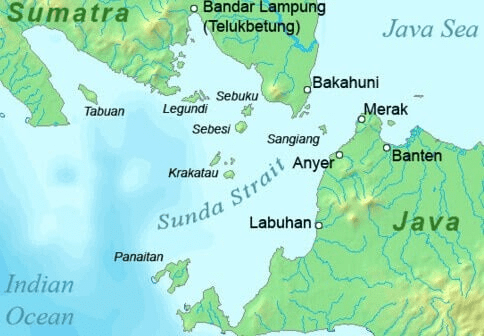
Sunda Strait
- Joins: Java Sea and Indian Ocean
- Location: Between the Indonesian islands of Java and Sumatra
- Significance: Historic navigation route; important for regional shipping and local fishing communities.
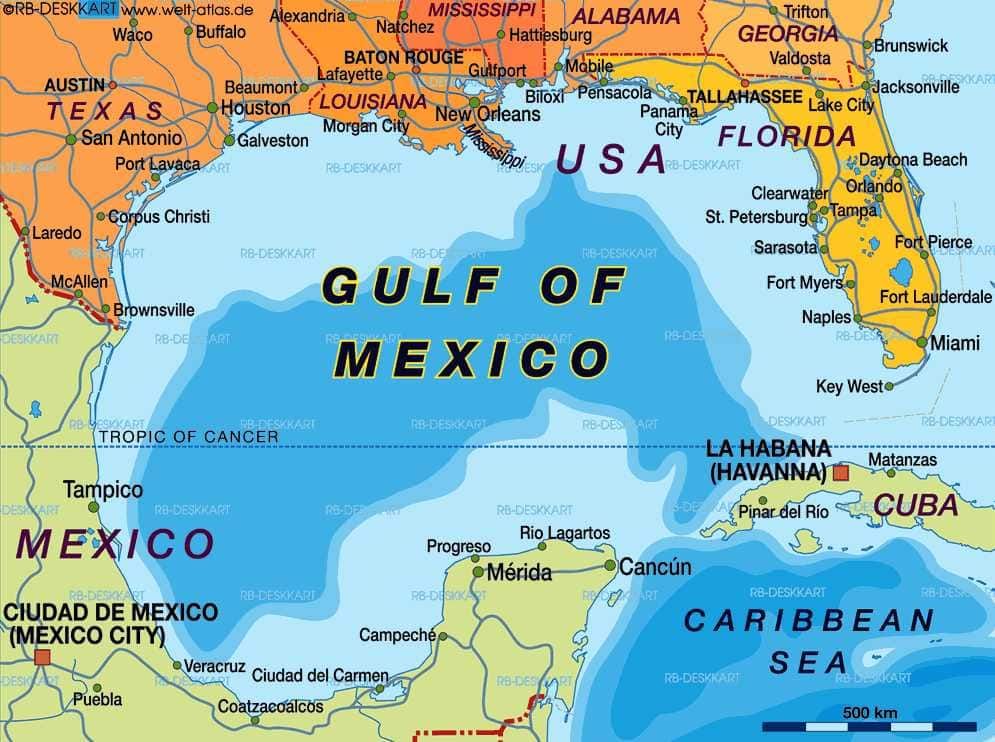
Yucatan Strait
- Joins: Gulf of Mexico and Caribbean Sea
- Location: Between Mexico and Cuba
- Significance: Important for shipping and oceanographic exchange between the Gulf of Mexico and the Caribbean basin.
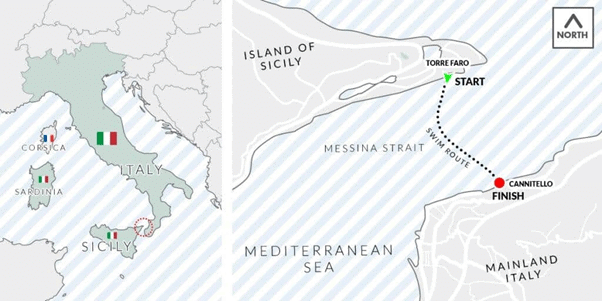
Messina Strait
- Joins: Tyrrhenian Sea and Ionian Sea (both parts of the Mediterranean)
- Location: Between the Italian peninsula and the island of Sicily
- Significance: Local ferry and coastal shipping route; known for strong tidal currents and navigational hazards in places.
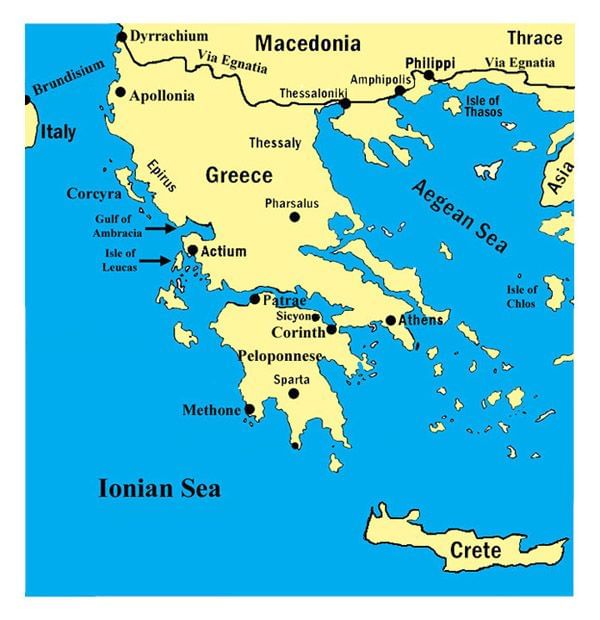
Otranto Strait
- Joins: Adriatic Sea and Ionian Sea
- Location: Between Italy and Albania
- Significance: Principal entrance to the Adriatic Sea from the Mediterranean, important for regional shipping and naval movements.
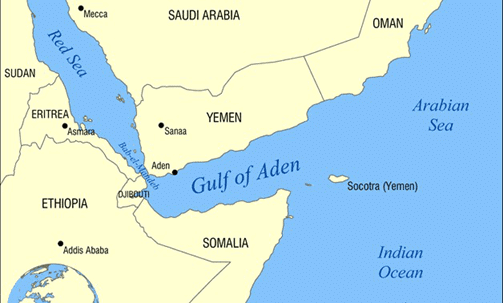
Bab-el-Mandeb Strait
- Joins: Red Sea and Gulf of Aden
- Location: Between Yemen (Arabian Peninsula) and Djibouti/Eritrea (Horn of Africa)
- Significance: Key chokepoint linking the Mediterranean (via Suez) to the Indian Ocean; vital for crude oil and container traffic.
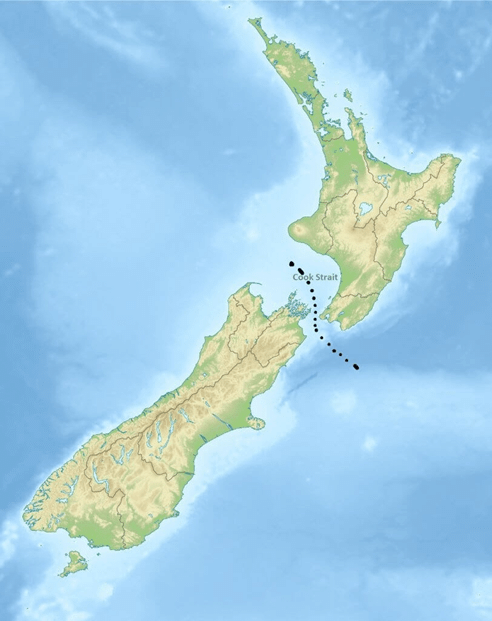
Cook Strait
- Joins: Two parts of the South Pacific Ocean between North and South Islands
- Location: Between the North and South Islands of New Zealand
- Significance: Important for domestic shipping; noted for strong currents and variable weather that affect navigation and ferry operations.
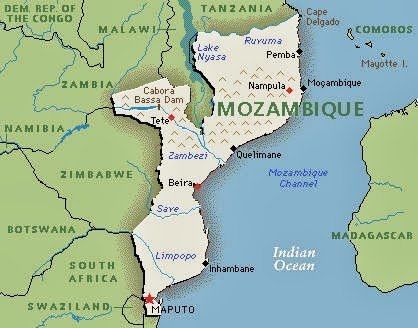
Mozambique Channel
- Joins: Indian Ocean waters between mainland Africa and Madagascar
- Location: Between Mozambique (Africa) and Madagascar
- Significance: Important route for shipping along the east coast of Africa; rich fishing grounds and seasonal current systems (e.g., Mozambique Current).
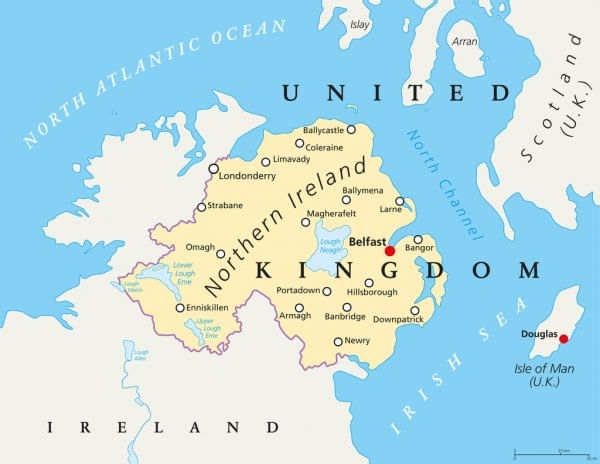
North Channel
- Joins: Irish Sea and the Atlantic Ocean
- Location: Between Northern Ireland and Scotland (and near the north-west of Ireland and England)
- Significance: Regional shipping and ferry crossings; also significant for tidal flows and fishing.
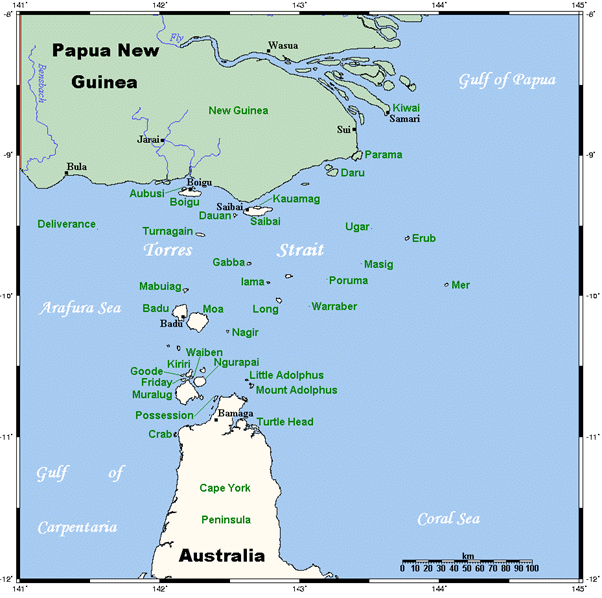
Torres Strait
- Joins: Arafura Sea and the Coral Sea / Gulf of Papua (part of the South Pacific region)
- Location: Between the northern tip of Australia and the island of New Guinea
- Significance: Shallow and dotted with reefs; important for local navigation, maritime boundaries and indigenous communities.
Bass Strait
- Joins: Tasman Sea and the Southern Ocean (south of Australia)
- Location: Between mainland Australia (Victoria) and Tasmania
- Significance: Important domestic shipping route; known for strong weather and wave conditions impacting navigation.
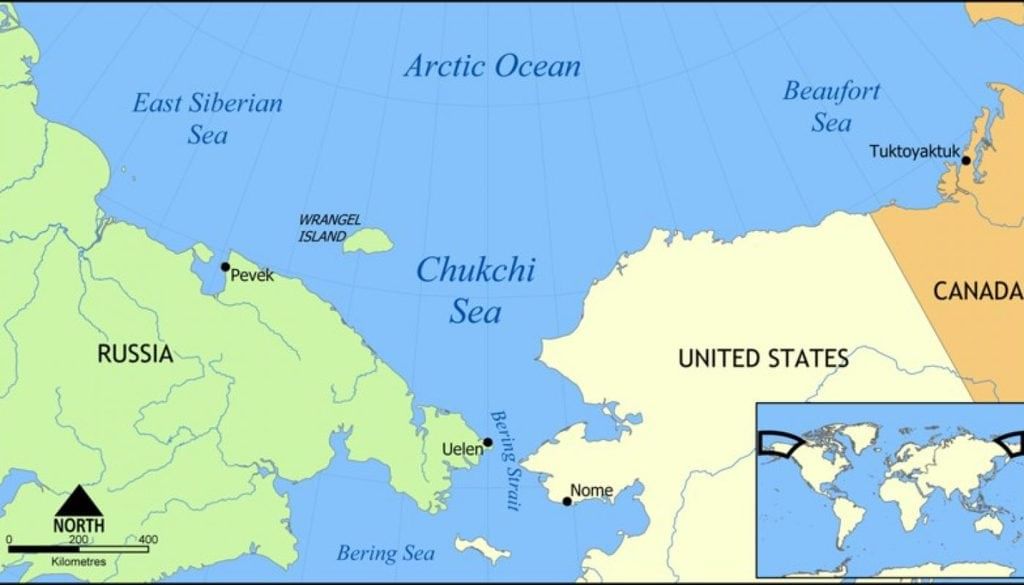
Bering Strait
- Joins: Bering Sea and the Chukchi Sea (Arctic Ocean margin)
- Location: Between Alaska (USA) and Russia
- Significance: Gateway between the Pacific and Arctic Oceans; of growing strategic and shipping interest due to Arctic sea-ice retreat.
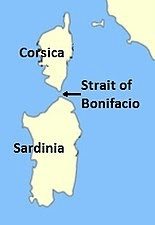
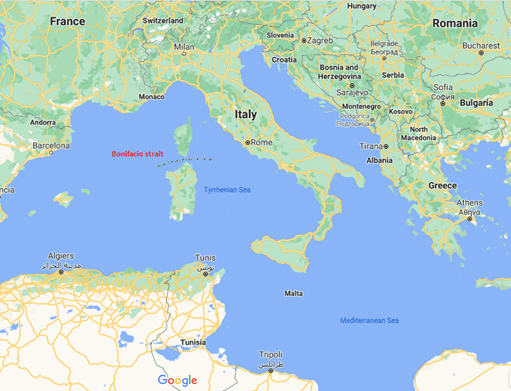
Bonifacio Strait
- Joins: Western Mediterranean waters between Corsica and Sardinia
- Location: Between the islands of Corsica (France) and Sardinia (Italy)
- Significance: Important for regional navigation and local fisheries; often subject to strong winds and currents.
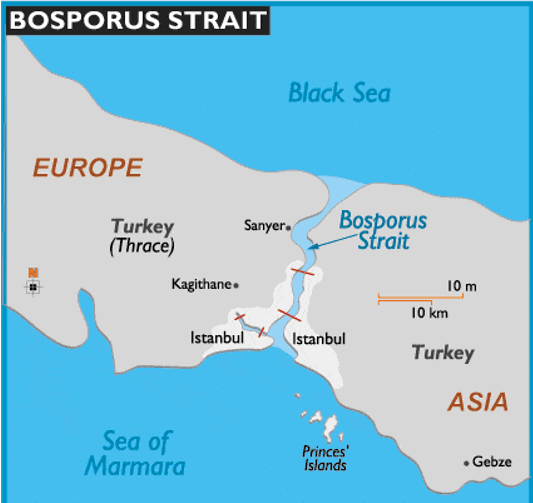
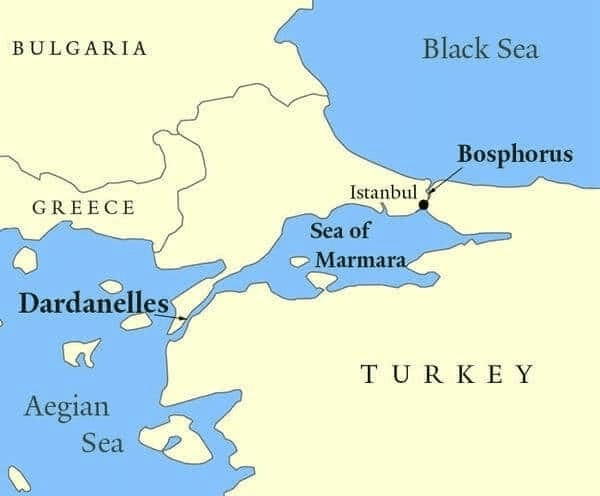
Bosphorus Strait
- Joins: Black Sea and Sea of Marmara
- Location: Through the city of Istanbul, Turkey - separating Europe and Asia
- Significance: Major strategic and commercial strait controlling access to the Black Sea; site of bridges and heavy urban development.
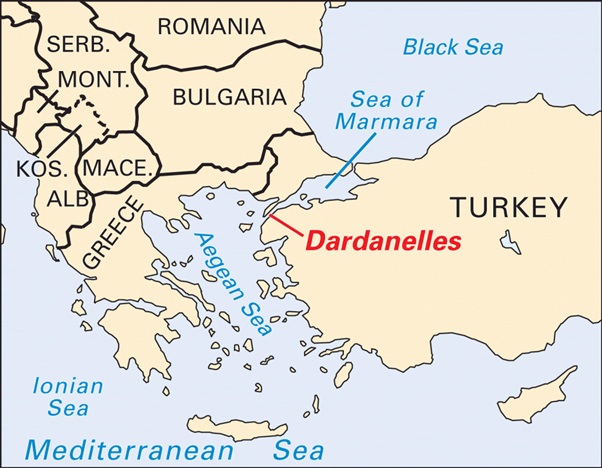
Dardanelles Strait
- Joins: Sea of Marmara and the Aegean Sea
- Location: Turkey (northwestern Anatolia)
- Significance: Historically and strategically important; part of the Turkish Straits connecting the Mediterranean to the Black Sea via the Sea of Marmara.
Davis Strait
- Joins: Baffin Bay and the Labrador / North Atlantic waters
- Location: Between Greenland and Canada
- Significance: Important for Arctic-Atlantic exchanges; fisheries and seasonal sea-ice conditions are notable.
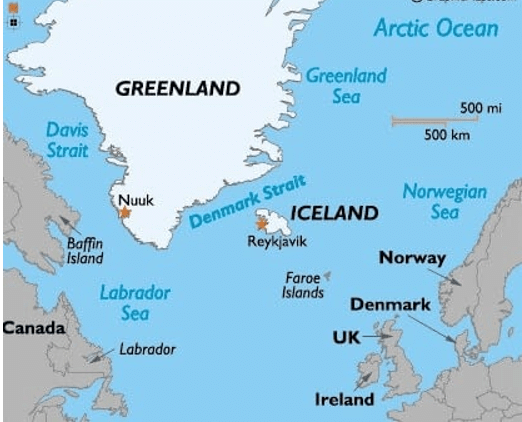
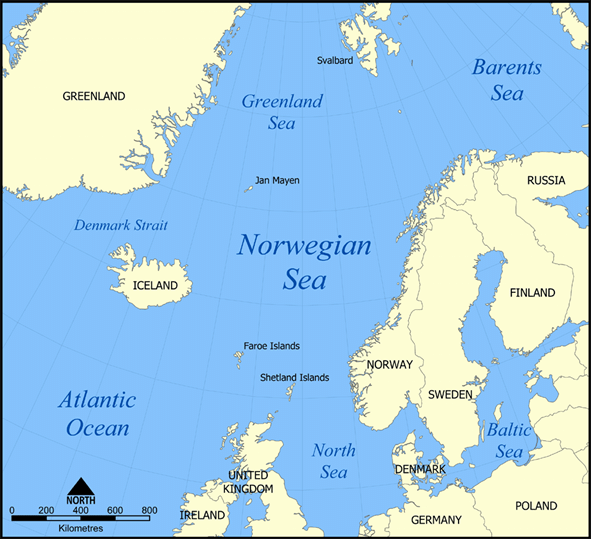
Denmark Strait
- Joins: North Atlantic Ocean and the Arctic Ocean (via Greenland Sea)
- Location: Between Greenland and Iceland
- Significance: Site of cold water outflow from the Arctic into the North Atlantic; important for thermohaline circulation studies.
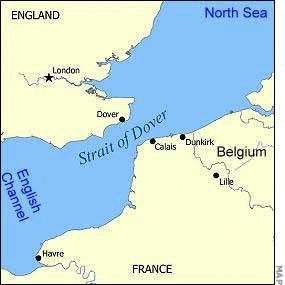
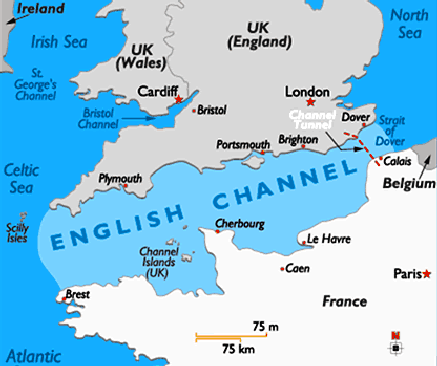
Dover Strait (Strait of Dover)
- Joins: The English Channel and the North Sea
- Location: Between southern England and northern France
- Notes: It is the narrowest part of the English Channel and a very busy international shipping route.
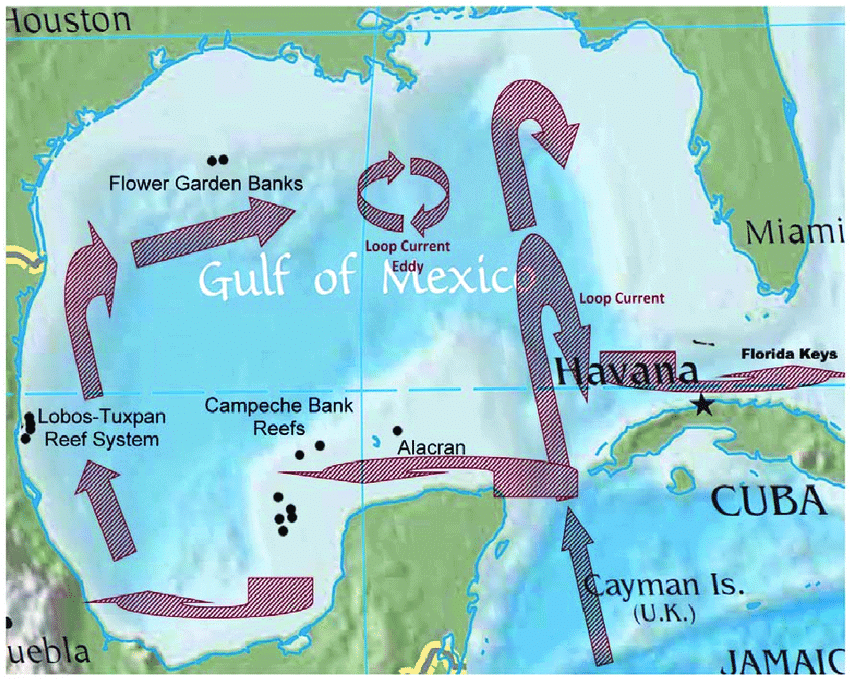
Florida Strait
- Joins: Gulf of Mexico and the Atlantic Ocean
- Location: Between the US state of Florida and the island of Cuba
- Significance: Important for maritime traffic between the Gulf and Atlantic; influences the Loop Current and wider ocean circulation in the Gulf of Mexico.
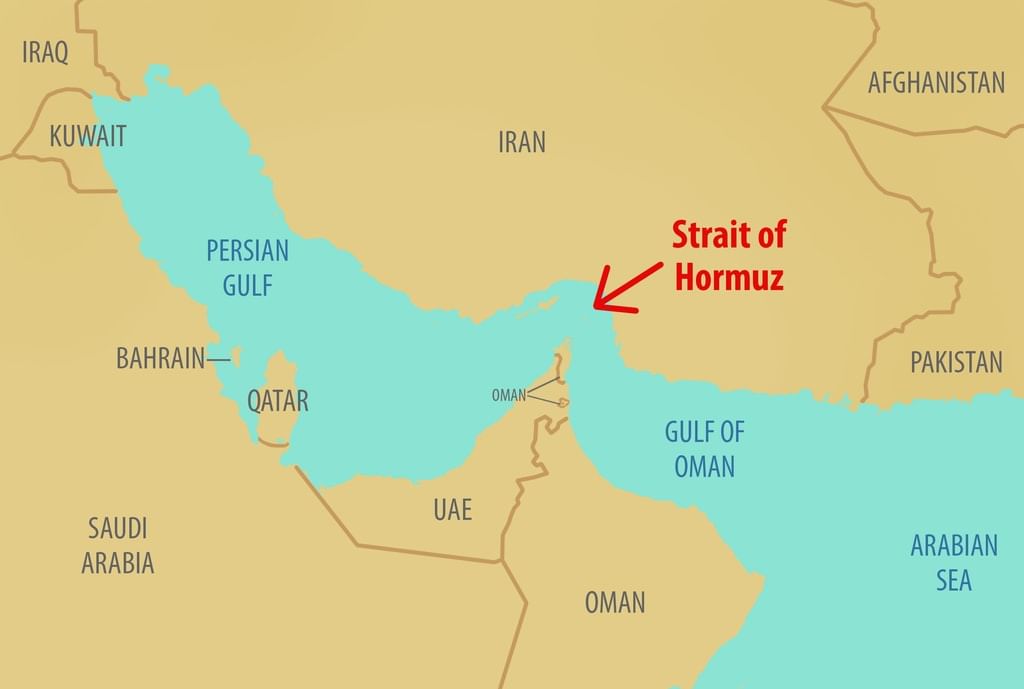
Strait of Hormuz
- Joins: Persian Gulf and Gulf of Oman (Indian Ocean)
- Location: Between Iran on the north and the Musandam Peninsula (Oman) on the south
- Significance: One of the world's most important energy chokepoints; a large percentage of the world's seaborne oil trade passes through it.
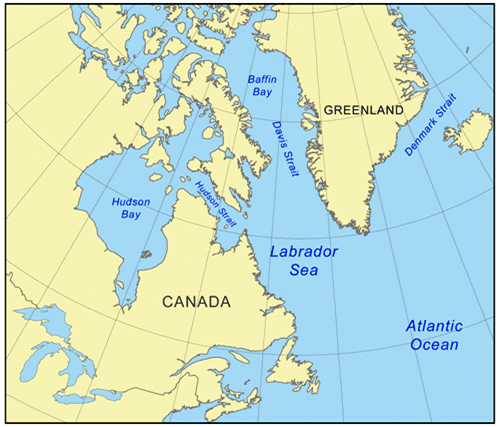
Hudson Strait
- Joins: Hudson Bay (Gulf of Hudson) and the Labrador Sea / Atlantic Ocean
- Location: Northern Canada
- Significance: Main marine gateway between Hudson Bay and the Atlantic; seasonal ice conditions strongly affect navigation.
Strait of Gibraltar
- Joins: Mediterranean Sea and the Atlantic Ocean
- Location: Between southern Spain (and British Gibraltar) and northern Morocco (and Ceuta)
- Notes: Located at the southern tip of the Iberian Peninsula; the narrowest point of the strait is about 14.3 kilometres.
- Geopolitical and environmental significance: Controls access to the Mediterranean; high traffic density and migration routes between Africa and Europe; protected areas on the Spanish side (for example, El Estrecho Natural Park).
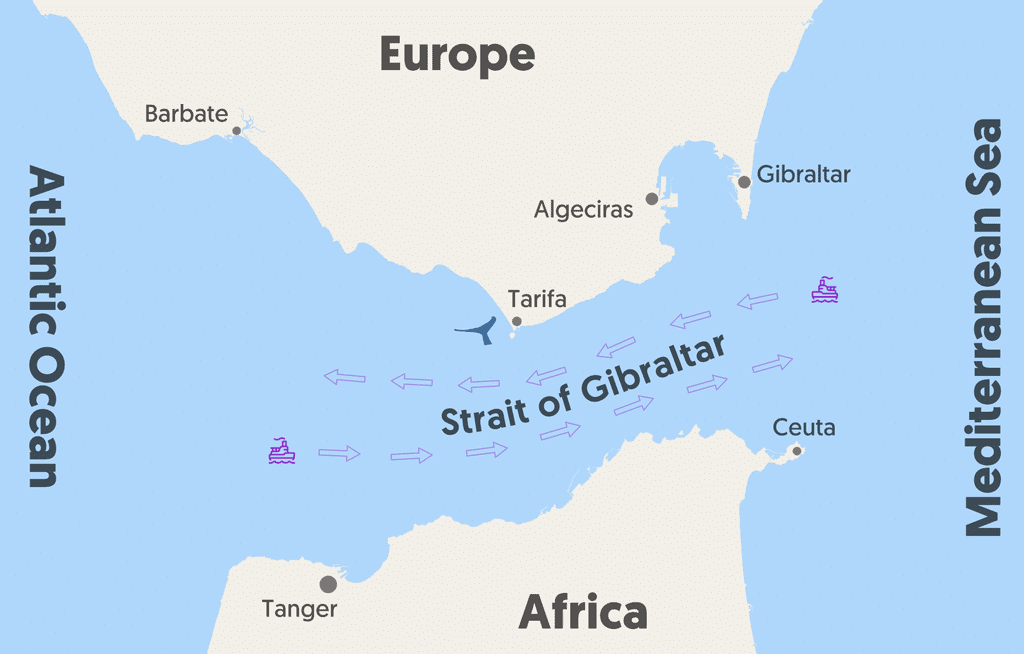
- The Iberian Peninsula: Located in the extreme southwest of Europe; includes Spain, Portugal, Andorra and Gibraltar. At the nearest point to Africa it is only about 8 km apart.
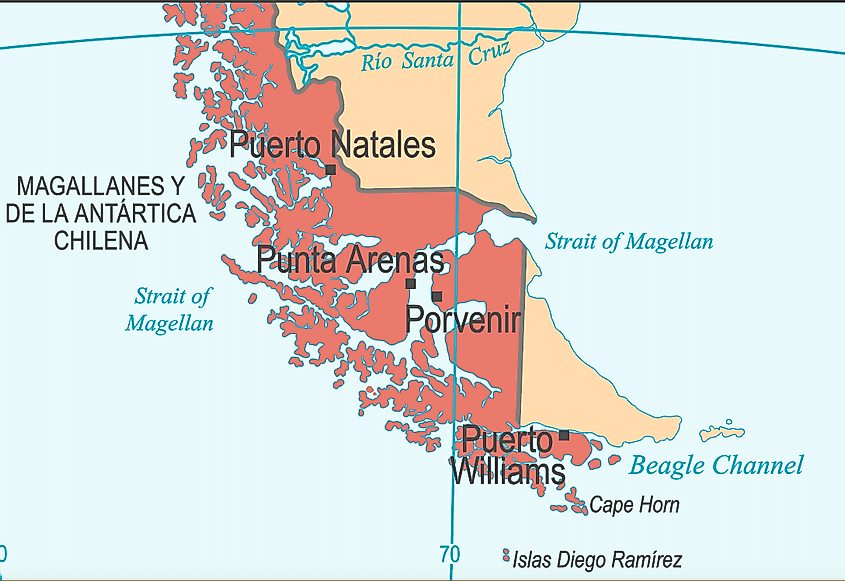
Magellan Strait
- Joins: Pacific Ocean and the South Atlantic Ocean
- Location: Southern tip of Chile (between mainland South America and Tierra del Fuego)
- Significance: Historic navigation route around South America before the Panama Canal; sheltered but narrow and complex for navigation.
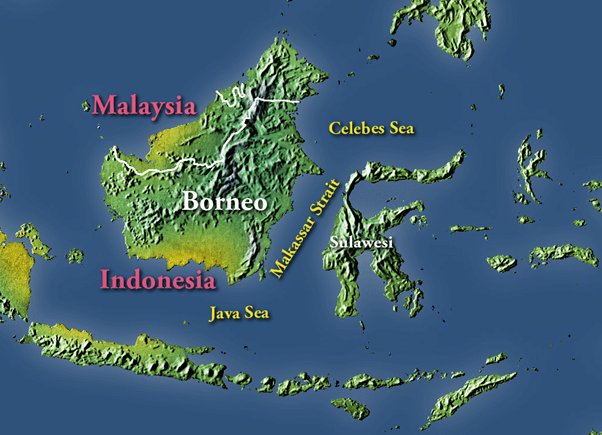
Makassar Strait
- Joins: Java Sea and the Celebes Sea
- Location: Indonesia (between Borneo and Sulawesi)
- Significance: Important passage in the Indonesian archipelago for inter-island shipping and regional sea traffic.
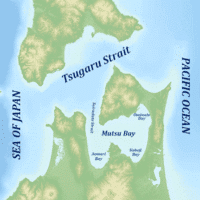
Tsugaru Strait
- Joins: Sea of Japan and the Pacific Ocean
- Location: Between the Japanese islands of Honshu and Hokkaido
- Significance: Important for domestic shipping and fisheries; subject to strong tidal currents and seasonal weather patterns.
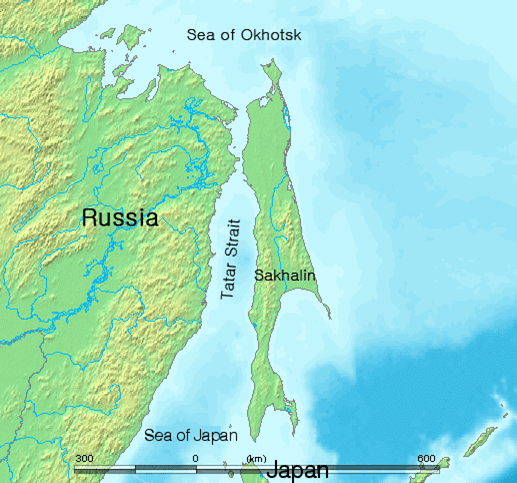
Tatar Strait
- Joins: Sea of Japan and the Sea of Okhotsk
- Location: Between mainland Russia (Primorsky Krai) and Sakhalin Island
- Significance: Regional shipping route and local fisheries; seasonal ice can influence navigation.
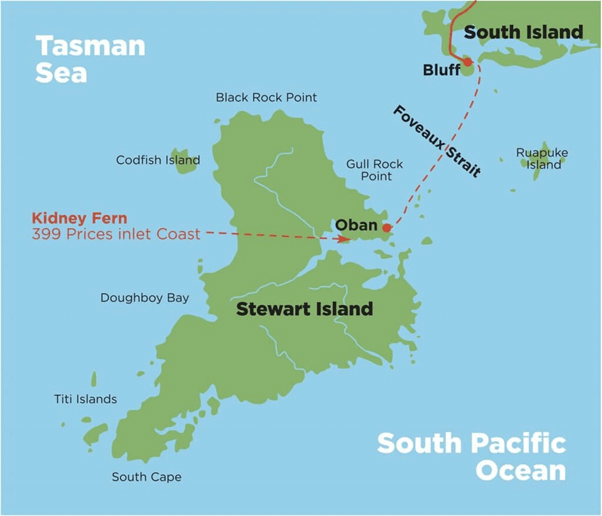
Foveaux Strait
- Joins: South Pacific Ocean (local waters)
- Location: Between New Zealand's South Island and Stewart Island / Rakiura
- Significance: Important for regional transport and fisheries; notable for local tidal flows.
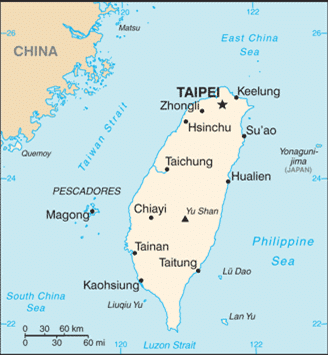
Taiwan Strait (Formosa Strait)
- Joins: South China Sea and East China Sea
- Location: Between mainland China and the island of Taiwan
- Significance: Key regional shipping lane and politically sensitive maritime area; important for regional trade and naval operations.
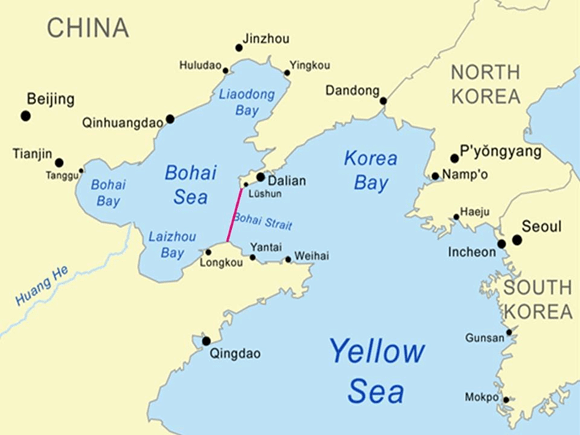
Bohai Strait
- Joins: The Bohai Sea (a north-western extension of the Yellow Sea) to the Yellow Sea
- Location: Northern China
- Significance: Access to major northern Chinese ports (e.g. Tianjin); limited depth affects ship sizes and navigation channels.
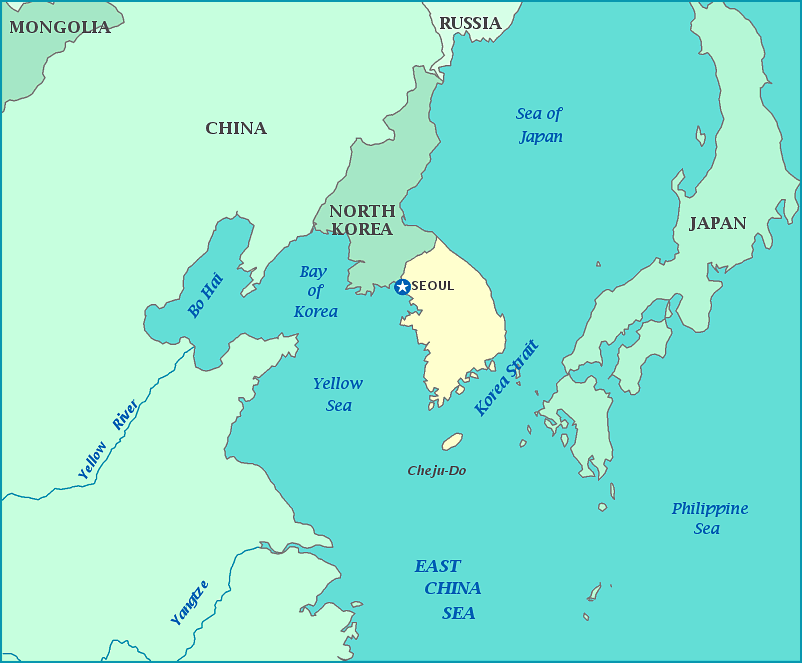
Korea Strait
- Joins: East China Sea and Sea of Japan (East Sea)
- Location: Between Japan (Kyushu, Tsushima) and South Korea
- Significance: Important regional sea route for shipping and fisheries.
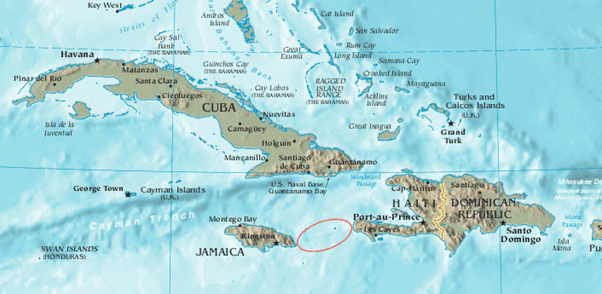
Jamaica Channel
- Joins: Caribbean Sea and the North Atlantic
- Location: Between Jamaica and the island of Hispaniola (Haiti and the Dominican Republic)
- Significance: Regional shipping channel and passage for international traffic between the Caribbean and Atlantic routes.
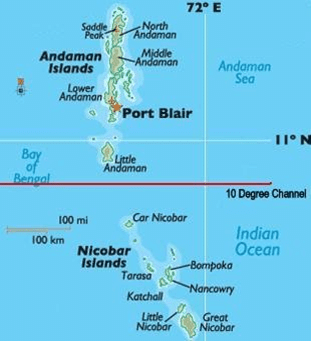
Ten Degree Channel
- Joins: Andaman Sea and the Bay of Bengal
- Location: Between the islands of Car Nicobar and Little Andaman in the Andaman & Nicobar chain
- Significance: Important for intra-archipelagic navigation and local connectivity.
English Channel
- Description: An arm of the Atlantic Ocean that separates southern England from northern France.
- Connection: Links to the southern part of the North Sea via the Strait of Dover (northeastern end).
- Significance: One of the busiest shipping areas in the world; contains major ports and the Channel Tunnel (tunnel under the seabed connecting the UK and France).
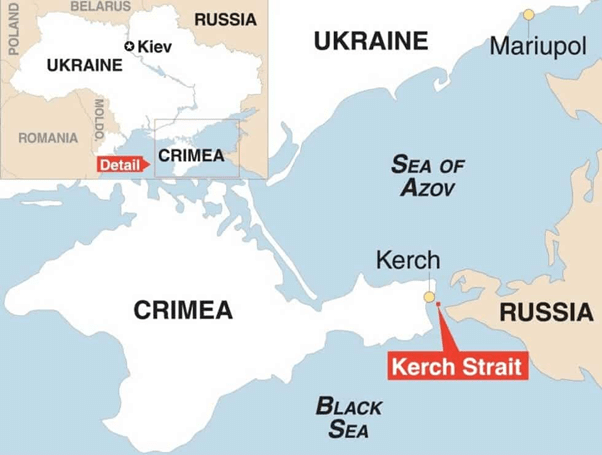
Kerch Strait
- Joins: Black Sea and the Sea of Azov
- Location: Between the Kerch Peninsula (Crimea) and the Taman Peninsula (Russia)
- Significance: Strategic access to the Sea of Azov; subject to geopolitical considerations and local navigation channels.
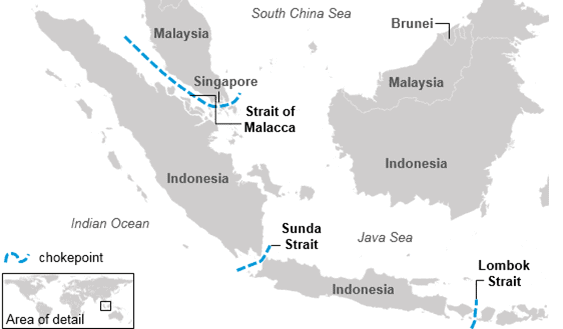
Straits of Lombok
- Joins: Java Sea and the Indian Ocean
- Location: Between the Indonesian islands of Bali and Lombok
- Significance: Alternative to the narrower and busier Strait of Malacca for some regional traffic.
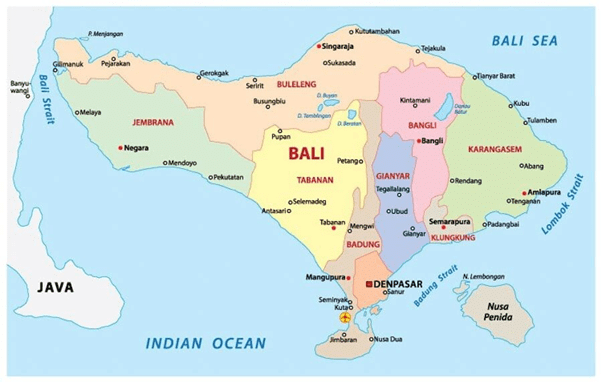
Bali Strait
- Joins: Bali Sea and the Indian Ocean
- Location: Between the Indonesian islands of Bali and Java
- Significance: Important for local inter-island navigation and tourism-related transport.
- Isthmus: A narrow strip of land with sea on either side, forming a link between two larger land areas.
- Example: The Isthmus of Panama links North and South America and separates the Pacific Ocean from the Caribbean Sea; affords the location for the Panama Canal (an artificial but strategic waterway).
Strategic Importance of Straits
Major straits are crucial for:
- Global trade: Many carry a large share of seaborne trade, including crude oil and containerised goods.
- Military strategy: Control over a strait can influence naval access and regional security.
- Regional economies: Ports, fisheries and coastal communities depend on strait waters.
- Oceanography and climate: They regulate exchange of water masses, heat and salinity between seas, affecting local and broader ocean circulation.
Engineering and Technical Relevance (CE, EE, CSE perspectives)
- Civil Engineering (CE): Straits are sites for major infrastructure - bridges (e.g., Bosphorus bridges), tunnels (e.g., Channel Tunnel under the English Channel / Strait of Dover area), port and harbour design, coastal protection, dredging and navigational channel engineering; CE must consider currents, seabed geology, sediment transport and environmental impact.
- Electrical Engineering (EE): Submarine power cables, maritime navigation lighting, radar and communication installations, coastal power supply and monitoring systems are relevant in strait regions; EE also contributes to offshore and port electrification and marine surveillance sensors.
- Computer Science & Engineering (CSE): Software systems for vessel traffic management (VTS), Automatic Identification Systems (AIS), maritime routing optimisation, port logistics, remote sensing data analysis and cyber-security for critical maritime infrastructure are important.
Navigation, Hazards and Conservation
- Navigation hazards: Narrow passages, tidal currents, shoals, reefs and heavy traffic increase the risk of collisions and groundings. Local meteorological and oceanographic knowledge is essential for safe navigation.
- Environmental concerns: Pollution, overfishing, invasive species transfer and habitat disturbance in straits can be severe due to concentrated shipping and coastal activities.
- Conservation and management: Many straits have marine protected areas or coastal parks to conserve biodiversity while balancing economic use.
10 Important Strategic Straits and Channels
- Strait of Gibraltar
- Bab-el-Mandeb Strait
- Strait of Hormuz
- Strait of Malacca
- Bosphorus Strait
- Bering Strait
- Strait of Magellan
- Strait of Messina
- Suez Canal (artificial but strategic)
- Panama Canal (artificial but strategic)
The document Major Straits of the world is a part of the UPSC Course Geography for UPSC CSE.
All you need of UPSC at this link: UPSC
FAQs on Major Straits of the world
| 1. What are the major straits of the world and why are they strategically important? |  |
Ans. Major straits like the Strait of Malacca, English Channel, Panama Canal Strait, and Strait of Hormuz are narrow waterways connecting larger bodies of water. They're strategically vital because they control global maritime trade routes, military passage, and geopolitical influence. Countries bordering these chokepoints significantly impact international commerce and security.
| 2. Which strait separates Europe from Africa and what's its geographical significance? | |
Ans. The Strait of Gibraltar separates Spain (Europe) from Morocco (Africa), connecting the Atlantic Ocean and Mediterranean Sea. It's one of the world's busiest shipping channels and holds immense geopolitical importance. Only 14 kilometres wide at its narrowest point, it controls access between Europe and North Africa.
| 3. How does the Strait of Malacca affect global shipping and international trade routes? | |
Ans. The Strait of Malacca, connecting the Indian Ocean and South China Sea between Malaysia and Indonesia, handles approximately 25% of global maritime trade. It's critical for oil transport from Middle East to East Asia and serves as a vital international waterway. Congestion or closure significantly disrupts worldwide commerce and energy supplies.
| 4. What makes the Strait of Hormuz such an important chokepoint for world energy security? | |
Ans. The Strait of Hormuz, between Iran and Oman, handles roughly 21% of global petroleum trade. Nearly one-third of maritime-traded oil passes through this narrow waterway connecting the Persian Gulf to the Arabian Sea. Any disruption threatens global energy markets, making it critically important for international economic stability.
| 5. Which straits form part of the Mediterranean and how do they connect different sea regions? | |
Ans. The Strait of Gibraltar connects the Atlantic Ocean to the Mediterranean, whilst the Strait of Messina separates Sicily from mainland Italy. The Dardanelles Strait links the Aegean Sea to the Sea of Marmara, and the Bosporus connects the Sea of Marmara to the Black Sea. These interconnected waterways facilitate regional and international maritime traffic.
About this Document

2.2K Views

4.65/5 Rating

Apr 18, 2026 Last updated
Related Exams
Document Description: Major Straits of the world for UPSC 2026 is part of Geography for UPSC CSE preparation. The notes and questions for Major Straits of the world have been prepared according to the UPSC exam syllabus. Information about Major Straits of the world covers topics like and Major Straits of the world Example, for UPSC 2026 Exam. Find important definitions, questions, notes, meanings, examples, exercises and tests below for Major Straits of the world.
Introduction of Major Straits of the world in English is available as part of our Geography for UPSC CSE for UPSC & Major Straits of the world in Hindi for Geography for UPSC CSE course. Download more important topics related with notes, lectures and mock test series for UPSC Exam by signing up for free. UPSC: Major Straits of the world
Description
Major Straits of the world of Geography covers all the important topics, helping you prepare for the UPSC exam on EduRev. Start for free!
Information about Major Straits of the world
In this doc you can find the meaning of Major Straits of the world defined & explained in the simplest way possible. Besides explaining types of Major Straits of the world theory, EduRev gives you an ample number of questions to practice Major Straits of the world tests, examples and also practice UPSC tests



Related Searches
Viva Questions, Semester Notes, Major Straits of the world, Sample Paper, video lectures, Summary, pdf , Major Straits of the world, Exam, shortcuts and tricks, Free, mock tests for examination, MCQs, Important questions, Previous Year Questions with Solutions, Major Straits of the world, Objective type Questions, Extra Questions, past year papers, ppt, practice quizzes, study material;