Unit Test (Solutions): The Story of Indian Farming

M.M: 30
Attempt all questions.
- Question numbers 1 to 5 carry 1 mark each.
- Question numbers 6 to 8 carry 2 marks each.
- Question numbers 9 to 11 carry 3 marks each.
- Question numbers 12 & 13 carry 5 marks each.
Q1. What is agriculture? Name one allied activity included under agriculture. (1 Mark)
Ans: Agriculture is the preparation of soil, the cultivation of crops, and the rearing of livestock.
One allied activity under agriculture is animal husbandry.
Q2. Which ancient civilisation practised intercropping at Kalibangan? (1 Mark)
(i) Mauryan civilisation
(ii) Harappan civilisation
(iii) Gupta civilisation
(iv) Mughal civilisation
Ans: (ii)
Explanation: Archaeological evidence from Kalibangan shows that the Harappans practised intercropping by growing more than one crop in the same field.
Q3. Fill in the blank:
The practice of growing different crops in different seasons to maintain soil fertility is called __________. (1 Mark)
Ans: Crop rotation.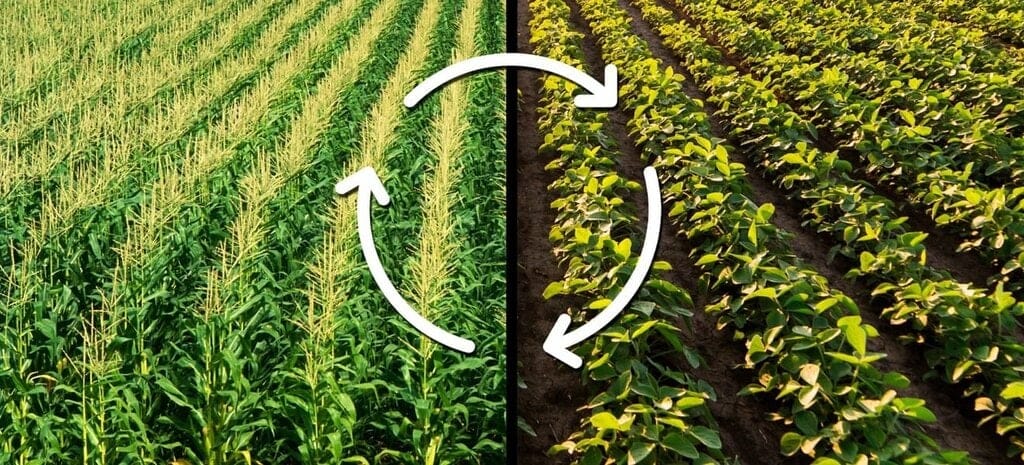
Q4. Which soil is also known as cotton soil? (1 Mark)
(i) Alluvial soil
(ii) Red soil
(iii) Black soil
(iv) Laterite soil
Ans: (iii)
Explanation: Black soil retains moisture and is ideal for growing cotton, which is why it is often referred to as cotton soil.
Q5. Name one modern method of irrigation used to save water. (1 Mark)
Ans: Drip irrigation.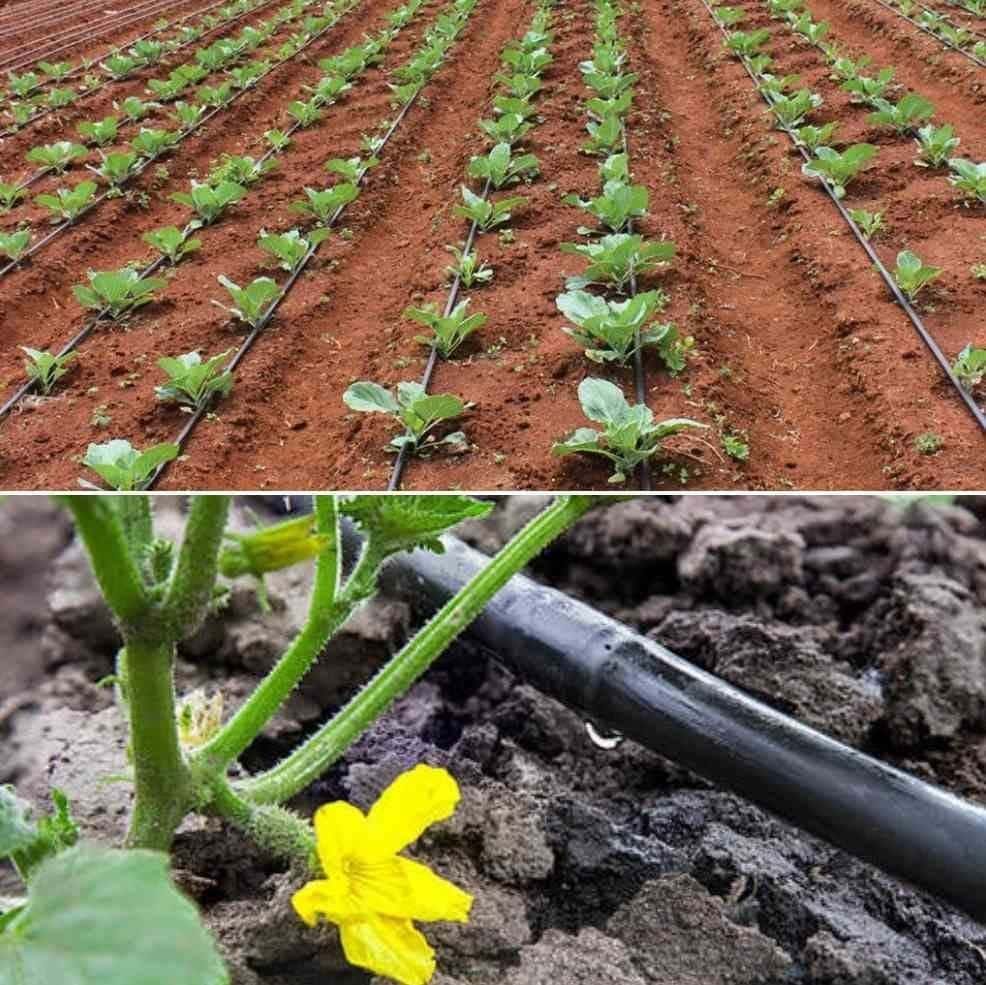
Q6. What is intercropping? Why is it useful? (2 Marks)
Ans: Intercropping is the practise of growing two or more crops together in the same field at the same time. It is useful because it reduces the risk of total crop failure, makes better use of available space, helps control weeds and pests, and can improve soil fertility when a legume (which adds nutrients) is included with other crops.
Q7. Name two traditional irrigation systems used in India. (2 Marks)
Ans: Phad system and bamboo drip irrigation are two traditional irrigation systems used in India.
Q8. What is humus and why is it important for soil? (2 Marks)
Ans: Humus is the dark, stable organic matter formed when dead plants and animals decompose. It is important because it adds nutrients to the soil, improves soil structure, helps the soil hold water, and supports beneficial soil organisms that keep the soil fertile.
Q9. Explain the importance of monsoon rainfall for Indian agriculture. (3 Marks)
Ans: Monsoon rainfall is important for Indian agriculture because:
- It provides the main source of water for kharif crops such as rice and maize, which are sown with the onset of the monsoon.
- It replenishes rivers, ponds and groundwater that farmers use for irrigation during other seasons.
- Timely and adequate monsoon rains lead to good crop yields, while delayed or uneven rains can cause droughts or floods and result in crop loss.
Q10. Describe any three features of black soil. (3 Marks)
Ans: Black soil has the following features:
- It is formed from the weathering of volcanic rocks (basalt), giving it a dark colour.
- It has a clayey texture and can retain moisture for a long time, which is useful in dry periods.
- It is fertile and well suited to crops such as cotton, wheat and sugarcane because of its moisture-holding capacity and nutrients.
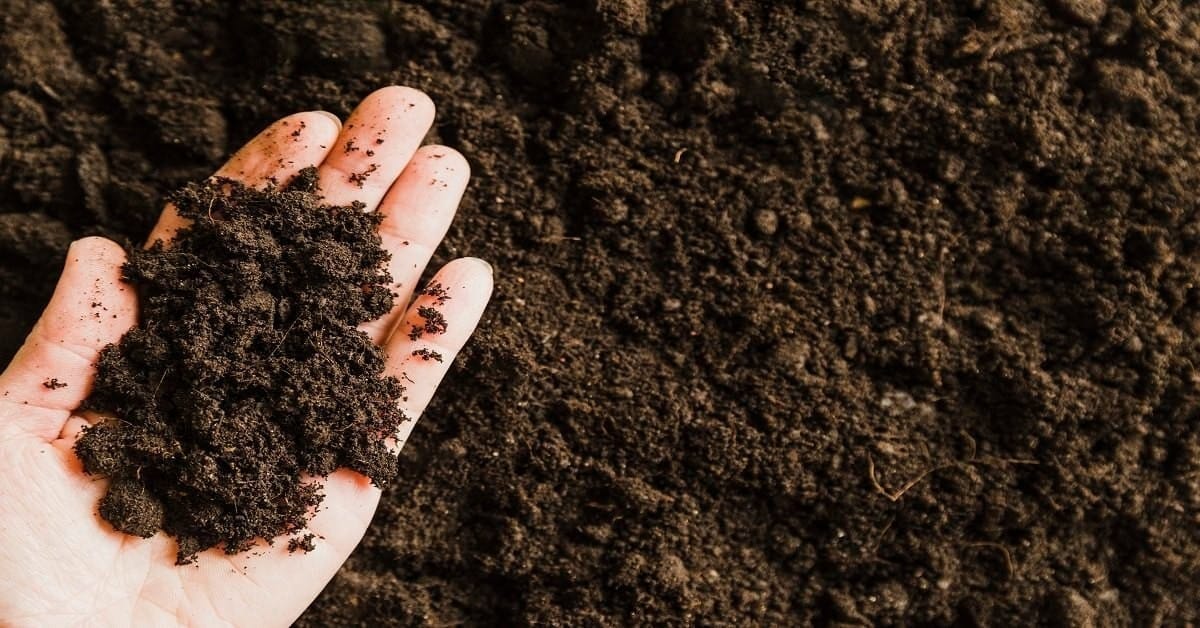 Black Soil
Q11. What were the main features of the Green Revolution in India? (3 Marks)
Ans: The main features of the Green Revolution were:
- Use of high-yielding variety (HYV) seeds.
- Increased use of irrigation and chemical fertilisers.
- Use of modern machines like tractors and harvesters.
Q12. Explain different cropping seasons in India. (5 Marks)
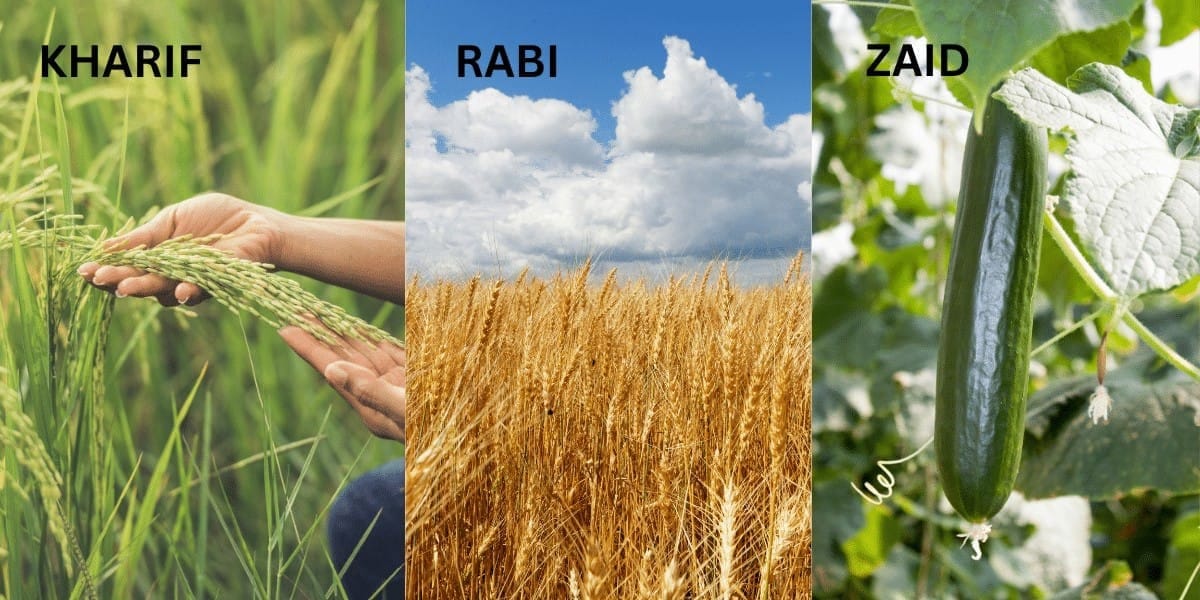
Ans: Indian agriculture follows three main cropping seasons:
- Kharif season: Crops are sown with the onset of the monsoon in June-July and harvested in September-October. Examples include rice, maize, cotton and groundnut. These crops need hot weather and abundant rainfall during growth.
- Rabi season: Crops are sown in October-November after the monsoon and harvested in March-April. Examples include wheat, barley, gram and mustard. These crops grow in cooler months and require less water than kharif crops.
- Zaid season: These are short-season summer crops grown between the rabi and kharif seasons. Examples include watermelon, cucumber and muskmelon; they are usually grown where irrigation is available.
Q13. Discuss the major challenges faced by Indian farmers today. (5 Marks)
Ans: Indian farmers face several major challenges today:
- Small landholdings: Many farms are very small because land is divided over generations; this limits the ability to use machines and to earn enough from farming.
- Climate change: Unpredictable weather, such as late monsoons, droughts or heavy floods, damages crops and reduces yields.
- Water stress: Overuse of groundwater and lower river flows have reduced water available for irrigation, making farming less reliable.
- Debt trap: Farmers often borrow money to buy seeds, fertilisers and equipment; crop failure or low prices can make it hard to repay these loans.
- Low income: Rising costs of inputs and problems in accessing fair markets reduce farmers' earnings, making agriculture less profitable and sustainable.
FAQs on Unit Test (Solutions): The Story of Indian Farming
| 1. What are the main types of farming practised in India? |  |
| 2. How does the monsoon affect farming in India? | |
| 3. What are some of the challenges faced by Indian farmers? | |
| 4. What role do government policies play in Indian agriculture? | |
| 5. How has technology influenced farming practices in India? | |




