Worksheet Solutions: Earth, Moon, and the Sun

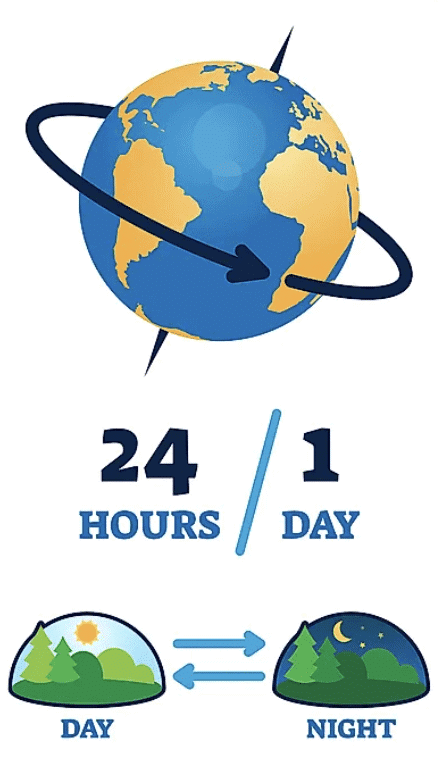
MCQ Questions
Q1: The Earth rotates on its axis in approximately how many hours?
a) 12 hours
b) 24 hours
c) 48 hours
d) 365 days
Ans: (b)
Explanation: The Earth completes one full rotation about its axis in roughly 24 hours. This rotation causes different parts of the Earth to face the Sun at different times, producing the regular cycle of day and night. Therefore option (b) is correct.
Q2: What causes the day and night cycle on Earth?
a) The Earth's revolution around the Sun
b) The Earth's rotation on its axis
c) The Sun's movement across the sky
d) The Moon's orbit around the Earth
Ans: (b)
Explanation: The cycle of day and night is caused by the Earth's rotation on its axis. As Earth turns, some places face the Sun (day) while others are turned away (night). The Earth's revolution around the Sun affects seasons, not the daily cycle.
Q3: Which direction does the Earth rotate in?
a) From East to West
b) From West to East
c) From North to South
d) From South to North
Ans: (b)
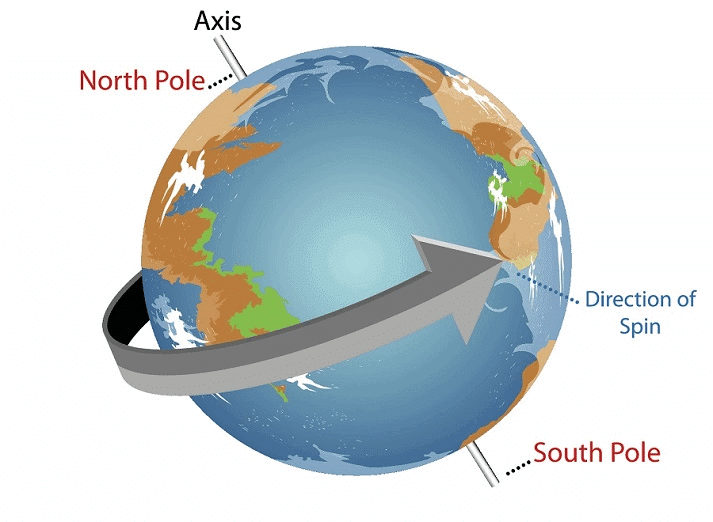
Explanation: The Earth rotates from west to east. This apparent motion makes the Sun, Moon and stars appear to rise in the east and set in the west when observed from Earth.
Q4: A total solar eclipse occurs when:
a) The Earth moves between the Moon and the Sun
b) The Moon moves between the Earth and the Sun
c) The Sun moves between the Earth and the Moon
d) The Earth moves away from the Sun
Ans: (b)
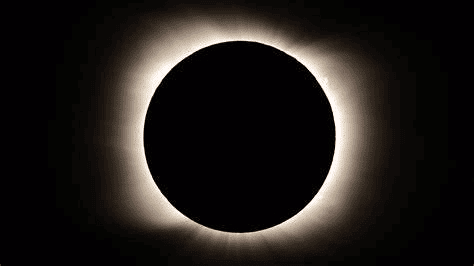
Explanation: A solar eclipse happens when the Moon passes between the Earth and the Sun, blocking the Sun's light from reaching parts of the Earth. If the Moon fully covers the Sun for an observer, a total solar eclipse is seen; if only part is covered, it is a partial eclipse.
Q5: Why do we experience different seasons on Earth?
a) Due to the Earth's rotation
b) Due to the tilt of the Earth's axis
c) Due to the Moon's position
d) Due to the Earth's distance from the Sun
Ans: (b)
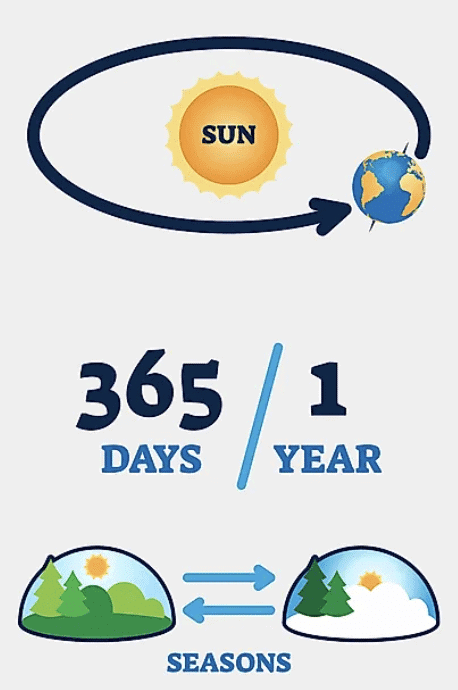
Explanation: Different seasons occur because the Earth's axis is tilted by about 23.5° to the plane of its orbit. As the Earth revolves around the Sun, this tilt makes different hemispheres receive more direct sunlight at different times of the year, producing spring, summer, autumn and winter.
Fill in the Blanks
Q1: The Earth completes one revolution around the Sun in __________ days.
Ans: 365 days
Q2: The Earth's axis is tilted at an angle of __________ degrees with respect to its orbit.
Ans: 23.5 degrees
Q3: The Moon can block sunlight from reaching the Earth, causing a __________ eclipse.
Ans: solar
Q4: The Sun rises in the __________ and sets in the __________.
Ans: East, West
Q5: During a lunar eclipse, the Earth comes between the __________ and the Moon.
Ans: Sun
True/False Questions
Q1: The Earth's rotation causes the cycle of day and night.
Ans: True
Explanation: The Earth rotates on its axis once every ~24 hours, so different parts of the planet face the Sun at different times. This rotation produces the regular change between day and night.
Q2: During a solar eclipse, the Earth moves between the Sun and the Moon.
Ans: False
Explanation: A solar eclipse occurs when the Moon moves between the Sun and the Earth, casting a shadow on Earth. The statement is incorrect because it reverses the order.
Q3: The Moon is larger than the Sun, so it can block the Sun's light completely during a solar eclipse.
Ans: False
Explanation: The Moon is much smaller than the Sun, but because it is much closer to Earth, it can appear nearly the same size as the Sun in the sky and can block its light. The reason it can block the Sun is due to relative sizes and distances, not because the Moon is larger.
Q4: The Sun's light gets blocked during a lunar eclipse.
Ans: True
Explanation: During a lunar eclipse, the Earth comes between the Sun and the Moon. The Earth blocks sunlight from reaching the Moon, so the Moon moves into Earth's shadow and appears darkened.
Q5: The tilt of the Earth's axis is responsible for the changing seasons.
Ans: True
Explanation: Because the Earth's axis is tilted, different parts of the Earth receive varying amounts of direct sunlight as the planet revolves around the Sun. This changing distribution of sunlight produces the seasons.
Very Short Answer Questions
Q1: What is the cause of the apparent motion of the Sun in the sky?
Ans: The apparent motion of the Sun is caused by the Earth's rotation on its axis. As Earth turns, the Sun appears to move across the sky from east to west.
Q2: Why do we experience different seasons on Earth?
Ans: Seasons occur because the Earth's axis is tilted at about 23.5°. As the Earth revolves around the Sun, this tilt makes different hemispheres receive more or less direct sunlight at different times of the year.
Q3: What is a solar eclipse?
Ans: A solar eclipse happens when the Moon passes between the Earth and the Sun, blocking the Sun's light from reaching part of the Earth.
Q4: What is a lunar eclipse?
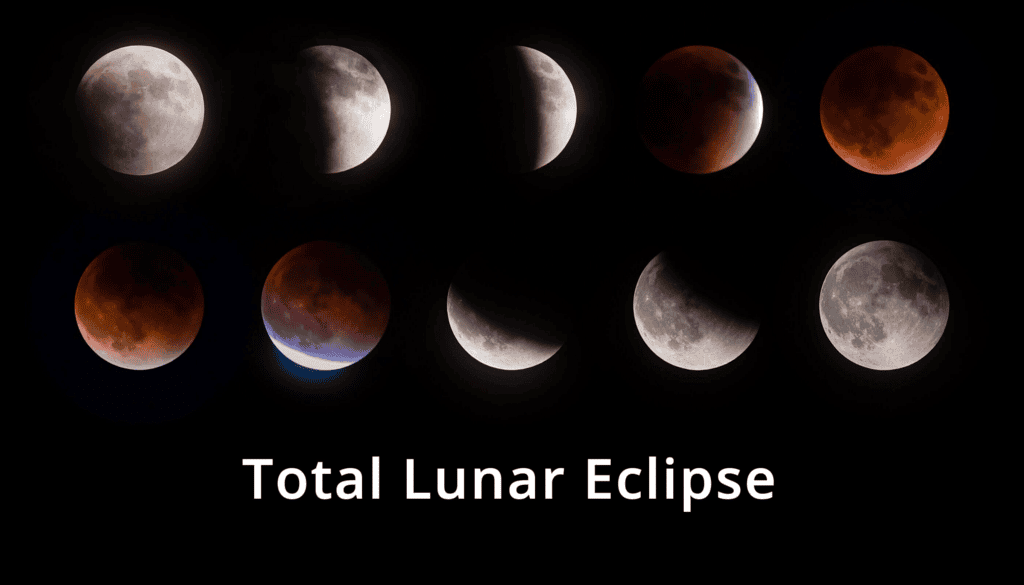
Ans: A lunar eclipse occurs when the Earth comes between the Sun and the Moon, and the Earth's shadow falls on the Moon.
Q5: In which direction does the Earth rotate?
Ans: The Earth rotates from West to East.
Long Answer Questions
Q1: Explain the phenomenon of day and night on Earth.
Ans: Day and night occur because the Earth rotates on its axis. As the Earth spins, one half of the planet faces the Sun and receives sunlight, producing day, while the opposite half is turned away and is in darkness, producing night. One complete rotation takes about 24 hours, so this rotation produces the regular cycle of day and night every day.
Q2: Describe the process of a solar eclipse and how it occurs.
Ans: A solar eclipse happens when the Moon passes between the Earth and the Sun, so the Moon blocks some or all of the Sun's light from reaching Earth. If the Moon completely covers the Sun as seen from a location on Earth, a total solar eclipse is observed. If only a portion of the Sun is covered, it is a partial solar eclipse. The area on Earth that experiences the eclipse depends on the alignment of the Sun, Moon and Earth.
Q3: What is the effect of the Earth's tilt on the seasons?
Ans: The Earth's axis is tilted about 23.5° relative to its orbital plane. Because of this tilt, as Earth revolves around the Sun, one hemisphere is tilted toward the Sun for part of the year and receives more direct sunlight and longer days - this is summer for that hemisphere. Six months later, that hemisphere is tilted away and receives less direct sunlight and shorter days - this is winter. The variation in sunlight and day length produces the four seasons.
Q4: How does the Earth's rotation lead to the apparent motion of stars in the sky?
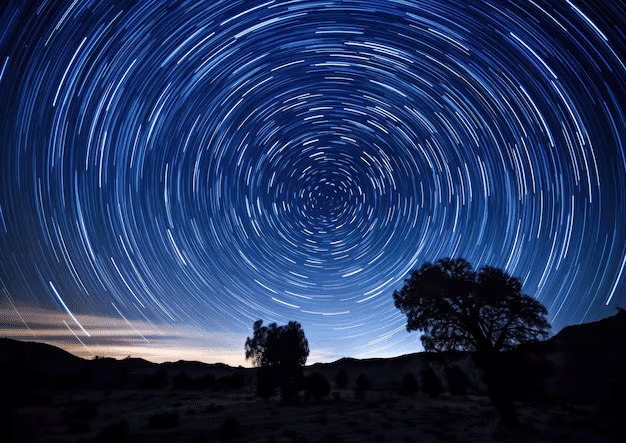
Ans: Because the Earth rotates, the sky appears to turn in the opposite direction. Stars seem to move from east to west across the sky each night. In the Northern Hemisphere, stars appear to circle around the North Star (Polaris), which remains nearly fixed in position. This apparent motion is a result of our rotating viewpoint on Earth.
Q5: What are the differences between a solar eclipse and a lunar eclipse?
Ans:
- Cause: A solar eclipse occurs when the Moon comes between the Sun and the Earth. A lunar eclipse occurs when the Earth comes between the Sun and the Moon.
- Visibility: A solar eclipse is visible only from a limited area on Earth where the Moon's shadow falls. A lunar eclipse can be seen from any place on the night side of Earth and therefore is visible to a much larger area.
- When it occurs: A solar eclipse happens at new moon; a lunar eclipse happens at full moon.
- Appearance: During a total solar eclipse the Sun is briefly hidden; during a lunar eclipse the Moon may appear dark or reddish as it moves into Earth's shadow.
FAQs on Worksheet Solutions: Earth, Moon, and the Sun
| 1. What are the primary differences between the Earth, Moon, and Sun? |  |
| 2. How does the position of the Earth, Moon, and Sun affect the occurrence of eclipses? | |
| 3. Why do we experience different seasons on Earth? | |
| 4. What is the significance of the Moon's phases? | |
| 5. How do the Earth, Moon, and Sun interact in terms of gravitational forces? | |