CBSE Class 1  >  Class 1 Notes  >  EVS  >  Worksheet: Plants Around Us - 1

Worksheet: Plants Around Us - 1

Q1: Fill in the blanks using the correct word from the brackets:

(i) _________ are plants that can grow the biggest. (Trees/Shrubs)

(ii) _________ take support from another plant or tree. (Climbers/Creepers)

(iii) _________ spread on the ground. (Climbers/Creepers)

(iv) _________ have a soft, green stem. (Herbs/Shrubs)

(v)_________ are small, bushy plants. (Herbs/Shrubs)

Q2: True or False

(i) Trees are the tallest and the strongest plants.

(ii) Herbs are stronger than shrubs.

(iii) Climbers have trunks.

(iv) Rose plant grows in water.
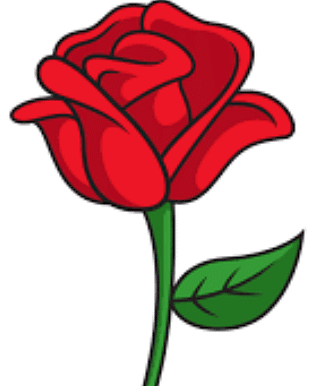
Q2: True or False

(v) The Tulsi plant is an herb.

Q3: Give two examples of each:

(i) Herb ______ ______

(ii) Shrub ______ ______

(iii) Climber ______ ______

(iv) Creeper ______ ______

(v) Water Plant ______ _____

Q4: Identify these as herb/shrub/tree.
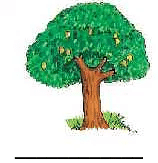
Q4: Identify these as herb/shrub/tree.
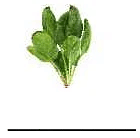
Q4: Identify these as herb/shrub/tree.
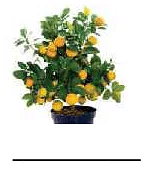
Q4: Identify these as herb/shrub/tree.

Q5: Answer the following questions

(i) Name different types of plants.

(ii) How is a shrub different from a herb?

(iii) Why don't climbers and creepers grow upright?

(iv) How is a climber different from a creeper?

(v) What are water plants? Give examples.

The solutions of the worksheet "Plants Around Us - 1"

The document Worksheet: Plants Around Us - 1 is a part of the Class 1 Course EVS for Class 1.
All you need of Class 1 at this link: Class 1

FAQs on Worksheet: Plants Around Us - 1

1. What are the different types of plants we see around us in Class 1 EVS?
Ans. Plants are broadly classified into herbs, shrubs, and trees based on their size and stem structure. Herbs are small plants with soft green stems, shrubs are medium-sized woody plants, and trees are tall plants with thick, hard trunks. Students learn to identify these plant varieties in their surroundings like gardens, parks, and roadsides. Understanding plant classification helps children recognise vegetation in their neighbourhood and appreciate biodiversity around them.
2. How do I identify different parts of a plant for Class 1 worksheets on plants around us?
Ans. Plant parts include roots, stems, leaves, flowers, and fruits. Roots absorb water and nutrients from soil, stems support the plant, leaves make food through sunlight, flowers bloom in colours, and fruits contain seeds. For CBSE Class 1 EVS, students observe and label these parts in diagrams and actual plants. Visual identification through sketching and touching different plant organs helps young learners develop observational skills and botanical vocabulary.
3. What plants grow in my house and garden that I should know for my EVS class?
Ans. Common domestic plants include tulsi, neem, rose, marigold, mint, and money plant. These indoor and outdoor plants are easily found in Indian homes and gardens. Students observe these plants' characteristics, growth patterns, and uses in daily life. Learning about plants around home develops environmental awareness and helps children understand how vegetation provides food, medicine, oxygen, and beauty to their immediate surroundings.
4. Why do plants need sunlight, water, and soil according to Class 1 plant worksheets?
Ans. Sunlight provides energy for photosynthesis, water dissolves nutrients, and soil supplies minerals essential for plant growth. Plants cannot survive without these three basic requirements. Through observation activities in Class 1 EVS, students learn that plants need proper conditions to grow healthy and green. This foundational concept explains why plants are placed near windows, watered regularly, and grown in nutrient-rich soil at home and schools.
5. What is the difference between indoor plants and outdoor plants for my Class 1 nature study?
Ans. Indoor plants like pothos and snake plant thrive with less sunlight inside homes, while outdoor plants like neem and mango need direct sunlight and open space. Indoor plants improve air quality indoors, whereas outdoor plants provide shade, food, and oxygen to the environment. CBSE Class 1 students learn to differentiate based on where plants naturally grow and their adaptation to different light and space conditions. Refer to mind maps and visual worksheets on EduRev to compare plant habitats effectively.
Explore Courses for Class 1 exam
Get EduRev Notes directly in your Google search
Related Searches
Free, Worksheet: Plants Around Us - 1, study material, Sample Paper, Summary, Exam, MCQs, Viva Questions, pdf , mock tests for examination, ppt, Extra Questions, Previous Year Questions with Solutions, Semester Notes, Worksheet: Plants Around Us - 1, Objective type Questions, past year papers, Important questions, practice quizzes, Worksheet: Plants Around Us - 1, shortcuts and tricks, video lectures;