Worksheet Solutions: Precious Water - 1

Q1: Fill in the blanks
(i) Water is precious, so we must not _____ it.
(ii) We cannot _____ without water.
(iii) Drinking dirty water is bad for our _____ .
(iv) We should _____ water to make it germ free.
(v) _____ is stored in tanks.
(vi) Ponds and lakes are filled by _____ water.
(vii) _____ bring rain on earth.
Ans:
(i) Water is precious, so we must not waste it.
(ii) We cannot live without water.
(iii) Drinking dirty water is bad for our health.
(iv) We should clean/purify water to make it germ free.
(v) Water is stored in tanks.
(vi) Ponds and lakes are filled by fresh water.
(vii) Evaporation bring rain on earth.
Edurev Tips:
- Water is precious, we should not waste it.
- We need water to survive, we cannot live without water.
- Drinking dirty water can cause diseases.
- We should clean water before drinking it.
- Water is stored in tanks for various purposes.
- A pond/lake is a small area of still, fresh water.
- Rain is droplets of water that are condensed as a result of evaporation.
Q2: True or False
(i) Water in a river comes from mountains.
(ii) All living things need water.
(iii) Water is precious.
(iv) Water is needed only for drinking.
(v) Plants and animals do not need water to live.
(vi) Rain water fills up wells, rivers and lakes.
Ans:
(i) True
(ii) True
(iii) True
(iv) False
(v) False
(vi) True
EduRev Tips:
- Rivers originate in the mountains.
- All living things need water to survive.
- Water is precious, we should not waste it.
- We need water for bathing, washing clothes, utensils, etc.
- All living things need water to survive.
- Rain water fills up ponds, lakes etc.
Q3: Multiple Choice Question (MCQs)
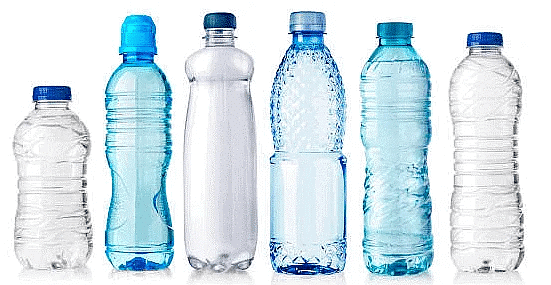
(i) At home, you can store drinking water in a:
(a) dustbin
(b) flowerpot
(c) bottle
(d) small cup
Ans: (c)
At home, we can store water in bottles, mud pots etc.
(ii) We use water for:
(a) dancing
(b) drinking
(c) throwing
(d) wasting
Ans: (b)
We need water for drinking, bathing, washing clothes, utensils, etc.
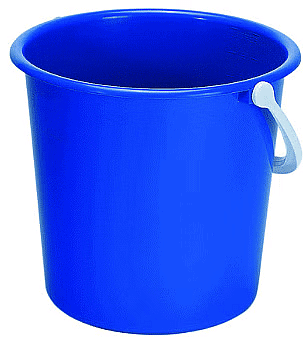
(iii) We can store water in:
(a) buckets
(b) tubes
(c) cups
(d) spoons
Ans: (a)
We can save water in tubs, buckets, tanks etc.
(iv) People in villages use water from:
(a) wells
(b) drains
(c) pots
(d) glass
Ans: (a)
People living in villages use well water.
(v) Rain water fills:
(a) lakes
(b) glasses
(c) wells
(d) tubes
Ans: (a)
Rain is a source of natural water, it fills ponds, rivers, lakes etc.
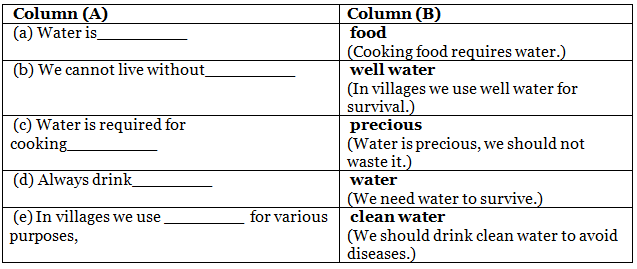
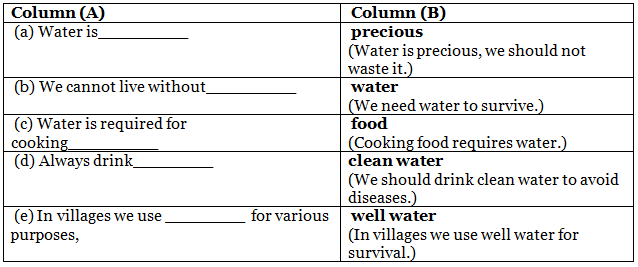
Q4: Match the Column
 Ans:
Ans:
Q5: Answer the following questions:
(i) Why do we need water?
Ans: Water is a basic need for living things. We need water for drinking, cooking, bathing, washing etc. water is precious.
(ii) What do plants need water for?
Ans: Plants, like all living things, have basic needs that must be met for them to survive. These needs include: light, air, water etc.
(iii) How can water be stored?
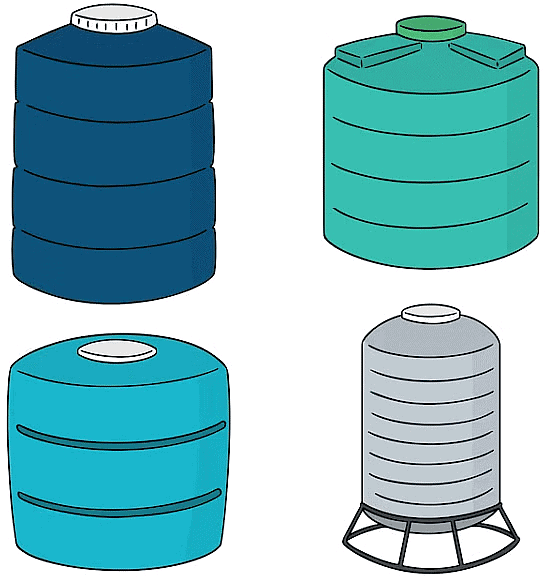
Ans: Water can be stored for future use. It can be stored in bottles, tubs, buckets, tanks etc.
 (iv) Write three uses of water in our daily life.
Ans: Three uses of water:
- Drinking
- Washing clothes
- Washing utensils
(v) Why should we not waste water?
Ans: Water is very precious and limited. We should not waste water.
FAQs on Worksheet Solutions: Precious Water - 1
| 1. Why is water called precious and what makes it so important for life? |  |
| 2. How much of Earth's water can we actually use for drinking and household needs? | |
| 3. What are the main sources of fresh water that people depend on for survival? | |
| 4. What happens to water when we waste it and why should Class 1 students care about saving water? | |
| 5. How can families and communities reduce water wastage in their daily routines? | |