Chapter Notes: Transportation


What is Transportation?
Transportation means moving people or things from one place to another.
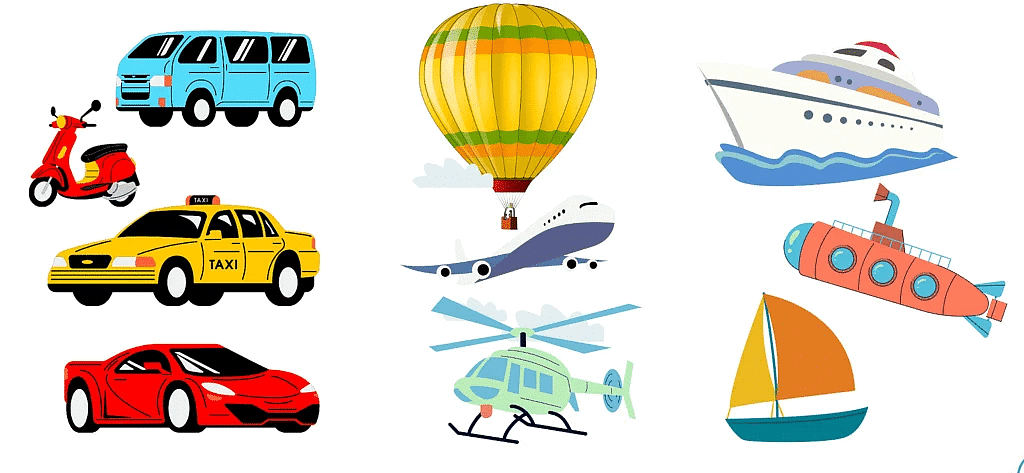 Different Modes of Transport
- It helps us go to school, visit family, or send gifts to different places.
- We use different types of transport on land, water, and air.
What are the different Means of Transport?
Means of transport or modes of transport are the various ways by which people and goods can travel.
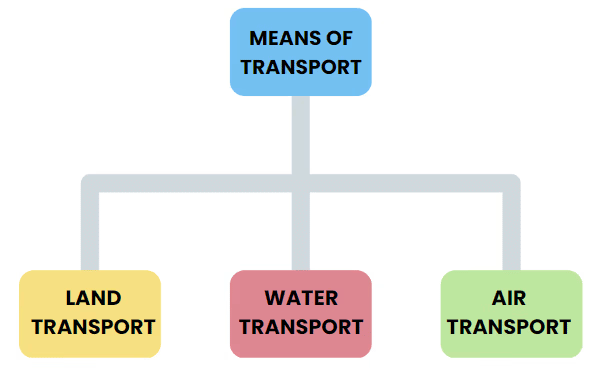
There are three main types:
- Land Transport - for example, cars, buses, trains, bicycles, and bullock carts.
- Water Transport - for example, boats, ships, and ferries that move on rivers, lakes, and oceans.
- Air Transport - for example, aeroplanes and helicopters that fly in the sky.
No matter where we go, by road, water, or air, transport helps us reach our destination.
Let's learn more about each type of transport.
Land Transport
The transport that runs only on land is called land transport. This mode of transport is divided into two parts: roadways and railways.
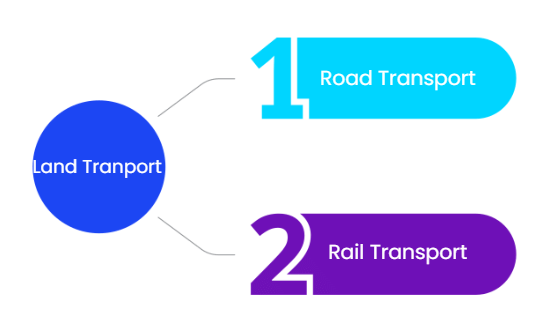
1. Road Transport
- Roads are like wide paths made of solid ground for vehicles to travel.
- Cars, buses, and bicycles use roads to move people from one place to another.
- Just like how people use sidewalks, vehicles use roads to go to school, the park, or to visit friends.
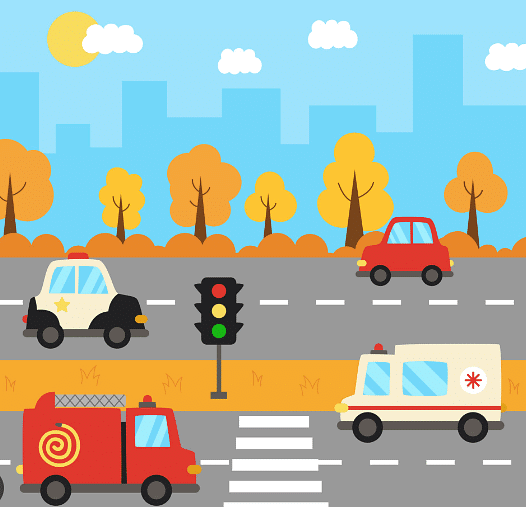 Road Transport
- Trucks, buses, cars, bicycles, rickshaws, motorcycles, tongas, and bullock-carts are examples of road transport.
- There is a large network of roads in our country that connects towns and villages.
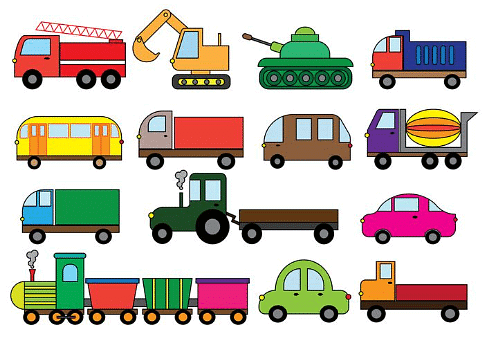 Different modes of land transport
2. Rail Transport
Railways are long strips of metal tracks laid on the ground. Trains run on these tracks.
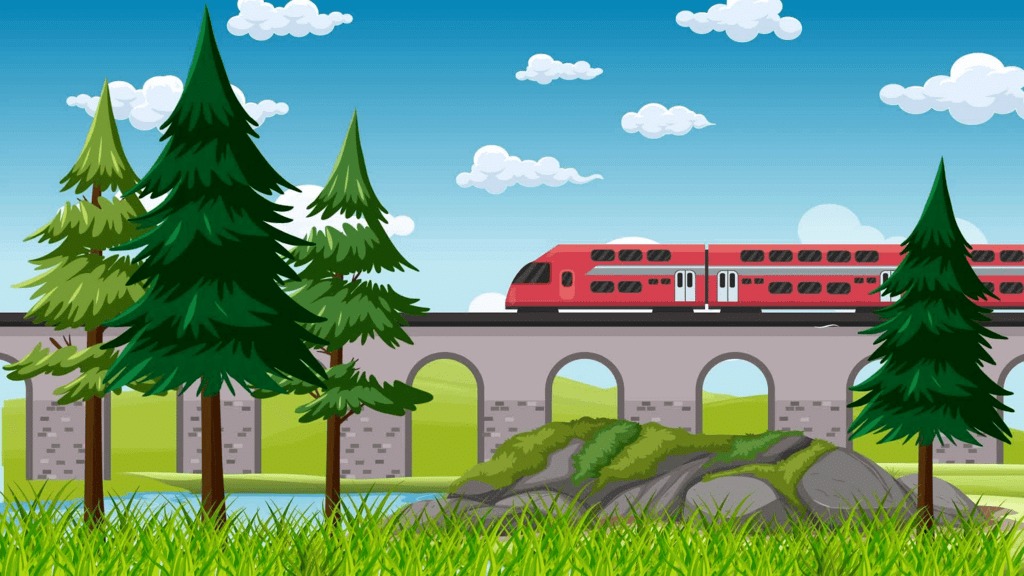 Rail Transport
- When we have to travel long distances within the country, we often use railways.
- Trains run on railway tracks and can carry many people and heavy goods.
- Indian Railways is one of the largest rail networks in the world.
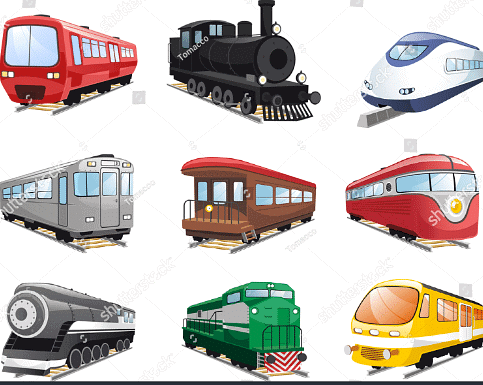 Different modes of rail transport
Water Transport
Water transport is a way of moving people or goods by water.
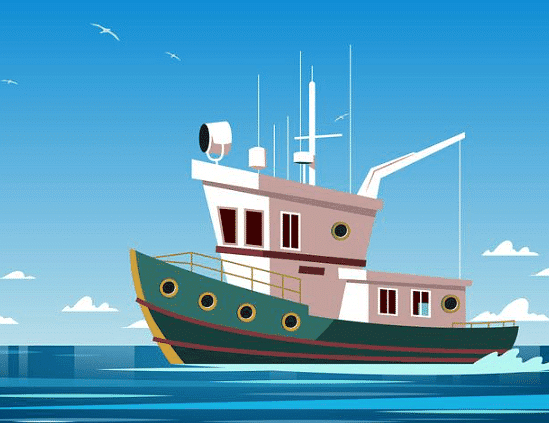 Water Transport
- It includes different types of vessels like boats, ships, and ferries. These vessels travel across oceans, rivers, lakes, and canals.
- Water transport is important for trade, travel, and recreation.
- It allows us to move large quantities of goods over long distances and is often used for fishing, tourism, and transporting goods between countries.
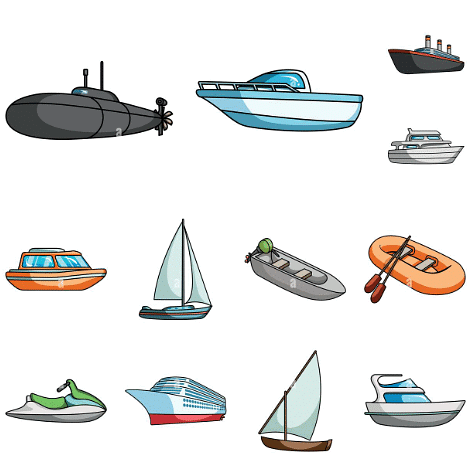 Different modes of water transport
Air Transport
Some means of transport move in the air only. Air travel is the most expensive but the fastest way to travel.
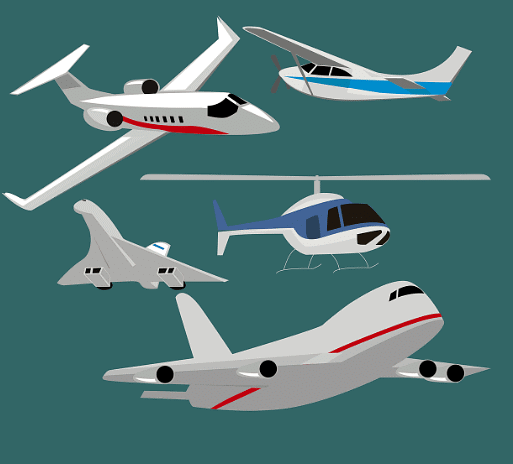 Air Transport
- Aeroplanes and helicopters are common means of air transport.
- We can travel by an aeroplane when we have to go to another city or another country quickly.
- Airplanes, jet aircraft, helicopters, hot air balloons, blimps, gliders, hang gliders, and parachutes are some examples of air transport.
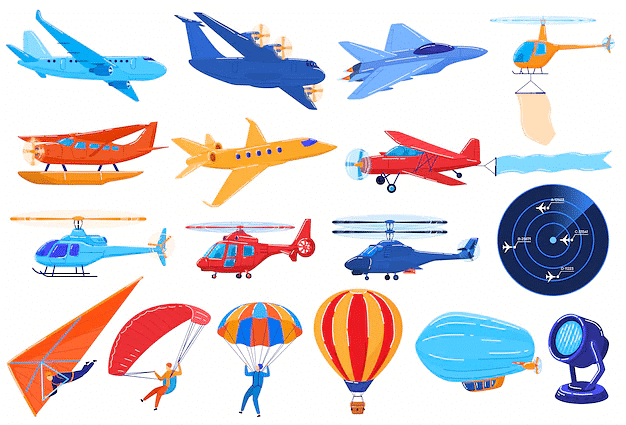 Different modes of air transport
Safety and Simple Rules for Travelling
- Always wear a seat belt when travelling by car and sit quietly so the driver is not disturbed.
- Use a helmet when riding a bicycle or motorcycle to protect your head.
- When waiting for a bus or train, stand at a safe distance from the road or platform edge.
- Listen to adults and follow the instructions of drivers, guards, or crew when travelling by train, bus, ship, or plane.
- Do not throw things out of vehicle windows and dispose of litter properly.
Summary: Transportation
- Transportation moves people and goods from one place to another.
- There are three main types of transportation: land, water, and air.
- Land transport includes road vehicles like cars and buses and rail transport like trains.
- Water transport includes boats, ships, and ferries.
- Air transport includes aeroplanes and helicopters.
- Transportation helps people travel and move things easily and is part of our daily life.
FAQs on Chapter Notes: Transportation
| 1. What are the different types of vehicles used for transportation in Class 2 EVS? |  |
| 2. How do public transport systems help people in cities for Class 2 students? | |
| 3. Why do we need traffic rules and safety signs on roads? | |
| 4. What's the difference between public transport and private vehicles for daily travel? | |
| 5. How do we use vehicles safely as passengers in Class 2? | |