CBSE Class 1 > Class 1 Notes > EVS > Chapter Notes: Myself
Chapter Notes: Myself


What is "Myself"?
"Myself" is all about who you are!It includes your name, age, likes, dislikes, family, and the special things that make you unique and different from others.
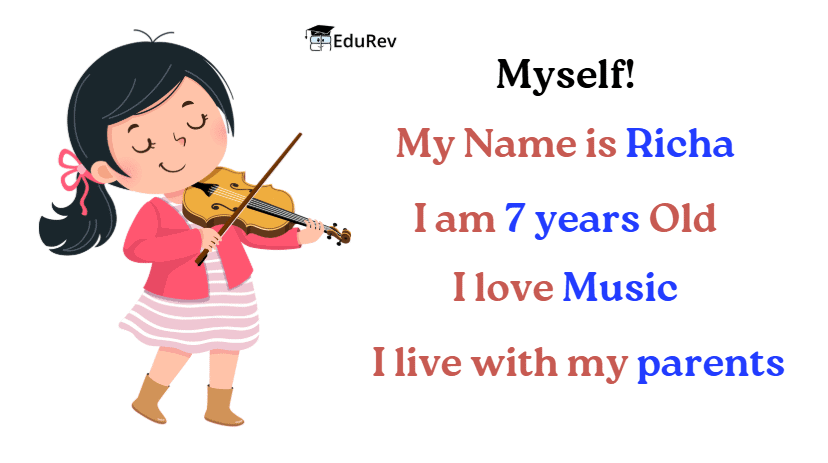
Name and Age
Your Name:
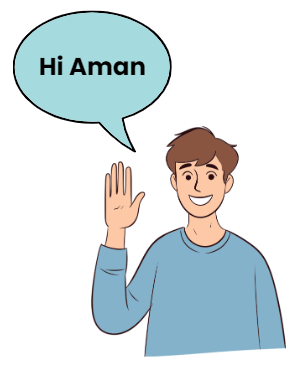
- Your name is what people call you.
- People call you by this special word.
- For example, if your name is Aman, people will say, "Hi, Aman!" when they want to talk to you.
 Name
Name
Your Age:
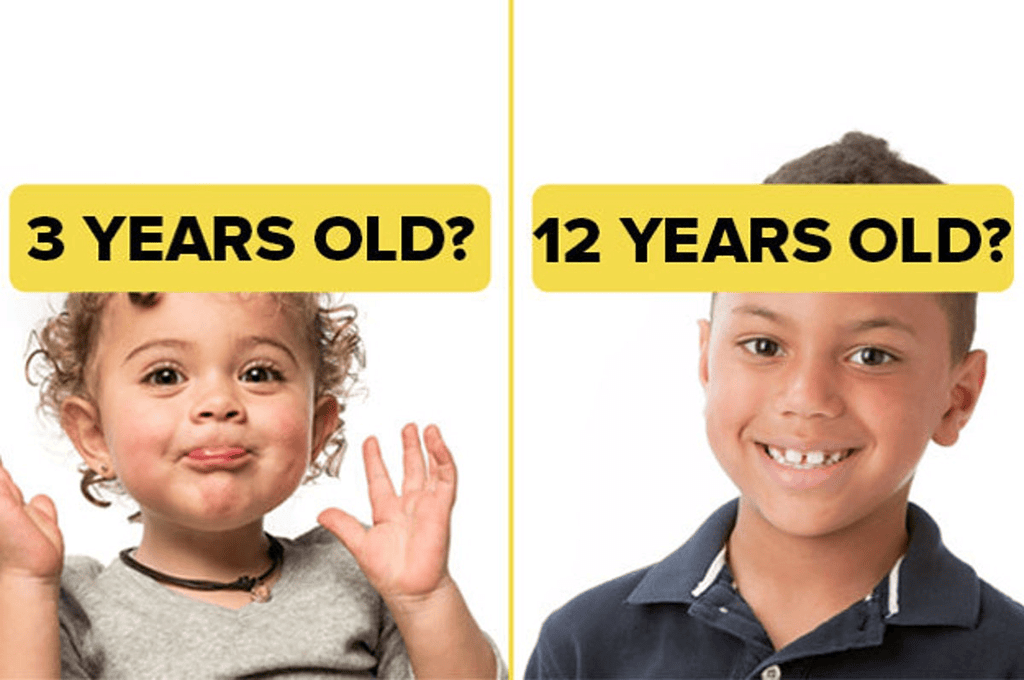
- Your age tells how many birthdays you've had.
- If you are 5 years old, you can proudly say, "I am 5!" when someone asks.
 Age
Age
MULTIPLE CHOICE QUESTIONTry yourself: What does your age tell you?
Body Parts
These are the parts that make you, YOU!
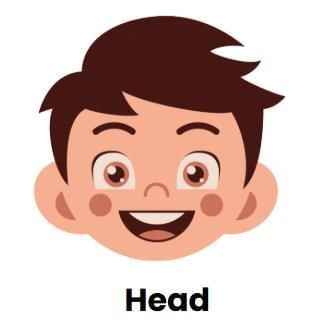
- Head - this is where your eyes, nose, mouth, and hair are.
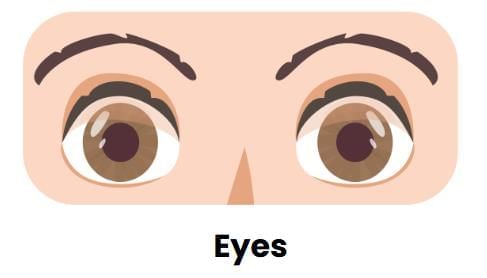
- Eyes - they help you see colours, shapes and everything around you.
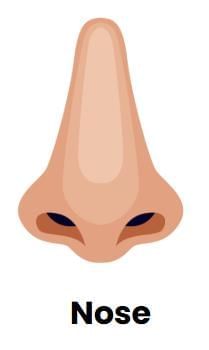
- Nose - helps you smell things, like flowers or cookies!
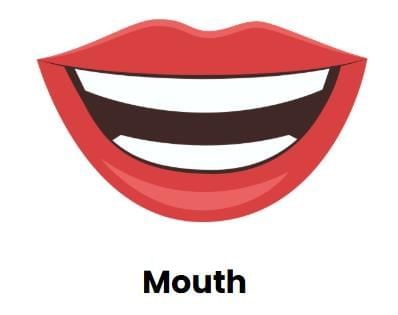
- Mouth - you use it to talk, eat, and smile.
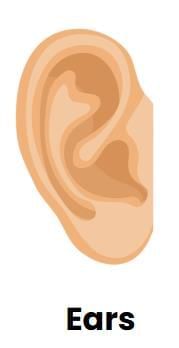
- Ears - help you hear sounds like music and laughter.
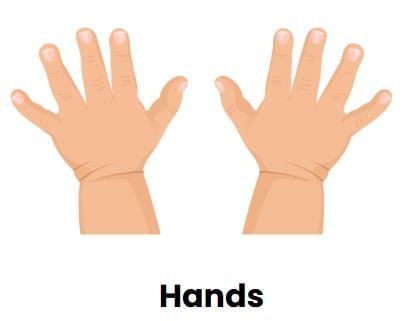
- Hands - perfect for drawing, playing, and clapping.
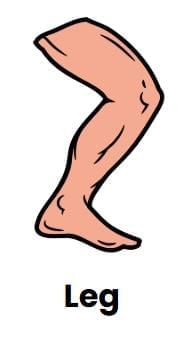
- Legs - help you walk, run, and jump.
- Feet - helps you walk stand and even dance.
All these parts work together to make you amazing and unique!
My Family
Family is the special group of people who love and care for you, like your parents, siblings, and relatives!
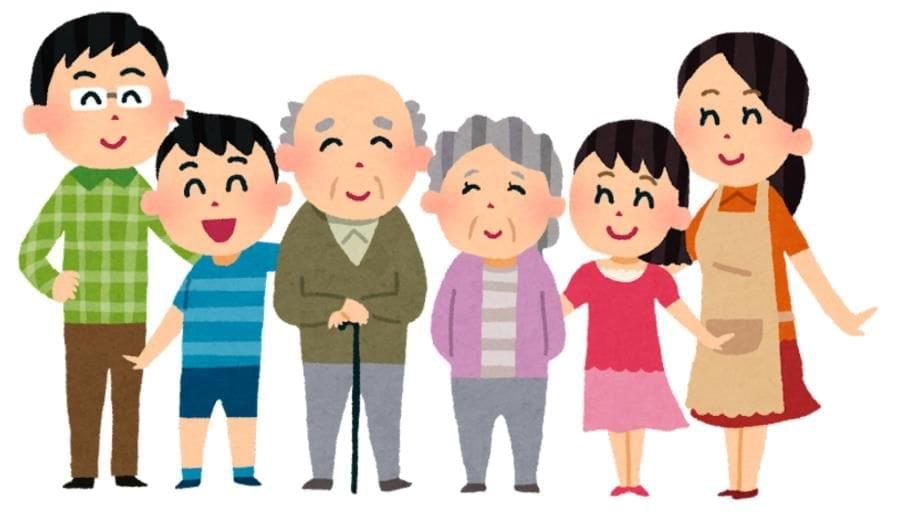
Here are some important family members:
- Parents: Your mom and dad take care of you. They help you learn and grow!
- Siblings: Brothers and sisters are like built-in friends. You can play, share, and have fun together.
- Grandparents: These are your grandma and grandpa. They're like extra-special parents who have lots of love and stories to share.
- Aunts and Uncles: They are like your parents' siblings. Sometimes, they spoil you with treats and surprises! (An aunt is your mom's or dad's sister, and an uncle is your mom's or dad's brother.)
- Cousins: Cousins are the children of your aunts and uncles. They are part of your family, just like your brothers and sisters, but they live in different houses.
MULTIPLE CHOICE QUESTIONTry yourself: What are some important family members?
My Feelings
Everyone has feelings-like happy, sometimes sad, excited, or even surprised.
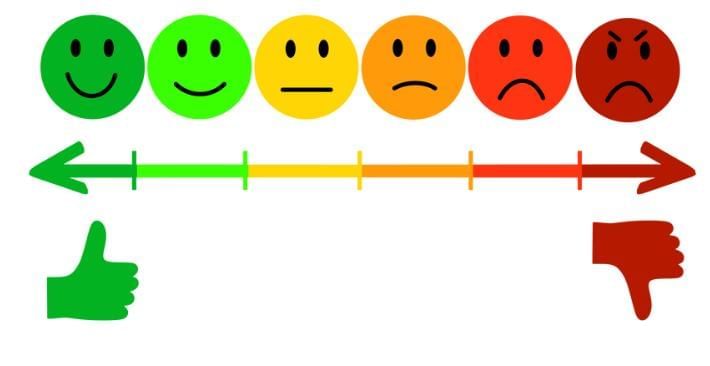
- Happy - when you laugh and play
- Sad - when you cry or miss someone
- Excited - when something fun is coming
- Surprised - when something unexpected happens
Likes and Dislikes
- Likes: These are things that make you happy! You might like playing with toys or eating ice cream.
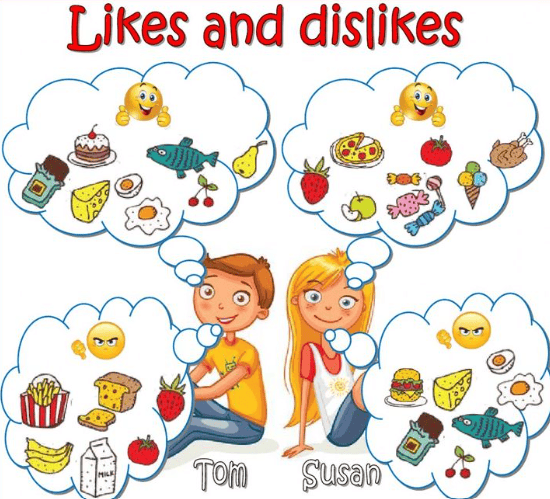
- Dislikes: These are things you don't enjoy as much, like eating broccoli or taking naps. It's okay to have both likes and dislikes-everyone does!
My Hobbies and Activities
- Hobbies: These are the fun things you love to do, like drawing pictures or dancing around.
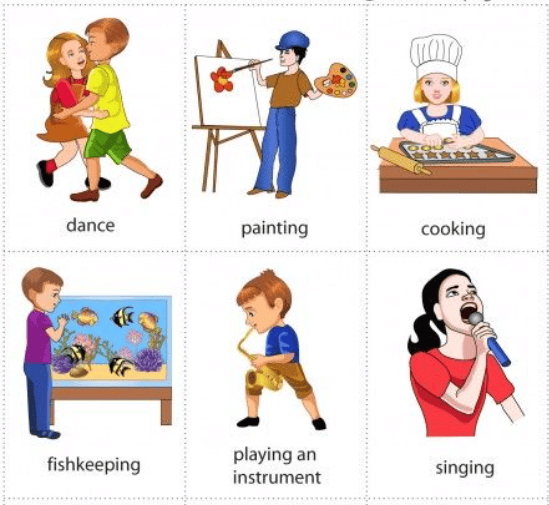 Hobbies and Activities
- Activities: These are the exciting things you do every day, like playing games, going to the park, or reading books.
My Favourite Things
Everyone has special things they love the most! These are called your favourite things.
- Favourite Food: Maybe you love eating yummy mangoes in summer or hot dosas for breakfast.
- Favourite Colour: Do you like the bright blue of the sky or the cheerful yellow of a sunflower?
- Favourite Toy: Perhaps you have a cuddly teddy bear or a fun car that you play with every day.
- Favourite Game: Do you enjoy playing hide and seek or building towers with blocks?
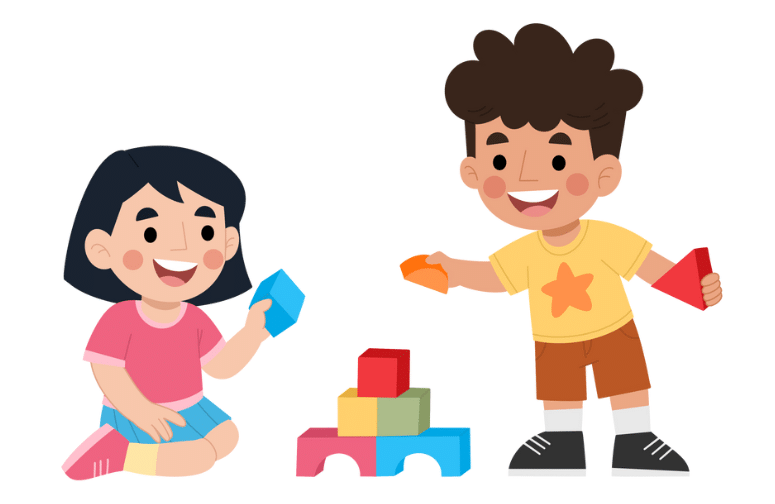
Your favourite things make you happy, and it's fun to share them with your family and friends!
The document Chapter Notes: Myself is a part of the Class 1 Course EVS for Class 1.
All you need of Class 1 at this link: Class 1
FAQs on Chapter Notes: Myself
| 1. What are the different parts of my body that I should know about for Class 1 EVS? |  |
Ans. The human body has major external parts like the head, neck, arms, hands, legs, and feet. Students learn to identify these body parts and understand their basic functions. Internal organs like the heart, lungs, and stomach are introduced at an introductory level. Recognising these body parts helps children understand themselves and develop body awareness.
| 2. How can I take care of my teeth and why is it important in Class 1? | |
Ans. Brushing teeth twice daily with a soft toothbrush removes food particles and prevents tooth decay. Avoiding sugary foods and drinks protects tooth enamel. Regular dental check-ups catch problems early. Good oral hygiene habits developed in Class 1 establish lifelong healthy practices and keep teeth strong and healthy.
| 3. What should I eat to stay healthy and grow properly? | |
Ans. A balanced diet includes fruits, vegetables, grains, milk, and proteins like eggs or beans. Each food group provides essential nutrients-fruits and vegetables offer vitamins, milk provides calcium for strong bones, and proteins support growth. Eating variety ensures the body gets all necessary nutrients for Class 1 children to develop properly and stay energetic throughout the day.
| 4. Why do I need to wash my hands and when should I do it for Class 1 hygiene? | |
Ans. Hand washing removes germs and bacteria that cause diseases like colds and stomach infections. Students should wash hands before eating, after using the toilet, and after playing outdoors. Using soap and clean water is essential. Regular hand washing is a simple personal hygiene practice that prevents illness and keeps children healthy and fit.
| 5. What are the five senses and how do they help me understand the world around me? | |
Ans. The five senses are sight, hearing, smell, taste, and touch. Eyes help see colours and shapes, ears detect sounds, the nose identifies odours, the tongue recognises flavours, and skin feels textures and temperatures. These sensory organs allow Class 1 students to explore and interact with their surroundings safely. Developing sensory awareness strengthens observation skills and curiosity about the environment.
About this Document

154.6K Views

4.84/5 Rating

Apr 22, 2026 Last updated
Document Description: Chapter Notes: Myself for Class 1 2026 is part of EVS for Class 1 preparation. The notes and questions for Chapter Notes: Myself have been prepared according to the Class 1 exam syllabus. Information about Chapter Notes: Myself covers topics like and Chapter Notes: Myself Example, for Class 1 2026 Exam. Find important definitions, questions, notes, meanings, examples, exercises and tests below for Chapter Notes: Myself.
Introduction of Chapter Notes: Myself in English is available as part of our EVS for Class 1 for Class 1 & Chapter Notes: Myself in Hindi for EVS for Class 1 course. Download more important topics related with notes, lectures and mock test series for Class 1 Exam by signing up for free. Class 1: Chapter Notes: Myself
Description
Chapter Notes: Myself of EVS with clear explanations of key concepts & important topics of the chapter, to help you underst& lessons better & revise quickly, & crack the Class 1 exam.
Information about Chapter Notes: Myself
In this doc you can find the meaning of Chapter Notes: Myself defined & explained in the simplest way possible. Besides explaining types of Chapter Notes: Myself theory, EduRev gives you an ample number of questions to practice Chapter Notes: Myself tests, examples and also practice Class 1 tests


Related Searches
shortcuts and tricks, Chapter Notes: Myself, Chapter Notes: Myself, Viva Questions, pdf , past year papers, Important questions, Summary, Extra Questions, Previous Year Questions with Solutions, ppt, Objective type Questions, Semester Notes, Sample Paper, mock tests for examination, MCQs, Exam, Free, practice quizzes, video lectures, study material, Chapter Notes: Myself;