Chapter Notes: Water


Introduction
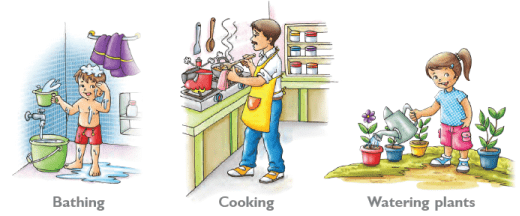
Water is very important for all of us. Can you imagine a day without water? We use water every day for drinking, bathing, cooking and for watering plants in the garden. Animals and plants also need water to live and grow. Water helps us stay clean and healthy and keeps plants and crops alive.
Let us learn more about where water comes from, how to keep it clean and why it is important to save water.
Sources of Water
Rain is the main source of water on the Earth. Rainwater fills ponds, lakes, rivers and oceans. These places that hold water are called waterbodies. Water that we see on the Earth's surface-such as that in rivers, lakes and ponds-is called surface water.
Some of the rainwater goes down into the soil and collects deep under the ground. This water is called groundwater. We get groundwater by digging a well, using a handpump or a tube well. A well is dug into the ground to reach groundwater. A tube well reaches deeper ground water and often has a pipe and pump to bring water up.
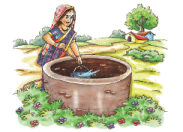
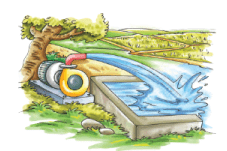
The water from these sources may contain dirt, sand and tiny living things called germs. Such unwanted matter in water is called impurities. This water needs to be purified before we use it at home.
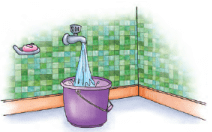
In towns and cities, water that has been treated is supplied into our homes through pipes and taps.
Clean Drinking Water
The water that reaches our homes may look clean but it can still have germs. Water that is made safe for drinking is called potable water. Potable water is usually tasteless, colourless and free from bad smells and germs.
We can make water safe by:
- boiling it so that germs are killed;
- using a physical filter to remove dirt;
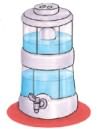
- using household water purifiers where available.
If we drink unclean water, we may get illnesses such as jaundice, cholera and typhoid. That is why always drink water that is boiled or filtered when you are not sure it is clean.
Storing Water
At home we store water in clean containers so that it is ready to use. Common containers are a pot, bucket or tub. Many homes also have an overhead tank that stores water on the roof so that water can reach taps easily. When we store water:
- keep the container covered so dust and insects do not enter;
- clean the containers and tanks regularly;
- use a clean mug or ladle to take water out, do not dip hands into the stored water.
Try yourself: Which method can be used to make water safe for drinking by killing germs present in it?
Save Water
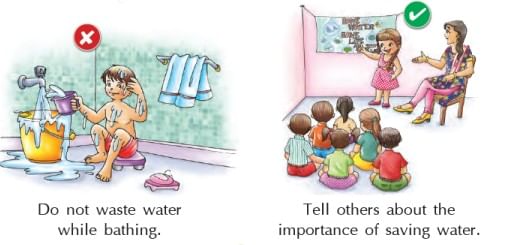
The amount of water available for our use is limited. We must not waste it. Here are simple ways to save water that you can do at home and at school:
- turn off the tap while brushing your teeth or soaping your hands
- fix leaking taps and pipes quickly
- use a mug to wash your face instead of letting the water run
- reuse clean water used for washing vegetables to water plants
- use a bucket when bathing instead of a shower where water keeps running
- water plants in the early morning or evening to reduce evaporation
An important method to save water is rainwater harvesting. In rainwater harvesting, rainwater that falls on roofs is collected and taken through pipes into a big tank. The water is then filtered and stored. This stored water can be used for watering plants, washing and sometimes for household use after proper treatment. Many houses, schools and factories collect rainwater to reduce water shortage.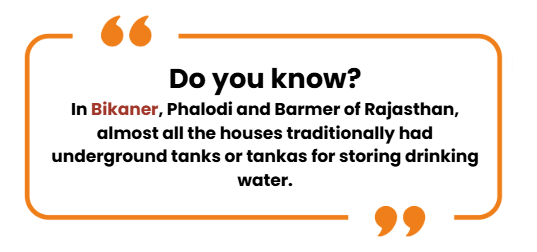
Remember!
Water is precious. We should always use it carefully, keep it clean and help save it for the future. By following simple steps like boiling or filtering water, storing it safely and practising water-saving habits, we can all make sure there is enough water for people, animals and plants.
FAQs on Chapter Notes: Water
| 1. What are the different sources of water and where does water come from? |  |
| 2. Why is water important for living things and what happens without it? | |
| 3. How do we use water every day and what are the main uses of water at home? | |
| 4. What is the water cycle and how does water move between earth and sky? | |
| 5. How can we save water and reduce water wastage in daily life? | |