CBSE Class 2  >  Class 2 Notes  >  EVS  >  Chapter Notes: Our Neighborhood

Chapter Notes: Our Neighborhood

What is a Neighbourhood?

A neighbourhood is the area around our home. It includes the buildings, open spaces and people we see every day. A neighbourhood is where we live, play and meet others.

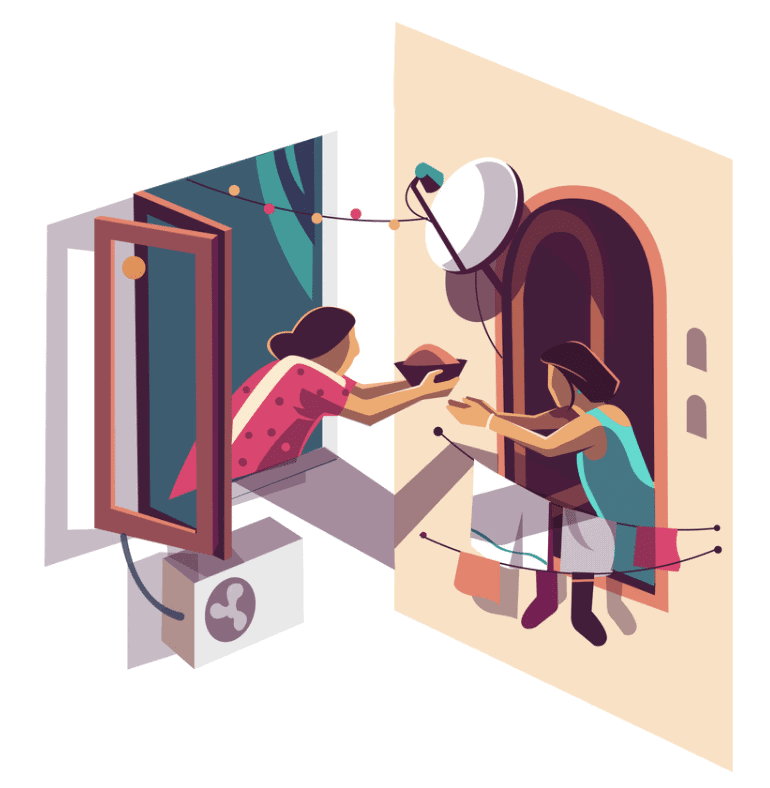
The area around our house is our neighbourhoodThe area around our house is our neighbourhood
  • It has houses, parks, shops, schools, hospitals and other places.
  • Many people live in a neighbourhood. Neighbours often help and care for each other.

A good neighbourhood is:

  • Clean
  • Safe
  • Friendly
  • We meet our neighbours in parks, shops, or during festivals.
  • A neighbourhood is like a big family!
NeighboursNeighbours

What are the Places in a Neighbourhood?

(i) Market

A market is a place where we buy things we need, such as food, clothes and toys. Markets can be a row of small shops, a bazaar or a market area with many stalls.

  • The shop owner is called a shopkeeper.
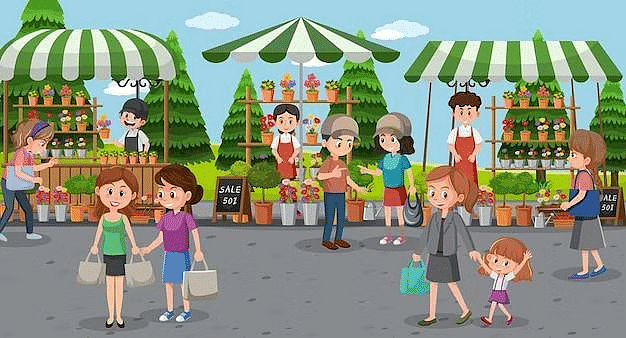
A MarketA Market

Different types of shops:

  • Grocery shop - for food and daily items.
  • Medical shop - for medicines.
  • Stationery shop - for pencils, erasers and notebooks.
  • Milk booth - for milk, ice creams and milk products.

MULTIPLE CHOICE QUESTION
Try yourself: What can you buy from a grocery shop?
A

Medicines

B

Food items

C

Stationery items

D

Milk and milk products

(ii) Park

A park is a green place with trees and playgrounds. Parks give us space to play and enjoy fresh air.

  • People go there to play, walk or relax.
  • Parks have swings, slides and see-saws for children.
  • We get fresh air and meet friends in the park.
  • We should keep the park clean by not littering and using dustbins.
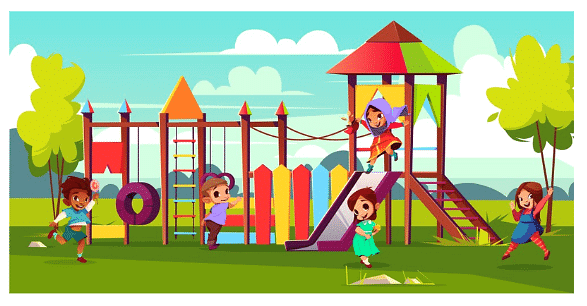
A ParkA Park

(iii) Post Office

A post office is where we send and receive letters and parcels. It helps people communicate over long distances.

  • We can buy stamps, postcards and envelopes here.
  • Letters are posted in stamped envelopes.
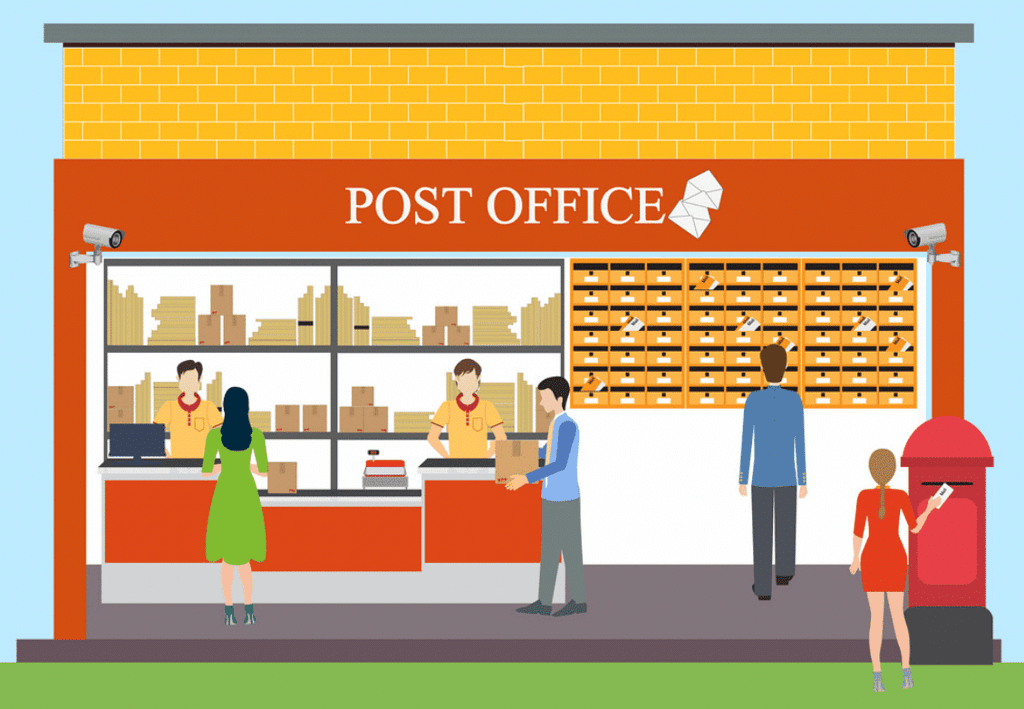
A Post OfficeA Post Office

(iv) Hospital

A hospital is where sick or injured people are treated. Hospitals help people get better when they are unwell.

  • Doctors and nurses examine and treat patients to make them well again.
  • A hospital has ambulances to take patients to the hospital quickly in an emergency.
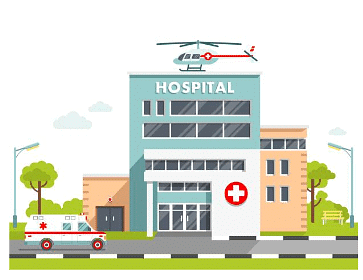
A HospitalA Hospital

MULTIPLE CHOICE QUESTION
Try yourself: What is the purpose of a hospital?
A

To maintain law and order in the area.

B

To teach children good manners and good habits.

C

To provide a place for people to pray and connect with their religion or beliefs.

D

To take care of sick and injured people.

(v) Police Station

A police station is where police officers work to protect people and keep law and order.

  • They protect people and keep the neighbourhood safe.
  • Traffic police help control traffic on roads so vehicles and people move safely.
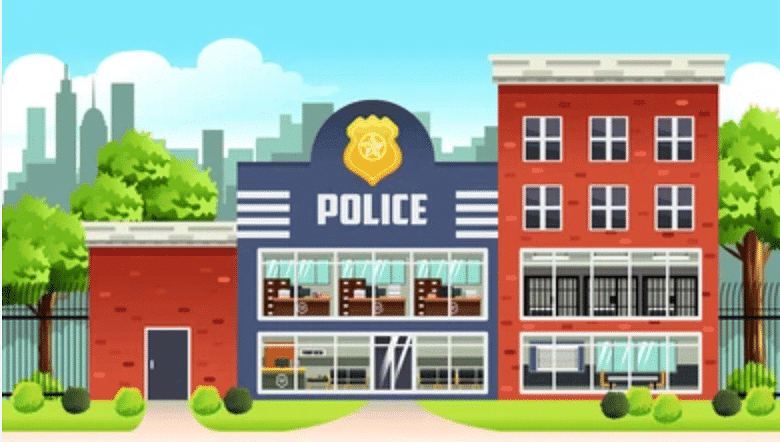
A Police StationA Police Station

(vi) School

A school is a place where children learn and play. Schools teach subjects and help children build good habits.

  • Teachers teach us lessons, manners and good habits.
  • Schools have classrooms, playgrounds and many students who study together.
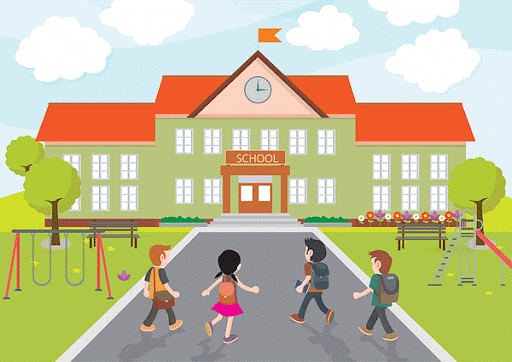
A SchoolA School

(vii) Place of Worship

A place of worship is where people pray and show respect to their religion. These places bring people together.

  • It could be a temple, mosque, church or a gurudwara.
  • These places bring people together in peace and love and often host community events.
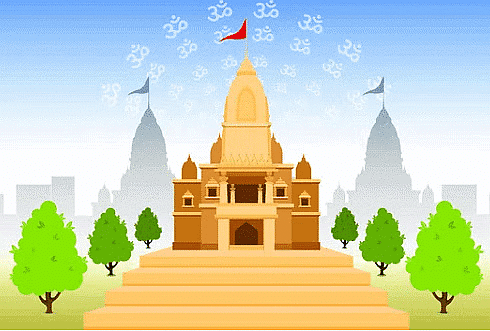
A TempleA Temple

(viii) Restaurant

A restaurant is where people go to eat food prepared by others. Restaurants offer different kinds of meals for families and friends.

  • Chefs cook the food, and servers bring it to the table.
  • People enjoy meals together with family and friends in a restaurant.
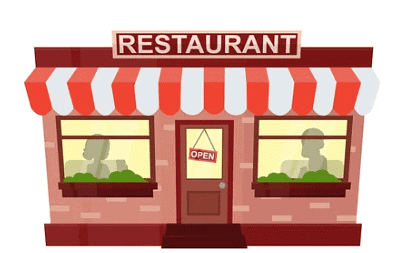
(viii) Restaurant

Let's now watch a fun video to learn more about our neighbourhood and the places around us!   

The document Chapter Notes: Our Neighborhood is a part of the Class 2 Course EVS for Class 2.
All you need of Class 2 at this link: Class 2

FAQs on Chapter Notes: Our Neighborhood

1. What are the different types of places in our neighborhood and how do we identify them?
Ans. A neighborhood includes homes, shops, schools, parks, temples, hospitals, and roads-each serving different purposes. Students identify them by observing buildings, signs, and their functions. Houses are where families live, shops sell goods, schools provide education, and parks offer recreation spaces. Understanding these community spaces helps children recognize how neighborhoods are organized and how different places work together to meet residents' daily needs.
2. How do community helpers in our neighborhood help us every day?
Ans. Community helpers-such as teachers, doctors, police officers, shopkeepers, and sanitation workers-support neighborhood life by providing essential services. Teachers educate children, doctors treat illnesses, police maintain safety, and shopkeepers supply goods. Sanitation workers keep streets clean. These helpers form the backbone of a functioning neighborhood. Recognizing their roles teaches students how cooperation and different professions sustain a healthy, organized community where everyone contributes meaningfully.
3. What is the difference between a village neighborhood and a city neighborhood?
Ans. Village neighborhoods are smaller, with scattered homes, farmland, and fewer shops, while city neighborhoods are densely populated with tall buildings, crowded markets, and more services. Villages move at a slower pace with stronger community bonds; cities offer more facilities but feel busier. Both have schools, shops, and helpers, but cities have public transport, traffic lights, and hospitals, whereas villages rely more on agricultural activities and local markets for daily life and commerce.
4. Why is it important to follow safety rules when moving around our neighborhood?
Ans. Safety rules protect children from traffic accidents, getting lost, or stranger danger while exploring neighborhoods. Rules like crossing roads at zebra crossings, holding an adult's hand, and avoiding unfamiliar areas reduce risks significantly. Understanding traffic signals, staying alert, and knowing trusted adults' contact information builds confidence and independence. Learning these safety practices early helps students navigate their neighborhood responsibly, ensuring they enjoy outdoor activities while minimizing dangers and developing risk-awareness skills.
5. What should students observe and note when exploring and studying their own neighborhood?
Ans. Students should observe the layout of streets, types of buildings, presence of shops and services, community helpers at work, transportation methods, and green spaces. Noting landmarks helps them create mental maps and understand neighborhood organization. Observing seasonal changes, weather patterns, and how people interact provides practical learning opportunities. Using mind maps and flashcards to record these observations reinforces environmental awareness. This systematic exploration develops observational skills while connecting classroom learning to real-world surroundings in their immediate locality.
Explore Courses for Class 2 exam
Get EduRev Notes directly in your Google search
Related Searches
MCQs, mock tests for examination, practice quizzes, Previous Year Questions with Solutions, shortcuts and tricks, Extra Questions, Chapter Notes: Our Neighborhood, Summary, Semester Notes, Important questions, Viva Questions, Chapter Notes: Our Neighborhood, Objective type Questions, video lectures, ppt, past year papers, Sample Paper, Exam, Chapter Notes: Our Neighborhood, study material, Free, pdf ;