Worksheet Solutions: Clothes – Our Protection - 1

Q1: Multiple Choice Questions (MCQs)
(i) Which of these is an advantage of cotton clothes?(a) They allow body heat to escape
(b) They absorb sweat
(c) Air can circulate easily through them
(d) All of these
Ans: (d)
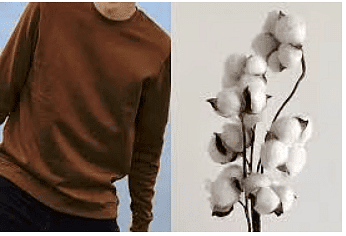
Explanation: Cotton is breathable and lets air pass through, it absorbs sweat from the skin, and it allows body heat to escape. Because it does all these things, option (d) is correct for hot or active conditions.
(ii) Our clothes should
(a) be suited to the kind of work we do
(b) be suited to the weather conditions
(c) make us look good
(d) all of these
Ans: (d)
Explanation: Clothes must fit the activity we do, protect us from the weather and help us look neat. All three points are important, so (d) is the best choice.
(iii) What kind of clothes are best in hot weather?
(a) Dark coloured cotton clothes
(b) Light coloured cotton clothes
(c) Dark coloured woollen clothes
(d) Light coloured woollen clothes
Ans: (b)
Explanation: Cotton lets air move and absorbs sweat, and light colours reflect sunlight so they keep us cooler. Therefore, light coloured cotton clothes are best in hot weather.
(iv) Synthetic fibres are made from
(a) plants
(b) hair of animals
(c) chemicals
(d) skin of animals
Ans: (c)
Explanation: Synthetic fibres are made from chemical materials, often coming from petroleum-based chemicals, so option (c) is correct.
Q2: True or False.
(i) Athletes prefer sportswear made from Dri-Fit material.
Ans: True
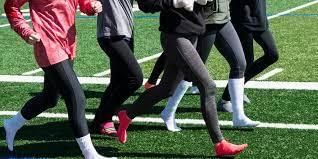
Explanation: For athletes or those who do activities that require form-fitting outfits, it's always best to get a Dri-Fit outfit that suits your workout.
(ii) Any type of dried leaves kept between clothes keeps insects away.
Ans: False
Explanation: Not all dried leaves keep insects away. Neem leaves are special because they have properties that help protect grains and some clothes from pests and fungi, but other dried leaves do not work the same way.
(iii) Clothes made from natural fibres are non-porous.
Ans: False
Explanation: Natural fibres have tiny spaces that let air and moisture pass through. That means they are porous, not non-porous.
(iv) Polythene is waterproof.
Ans: True
Explanation: Polythene does not let water pass through, so it is almost completely waterproof and is used to keep things dry.
Q3: Name the following.
(i) A waterproof material _______
Ans: Polythene
Polythene is almost completely waterproof and is used to keep water out of bags and raincovers.
(ii) Process of cleaning clothes using petrol and chemicals _______
Ans: Dry cleaning
Dry cleaning uses solvents instead of water to remove stains. Jean Baptiste Jolly found early methods that used petroleum-based solvents.
(iii) They are woven in machines to form fabric _______
Ans: Raw material
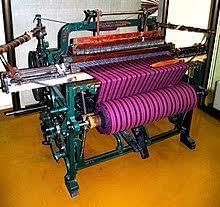
A loom is a machine used to weave threads into cloth.
(iv) An insect which can spoil clothes _______
Ans: Crickets
House crickets can come inside homes and may damage fabrics and stored clothes.
Q4: Match the following
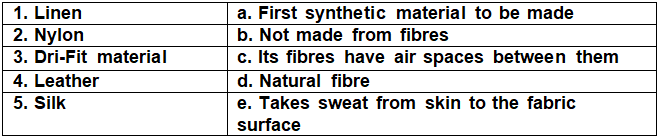
Ans:
Q5: Answer the following questions in brief.
(i) Why are cotton clothes preferred in summers?
Ans: We wear cotton clothes during summer as cotton absorbs sweat from the body, exposing it to the atmosphere for easy evaporation. Cotton allows better air circulation which helps to absorb and remove body moisture caused by sweat via evaporation.
(ii) Why is it important to wear shoes?
Ans: Shoes protect our feet from sharp objects, dirt and cold. They give support to our feet and help us walk safely.
(iii) What kind of clothes should one wear?
Ans: We should wear light cotton clothes in summer to stay cool and comfortable in the hot season. To keep ourselves warm in winter and protect ourselves from the cold, we should wear woollen clothes. To protect ourselves from the rain, we should wear waterproof clothes like a raincoat.
Q6: Long answer type questions.
(i) How should we take care of our clothes?
Ans: Keeping clothes clean helps us look neat and stay healthy. We can take care of clothes in these simple ways:
- Wash at low temperatures - gentle washing keeps colours and fabric strong.
- Read and follow care labels - they tell how to wash, dry or iron a cloth.
- Reduce dry cleaning - use it only when needed, because many clothes can be washed at home.
(iii) In what ways is synthetic fibre better than natural fibre?
Ans: Synthetic fibres often last longer and can be made to stretch. Some are water-resistant and do not stain easily. These make them useful for many kinds of clothes. Still, all fibres can wear out over time from sunlight, moisture and oils from the skin.
FAQs on Worksheet Solutions: Clothes – Our Protection - 1
| 1. What are the different types of questions formats commonly used in exams? |  |
| 2. How can multiple choice questions be answered effectively? | |
| 3. What is the purpose of true or false questions in exams? | |
| 4. How can students prepare for long answer type questions in exams? | |
| 5. What is the significance of matching questions in exams? | |