Chapter Notes: Clothes We Wear


What are Clothes?
Clothes are the things we wear on our body to cover and protect ourselves. They help us stay safe, keep our bodies at a comfortable temperature and make us look neat.
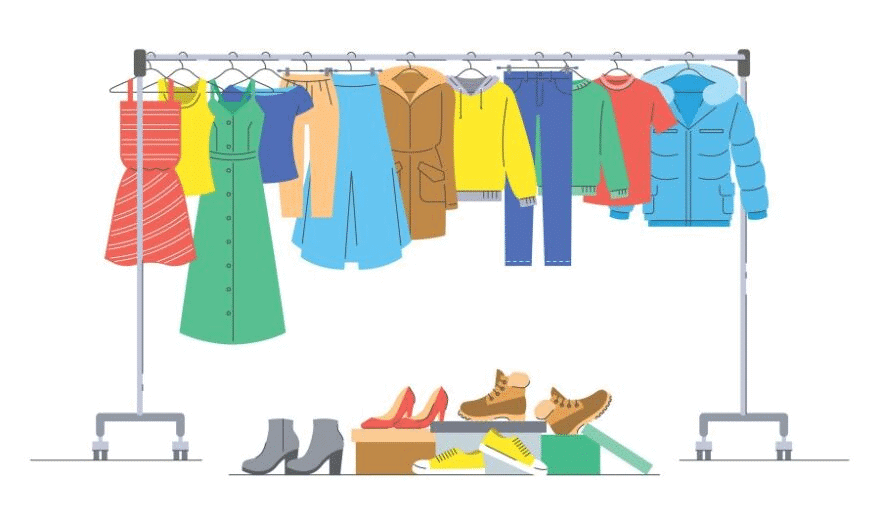 Clothes
- Clothes protect us from sun, cold, rain and small injuries.
- Clothes keep us comfortable by helping our body stay warm or cool as needed.
- Clothes can make us look nice for school, parties or special events.
- We wear different clothes for playing, sleeping, going to school, or attending parties.
Why Do We Wear Clothes?
- To protect our body from the sun, cold, rain and from getting hurt.
- To feel comfortable in different kinds of weather.
- To look good and feel confident during special events.
- To show polite behaviour and respect at places like school, temples or during ceremonies.
- To wear uniforms at school or work which helps people look similar and follow rules.
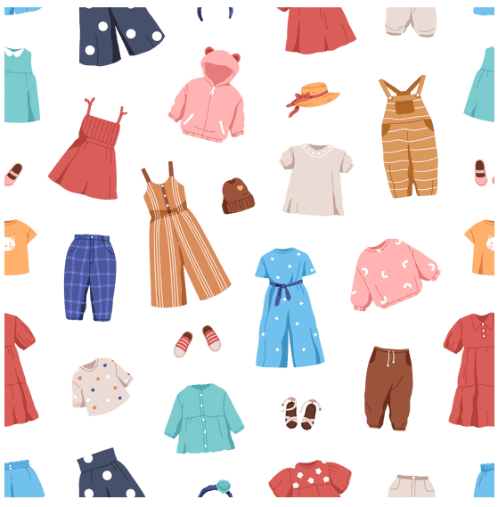
Types of Clothes
We choose clothes according to the season and the occasion. This keeps us comfortable and suitable for what we are doing.
Summer Clothes
- Light cotton clothes such as T-shirts, shorts and light dresses keep us cool.
- Sandals, hats and sunglasses protect us from strong sun and make us comfortable outdoors.
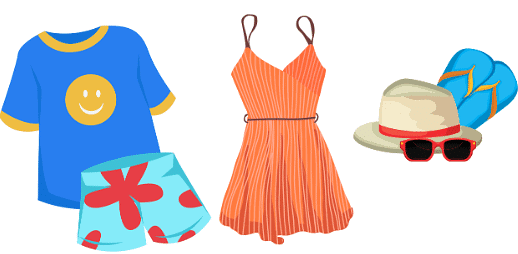 Summer Clothes
Winter Clothes
- Warm clothes such as sweaters, jackets and woollen trousers keep our body heat inside.
- Gloves, scarves and boots help protect our hands, neck and feet from cold.
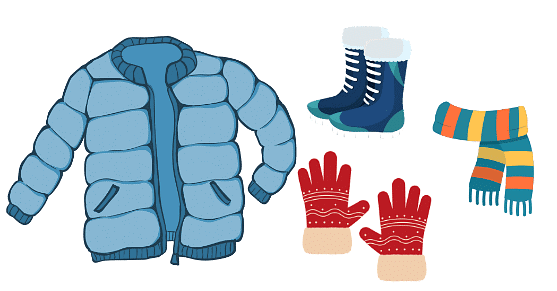 Winter Clothes
Rainy Season Clothes
- We wear raincoats, carry umbrellas and wear rain boots to stay dry in the rain.
- Rainy season clothes are usually waterproof or water-resistant so we do not get wet easily.
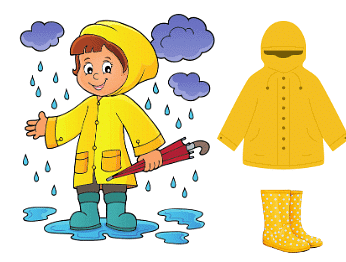 Rainy Season Clothes
Special Occasion Clothes
- For parties and celebrations we wear pretty dresses, shirts with bow ties and dress shoes.
- For very formal events people wear fancy suits or elegant dresses with suitable accessories.
- For traditional or cultural celebrations people wear outfits such as sarees, kurtas, lehengas, dhotis or sherwanis.
 Uniform & special occasion clothes
Casual Wear
- Everyday clothes include simple shirts, jeans, shorts, skirts, sneakers and sandals.
- For relaxing at home we wear comfy pyjamas, sweatpants, hoodies and slippers.
Occupational Clothes (Work Clothes)
Some people wear special clothes for their work. These clothes help them do their job safely and easily.
- Doctor: Wears a white coat and sometimes gloves and mask.
- Police: Wears a uniform with a cap and badge.
- Chef (Cook): Wears a white dress and a cap.
- Firefighter: Wears special protective clothes that do not catch fire easily.
What Are Clothes Made Of?
Clothes are made from different materials. Each material has special properties that make it good for certain seasons and uses. Here are the common materials we see in our clothes.
Types of Materials
Cotton
- Cotton comes from plants.
- Cotton clothes are soft and cool, for example T-shirts and many kinds of jeans.
- We wear cotton most in summer because it lets air pass and keeps us cool.
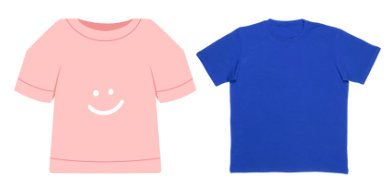
Wool
- Wool comes from animals such as sheep.
- Woollen clothes are warm and soft, for example sweaters and woollen jackets.
- We wear wool in winter to keep our body warm.
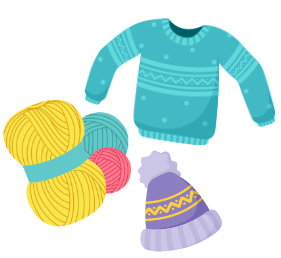
Synthetic Fabrics
- Synthetic fabrics are made in factories and are not taken from plants or animals.
- Examples of synthetic fabrics are nylon and polyester.
- These clothes can be stretchy, shiny and they dry quickly after washing.
- Synthetic fabrics are often used for sportswear and swimwear because they are light and dry fast.
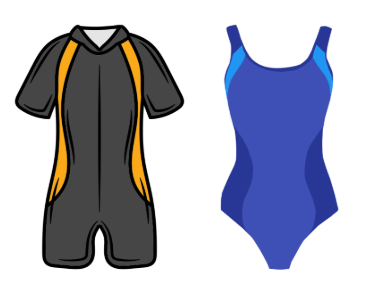 Swim Wear
Silk
- Silk comes from silkworms.
- Silk is smooth and shiny to touch.
- People wear silk on special occasions such as weddings and festivals because it looks elegant.
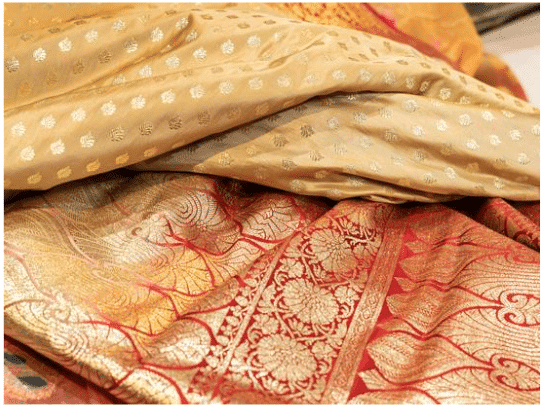 Silk Saree
Other Materials
- Linen: comes from a plant and is cool to wear in hot weather.
- Denim: a strong cloth used to make jeans.
- Leather: used for shoes, belts and bags; it is strong and lasts long.
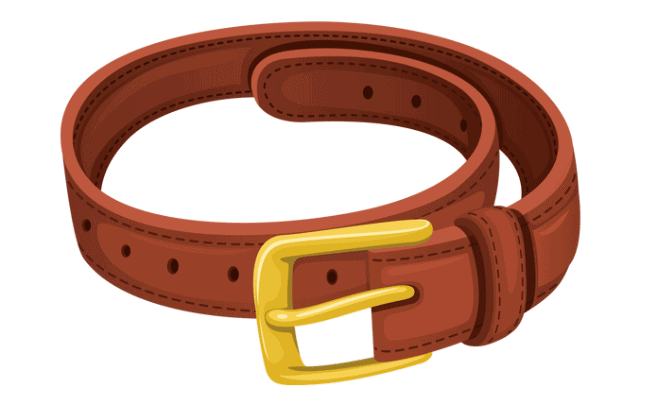 Leather Belt
How Clothes Are Made
Clothes usually begin with fibres from plants, animals or factories. The fibres are spun into threads and the threads are woven or knitted to make cloth. Cloth is then cut and sewn to make shirts, trousers, dresses and other garments.
Taking Care of Clothes
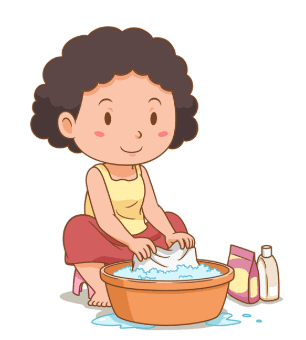
- Washing: Regularly wash clothes to keep them clean and fresh.
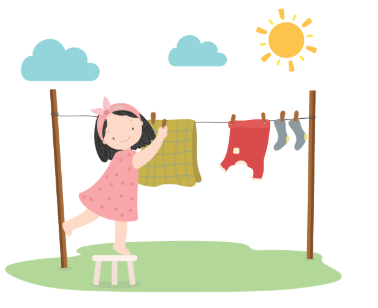
- Drying. Dry clothes in the sun or use a dryer to remove moisture.
- Ironing. Iron clothes to eliminate wrinkles and maintain a tidy appearance.
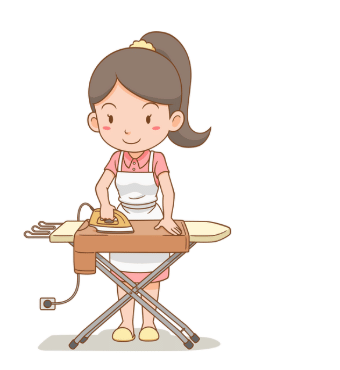
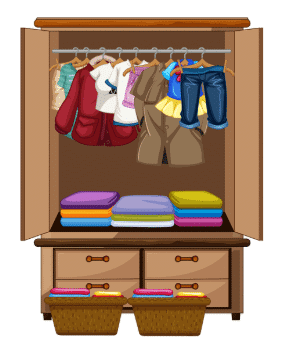
- Storing. Store clothes properly in closets or drawers to prevent damage.
Choosing Clothes for Safety and Comfort
- Wear light, loose clothes in hot weather and warm, close-fitting clothes in cold weather.
- When playing, wear comfortable clothes and shoes that allow easy movement.
- Avoid very long, loose clothes near fire, stoves or machines for safety.
- Follow the dress rules of places you visit, for example schools, temples or hospitals.
Summary
- Clothes keep us safe, comfortable and help us look presentable.
- We wear different clothes for different seasons and events.
- Clothes can be traditional, casual or uniforms.
- Common materials for clothes include cotton, wool, silk and synthetic fabrics.
- Washing, drying, ironing, storing and mending help clothes last longer.
FAQs on Chapter Notes: Clothes We Wear
| 1. Why do we wear different clothes in summer and winter? |  |
| 2. What are natural and synthetic fabrics, and which is better for Class 2 students to know? | |
| 3. How do we choose the right clothes for different occasions and weather conditions? | |
| 4. What materials are used to make clothes, and where do they come from? | |
| 5. Why is it important to keep clothes clean, and how should we care for them properly? | |