CBSE Class 1  >  Class 1 Notes  >  EVS  >  Chapter Notes: Clothes We Wear

Chapter Notes: Clothes We Wear

What are Clothes?

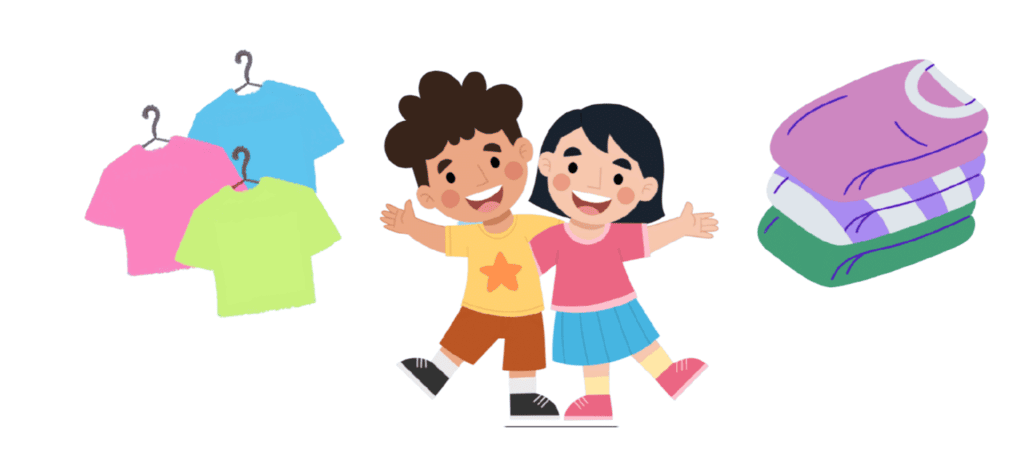
Clothes are the soft, colourful things we wear to keep us warm, comfortable, and happy! People wear clothes to protect their bodies and stay cosy.
What are Clothes?

Types of Clothes

We wear different kinds of clothes for different seasons and reasons!

1. Summer Clothes

  • In the hot sun, we wear light and cool clothes to stay comfy.
  • Examples: T-shirts, shorts, skirts, sandals.

Types of Clothes

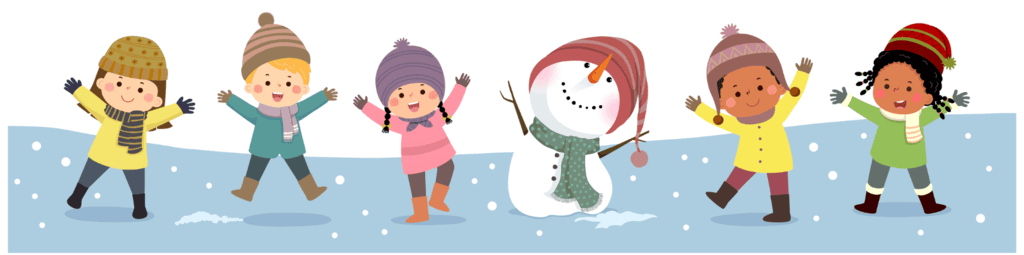
2. Winter Clothes

  • When it's cold, we wear warm and thick clothes to stay cozy.
  • Examples: Sweaters, jackets, pants, boots.
Types of Clothes

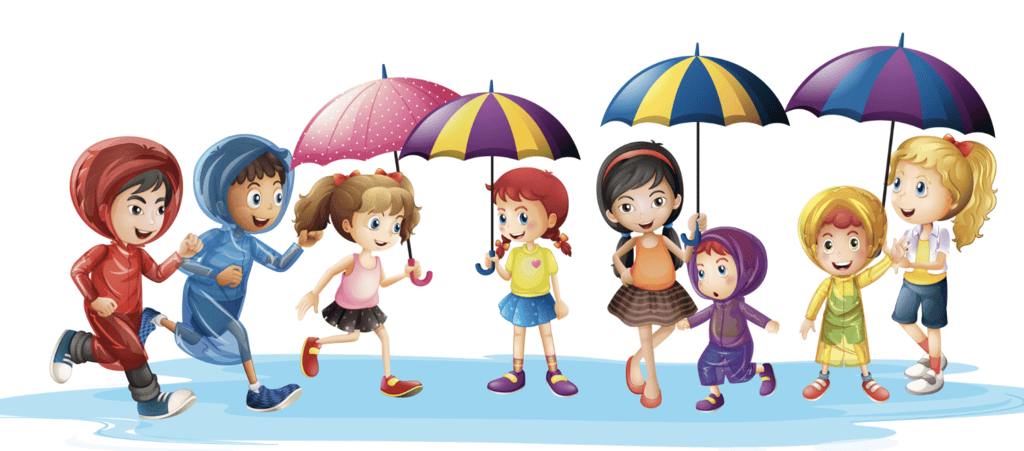
3. Rainy Clothes

  • On rainy days, we wear waterproof clothes to keep dry.
  • Examples: Raincoats, boots, umbrellas.
Types of Clothes

4. Uniforms

  • Uniforms are special clothes we wear for specific reasons, like going to school or work. There are different uniforms for different jobs.
  • For example, A policeman has a different uniform compared to a doctor.

Types of Clothes

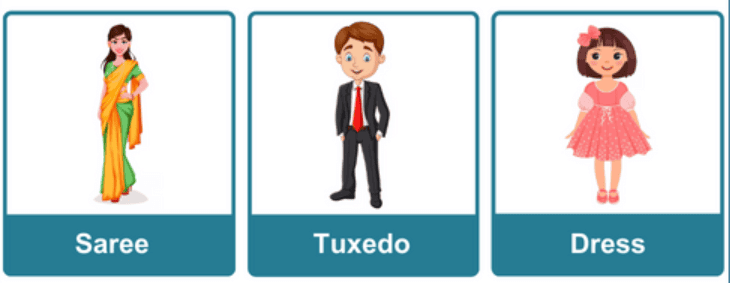
5. Special Occasions

  • Sometimes, we wear special clothes for different activities.
  • Examples: School uniforms for school, swimsuits for swimming, pyjamas for bedtime.
Types of ClothesClothes for Special Occasions

MULTIPLE CHOICE QUESTION
Try yourself: What type of clothes are worn in hot weather?
A

Sweaters and jackets

B

T-shirts and shorts

C

Raincoats and boots

D

School uniforms

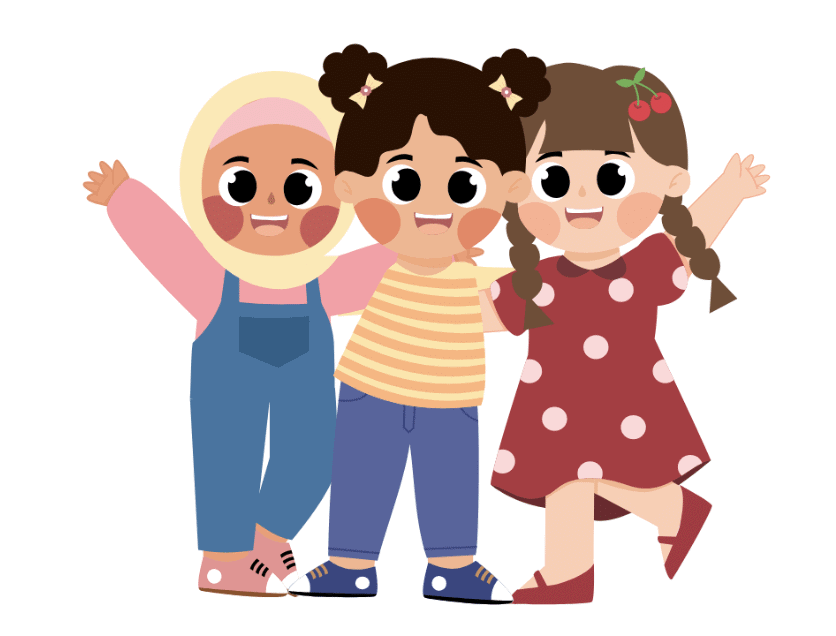
Why Do We Wear Clothes?

  1. Protection: Clothes protect our bodies from the sun, rain, and cold.

  2. Comfort: Clothes help us feel comfortable and cosy.

  3. Expressing Ourselves: We can show our style and feel happy by wearing our favourite clothes.
Why Do We Wear Clothes?

Clothes are important for our well-being, and we choose them based on the weather and our activities. Always remember to wear the right clothes for the right occasion!

Quick Recap

Now let's watch a video about this topic!

The document Chapter Notes: Clothes We Wear is a part of the Class 1 Course EVS for Class 1.
All you need of Class 1 at this link: Class 1

FAQs on Chapter Notes: Clothes We Wear

1. What are the different types of clothes we wear for different seasons in CBSE Class 1?
Ans. Different seasons require different clothing based on weather conditions. Winter clothes like sweaters, jackets, and woollen garments keep us warm, while summer clothes such as cotton shirts, shorts, and light dresses help us stay cool. Monsoon requires waterproof clothing like raincoats and umbrellas. Students can refer to mind maps and flashcards to understand seasonal clothing variations clearly.
2. Why do we wear clothes made from different materials like cotton and wool?
Ans. Cotton and wool serve different purposes depending on climate and comfort needs. Cotton is lightweight and breathable, making it ideal for hot weather, while wool provides insulation and warmth during cold seasons. The choice of fabric affects how our body temperature is regulated. Understanding fabric properties helps students appreciate why different materials are chosen for specific weather conditions.
3. How do clothes protect our body from sun, cold, and rain?
Ans. Clothes act as a protective barrier against environmental elements. They shield skin from harmful UV rays during sunny weather, trap warm air close to the body during cold temperatures, and repel water during rainfall. Different weaves and materials offer varying levels of protection. Learning about protective clothing helps Class 1 students understand the practical importance of dressing appropriately for safety and health.
4. What is the difference between formal clothes and casual clothes we wear every day?
Ans. Formal clothes like uniforms, shirts, and trousers are worn for specific occasions such as school or events, while casual clothes like t-shirts, jeans, and simple frocks are for everyday comfort. Formal attire follows dress codes, whereas casual wear prioritises comfort and personal preference. Understanding this distinction helps young learners recognise appropriate dressing for different situations and settings.
5. How do clothes made from natural fibres differ from synthetic materials?
Ans. Natural fibres like cotton and wool come from plants and animals and are biodegradable, while synthetic materials like polyester are man-made from chemicals. Natural fabrics breathe better and feel softer, whereas synthetic clothes are often cheaper and more durable. Both have advantages depending on usage and climate. Refer to visual worksheets and PPTs available on EduRev to explore these fabric differences comprehensively.
Explore Courses for Class 1 exam
Get EduRev Notes directly in your Google search
Related Searches
Extra Questions, Free, mock tests for examination, Summary, Semester Notes, Exam, shortcuts and tricks, Chapter Notes: Clothes We Wear, Previous Year Questions with Solutions, Important questions, MCQs, pdf , practice quizzes, ppt, Objective type Questions, study material, Sample Paper, Chapter Notes: Clothes We Wear, past year papers, video lectures, Chapter Notes: Clothes We Wear, Viva Questions;