Worksheet Solutions: Soils of India - 1

Q1: Fill in the blanks.
(i) Alluvial soils allow the growth of _____________, _____________, ____________
Ans: rice, wheat, sugarcane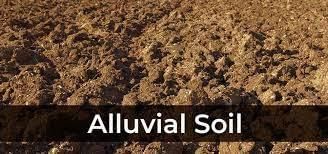
They are found mainly on flat plains and river basins. Alluvial soils are fertile and easily watered by canals and wells. Because they keep water and nutrients well, farmers grow many crops on them, such as rice, wheat and sugarcane, as well as vegetables and fruits.
(ii) Health of the soil depends on ______________________
Ans: organic matter and minerals
Soil contains air, water, decayed plant remains, organic matter and minerals like sand, silt and clay. Organic matter makes soil healthy because it holds water and nutrients, and helps plants grow better. Minerals give the plants the elements they need to grow.
(iii) Red soils allow the growth of _____________, _____________, ___________
Ans: cotton, wheat, pulses
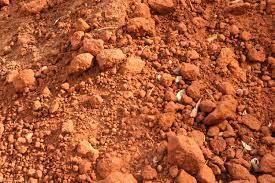
Red soils are usually loamy and well-drained. They are good for crops such as cotton, wheat and pulses. These soils do not hold as much water as black soils, so farmers may need to water them more in dry times.
(iv) Soil is the upper layer________________________
Ans: Topsoil
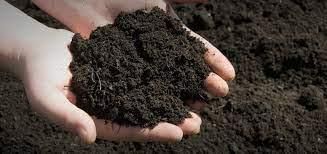
Topsoil is the upper, outer layer of the ground. It has the most organic matter and tiny living things like bacteria and worms. Most plant roots grow in topsoil because it has water, air and nutrients that plants need.
(v) Black soils allow the growth of _____________, _____________, ___________
Ans: wheat, jowar and castor
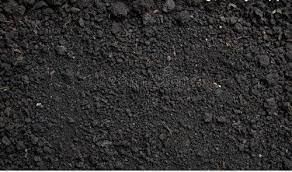
Black soils are dark and can hold moisture well. They are ideal for cotton, which is why they are often called regur or black cotton soils. Other crops that grow well here include wheat, jowar (sorghum), castor and oilseeds.
(vi) Mountain soils allow the growth of ____________, ____________, ________
Ans: rice, tea, beans
The soils on hills and mountains vary with height. On lower slopes and on terraces, farmers grow crops such as rice, tea and beans. Mountain soils often contain pieces of rock and decayed plant material, and farmers use terraces to make the land suitable for farming.
Q2: True or False.
(i) The steep part of the mountains does not allow any deposit of soil.
Ans: True
Explanation: On very steep slopes, soil cannot stay long because rain and gravity wash it down. Soil collects more on gentler slopes and flat areas where it is safe from sliding or washing away.
(ii) Potatoes are grown on the slopes of a hill, as well as in a valley.
Ans: True
Explanation: Potatoes can be grown on terraces on hill slopes and also in low-lying fields in valleys. They are a flexible crop and can be planted where the soil and climate suit them.
(iii) Mountain Soils are formed from the small broken pieces of stone.
Ans: False
Explanation: Mountain soils form from both the weathering of rocks (broken pieces) and the decayed remains of plants and trees. They are often mixed and vary a lot from place to place, so they are called heterogeneous.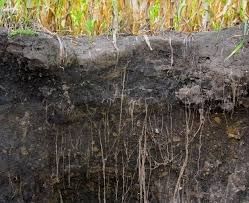
(iv) Contour ploughing and terracing are practised to conserve soil.
Ans: True
Explanation: Contour ploughing (ploughing along the slope) and terracing (making steps on hills) slow down water flow. This stops soil from being washed away, helps water soak into the ground and protects crops.
(v) Orchards can be planted even on the slope of a hill.
Ans: False
Explanation: Very steep slopes are not good for orchards because the soil can wash away, and it is hard to look after the trees. Orchards are usually planted on flat land or gentle slopes, or on terraces made on hills.
Q3: Tick the correct word.
(i) Black soil is formed from _____________(broken stones, silt, volcanic lava)
Ans: volcanic lava
Explanation: Black soil is made when lava from volcanoes cools and weathers over time. It is rich and holds moisture well, which helps crops like cotton to grow.
(ii) Red soils are formed from _____________ (broken stones, silt, granite and other stones)
Ans: granite and other stones
Explanation: Red soils form when old rocks such as granite break down. The red colour comes from iron in the soil. These soils are common in many parts of India.
(iii) Alluvial soil is good to grow _____________ ( all the crops, cotton and onion)
Ans: all the crops
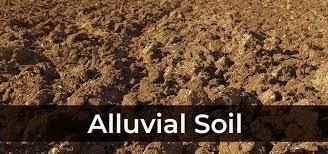
Explanation: Alluvial soil is full of fine silt and nutrients brought by rivers. This makes it very fertile and suitable for growing many different crops.
(iv) Alluvial soil is formed from _____________(broken stones, silt, volcanic lava)
Ans: silt
Explanation: Rivers carry silt and fine soil particles from higher land and deposit them on floodplains. Over time, this deposited silt becomes alluvial soil, which is rich for farming.
(v) Black soil is good to grow _____________ ( all the crops, cotton and onion)
Ans: cotton
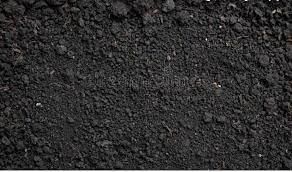
Explanation: Black soil can hold water for a long time and has nutrients that cotton plants need. For this reason, it is especially good for growing cotton and other similar crops.
Q4: Multiple Choice Questions (MCQs).
(i) What is soil?
(a) The core of the Earth
(b) The upper layer of the Earth is composed of loose material
(c) A type of rock
(d) The atmosphere
Ans: (b)
Explanation: Soil is the top layer of the ground made of a mix of minerals, decayed plant and animal matter, water and air. It is different from rock and is important for plants to grow.
(ii) Which of the following is not a component of soil?
(a) Minerals
(b) Water only
(c) Air
(d) Remnants of plants and animals
Ans: (b)
Explanation: Water is one part of soil, but soil also contains minerals, air and decayed plants and animals. Saying "water only" is wrong because soil has many parts together.
(iii) What is humus?
(a) A type of rock
(b) Lava soil
(c) Natural fertiliser from decomposed plant material
(d) Red soil
Ans: (c)
Explanation: Humus is the dark, soft material left after plants and animals decay. It adds nutrients to the soil and helps plants grow better.
(iv) Which type of soil is most fertile?
(a) Black soil
(b) Desert soil
(c) Red soil
(d) Alluvial soil
Ans: (d)
Explanation: Alluvial soil, found on river plains, has lots of fine particles and nutrients brought by rivers. This makes it very good for growing many crops.
(v) Which soil type is rich in iron and aluminium?
(a) Mountain soil
(b) Laterite soil
(c) Red soil
(d) Alluvial soil
Ans: (b)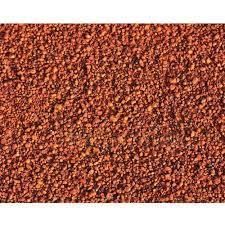 Explanation: Laterite soils are formed in hot, wet places and are high in iron and aluminium. These elements give the soil a reddish colour and make it different from other soils.
(vi) What causes soil erosion?
(a) Plant roots
(b) Proper land use
(c) Wind and rain
(d) Soil conservation
Ans: (c)
Explanation: Wind and rain wash or blow away the top layer of soil when the land is not protected. This movement of soil particles away from fields is called soil erosion.
(vii) Which activity can help prevent soil erosion?
(a) Overgrazing
(b) Deforestation
(c) Terracing
(d) Ignoring plant roots
Ans: (c)
Explanation: Terracing makes flat steps on slopes so that water runs off more slowly. This keeps the soil in place and reduces erosion, unlike overgrazing or cutting trees.
(viii) Which soil type is found in arid regions?
(a) Mountain soil
(b) Laterite soil
(c) Desert soil
(d) Alluvial soil
Ans: (c)
Explanation: Desert soil, or arid soil, is found where there is very little rain. It has less organic matter and does not hold much water, so fewer plants grow there.
(ix) What is the purpose of contour ploughing?
(a) Enhance soil fertility
(b) Prevent water erosion
(c) Encourage overgrazing
(d) Increase soil erosion
Ans: (b)
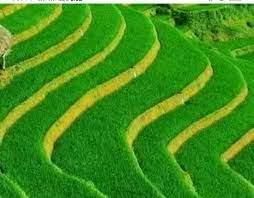
Explanation: Contour ploughing means ploughing along the lines of equal height on a slope. This slows down water flow and helps stop soil from washing away, so it prevents erosion.
(x) Why is soil conservation important?
(a) To increase soil erosion
(b) To prevent water conservation
(c) To protect soil and its fertility
(d) To encourage deforestation
Ans: (c)
Explanation: Soil conservation keeps the topsoil safe and fertile so that crops can grow well in future. If soil is lost, it is hard to farm, and the land becomes less useful.
Q5: Define the Following Words.
(i) Soil Fertility:
Ans: Soil fertility is the ability of soil to give plants the nutrients and support they need to grow well.
(ii) Alluvial Soil:
Ans: Alluvial soil is rich soil made by rivers when they leave silt and fine particles on their banks and plains. It is very good for farming.
(iii) Black Soil:
Ans: Black soil, also called regur or lava soil, is dark and can hold water well. It is good for crops like cotton, oilseeds and millets.
(iv) Erosion:
Ans: Erosion is the wearing away or removal of soil and rock by natural forces such as wind, water and gravity.
(v) Terracing:
Ans: Terracing is making a series of flat steps on a hillside so that water moves slowly and soil does not wash away. It helps farmers grow crops on slopes.
Q6: Answer the questions briefly.
(i) What natural forces erode mountain soils?
Ans: Wind, rain and moving water (runoff) and gravity (landslides) wear away mountain soils. When trees and plants are removed, these forces act faster and cause more erosion.
(ii) What conservation methods are used in desert soils?
Ans: Conservation methods used in desert soils are:
- Afforestation: Planting trees and shrubs to hold the soil and give shade.
- Checking overgrazing: Limiting animals so plants can grow back and protect the soil.
- Constructing dams: Building small dams to slow water and stop soil from washing away.
- Changing agricultural practices: Using methods that save water and protect the soil, such as mulching and careful irrigation.
(iii) How can soils on mountain slopes be conserved?
Ans: Terracing and contour bunding (making small ridges across the slope) help keep soil in place. These methods slow water, reduce runoff and make it safer to grow crops on hills.
(iv) List natural causes of soil erosion:
Ans: Wind and rain (storms), floods, landslides and flowing rivers are natural causes that lead to soil erosion.
(v) List man-created causes of soil erosion:
Ans: Cutting down forests (deforestation), overgrazing by animals, construction, and mining remove plants and disturb the soil, which speeds up erosion.
FAQs on Worksheet Solutions: Soils of India - 1
| 1. What are the different types of soils found in India? |  |
| 2. Which type of soil is most suitable for agriculture in India? | |
| 3. Is black soil found in all parts of India? | |
| 4. What is the main characteristic of red soil? | |
| 5. Which type of soil is commonly found in the coastal areas of India? | |