Chapter Notes: My Family


What is a Family?
Family means a group of people who live together, love one another and help each other. A family keeps us safe, happy and strong. Families give us food, care, comfort and teach us good manners and values.
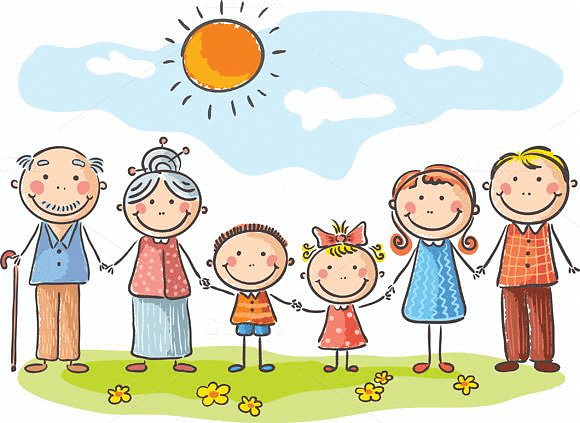 Family
Who Are Family Members?
Family members are the people who belong to our family. They may live with us or near us and take care of us in different ways.
- Father - Cares for the family. He may go to work, help with studies, cook or take part in house chores.
- Mother - Looks after everyone at home. She may cook, clean, care for us and help us study.
- Brother - An older or younger boy in the family who plays with us and helps at home.
- Sister - An older or younger girl in the family who learns with us and helps when needed.
- Grandfather - The father of our mother or father. He often tells stories, shares memories and plays with children.
- Grandmother - The mother of our mother or father. She often cooks tasty food, sings songs and cares for children.
- Uncle - Our parent's brother. He may play, talk and celebrate festivals with us.
- Aunt - Our parent's sister or the wife of our uncle. She cares for us and may help with many things.
- Cousins - Children of our uncles and aunts. They are often our playmates and friends.
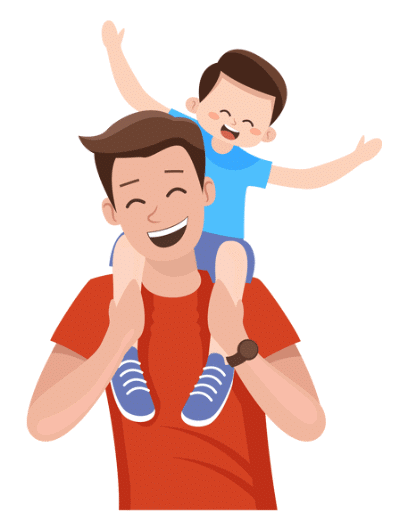 Father
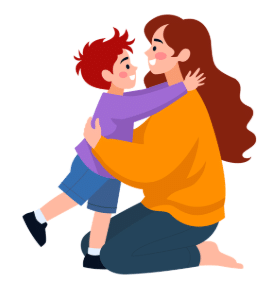 Mother
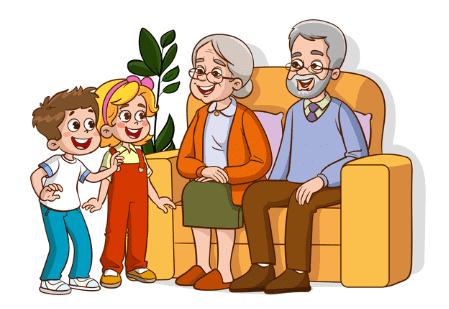 Grandparents and Sibling
Try yourself: We should .................... everyone at home.
Are All Families the Same?
No. Families are different in size, shape and the way they live. Some families are small and some are large. Every family is special in its own way.
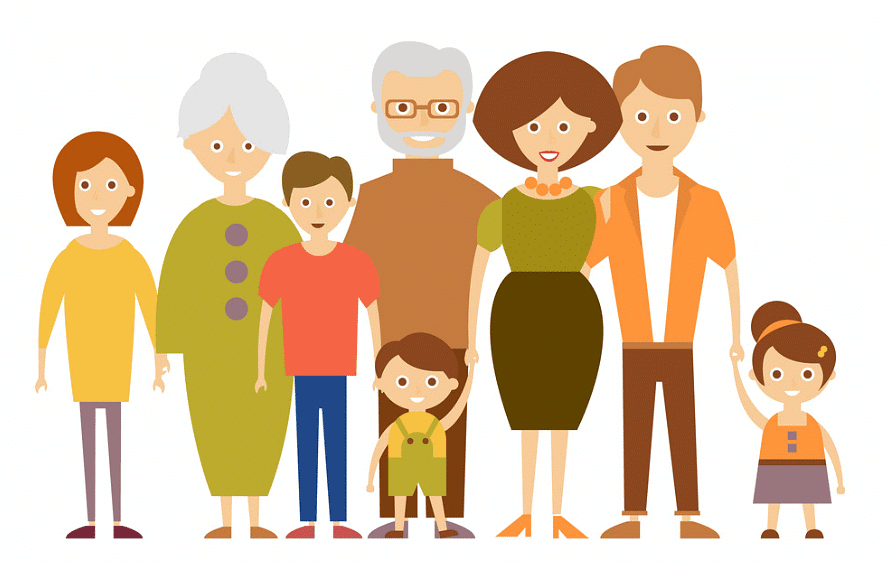 Large Family
Types of Families
Nuclear Family
A nuclear family is a small family where parents and their children live together in one home. They spend time together, share work and care for one another.
- Members usually include father, mother and children.
- They make decisions for the small household together.
 Nuclear Family
Try yourself: There are four members in my family: My mother, My Father, my sister & me. Ours is a _____ family.
Joint Family
A joint family is a large family in which several generations live together under one roof. It usually includes grandparents, parents, uncles, aunts and cousins.
- Many people share one home and many tasks like cooking and cleaning.
- People in a joint family celebrate festivals and important events together.
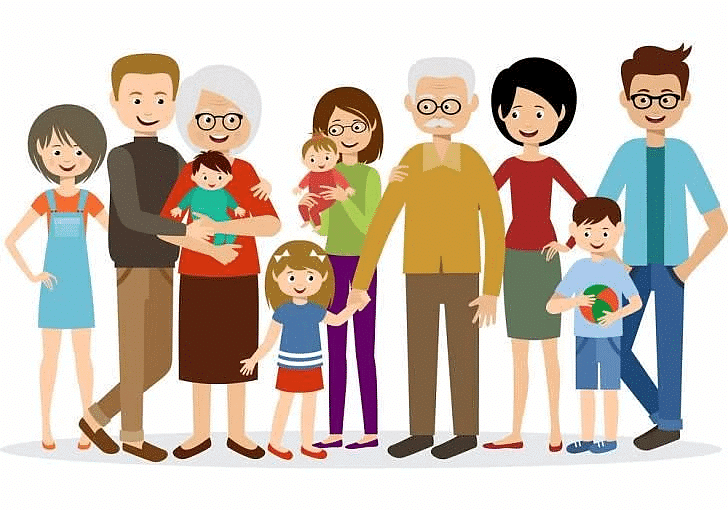 Joint Family
Single-Parent Family
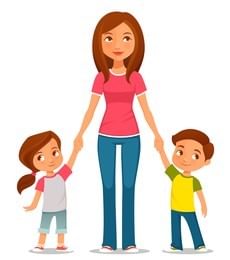
A single-parent family is one in which a child or children are brought up by only one parent-either the mother or the father. A single parent takes care of the children's needs and looks after the home.
- Some children live with only their mother or only their father.
- Single parents work and care for their children with love and responsibility.
 Single Parent Family
What Makes a Happy Family?
A happy family is one where everyone feels loved, cared for and safe. A happy family spends time together, helps one another and enjoys special moments.
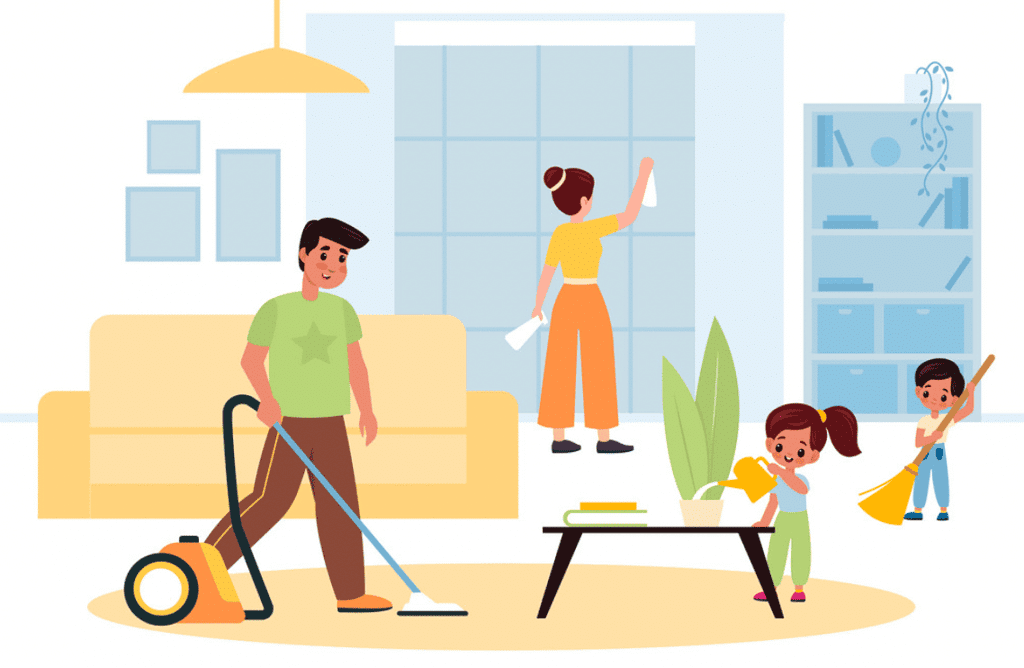
- Everyone in the family loves and helps each other.
- They celebrate birthdays with cakes and small parties.
- They enjoy festivals with lights, colours and special foods.
- They go on trips and picnics together.
- They play games like hide-and-seek, tag and board games.
- They visit friends and relatives and enjoy time together.
Pets and Helpers
Some families have people who help with cooking and cleaning. Helpers are important and should be treated with love and respect. Many families also have pets such as dogs, cats or birds. Pets are part of the family and show affection in their own ways.
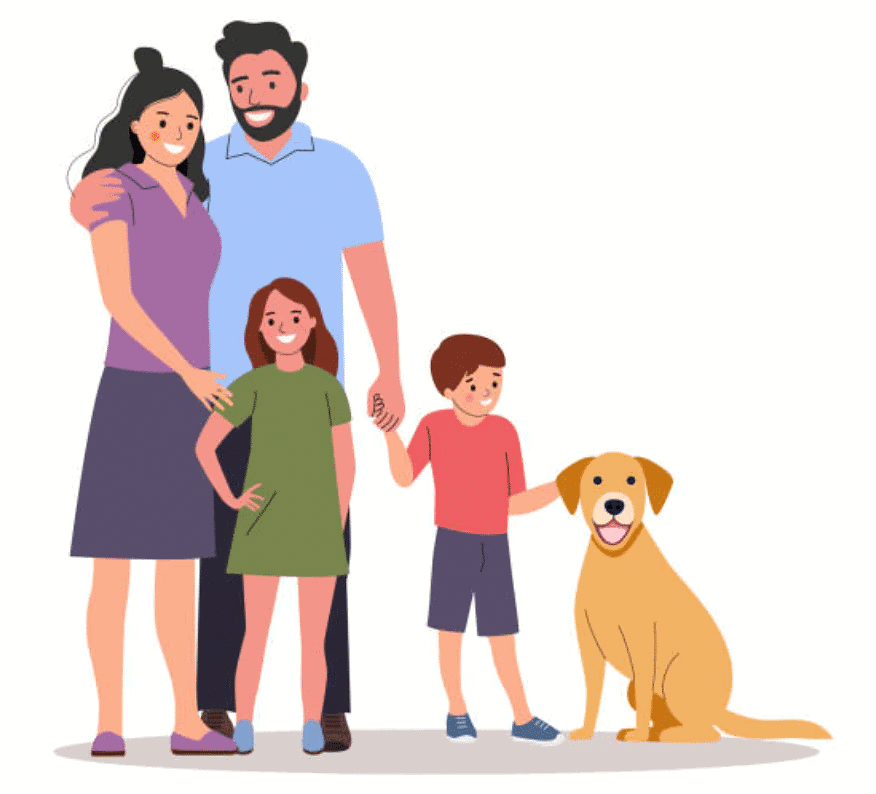
- Helpers in the home do useful work and are treated kindly.
- Pets wag tails, purr or chirp to show that they are happy.
- We must feed, care for and keep pets clean and safe.
How We Learn from Our Family
Our family teaches us good habits, language, traditions and values. Children learn to share, be polite and respect others at home. Families help children grow into kind and helpful people.
- We learn to speak our first words and many customs from family members.
- Family members teach us to be honest, kind and helpful.
- Parents and elders teach us about festivals, food and family traditions.
Activities to Do with Your Family
- Ask an elder to tell you a story from when they were young.
- Help your parents with a small task like watering plants or setting the table.
- Make a small family tree by drawing pictures of your family members and writing their names.
- Celebrate a small special day at home by singing a song or making a card for a family member.
Summary: My Family
- Family is a group of people who live together, love and help each other.
- Family members include father, mother, brother, sister, grandparents, uncles, aunts and cousins.
- Families can be big or small, and each family is special.
- Nuclear family - Parents and children living together.
- Joint family - Many family members from different generations living in one house.
- Single-parent family - Children are cared for by one parent.
- In a happy family everyone shares work, celebrates festivals, plays together and helps one another.
- Helpers and pets are important and should be loved and respected.
- Families teach us to be kind, respectful and caring.
Here is a fun revision video to help you remember all about families! Enjoy watching!
FAQs on Chapter Notes: My Family
| 1. What are the different types of family structures and how do they differ from each other? |  |
| 2. What are the main responsibilities of each family member in a household? | |
| 3. How do different family members show love and care towards each other? | |
| 4. What is the importance of family relationships and traditions in shaping a child's personality? | |
| 5. How can children contribute to making their family happy and maintaining family harmony? | |