JEE Exam  >  JEE Notes  >  Chemistry Main & Advanced  >  JEE Advanced Previous Year Questions (2018 - 2025): Haloalkanes and Haloarenes

JEE Advanced Previous Year Questions (2018 - 2025): Haloalkanes and Haloarenes

2023

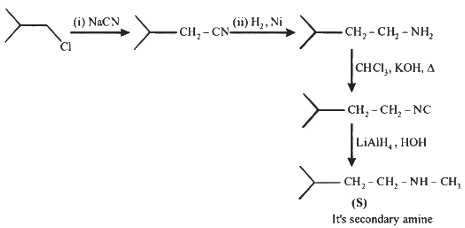
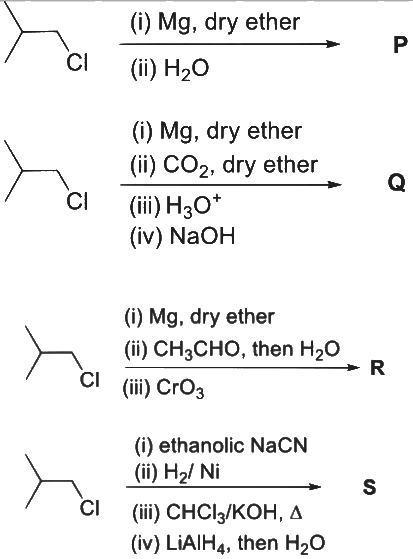
Q1: In the following reactions, P, Q, R, and S are the major products. 
2023

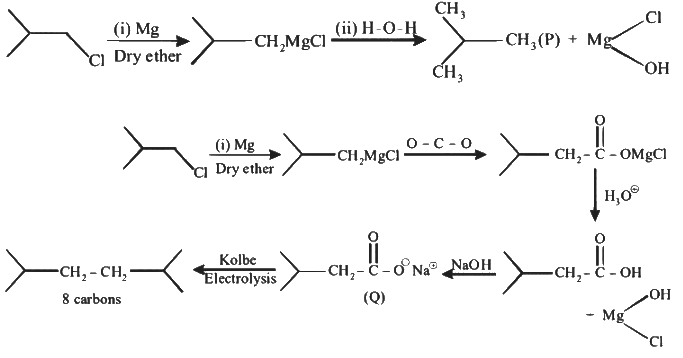
(a) P is a primary alcohol with four carbons.
(b) Q undergoes Kolbe's electrolysis to give an eight-carbon product.
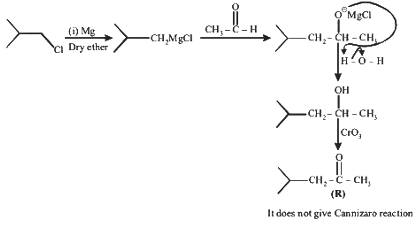
(c) R has six carbons and it undergoes Cannizzaro reaction.
(d) S  is a primary amine with six carbons.       [JEE Advanced 2023 Paper 2]
Ans:
(b)
202320232023

2021


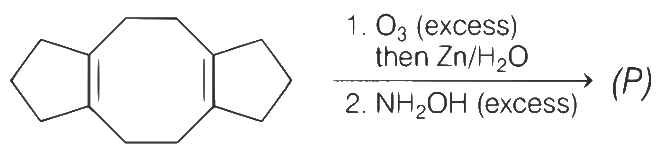
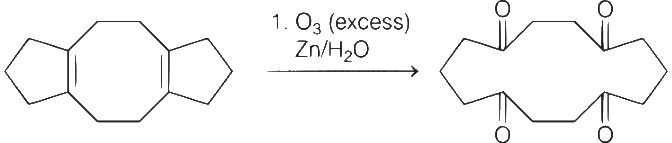
Q1: In the reaction given below, the total number of atoms having sp2 hybridization in the major product P is _________.        [JEE Advanced 2021 Paper 1]2021

Ans: 12
Alkene on treatment with ozone (O3) followed by treatment with Zn/H2O gives carbonyl compounds.
2021Carbonyl compounds react with NH2OH to give oximes.2021
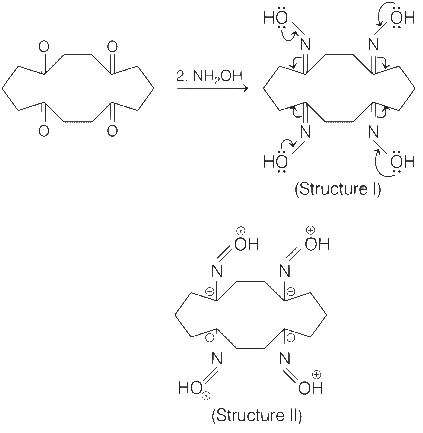
There are four sp2-carbon atoms, four sp2-nitrogen atoms and four sp2-oxygen atoms as shown in structures I and II.
Therefore, total number of atoms having sp2-hybridisation are twelve (12).

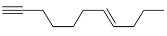
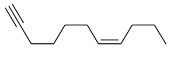
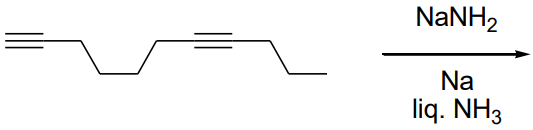
Q2: The major product formed in the following reaction of2021
(a) 2021
(b) 2021
(c) 2021
(d) 2021               [JEE Advanced 2021 Paper 1]
Ans: 
(b)
It is a case of Birch reduction. Alkynes on reaction with alkali metal in liq. NH3 gives trans-alkene. But terminal alkynes do not get reduced.2021

The document JEE Advanced Previous Year Questions (2018 - 2025): Haloalkanes and Haloarenes is a part of the JEE Course Chemistry for JEE Main & Advanced.
All you need of JEE at this link: JEE

FAQs on JEE Advanced Previous Year Questions (2018 - 2025): Haloalkanes and Haloarenes

1. What are the main types of nucleophilic substitution reactions in haloalkanes that appear in JEE Advanced?
Ans. JEE Advanced focuses on SN1 and SN2 mechanisms as the two primary nucleophilic substitution pathways in haloalkanes. SN2 occurs via a single bimolecular step with inversion of configuration and requires a strong nucleophile, while SN1 proceeds through a carbocation intermediate in two steps, allowing racemization. Understanding reaction rates, solvent effects, and substrate structure determines which mechanism dominates and is crucial for solving previous year questions on haloalkanes.
2. How do I identify whether a haloarene will undergo nucleophilic aromatic substitution in JEE Advanced problems?
Ans. Haloarenes undergo nucleophilic aromatic substitution when electron-withdrawing groups are ortho or para to the halogen, activating the aromatic ring toward nucleophilic attack. Electron-donating groups deactivate this reaction. Recognising these electronic effects and the presence of leaving groups determines reactivity patterns tested in JEE Advanced. Stronger electron-withdrawing groups like nitro groups significantly enhance substitution rates in haloarenes.
3. What's the difference between elimination and substitution reactions for haloalkanes in competitive exams?
Ans. Elimination (E1/E2) produces alkenes by removing HX, while substitution (SN1/SN2) replaces halogen with a nucleophile. Bulky bases and heat favour elimination; strong nucleophiles and polar aprotic solvents favour substitution in haloalkanes. Tertiary haloalkanes preferentially undergo elimination due to carbocation stability. This distinction is fundamental in JEE Advanced's mechanism-based questions on haloalkanes and their reactivity patterns.
4. Why do secondary haloalkanes show competing SN1 and SN2 pathways in JEE problems?
Ans. Secondary haloalkanes occupy an intermediate position where both mechanisms compete because carbocations are moderately stable and steric hindrance is moderate. Reaction conditions determine dominance: polar protic solvents, weak nucleophiles, and heat shift toward SN1, while polar aprotic solvents, strong nucleophiles, and low temperatures favour SN2. This competition is frequently tested in JEE Advanced through mechanism prediction and product identification in haloalkane reactions.
5. What reaction mechanisms do haloalkanes and haloarenes commonly show in JEE Advanced exams from 2018-2025?
Ans. Haloalkanes predominantly undergo nucleophilic substitution (SN1/SN2) and elimination (E1/E2) mechanisms, while haloarenes exhibit nucleophilic aromatic substitution, typically via benzyne intermediates or direct displacement when activated by electron-withdrawing groups. Previous year questions consistently test mechanism prediction, intermediate identification, and stereochemical outcomes. Refer to mind maps and flashcards on EduRev to visualise reaction pathways and distinguish between competing mechanisms in haloalkanes and haloarenes.
Explore Courses for JEE exam
Get EduRev Notes directly in your Google search
Related Searches
Summary, JEE Advanced Previous Year Questions (2018 - 2025): Haloalkanes and Haloarenes, Important questions, Previous Year Questions with Solutions, study material, Sample Paper, JEE Advanced Previous Year Questions (2018 - 2025): Haloalkanes and Haloarenes, Extra Questions, Exam, Semester Notes, mock tests for examination, Viva Questions, Objective type Questions, JEE Advanced Previous Year Questions (2018 - 2025): Haloalkanes and Haloarenes, practice quizzes, video lectures, past year papers, Free, pdf , MCQs, ppt, shortcuts and tricks;