Worksheet: Measurement - 1

Look at the pictures in the boxes. Answer the question by circling the correct picture
Q.1. Which is longer?


Q.2. Which is shorter?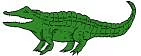
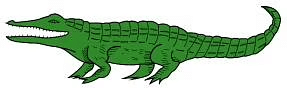
Q.3. Which is longer?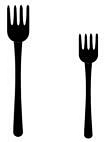
Q.4. Which is shorter?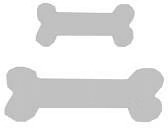
Q.5. Which is longer?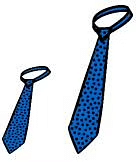
Q.6. Which is shorter?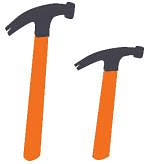
Q.7. Which is taller?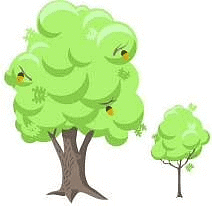
Q.8. Which is shorter?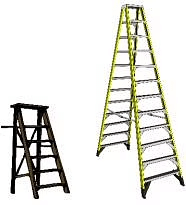
Q.9. Which is taller?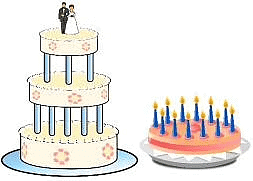
Q.10. Which is shorter?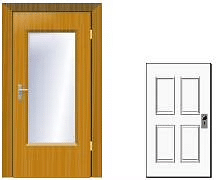
Q.11. Which is taller?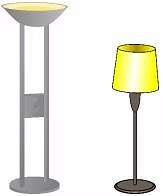
Q.12. Which is shorter?
Q.13. Order the three objects from the shortest to the longest. Write "1" under the shortest object and "3" under the longest object.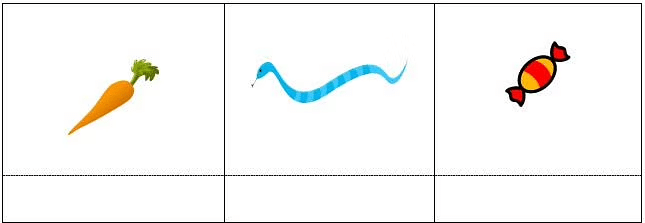
Q.14. Order the three objects from the shortest to the longest. Write "1" under the shortest object and "3" under the longest object.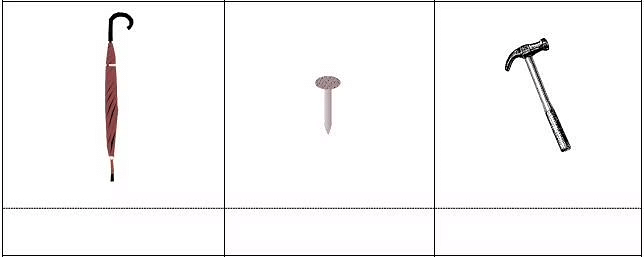
Q.15. Order the three objects from the shortest to the longest. Write "1" under the shortest object and "3" under the longest object.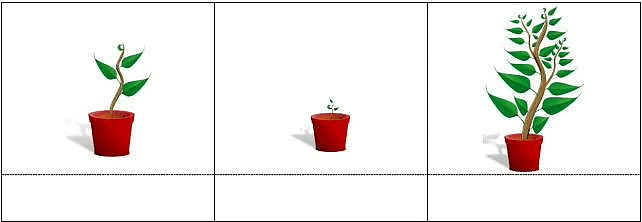
Q.16. Order the three objects from the shortest to the longest. Write "1" under the shortest object and "3" under the longest object.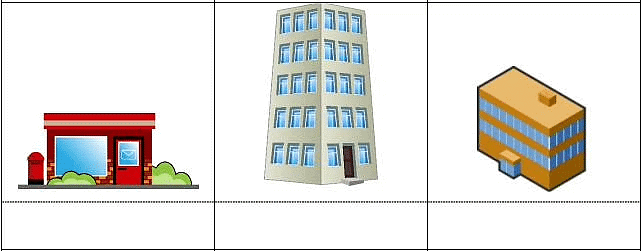
Q.17. Order the three objects from the shortest to the longest. Write "1" under the shortest object and "3" under the longest object.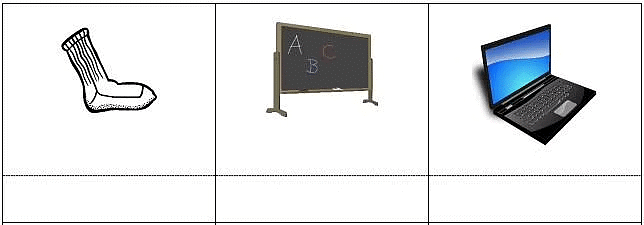
Q.18. Order the three objects from the shortest to the longest. Write "1" under the shortest object and "3" under the longest object.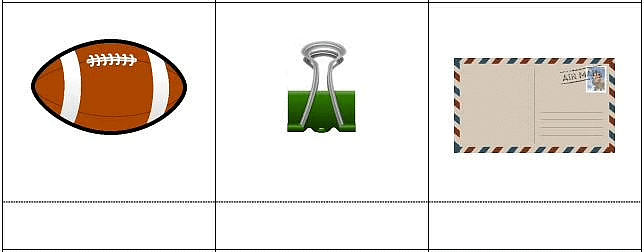
Q.19. Use a penny  to measure each picture below.
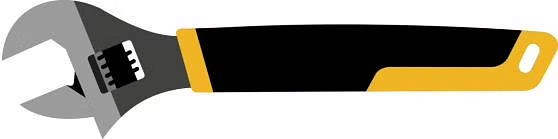 Length: ______ pennies
Q.20. Measure the following objects using the ruler provided Length: __________ inches
Q.21. Measure the following objects using the ruler provided.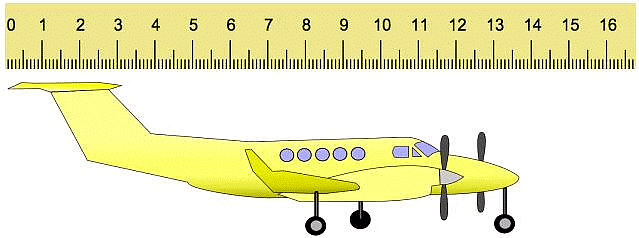 Length: __________ centimeters
Q.22. Using the ruler, measure the following crayons and circle the longest crayon. __________ inches
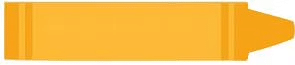 __________ inches
 __________ inches
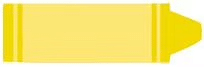 __________ inches
 __________ inches
 __________ inches
Q.23. Using the ruler, measure the following trains and circle the longest train.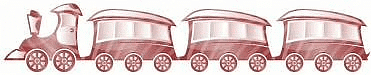 _____ centimeters
 _____ centimeters
 _____ centimeters
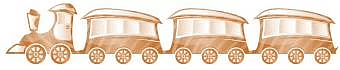 _____ centimeters
 _____ centimeters
Q.24. Measure the following objects and circle the longer object.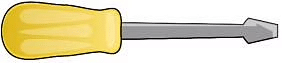 Length: __________ inches
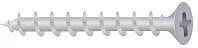 Length: __________ inches
Q.25. Measure the following objects and circle the shorter object.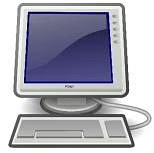 Length: __________ centimeters
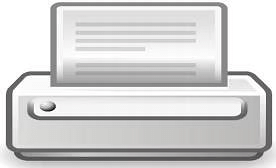 Length: __________ centimeters
The solutions of the worksheet "Measurement - 1"
FAQs on Worksheet: Measurement - 1
| 1. What are the different units of measurement commonly used in length, weight, and volume? |  |
| 2. How can I accurately measure the length of an object? | |
| 3. What tools are best for measuring weight? | |
| 4. What is the importance of converting measurements between different units? | |
| 5. How do I convert measurements from one unit to another? | |