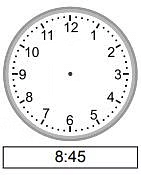
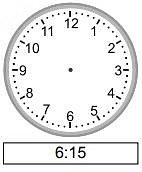
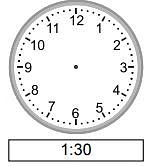
IGCSE Class 1  >  Class 1 Notes  >  Year 1 Mathematics (Cambridge)  >  Worksheet: Time

Worksheet: Time

Q.1. Circle the activities which take about one minute.

A.

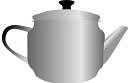
  Brewing tea Eating breakfast
 Worksheet: Time Worksheet: Time

B.

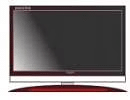
 Watching TV Counting from 1 to 20
 Worksheet: Time Worksheet: Time

C.

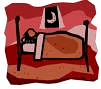
 Putting on a jacket   Sleeping
 Worksheet: Time Worksheet: Time

D.

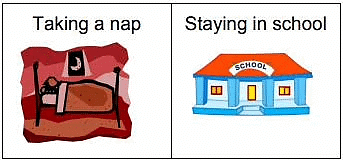
 Staying in school Drinking a cup of water
 Worksheet: Time Worksheet: Time

E.

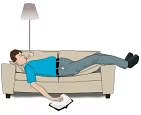
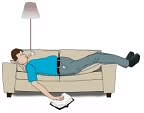
 Taking a nap Going up to the first floor
 Worksheet: Time Worksheet: Time

F.

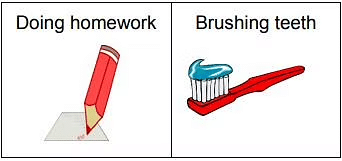
 Doing homework Brushing teeth
 Worksheet: Time Worksheet: Time

G.

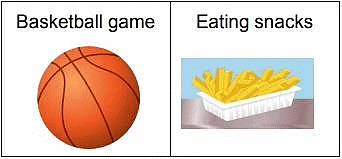
 Putting on shoes Eating snacks
 Worksheet: Time Worksheet: Time

Q.2. Circle the activities which take about one hour.
A.

 Putting on shoes  Swimming lesson
 Worksheet: Time Worksheet: Time

B.

 Waiting for the school bus  Drawing a picture 
 Worksheet: Time Worksheet: Time

C.

 Watching TV Taking a shower 
  Worksheet: Time Worksheet: Time

D.

 Going up to the first floor Riding a bike
 Worksheet: Time Worksheet: Time

E.

 Taking a nap  Counting from 1 to 20 
 Worksheet: TimeWorksheet: Time 

F.

 Christmas concert  Brewing tea 
 Worksheet: Time Worksheet: Time 

Q.3. Circle the activities which take about one day.
A.

 Decorating and hosting a birthday party  Taking a bath 
 Worksheet: Time Worksheet: Time

B.

 Watching TV  Flying from the US to Japan 
 Worksheet: Time Worksheet: Time

C.

 Being in school  Building a new house 
 Worksheet: Time Worksheet: Time

D.

 Going on a field trip  Drawing a picture 
 Worksheet: Time Worksheet: Time

E.

 Moving to a new apartment  Brushing Teeth 
 Worksheet: Time Worksheet: Time

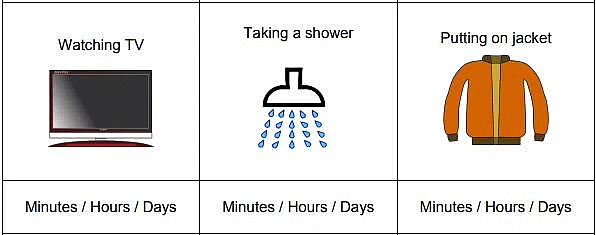
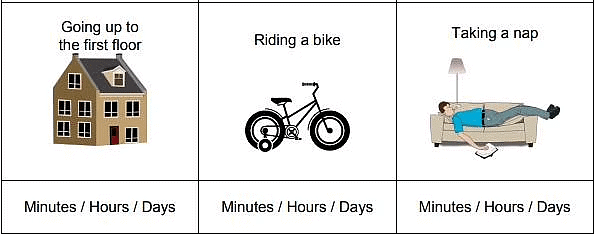
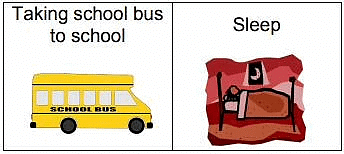
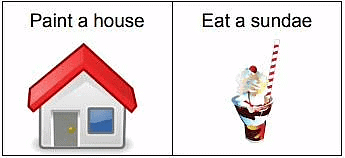
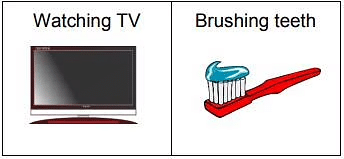
Q.4. Does this activity take minutes, hours or days?
A.Worksheet: Time
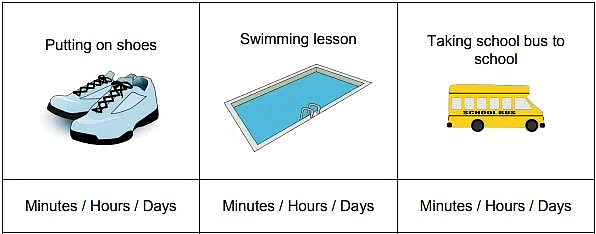
B.Worksheet: Time
C.Worksheet: Time 

Q.5. Which takes longer? Please circle.
A.Worksheet: Time
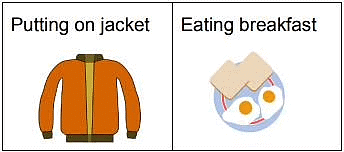
B.Worksheet: Time
C.Worksheet: Time
D.Worksheet: Time 

Q.6. Which takes less time? Please circle.
A.Worksheet: Time
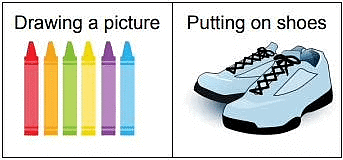
B.Worksheet: Time
C.Worksheet: Time
D.Worksheet: Time 

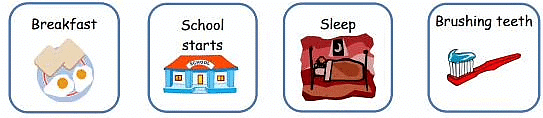
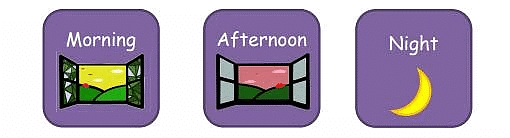
Q.7. Draw a line from each activity to the time of day.

  7:45 AM Get up 
 8:00 AM Breakfast
 8:30 AM Brushing teeth
  8:45 AM Get on school bus
 9:00 AM School starts
 12:30 PM Lunch
 3:30 PM School ends
 4:00 PM Snack
 4:45 PM Play
 6:00 PM Dinner
 6:30 PM Watch TV
 7:15 PM Read
 8:00 PM Sleep

Worksheet: TimeWorksheet: TimeWorksheet: Time

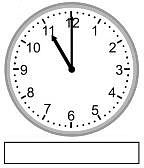
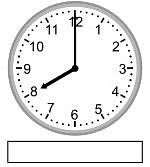
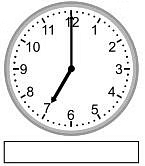
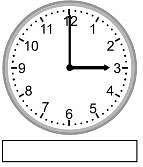
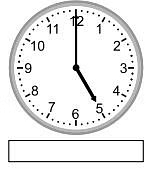
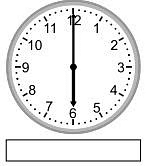
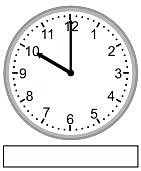
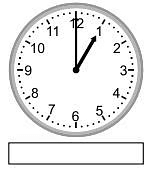
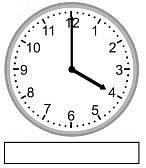
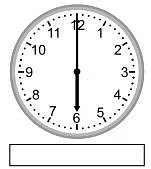
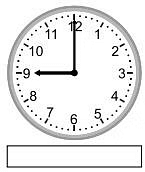
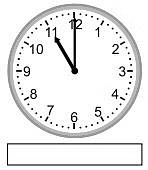
Q.8. Write the time below each clock. (Telling time - whole hours)
1.Worksheet: Time
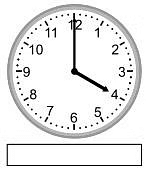
2.Worksheet: Time
3.Worksheet: Time
4.Worksheet: Time
5.Worksheet: Time
6.Worksheet: Time
7.Worksheet: Time
8.Worksheet: Time
9.Worksheet: Time 

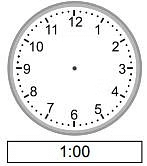
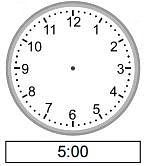
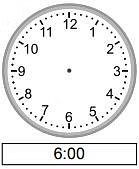
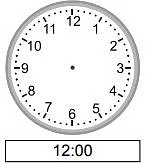
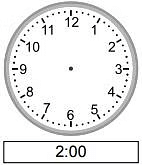
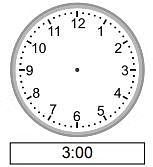
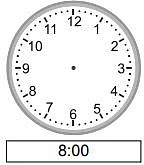
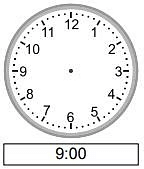
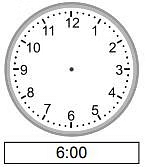
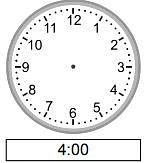
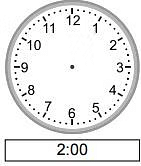
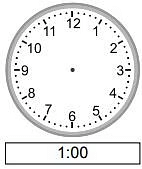
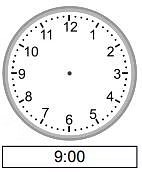
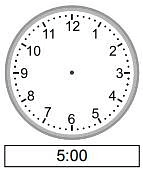
Q.9. Draw the time shown on each clock. Telling time - whole hours (draw the clock)
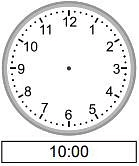
1.Worksheet: Time
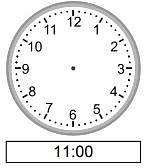
2.Worksheet: Time
3.Worksheet: Time
4.Worksheet: Time
5.Worksheet: Time
6.Worksheet: Time
7.Worksheet: Time
8.Worksheet: Time
9.Worksheet: Time 

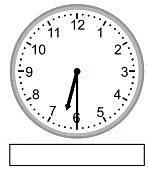
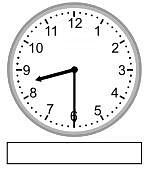
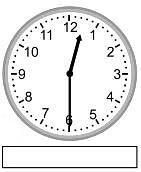
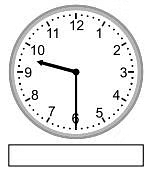
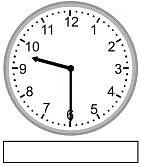
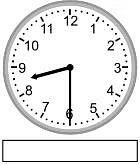
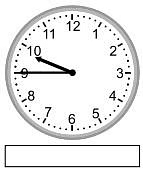
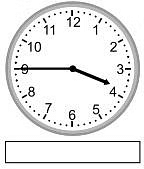
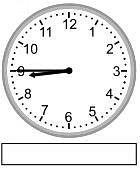
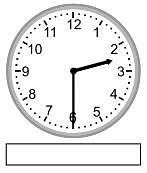
Q.10. Write the time below each clock. (Telling time - half hours)
1.Worksheet: Time
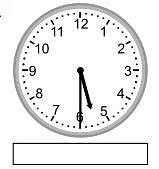
2.Worksheet: Time

3.Worksheet: Time

4.Worksheet: Time
5.Worksheet: Time

6.Worksheet: Time

7.Worksheet: Time
8.Worksheet: Time
9.Worksheet: Time

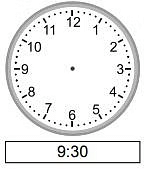
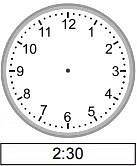
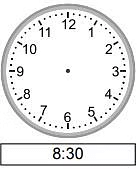
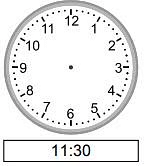
Q.11. Draw the time shown on each clock: Telling time - half hours (draw the clock)
1.Worksheet: Time
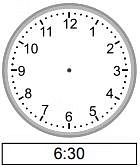
2.Worksheet: Time
3.Worksheet: Time
4.Worksheet: Time
5.Worksheet: Time
6.Worksheet: Time
7.Worksheet: Time
8.Worksheet: Time
9.Worksheet: Time 

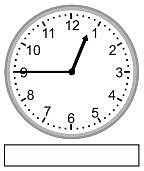
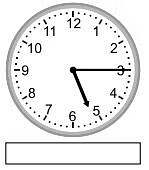
Q.12. Write the time below each clock. (Telling time - quarter hours)
1.Worksheet: Time
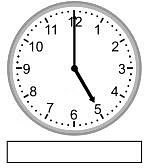
2.Worksheet: Time
3.Worksheet: Time
4.Worksheet: Time
5.Worksheet: Time
6.Worksheet: Time
7.Worksheet: Time
8.Worksheet: Time
9.Worksheet: Time 

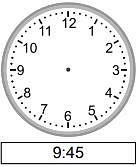
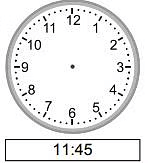
Q.13. Draw the time shown on each clock: Telling time - quarter hours (draw the clock)
1.Worksheet: Time
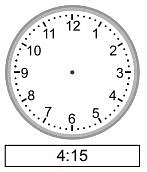
2.Worksheet: Time
3.Worksheet: Time
4.Worksheet: Time

5.Worksheet: Time
6.Worksheet: Time
7.Worksheet: Time
8.Worksheet: Time
9.Worksheet: Time

Q.14. Draw the clock hands to show the time it will be after one hour.
1. What time will it be in 1 hour 0 minutes?
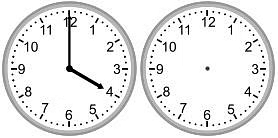
Worksheet: Time

2. What time will it be in 1 hour 0 minutes?
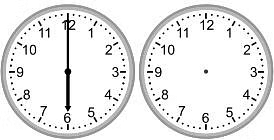
Worksheet: Time

3. What time will it be in 1 hour 0 minutes?
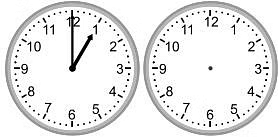
Worksheet: Time

4. What time will it be in 1 hour 0 minutes?
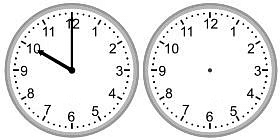
Worksheet: Time

5. What time will it be in 1 hour 0 minutes?
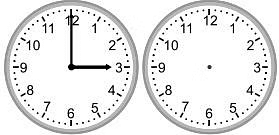
Worksheet: Time

6. What time will it be in 1 hour 0 minutes?
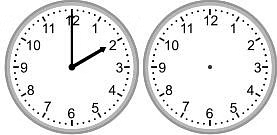
Worksheet: Time

Q.15. Draw the clock hands to show the time it will be after the number of hours given.
1. What time will it be in 5 hours 0 minutes?
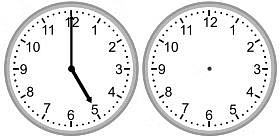
Worksheet: Time

2. What time will it be in 4 hours 0minutes?
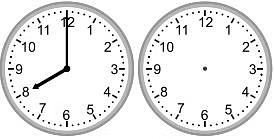
Worksheet: Time

3. What time will it be in 1 hour 0 minutes?
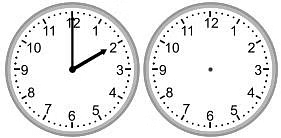
Worksheet: Time

4. What time will it be in 4 hours 0 minutes?
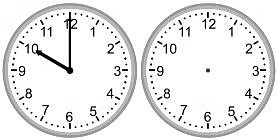
Worksheet: Time

5. What time will it be in 4 hours 0 minutes?
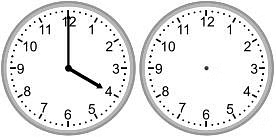
Worksheet: Time

6. What time will it be in 1 hour 0 minutes?
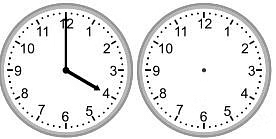
Worksheet: Time

Q.16. School starts at 9 o'clock in the morning and ends after 6 hours. What time does school end?

Worksheet: Time

Q.17. The train to Paris was scheduled to leave London at 7 o'clock in the morning, but it was delayed for one hour. If the trip usually takes about 2 hours, when will the train arrive at London?

Worksheet: Time

Q.18. Ken took a plane from New York to Los Angeles. It left New York at 4 o'clock in the afternoon and it took 6 hours to get to Los Angeles. At what time did Ken arrive at Los Angeles?

Worksheet: Time

Q.19.  A bakery starts selling bread at 8 o'clock in the morning. It usually takes 2 hours to bake the first batch of bread. At what time does the baker have to start baking in the morning?
Worksheet: Time

Q.20. The library only opens for four hours on Sundays. If it opens at 12 o'clock at noon, at what time does it close?
Worksheet: Time

The solutions of the worksheet "Time"

The document Worksheet: Time is a part of the Class 1 Course Year 1 Mathematics IGCSE (Cambridge).
All you need of Class 1 at this link: Class 1

FAQs on Worksheet: Time

1. How do I read and write time correctly in 12-hour and 24-hour formats?
Ans. The 12-hour format uses AM (morning) and PM (afternoon/evening) with hours from 1-12, while 24-hour format runs continuously from 00:00 to 23:59 without AM/PM labels. To convert, add 12 to PM hours (except 12 PM stays 12:00), and subtract 12 from 24-hour times after noon. For example, 3:30 PM becomes 15:30 in 24-hour time. Practising time conversion exercises regularly strengthens accuracy for daily schedules and exam problems.
2. What's the difference between analogue and digital clocks, and how do I tell time on each?
Ans. Analogue clocks use hour, minute, and sometimes second hands on a circular face, requiring students to interpret hand positions relative to numbers. Digital clocks display time as numbers directly (e.g., 14:35), making them easier to read instantly. Learning both formats is essential because analogue clocks develop visual-spatial skills, while digital time appears frequently in timetables, schedules, and modern devices. Refer to flashcards and mind maps to memorise hand positions and time intervals quickly.
3. How do I calculate elapsed time between two different times during the day?
Ans. To find elapsed time, subtract the start time from the end time, counting forwards in hours and minutes. If minutes in the end time are less than the start time, borrow one hour (60 minutes) from the hours. For example, from 2:45 PM to 5:20 PM is 2 hours and 35 minutes. Breaking calculations into hour chunks then adding remaining minutes prevents common errors. Time interval practice worksheets help build speed and confidence for word problems.
4. Why do I get confused between the minute hand and hour hand positions on an analogue clock?
Ans. The hour hand moves slowly and points between numbers (showing partial hours), while the minute hand moves faster and always points to a number directly, indicating minutes past the hour. Students often reverse these, assuming the longer hand shows hours. The minute hand travels a full circle in 60 minutes; the hour hand completes one rotation in 12 hours. Using visual worksheets with highlighted hands and colour-coded learning reinforces this distinction permanently.
5. How do I convert minutes and seconds into fractions of an hour for time-based maths problems?
Ans. Divide minutes by 60 to convert to hour fractions-30 minutes equals 0.5 hours, 15 minutes equals 0.25 hours. Similarly, divide seconds by 3,600 (total seconds in an hour). These conversions appear in speed-distance-time calculations and scheduling problems across Cambridge IGCSE mathematics. Understanding time as a continuous quantity rather than isolated units strengthens problem-solving across multiple topics and exam questions.
Explore Courses for Class 1 exam
Get EduRev Notes directly in your Google search
Related Searches
video lectures, Viva Questions, past year papers, practice quizzes, Sample Paper, study material, Semester Notes, Worksheet: Time, Free, pdf , ppt, shortcuts and tricks, mock tests for examination, Worksheet: Time, Extra Questions, Worksheet: Time, MCQs, Exam, Previous Year Questions with Solutions, Summary, Important questions, Objective type Questions;