Worksheet Solutions: The River

Q1: Multiple Choice Questions (MCQs)
(i) What is the river compared to in the poem?
(a) A mountain
(b) A wanderer
(c) A forest
(d) A valley
Ans: (b)
In the poem, the river is compared to a wanderer because it keeps moving from place to place without staying in one spot for long.
(ii) Why does the river sometimes seem like a beggar?
(a) It asks for money from people
(b) It flows slowly and gently
(c) It meanders and doesn't have a consistent flow
(d) It carries treasures along with it
Ans: (c)
The river behaves like a beggar because at times, it meanders and doesn't flow steadily, much like a beggar may not have a consistent income.
(iii) What does the river do with the treasures it comes across?
(a) It sells them
(b) It gives them away to people
(c) It collects and buries them
(d) It throws them back into the water
Ans: (c)
The river is described as a hoarder, as it collects and keeps little treasures it finds by burying them down deep.
(iv) When does the river sound like a baby?
(a) When it's angry
(b) When it's flowing quickly
(c) When it gurgles and hums
(d) When it's silent
Ans: (c)
The river is compared to a baby when it makes gurgling and humming sounds, suggesting a playful and cheerful mood.
(v) What happens when the river is hungry and vexed?
(a) It stops flowing
(b) It becomes a singer
(c) It turns into a monster
(d) It starts collecting treasures
Ans: (c)
When the river is hungry and vexed, it becomes destructive and can pose a threat by swallowing up trees and potentially even people who fall into it.
Q2: Fill in the Blanks
(i) The river behaves like a ________ as it flows along.
Ans: beggar
The river behaves like a beggar as it sometimes has to beg while it flows along.
(ii) The river doesn't stay in one place for long, so it doesn't set up its ________ anywhere.
Ans: camp
The river doesn't stay in one place for long, so it doesn't set up its camp anywhere.
(iii) The river twists and ________ through hills and valleys.
Ans: turns
The river twists and turns as it flows through hills and valleys.
(iv) The river collects and buries little ________ it comes across.
Ans: treasures
The river collects and buries little treasures it comes across.
(v) The river can be a ________ for people who fall into it.
Ans: monster
The river can be a monster for people who fall into it, especially when it's hungry and vexed.
Q3: Match the Column
Match the characteristics of the river from the poem to their descriptions:
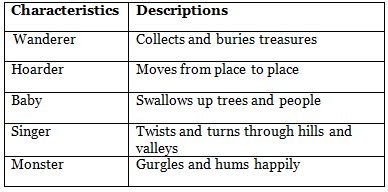 Ans:
Ans: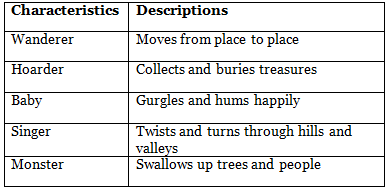
Q4: True or False
(i) The river stays in one place for a long time.
Ans: False
The river doesn't stay in one place for long.
(ii) The river sometimes has to beg as it flows along.
Ans: True
The river behaves like a beggar at times, suggesting it doesn't always flow steadily.
(iii) The river never twists and turns through hills and valleys.
Ans: False
The river does twist and turn as it flows through hills and valleys.
(iv) The river throws away the treasures it comes across.
Ans: False
The river collects and buries the treasures it finds.
(v) The river can be a threat to people if they fall into it.
Ans: True
The poem suggests that the river can be dangerous to people who fall into it, especially when it turns into a monster.
FAQs on Worksheet Solutions: The River
| 1. What is the importance of rivers? |  |
| 2. How are rivers formed? | |
| 3. What are the different parts of a river? | |
| 4. How do rivers contribute to the economy? | |
| 5. What are the environmental threats to rivers? | |