CBSE Class 1  >  Class 1 Notes  >  EVS  >  Worksheet: Sense Organs - 1

Worksheet: Sense Organs - 1

Which Sense Organ Helps?

Q1: The radio is playing music. Which sense organ helps you enjoy it?

Q2: You touch ice and feel cold. Which sense organ is working?

Q3: You watch a rainbow. Which sense organ is helping you? 

Fill in the Blanks

(Pick the correct word from the options in brackets.)

(i) We have ______ sense organs. (four, five, six)

(ii) ______ is the largest sense organ we have. (Skin, Eye, Ear)

(iii) Our nose helps us ______. (hear, smell, touch)

(iv) We listen to music with our ________________. (ears, nose, tongue)

(v) There are many _________ buds all over the tongue. (taste, sound, touch)

Guess the Taste

(i) Chocolate
(ii) Lemon
(iii) Bitter gourd
(iv) Chips
(v) Ice-cream

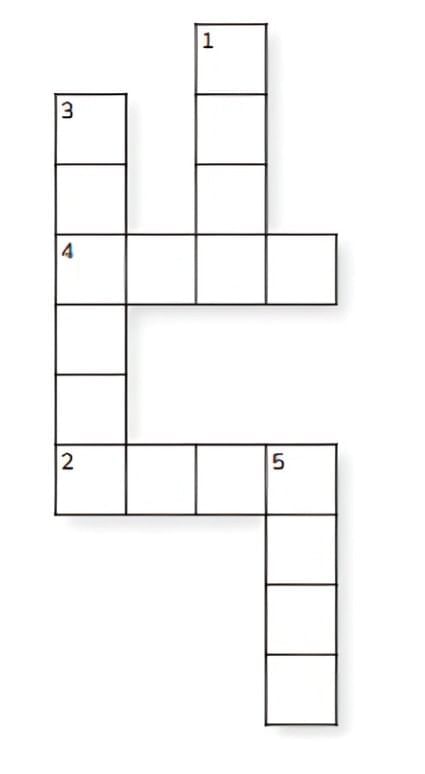
Crossword Puzzle

(Fill in the boxes using the clues given below to complete the crossword.)Crossword Puzzle
Drawing Activity

Draw one thing you can smell, one thing you can see, and one thing you can taste.

You can access the solutions to this worksheet here.

The document Worksheet: Sense Organs - 1 is a part of the Class 1 Course EVS for Class 1.
All you need of Class 1 at this link: Class 1

FAQs on Worksheet: Sense Organs - 1

1. What are the five sense organs and what does each one do?
Ans. The five sense organs are eyes (sight), ears (hearing), nose (smell), tongue (taste), and skin (touch). Each sense organ helps us detect different things in our environment. Eyes let us see colours and shapes, ears help us hear sounds, the nose helps us smell different odours, the tongue helps us taste sweet or salty foods, and skin helps us feel hot, cold, and texture. Together, these sensory organs help us understand and interact with the world around us.
2. How do sense organs help us stay safe in Class 1 EVS lessons?
Ans. Sense organs protect us by warning our body about danger. Our eyes help us see obstacles before we bump into them, our ears alert us to warning sounds like car horns, our nose detects smoke from fire, our tongue warns us when food is too hot, and our skin feels pain to protect us from harm. For example, when touching a hot plate, our skin's sense of heat signals danger, and we pull our hand away instantly. These protective abilities teach young learners about personal safety and awareness.
3. Why does my tongue have different areas that taste different things?
Ans. The tongue has different taste buds located in various regions that detect sweet, salty, sour, and bitter tastes. Taste buds are tiny sensory structures on the tongue's surface that send messages to the brain about what we're eating. Although all taste buds can sense all flavours, some areas are slightly more sensitive to certain tastes. This design helps us enjoy diverse foods and recognize when something might be unsafe to eat, making the tongue a complex sense organ.
4. What's the difference between how our eyes and ears work as sense organs?
Ans. Eyes detect light and send visual information to the brain, allowing us to see objects, colours, and movement. Ears capture sound waves and convert them into signals the brain interprets as sounds. Eyes work through the lens focusing light onto the retina, while ears use the eardrum and inner ear structures to process vibrations. Both are vital sensory organs, but they function through completely different physical processes and help us gather different types of information about our surroundings.
5. Can we improve or protect our sense organs in daily life?
Ans. Yes, protecting sense organs is essential for lifelong health. Eyes stay healthy when we avoid staring at screens too long and protect them from bright sunlight. Ears need protection from loud noises like crackers or heavy traffic. The nose stays clean through regular washing, the tongue benefits from good oral hygiene and avoiding very hot foods, and skin requires moisturizing and protection from extreme temperatures. Teaching Class 1 students these habits early develops lifelong awareness of sensory health and wellness.
Explore Courses for Class 1 exam
Get EduRev Notes directly in your Google search
Related Searches
shortcuts and tricks, Worksheet: Sense Organs - 1, past year papers, Objective type Questions, Worksheet: Sense Organs - 1, pdf , Free, Viva Questions, Summary, Important questions, Exam, ppt, video lectures, Semester Notes, Previous Year Questions with Solutions, mock tests for examination, MCQs, Sample Paper, Worksheet: Sense Organs - 1, practice quizzes, study material, Extra Questions;