CBSE Class 1 > Class 1 Notes > EVS > Worksheet: Festivals - 1
Worksheet: Festivals - 1

Q1: Name the Festivals.
(i)
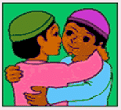
(ii) 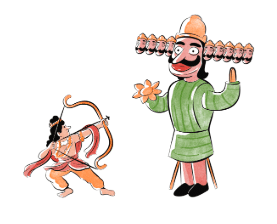
(iii) 
(iv) 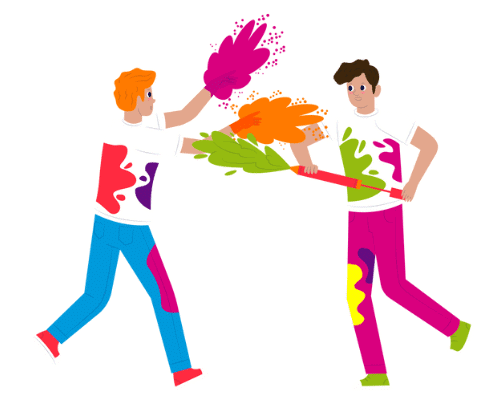
(v) 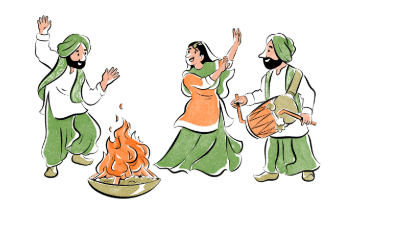
Q2: Fill in the blanks.
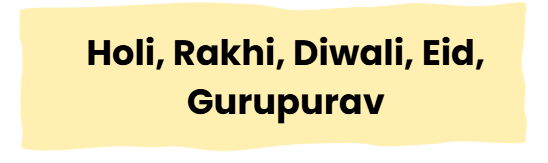 (i) ________ is the festival of colours.
(ii) ________ is the festival of brothers and sisters
(iii) _________ is the festival of lights.
(iv) On _________ we eat seviyan.
(v) On _________we go to Gurudwara.
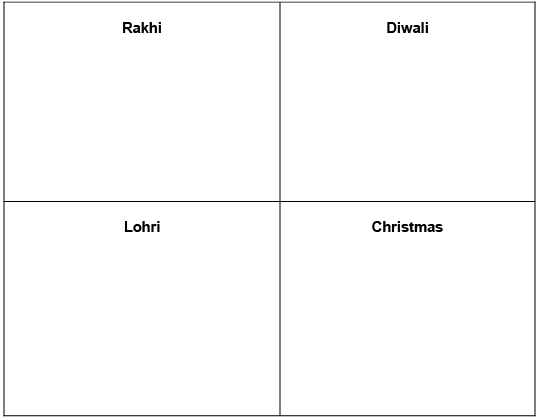
Q3: Draw a thing for each of the following festivals.
You can access the worksheet solutions here.
The document Worksheet: Festivals - 1 is a part of the Class 1 Course EVS for Class 1.
All you need of Class 1 at this link: Class 1
FAQs on Worksheet: Festivals - 1
| 1. What are the main festivals celebrated in India that Class 1 students should know about? |  |
Ans. India celebrates diverse festivals including Diwali, Holi, Eid, Christmas, and Pongal, each with unique cultural significance. Diwali is the festival of lights, Holi marks the arrival of spring, Eid celebrates the Islamic calendar, Christmas honours the birth of Jesus, and Pongal is a harvest festival. These festivals teach children about different traditions, religions, and the importance of unity in diversity across Indian society.
| 2. How are festivals celebrated differently in various parts of India? | |
Ans. Festival celebrations vary significantly across regions due to local customs and climate. Northern India celebrates Diwali with fireworks and sweets, while Southern India marks Pongal with harvest rituals and kolam designs. Western India's Navratri includes garba dancing, Eastern India observes Durga Puja with elaborate pandals, and North-Eastern states have unique tribal festivals. These regional variations reflect India's rich cultural diversity and geographical uniqueness.
| 3. Why do families decorate homes and wear new clothes during festivals? | |
Ans. Decoration and new clothing during festivals symbolise cleansing, renewal, and celebration of joy within families. Homes are decorated to welcome prosperity and positive energy, while new clothes represent fresh beginnings and respect for the occasion. These traditions help children understand that festivals are times for family bonding, happiness, and marking important cultural moments in the calendar year.
| 4. What is the difference between religious festivals and harvest festivals? | |
Ans. Religious festivals celebrate spiritual beliefs and events, like Diwali (victory of good over evil) and Christmas (birth of Jesus), while harvest festivals thank nature for crops, such as Pongal and Baisakhi. Religious festivals focus on faith and tradition, whereas harvest festivals connect communities to agriculture and seasons. Both types bring families together but serve different cultural and agricultural purposes in Indian society.
| 5. How can Class 1 students participate in festival activities and celebrations at home? | |
Ans. Young students can participate by helping decorate homes with rangoli and lights, making festival crafts, preparing simple dishes, wearing traditional clothes, and learning festival stories from elders. They can help light diyas, make greeting cards, and sing festival songs. These hands-on activities develop cultural awareness, creativity, and family connection while making festival celebrations memorable and educational for early learners.
About this Document

1.4K Views

4.69/5 Rating

Apr 22, 2026 Last updated
Document Description: Worksheet: Festivals - 1 for Class 1 2026 is part of EVS for Class 1 preparation. The notes and questions for Worksheet: Festivals - 1 have been prepared according to the Class 1 exam syllabus. Information about Worksheet: Festivals - 1 covers topics like and Worksheet: Festivals - 1 Example, for Class 1 2026 Exam. Find important definitions, questions, notes, meanings, examples, exercises and tests below for Worksheet: Festivals - 1.
Introduction of Worksheet: Festivals - 1 in English is available as part of our EVS for Class 1 for Class 1 & Worksheet: Festivals - 1 in Hindi for EVS for Class 1 course. Download more important topics related with notes, lectures and mock test series for Class 1 Exam by signing up for free. Class 1: Worksheet: Festivals - 1
Description
Worksheet: Festivals of EVS - variety of important questions with solutions, helping you prepare for exam. Download free PDF from EduRev.
Information about Worksheet: Festivals - 1
In this doc you can find the meaning of Worksheet: Festivals - 1 defined & explained in the simplest way possible. Besides explaining types of Worksheet: Festivals - 1 theory, EduRev gives you an ample number of questions to practice Worksheet: Festivals - 1 tests, examples and also practice Class 1 tests



Related Searches
pdf , Viva Questions, Previous Year Questions with Solutions, past year papers, Worksheet: Festivals - 1, Worksheet: Festivals - 1, Sample Paper, mock tests for examination, Extra Questions, Semester Notes, ppt, MCQs, practice quizzes, Objective type Questions, Free, Important questions, Exam, study material, Summary, Worksheet: Festivals - 1, shortcuts and tricks, video lectures;