CBSE Class 1  >  Class 1 Notes  >  EVS  >  Worksheet Solutions: Sense Organs - 1

Worksheet Solutions: Sense Organs - 1

Which Sense Organ Helps?

Q1: The radio is playing music. Which sense organ helps you enjoy it?
 Ans: 
Ears 

Q2: You touch ice and feel cold. Which sense organ is working?
 Ans:
Skin 

Q3: You watch a rainbow. Which sense organ is helping you? 
Ans: 
Eyes

Fill in the Blanks

(Pick the correct word from the options in brackets.)

(i) We have ______ sense organs. (four, five, six)
Ans: We have five sense organs.
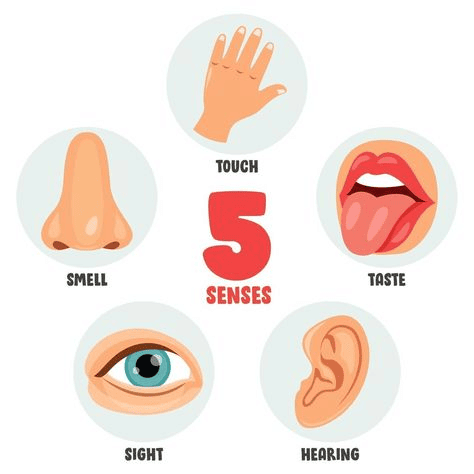
Sense OrgansSense Organs

(ii) ______ is the largest sense organ we have. (Skin, Eye, Ear)
Ans: Skin is the largest sense organ we have.

(iii) Our nose helps us ______. (hear, smell, touch)
Ans: Our nose helps us smell.

(iv) We listen to music with our ________________. (ears, nose, tongue)
Ans: We listen to music with our ears.

(v) There are many _________ buds all over the tongue. (taste, sound, touch)
Ans: There are many taste buds all over the tongue.
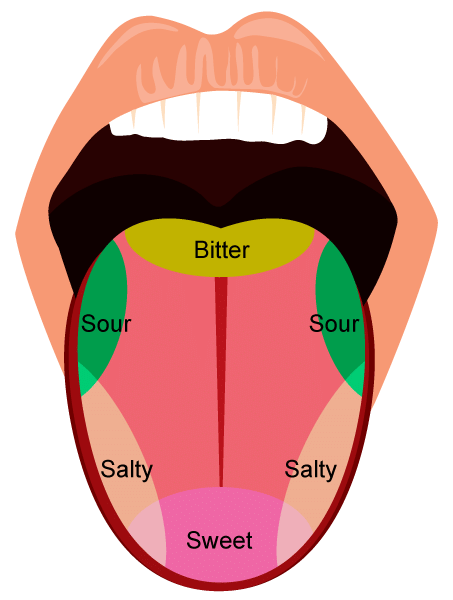
Taste Buds over TongueTaste Buds over Tongue

Guess the Taste

(i) Chocolate
Ans: Sweet
Explanation: Chocolate tastes sweet because it contains sugar, which is detected by the sweet receptors on our tongue.

(ii) Lemon
Ans: Sour 
Explanation: Lemon tastes sour because it has citric acid, which stimulates the sour taste buds on our tongue.

Lemon tastes SourLemon tastes Sour

(iii) Bitter gourd
Ans: Bitter
Explanation: Bitter gourd tastes bitter because of its natural compounds, which activate the bitter receptors on our tongue.

 Bitter gourd Bitter gourd

(iv) Chips
Ans: Salty
Explanation: Chips often taste salty due to the added salt, which is detected by the salt receptors on our tongue.

(v) Ice-cream
Ans: Sweet
Explanation: Ice-cream tastes sweet due to the sugar and flavors used in it. The sweetness is recognized by the sweet taste buds on our tongue.

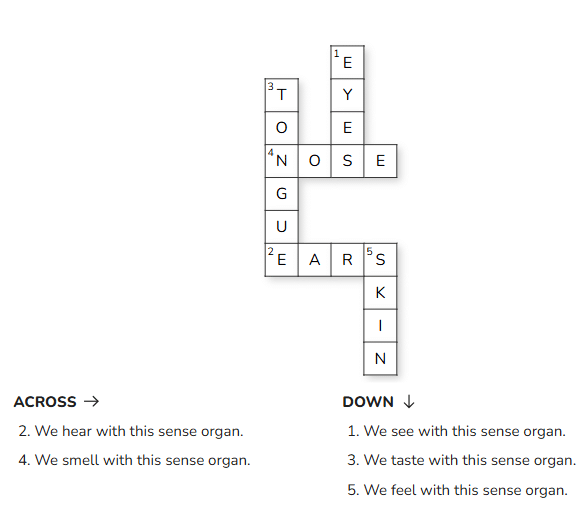
Crossword Puzzle

(Fill in the boxes using the clues given below to complete the crossword.)Crossword Puzzle

Ans:Crossword Puzzle

Drawing Activity

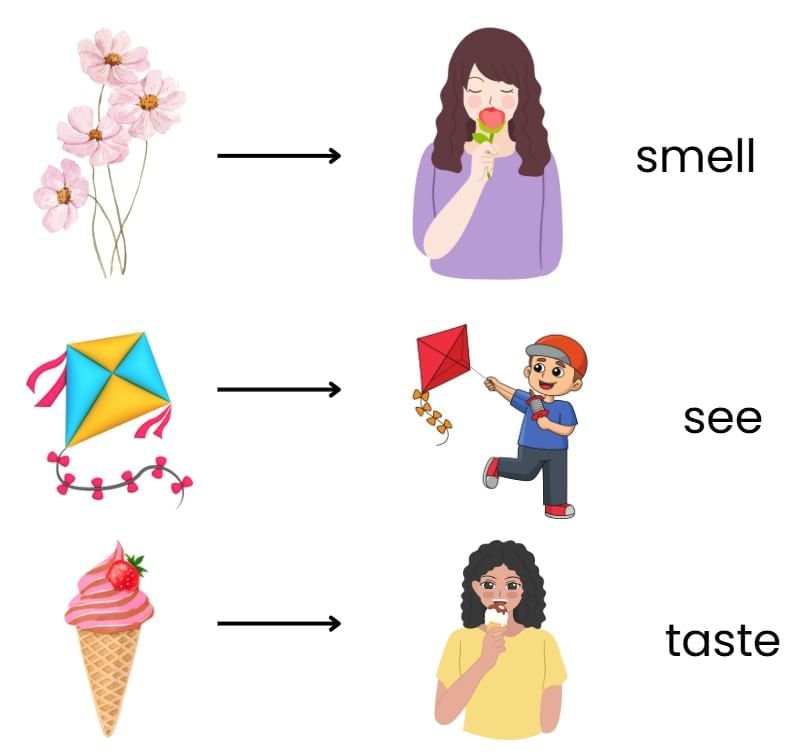
Draw one thing you can smell, one thing you can see, and one thing you can taste.

Ans:Drawing Activity
The document Worksheet Solutions: Sense Organs - 1 is a part of the Class 1 Course EVS for Class 1.
All you need of Class 1 at this link: Class 1

FAQs on Worksheet Solutions: Sense Organs - 1

1. What are the five sense organs and what does each one do?
Ans. The five sense organs are eyes (sight), ears (hearing), nose (smell), tongue (taste), and skin (touch). Each sense organ has special cells that collect information from the environment and send signals to the brain, helping us understand and interact with the world around us. These sensory receptors work together to protect us and allow us to experience everything.
2. How do sense organs help protect our body from danger?
Ans. Sense organs act as the body's warning system by detecting harmful situations instantly. Eyes warn us about obstacles and hazards, ears alert us to dangerous sounds, and skin's touch receptors help us sense extreme heat or sharp objects. The nose detects harmful smells like smoke or gas, allowing us to react quickly and stay safe from injury.
3. Why do we have different taste sensations on different parts of the tongue?
Ans. Different regions of the tongue contain taste buds sensitive to sweet, salty, sour, and bitter flavours, though this older idea has been largely revised by modern science. All taste receptors exist throughout the tongue but respond with varying sensitivity to different taste sensations. This allows us to fully experience and enjoy the flavour of food, helping us identify nutritious and safe foods from harmful ones.
4. What's the difference between how the nose and tongue work together for flavour?
Ans. The tongue detects basic tastes (sweet, salty, sour, bitter, umami), while the nose identifies specific flavours through smell receptors. When eating, aroma molecules travel from food to the nose, combining with taste signals to create complete flavour perception. Without smell, food tastes bland-this is why food loses flavour when you have a cold and your nose is blocked.
5. How do we use our skin as a sense organ to feel temperature and texture?
Ans. Skin contains millions of touch receptors that detect pressure, temperature, and texture. Different receptors respond to hot, cold, rough, and smooth sensations, sending instant messages to the brain. These sensory receptors help us identify objects, avoid burns or freezing, and experience physical sensations that keep us aware of our surroundings and protect us from harm.
Explore Courses for Class 1 exam
Get EduRev Notes directly in your Google search
Related Searches
shortcuts and tricks, Previous Year Questions with Solutions, video lectures, past year papers, Free, Important questions, Semester Notes, Worksheet Solutions: Sense Organs - 1, pdf , Worksheet Solutions: Sense Organs - 1, Sample Paper, Viva Questions, MCQs, practice quizzes, mock tests for examination, Summary, Extra Questions, Objective type Questions, study material, ppt, Worksheet Solutions: Sense Organs - 1, Exam;