Notes: Invention of Fire

Life of Early Humans
- Long ago, before there were big cities and cozy homes, early humans roamed the Earth.
- Their lives were very different from ours today.
- They didn't have comfortable beds to sleep in or cozy kitchens to cook their meals.
- Instead, they lived in caves or simple shelters made from branches and leaves.
- Every day, they faced many challenges, including extreme weather conditions, darkness, and the constant fear of wild animals.
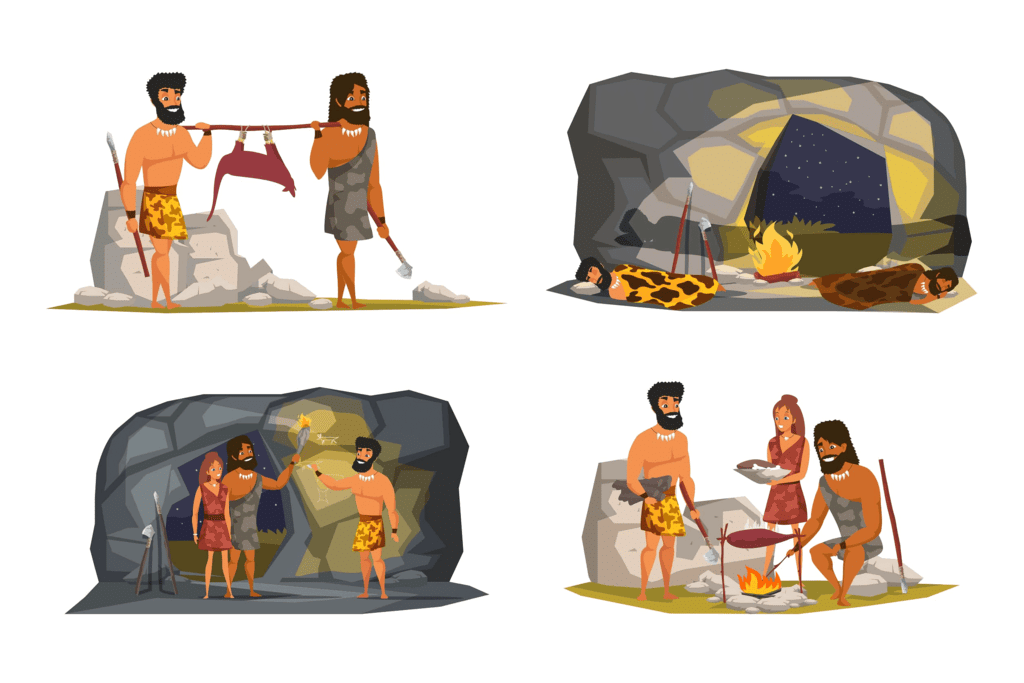
Story of The Discovery of Fire
One day, during a fierce storm, lightning struck a tall tree near a cave where some early humans were seeking shelter. The lightning set the tree on fire, creating a bright and warm glow in the darkness. Curious and intrigued by this unusual sight, one of the early humans cautiously approached the burning tree after the storm had passed. With bravery, they picked up a burning branch and carried it back to the cave.
Inside the cave, they found that the fire not only provided warmth but also illuminated the darkness, revealing the cave's interior in a whole new light. Excited by their discovery, they decided to keep the fire burning. They fed it sticks and dry leaves, ensuring that it continued to blaze brightly. This marked the beginning of humans' relationship with fire-a relationship that would change the course of history.
The Importance of Fire
As early humans learned to control fire, they realized its many benefits. Fire became an essential tool in their daily lives:
Cooking Food
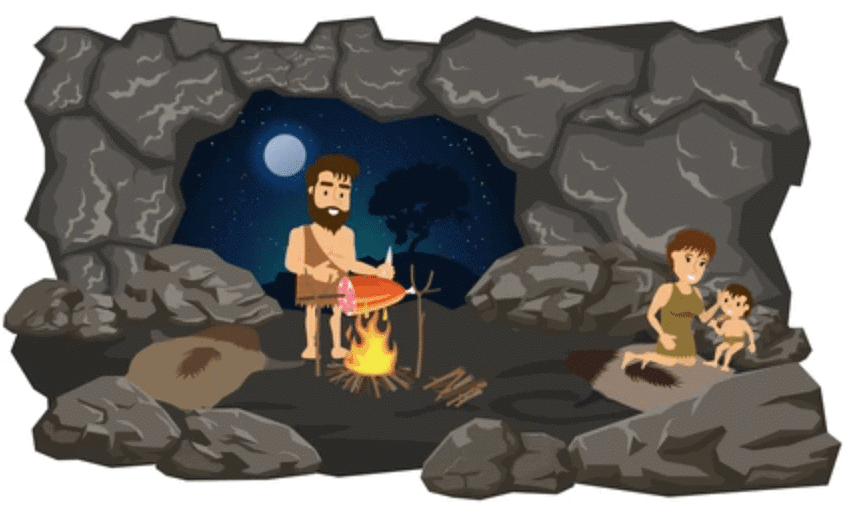
- One of the most significant uses of fire was for cooking food.
- Early humans discovered that roasting meat over the fire made it more tender and flavourful.
- This not only made their meals more enjoyable but also made it easier for them to digest certain foods.
Providing Warmth
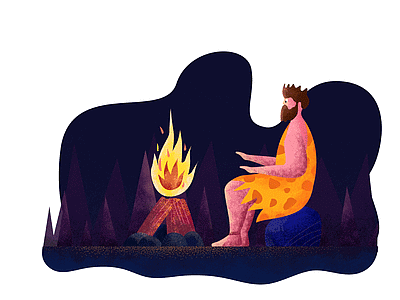
- In the chilly nights and harsh winters, fire provided much-needed warmth for early humans.
- Gathered around the fire, they could stay cozy and comfortable, protected from the cold.
Protection from Wild Animals
- Fire also served as a form of protection from the dangers of the wild.
- The bright flames and crackling sound of fire scared away many predatory animals;
- Allowing early humans to feel safer in their surroundings.
Illuminating the Night
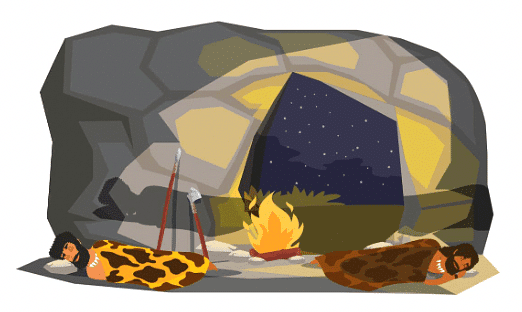
- Before the invention of artificial lighting, fire was the primary source of light after sunset.
- The warm glow of firelight enabled early humans to continue their activities;
- Even in the darkness, whether it was cooking, storytelling, or crafting tools.

Try yourself: What is one of the significant uses of fire mentioned in the passage?
Summary
The discovery of fire was a pivotal moment in human history. It transformed the lives of early humans, providing warmth, light, and protection. With fire at their disposal, early humans could conquer new challenges, explore new territories, and thrive in a world filled with uncertainties. The legacy of fire continues to shape our world today, reminding us of the ingenuity and resourcefulness of our ancestors.
FAQs on Notes: Invention of Fire
| 1. How did early humans discover fire? |  |
| 2. What impact did the discovery of fire have on early human life? | |
| 3. Why is fire considered important in the development of human civilization? | |
| 4. How did the use of fire contribute to early humans' ability to survive and thrive? | |
| 5. What are some other significant ways in which early humans utilized fire besides cooking? | |