IGCSE Class 1  >  Class 1 Notes  >  Year 1 Mathematics (Cambridge)  >  Worksheet: Measurement - 2

Worksheet: Measurement - 2

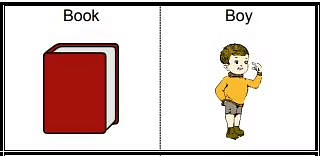
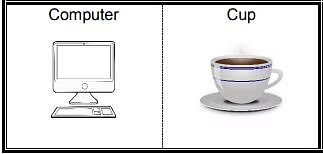
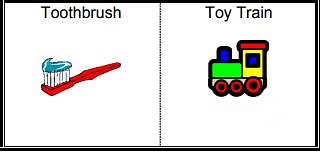
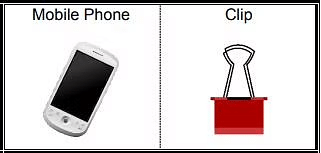
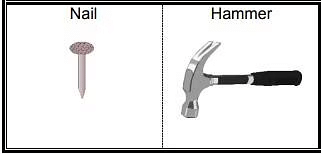
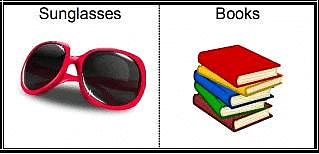
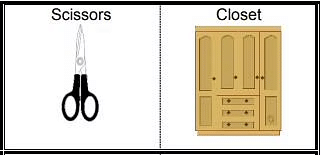
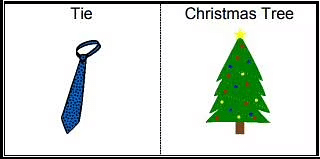
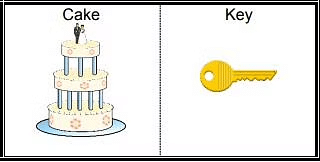
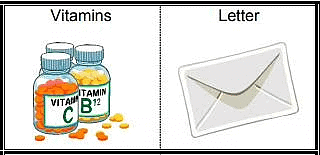
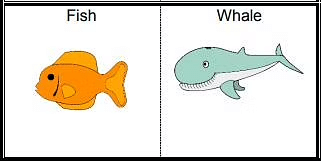
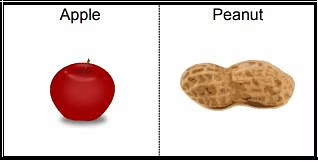
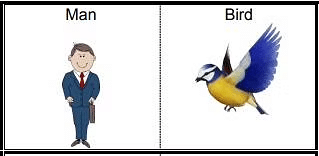
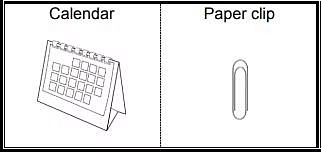
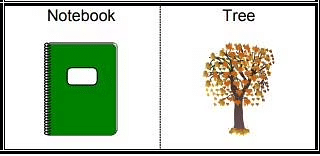
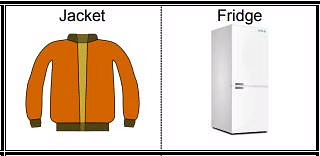
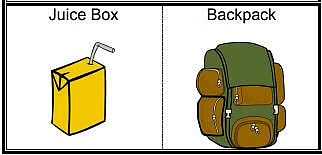
Q.1. Circle the object that weights more.
A.Worksheet: Measurement - 2
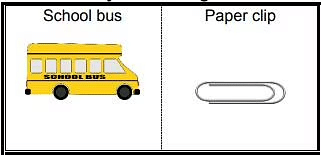
B.Worksheet: Measurement - 2 
C.Worksheet: Measurement - 2 
D.Worksheet: Measurement - 2 

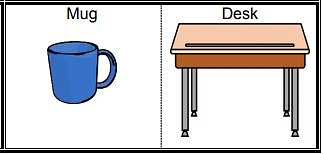
Q.2. Circle the object that weights less.
A.Worksheet: Measurement - 2
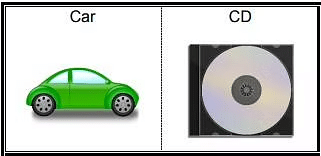
B.Worksheet: Measurement - 2
C.Worksheet: Measurement - 2
D.Worksheet: Measurement - 2 

Q.3. Circle the objects that weights more.
A.Worksheet: Measurement - 2
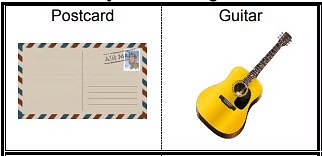
B.Worksheet: Measurement - 2
C.Worksheet: Measurement - 2
D.Worksheet: Measurement - 2 

Q.4. Circle the objects that weights less.
A.Worksheet: Measurement - 2
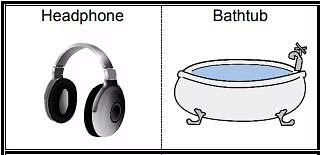
B.Worksheet: Measurement - 2
C.Worksheet: Measurement - 2
D.Worksheet: Measurement - 2

Q.5. Circle the objects that weights more.
A.Worksheet: Measurement - 2
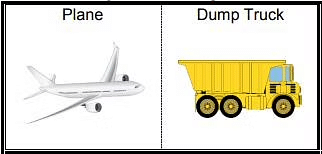
B.Worksheet: Measurement - 2
C.Worksheet: Measurement - 2
D.Worksheet: Measurement - 2

Q.6. Circle the objects that weights less.
A.Worksheet: Measurement - 2
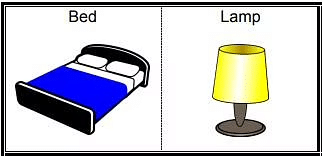
B.Worksheet: Measurement - 2
C.Worksheet: Measurement - 2
D.Worksheet: Measurement - 2

Q.7. Circle the objects that can hold more.
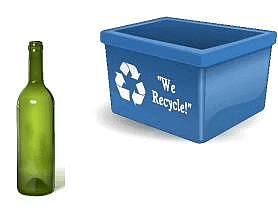
Worksheet: Measurement - 2

Q.8. Circle the objects that can hold more.
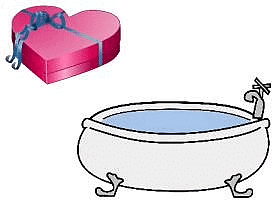
Worksheet: Measurement - 2

Q.9. Circle the objects that can hold more.
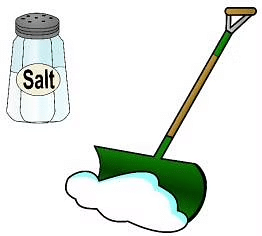
Worksheet: Measurement - 2

Q.10. Circle the objects that can hold more.
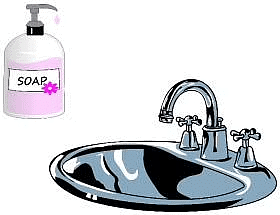
Worksheet: Measurement - 2

Q.11. Circle the objects that can hold more.
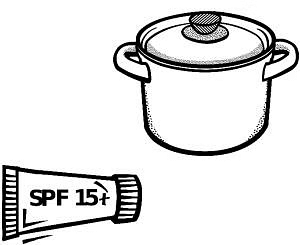
Worksheet: Measurement - 2

Q.12. Circle the objects that can hold less.
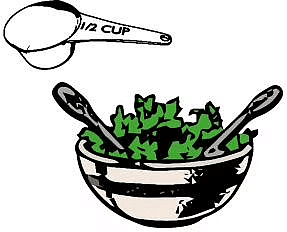
Worksheet: Measurement - 2

Read and answer each question.
It's arts and craft time for Jacob and his little brother Sean.

Worksheet: Measurement - 2

Q.13. Jacob's scissors are 7 inches long. Sean's scissors are 2 inches shorter than Jacob's. How long are Sean's scissors? 

Q.14. Their mother gives the boys two pieces of strings to use. Sean's string is 8 inches long and Jacob's is 5 inches long. What is the total length of their strings? 

Read and answer each question.
Ashley is helping her sister, Emily, to do her hair. Ashley has three pieces of ribbon: a 15-inch long red ribbon, an 8-inch long yellow ribbon and a 12-inch long purple ribbon.
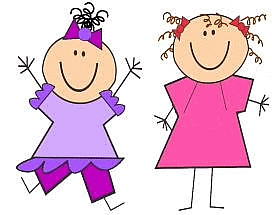
Worksheet: Measurement - 2

Q.15. Which piece of ribbon is the shortest? 

Q.16. Compared to the red one, how much shorter is the yellow one? 

Read and answer each question.
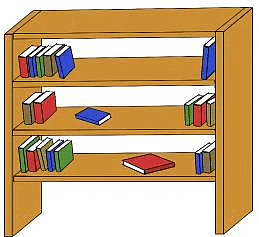
William is picking a bookshelf for his room. There is a brown shelf that is 15 inches tall, a white shelf that is 12 inches tall and a black shelf that is 20 inches tall.
Worksheet: Measurement - 2

Q.17. Which shelf is the tallest? 

Q.18. If he stacks the brown shelf on top of the white shelf, how tall will the shelves be? 

Read and answer each question.
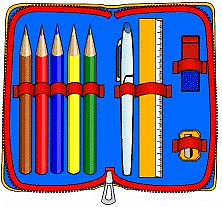
Emma has three rulers: a white one that is 15 cm long, a yellow one that is 25 cm long and a brown one that is 10 cm long.
Worksheet: Measurement - 2

Q.19. Which ruler is the shortest? 

Q.20. Compared to the shortest ruler, how much longer is the longest ruler? 

Read and answer each question.
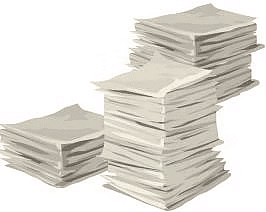
William has three stacks of cards. The stack of white cards is 20 cm thick. The stack of black cardstocks is 24 cm thick. The stack of brown cardstocks is 12 cm thick.
Worksheet: Measurement - 2

Q.21. Which stack of cards is the thinnest? 

Q.22. Compared to the white cards, how much thicker is the stack of black cards? 

Read and answer each question.
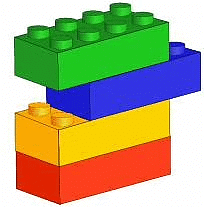
Sean has a box of building blocks. The blue blocks are 3 cm tall. The red blocks are 6 cm tall and the yellow blocks are 2 cm tall.
Worksheet: Measurement - 2

Q.23. Which kinds of blocks are the tallest? 

Q.24. Compared to a yellow block, how much taller is a red block? 

Q.25. If a blue block is stacked on top of a red block, how tall are the two blocks? 

The solutions of the worksheet "Measurement - 2"

The document Worksheet: Measurement - 2 is a part of the Class 1 Course Year 1 Mathematics IGCSE (Cambridge).
All you need of Class 1 at this link: Class 1

FAQs on Worksheet: Measurement - 2

1. What are the different units of measurement used in the metric system?
Ans. The metric system primarily uses units such as meters for length, grams for mass, and liters for volume. Other common units include kilometers for larger lengths, milligrams for smaller masses, and milliliters for smaller volumes.
2. How do you convert between different units of measurement?
Ans. To convert between different units, you need to know the conversion factors. For example, to convert meters to kilometers, divide by 1,000. To convert grams to kilograms, divide by 1,000 as well. Using these conversion factors allows you to switch between units easily.
3. What is the difference between mass and weight in measurement?
Ans. Mass is the amount of matter in an object and is measured in kilograms or grams. Weight, however, is the force exerted by gravity on that mass and is measured in newtons or pounds. Weight can change depending on the gravitational pull, while mass remains constant.
4. How can I measure the volume of an irregular object?
Ans. To measure the volume of an irregular object, you can use the water displacement method. Fill a graduated cylinder with a known volume of water, then submerge the object. The change in water level will indicate the volume of the object, as the volume displaced is equal to the object's volume.
5. Why is it important to use precise measurements in experiments?
Ans. Precise measurements are crucial in experiments because they ensure accuracy and reliability of results. Small errors in measurement can lead to significant differences in outcomes, affecting the validity of the experiment. Precise measurements help in replicating results and drawing correct conclusions.
Explore Courses for Class 1 exam
Get EduRev Notes directly in your Google search
Related Searches
Extra Questions, mock tests for examination, Summary, Previous Year Questions with Solutions, Important questions, Worksheet: Measurement - 2, study material, Worksheet: Measurement - 2, Objective type Questions, shortcuts and tricks, video lectures, Viva Questions, practice quizzes, Semester Notes, Free, MCQs, past year papers, Exam, pdf , ppt, Worksheet: Measurement - 2, Sample Paper;