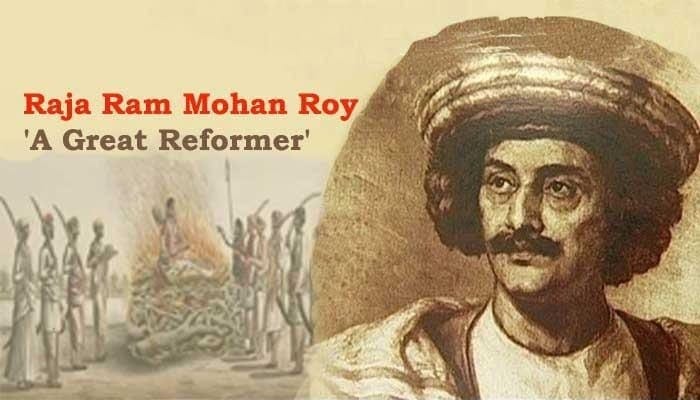
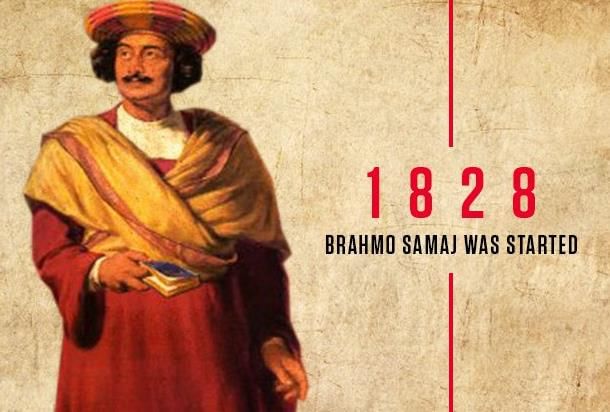
Raja Rammohan Roy (1772-1833) is widely regarded as a pioneer of modern socio-religious reform in India. He argued for a rational, ethical interpretation of religion and worked to remove practices he considered irrational or oppressive. His writings included Gift to Monotheists (1809) and translations of the Vedas and the Upanishads into Bengali to demonstrate his view that key Hindu texts supported monotheism. In Precepts of Jesus (1820) he emphasised the moral and philosophical message of Christianity separate from ecclesiastical dogmas. In 1814 he established the Atmiya Sabha (Society of Friends) in Calcutta and, in August 1828, he founded the Brahmo Sabha, later known as the Brahmo Samaj.
The Brahmo Samaj advocated the worship of the one eternal, immutable Divine Being and opposed idolatry, ritualism and polytheism.
Its approach combined reference to the Vedanta and Upanishadic ideas with a faith in human reason and conscience; no scripture was to be above reason.
The Samaj criticised the rigid caste system and aimed at moral reform, religious purification, and social uplift.
Rammohan Roy campaigned against oppressive social practices and orthodox opposition; orthodox elements formed the Dharma Sabha under Raja Radhakanta Deb to resist his reforms.
Rammohan's death in 1833 was an early setback, but his ideas gave long-term momentum to reform movements in Bengal and beyond.
Principal features of the Brahmo Samaj included:
denunciation of polytheism and idol worship,
rejection of faith in divine avatars,
denial that any scripture was absolute above reason and conscience,
no authoritative prescription on karma or transmigration-individuals were free to decide,
criticism of caste discrimination.
Raja Rammohan Roy's social-reform activities
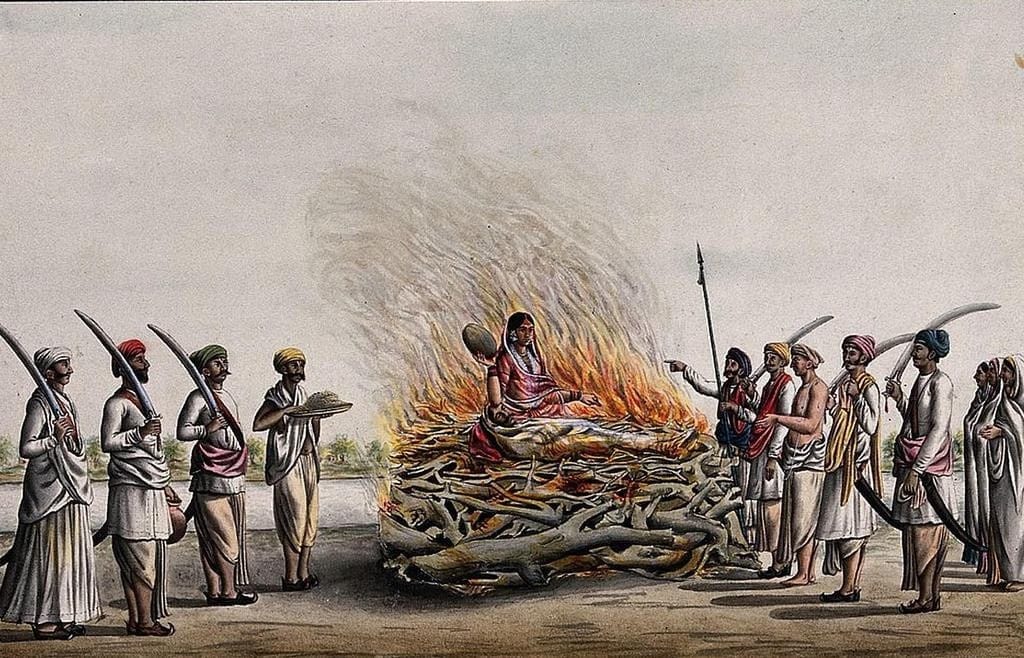
Practice of Sati
Roy led an active campaign against the practice of sati, beginning public agitation in 1818; this contributed to the Regulation (Sati) of 1829, which declared the practice illegal.
He condemned polygamy and the social degradation of widows and demanded rights to inheritance and property for women.
He supported modern education: he backed the founding of the Hindu College (1817) and established an English school that taught scientific subjects and Western thought; he started a Vedanta College in 1825 combining Indian learning with Western social and physical sciences.
He criticised oppressive zamindari practices, demanded fair rents and abolition of certain feudal taxes, and worked with Indian and European associates such as David Hare, Alexander Duff, and members of the Tagore family.
Debendranath Tagore and the Tattvabodhini Sabha
Maharishi Debendranath Tagore (1817-1905) joined the Brahmo Samaj in 1842 and headed the Tattvabodhini Sabha (founded 1839) and its journal Tattvabodhini Patrika which promoted systematic, rational study of Indian texts and publicised Rammohan Roy's ideas in Bengali.
Debendranath worked to strengthen the Samaj internally as a reform movement within Hinduism and externally to respond to Christian missionary criticism without accepting proselytisation.
Keshab Chandra Sen and the splits in the Brahmo Samaj
Keshab Chandra Sen (1838-1884) joined the Samaj in 1858 and rapidly popularised it; he opened branches beyond Bengal-in the United Provinces, Punjab, Bombay and Madras.
Internal disagreements led to his dismissal as acharya in 1865; he and his followers formed the Brahmo Samaj of India in 1866, while Debendranath's group continued as the Adi Brahmo Samaj.
In 1878 further differences resulted in the formation of the Sadharan Brahmo Samaj by leaders such as Ananda Mohan Bose, Shibchandra Deb and Umesh Chandra Datta; Brahmo centres were also established in Madras province and in Punjab (Dayal Singh Trust, Dayal Singh College at Lahore, 1910).
Significance of the Brahmo Samaj
Condemned social attitudes that discouraged travel abroad and promoted a modern outlook that improved the status of women by opposing sati, advocating education for women, discouraging child marriage and purdah, supporting widow remarriage and property rights.
Attacked caste prejudices and untouchability, though with limited mass success in that period.
Provided a constitutional, print- and association-based programme of reform that influenced later national and social movements.
MULTIPLE CHOICE QUESTION
Try yourself: What was the main objective of the Brahmo Samaj?
A
To promote idol worship and rituals.
B
To advocate for polytheism.
C
To purify Hinduism and preach monotheism.
D
To support the caste system.
Correct Answer: C
- The Brahmo Samaj, founded by Raja Rammohan Roy, aimed to purify Hinduism and preach monotheism. - The Samaj opposed idol worship and meaningless rituals. - It emphasized the worship of the Eternal, Unsearchable, Immutable Being. - The Samaj's agenda was based on reason and the Vedas and Upanishads. - It denounced polytheism, divine avatars, and the caste system. - The main objective of the Brahmo Samaj was to reform and modernize Hinduism by promoting monotheistic beliefs.
Report a problem
2. Prarthana Samaj
Atmaram Pandurang
The Prarthana Samaj was founded in Bombay in 1867 with assistance from Keshab Chandra Sen and Atmaram Pandurang as a reformist, devotional movement influenced by the bhakti tradition of Maharashtra.
A predecessor was the Paramahansa Sabha, a smaller body that spread liberal ideas and challenged caste barriers.
Key leaders included Mahadeo Govind Ranade (1842-1901), R.G. Bhandarkar (1837-1925) and N.G. Chandavarkar (1855-1923); Ranade and others promoted social reform combined with public education and constitutional methods.
The Prarthana Samaj's social agenda included:
opposition to the caste system,
promotion of women's education,
support for widow remarriage,
raising the age of marriage for both sexes.
Reformers associated with it included Dhondo Keshav Karve and Vishnu Shastri, who worked on female education and widow welfare.
3. Young Bengal Movement and Henry Vivian Derozio
The Young Bengal group emerged in the late 1820s and early 1830s around Henry Vivian Derozio (1809-1831), an Anglo-Indian teacher at the Hindu College (1826-1831) who encouraged radical, rational thinking.
The Derozians championed free thought, education, social critique and public discussion; they demanded Indian representation in higher service, protection for ryots, freedom of the press and legal rights like trial by jury.
They had limited mass impact because of their urban, English-educated base and their weak connection to peasant and working-class concerns; their radicalism was often verbal and bookish.
Later leaders and commentators such as Surendranath Banerjea praised them as pioneers of modern Bengali public life.
Surendranath Banerjea
MULTIPLE CHOICE QUESTION
Try yourself: What were the main objectives of the Brahmo Samaj and the Prarthana Samaj?
A
To promote the spread of Christianity in India.
B
To fight against the practice of sati and promote women's rights.
C
To encourage the study of Indian history and culture.
D
To protest against the British rule in India.
Correct Answer: B
- The main objectives of the Brahmo Samaj were to fight against the inhuman practice of sati, promote women's rights, condemn oppressive practices of zamindars, and work towards the abolition of casteism and untouchability. - The Prarthana Samaj aimed to disapprove of the caste system, promote women's education, advocate for widow remarriage, and raise the age of marriage for both males and females. - Both these reformist movements played a crucial role in advocating social reforms and challenging prevailing social norms in India during the 19th century.
Report a problem
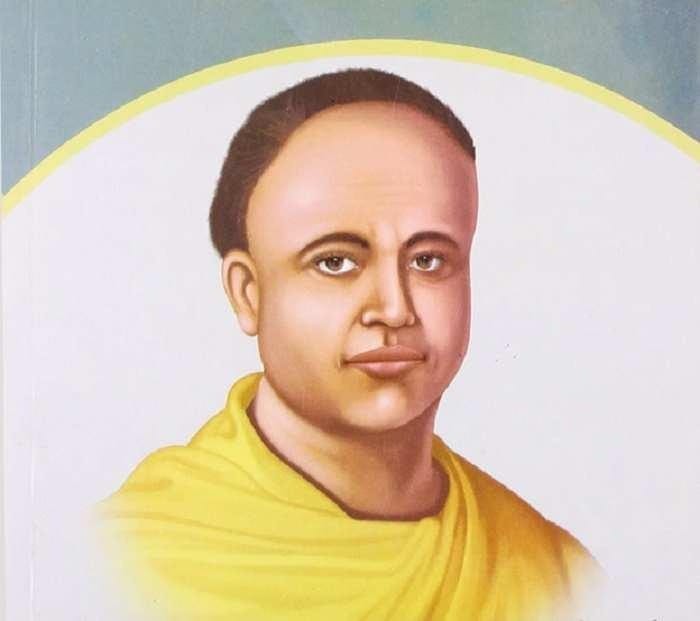
4. Ishwar Chandra Vidyasagar
Ishwar Chandra Vidyasagar
Ishwar Chandra Vidyasagar (1820-1891) blended Indian humanist values with selective Western ideas; he was a strong advocate of social reform and education.
He led the movement for widow remarriage, which culminated in the Widow Remarriage Act of 1856, and campaigned against child marriage and polygamy.
As an educational administrator, he helped organize and support girls' schools-directly running many at his expense-and reformed curricula and school organisation.
5. Balshastri Jambhekar
Balshastri Jambhekar
Balshastri Jambhekar (1812-1846) is regarded as the father of Marathi journalism and an important social reformer in Bombay.
He started the newspaper Darpan in 1832 and Digdarshan in 1840, publishing articles on social reform, science and history to challenge Brahminical orthodoxy.
He founded the Bombay Native General Library, the Native Improvement Society and related libraries, and served as the first professor of Hindi at Elphinstone College; he was also involved with the Colaba Observatory.
6. Paramahansa Mandali
Founded in Maharashtra in 1849 by reformers including Dadoba Pandurang and Mehtaji Durgaram, the Paramahansa Mandali began as a secret society working for religious and social reform.
Its ideology paralleled that of the Manav Dharma Sabha and emphasised rational religion and social equality over ritual orthodoxy.
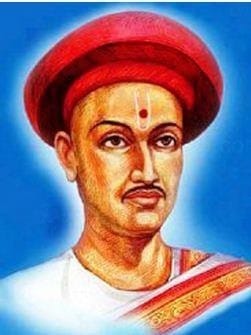
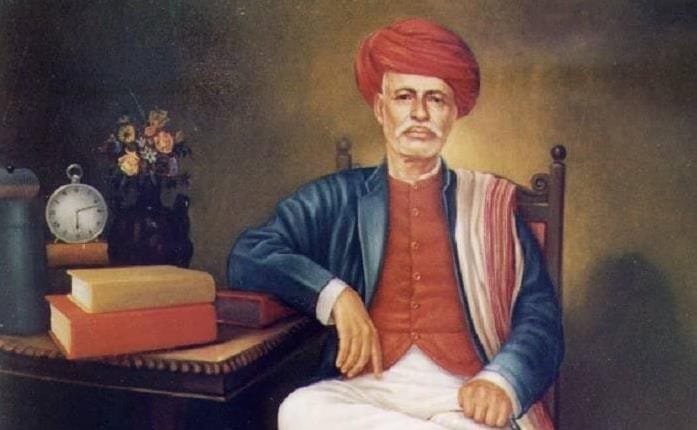
7. Satyashodhak Samaj and Jyotiba Phule
Jyotiba Phule
Jyotiba (Jyotirao) Phule (1827-1890) organised a movement against Brahminical dominance and caste oppression. He founded the Satyashodhak Samaj (Truth Seekers' Society) in 1873 to promote social service and education among backward classes and women.
Main aims included social service and widespread education for women and lower-caste people; Phule's writings such as Sarvajanik Satyadharma and Gulamgiri inspired the masses.
He used alternative symbols (for example, invoking the figure of Rajah Bali against orthodox Rama symbolism) and was honoured by some as a social apostle or Mahatma.
8. Gopal Hari Deshmukh 'Lokahitawadi'
Gopalhari Deshmukh
Gopal Hari Deshmukh (1823-1892), known by the pen name Lokahitawadi, was a Maharashtra-based rationalist and reformer who wrote on social issues and urged practical reforms.
He edited and started weeklies such as Prabhakar and Hitechhu and helped found periodicals like Gyan Prakash, Indu Prakash and Lokahitawadi, using print to mobilise public opinion for change.
He argued that if a religion prevented social reform, people should change religion rather than perpetuate injustice.
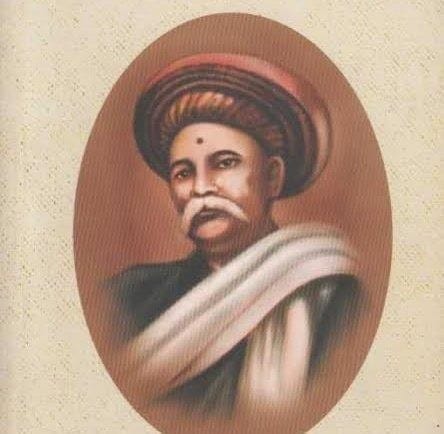
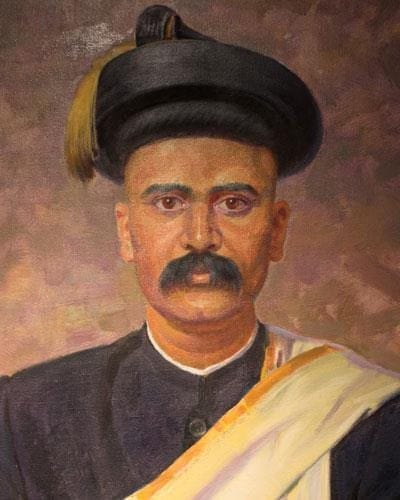
9. Gopal Ganesh Agarkar
Gopal Ganesh Agarkar
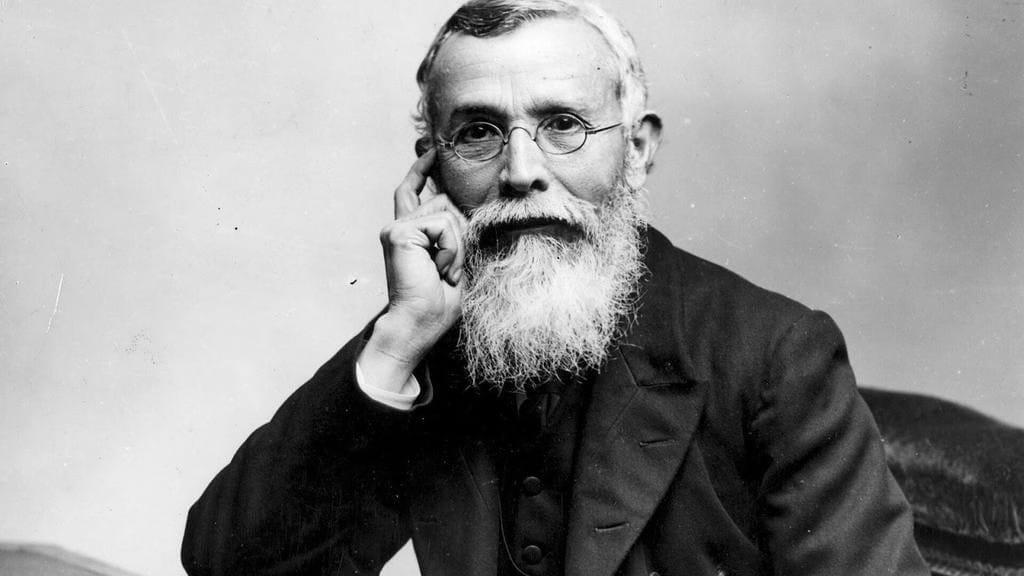
Gopal Ganesh Agarkar (1856-1895) was an educationist and critic of blind traditionalism in Maharashtra.
He served as the first editor of Kesarī (started by Bal Gangadhar Tilak) and later founded Sudharak to campaign against untouchability and caste prejudices while emphasising rational education.
10. The Servants of India Society
Gopal Krishna Gokhale (1866-1915) founded the Servants of India Society in 1905, with guidance from M.G. Ranade, to train workers committed to public service and constitutional reform for India's welfare.
The society aimed to promote India's interests by peaceful and constitutional means and to create a cadre of disciplined, selfless social workers.
In 1911 the journal Hitavada began to project the society's views; after Gokhale's death in 1915, leaders such as Srinivasa Shastri continued its work.
MULTIPLE CHOICE QUESTION
Try yourself: Who was a pioneer in the movement for widow remarriage and women's education?
A
Ishwar Chandra Vidyasagar
B
Balshastri Jambhekar
C
Jyotiba Phule
D
Gopal Ganesh Agarkar
Correct Answer: A
- Ishwar Chandra Vidyasagar was a pioneer in the movement for widow remarriage and women's education. - He started a movement in support of widow remarriage, which eventually led to its legalization. - Vidyasagar was also a crusader against child marriage and polygamy. - He played a significant role in organizing girls' schools and even funded them himself. - Vidyasagar's ideas were a blend of Indian and Western thought, and he believed in high moral values and the upliftment of the poor.
Report a problem
11. Social Service League
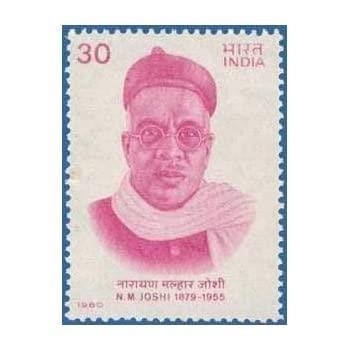
Narayan Malhar Joshi founded the Social Service League in Bombay to improve conditions of life and work for the masses and to encourage social service as a vocation.
Joshi also played a role in labour organisation and was associated with the All India Trade Union Congress (founded 1920).
12. The Ramakrishna Movement and Swami Vivekananda
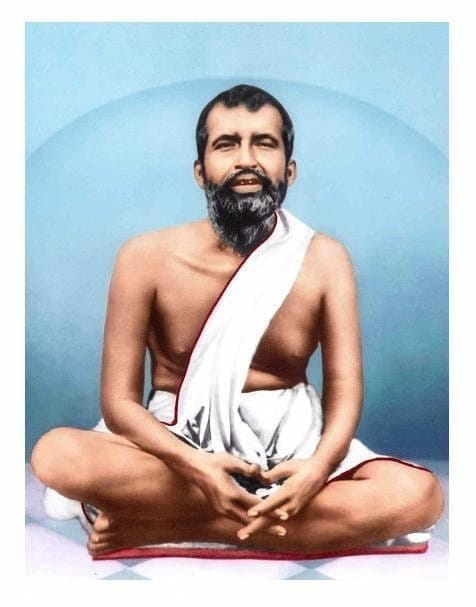
Ramakrishna Paramahamsa
Ramakrishna Paramahamsa (1836-1886) was a mystical teacher whose personal spiritual experience emphasised the unity of religious experience and broad human sympathy; his teachings attracted many followers.
Two primary objectives associated with the Ramakrishna movement were:
to create a body of monks dedicated to spiritual life and service, and
to carry out preaching, philanthropic and charitable work through lay disciples, treating all people as manifestations of the Divine.
Ramakrishna laid foundations for the Ramakrishna Math, and after his death his disciple Swami Vivekananda (Narendranath Datta, 1863-1902) founded the Ramakrishna Mission in 1897 to promote social service and spiritual education.
The headquarters of the Ramakrishna Math and Mission are at Belur, near Calcutta.
13. Swami Vivekananda
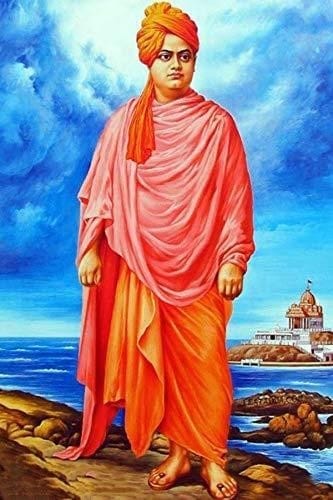
Swami Vivekananda
Swami Vivekananda sought to reconcile spirituality with social action, emphasising service (seva) as a form of worship and bridging the gap between ideal and everyday life.
He famously addressed the Parliament of the World's Religions in Chicago in 1893, presenting Hinduism and Vedanta as universal philosophies and winning international attention.
Vivekananda used the Ramakrishna Mission for humanitarian relief, social work and educational initiatives, advocating practical religion and humanism.
14. Dayananda Saraswati and the Arya Samaj
Dayananda Saraswati (born Mulshankar, 1824-1883) founded the Arya Samaj. The first local Arya Samaj was set up in Bombay in 1875 and the movement established its headquarters at Lahore.
His principal work, Satyarth Prakash (The True Exposition), argued for a return to the authority of the Vedas ("Back to the Vedas") as the foundation for reform; Dayananda saw the Vedas as the true source of knowledge and social order.
The Dayananda Anglo-Vedic (D.A.V.) schools (first at Lahore, 1886) became a nucleus for combining Western education with Vedic ethics; later Gurukuls such as the one founded by Swami Shraddhanand at Haridwar (1902) sought to revive traditional forms of instruction with national and moral emphasis.
The ten guiding principles of the Arya Samaj included:
God as the primary source of knowledge, worthy of worship,
the Vedas as true knowledge,
a readiness to accept truth and abandon untruth,
dharma (right conduct) as the guide to action,
promotion of universal welfare-material, spiritual and social,
love and justice in treatment of all people,
dispelling ignorance and promoting knowledge,
the uplift of others as central to one's own progress,
placing social well-being above individual advantage.
Leaders who continued Arya Samaj work included Lala Hansraj, Pandit Gurudutt, Lala Lajpat Rai and Swami Shraddhanand.
15. Seva Sadan
Behramji M. Malabari (1853-1912), a Parsi social reformer, co-founded the Seva Sadan in 1908 with Diwan Dayaram Gidumal. His campaigns against child marriage and for women's welfare contributed to public pressure that led to legislation such as the Age of Consent Act (regulating the age of consent for girls).
16. Dev Samaj
Founded in 1887 at Lahore by Shiv Narayan Agnihotri (1850-1927), the Dev Samaj promoted a simplified, ethical social code and was compiled in the book Deva Shastra. Agnihotri opposed child marriage and promoted moral and social reforms.
17. Dharma Sabha
The Dharma Sabha was founded by Raja Radhakanta Deb in 1830 as an orthodox society committed to preserving traditional Hindu practices and resisting reformist challenges.
18. Bharat Dharma Mahamandala and other orthodox groupings
Organisations such as the Sanatana Dharma Sabha (1895), the Dharma Maha Parishad in South India, and various regional bodies combined in 1902 to form the Bharat Dharma Mahamandala with headquarters at Varanasi to organise and manage Hindu religious institutions and educational bodies; Madan Mohan Malaviya was a leading figure associated with this movement.
19. Radhaswami Movement
The Radhaswami movement was founded by Tulsi Ram (known as Shiv Dayal Saheb) in 1861. It emphasised belief in one supreme being, the central role of the guru, communal devotional gatherings (satsang) and a morally disciplined simple life.
20. Sree Narayana Guru and the SNDP Movement
The Sree Narayana Guru Dharma Paripalana (SNDP) movement in Kerala was led by Sree Narayana Guru (1856-1928) among the Ezhavas, a socially disadvantaged but numerically significant community.
In 1888 Narayana Guru consecrated a Sivalinga at Aruvippuram, challenging caste-based monopoly of temple consecration, and in 1889 the Aruvippuram Kshetra Yogam was formed; the SNDP Yogam was formally registered in 1903 with Narayana Guru as permanent chairman and poet Kumaran Asan as general secretary.
The SNDP programme included admission to public schools, recruitment to government services, access to roads and temples and political representation-seeking concrete social and political rights for the Ezhavas.
21. Vokkaliga Sangha
The Vokkaliga Sangha (Mysore) launched an anti-Brahmin movement in 1905 to challenge caste domination in the region and to promote local social and educational uplift.
22. Justice Movement
In Madras Presidency the Justice Movement (sometimes called the Justice Party) was started by leaders such as C.N. Mudaliar, T.M. Nair and P. Tyagaraja and resulted in the Madras Presidency Association (1917). It mobilised non-Brahmin castes for social and political representation.
23. Self-Respect Movement
The Self-Respect Movement was initiated by E.V. Ramaswamy Naicker (Periyar) in the 1920s to promote rationalism, self-respect, women's rights and the abolition of caste hierarchy in Tamil Nadu.
24. Temple Entry Movement
Movements demanding temple entry for lower castes became prominent in Kerala and elsewhere. The Vaikom Satyagraha (1924), led by activists including K.P. Kesava Menon, sought access to roads and temples in Travancore. Continued agitation and the later national campaigns led to official measures such as the Travancore proclamation of 12 November 1936 opening government-controlled temples to all Hindus and similar reforms in the Madras Presidency (C. Rajagopalachari's administration, 1938).
25. Indian Social Conference
Founded by M.G. Ranade and Raghunath Rao, the Indian Social Conference met annually from its first session in Madras in 1887 and advocated inter-caste marriage, opposed polygamy and kulinism, and promoted pledges against child marriage.
26. Wahabi/Walliullah Movement
The teachings of Shah Walliullah (1703-1762) and reformist currents influenced by Abdul Wahab of Arabia inspired a revivalist Islamic response in India, often described under the Wahabi or Walliullah rubric, which called for a return to the moral spirit of Islam and reform of religious practice.
Its ideals included the desirability of harmony among the four schools (madhhabs) of Muslim jurisprudence and recognition of individual conscience where literal interpretations conflicted.
In the face of colonial repression and military confrontation, some strands of the movement declined by the 1870s.
27. Titu Mir
Titu Mir (Mir Nisar Ali, also Mir Nithar Ali) was a disciple of Sayyid Ahmad Barelvi's reformist Islam and adopted Wahabist ideas; he advocated Sharia and led local agrarian and peasant resistance in Bengal in the early 19th century.
28. Faraidi Movement
The Faraidi Movement (also called the Faraidi movement for its emphasis on the pillars of Islamic faith) was founded by Haji Shariatullah in 1818 in Bengal; after the death of his follower Dudu Mian (Dudu Mia) in 1862 it continued mainly as a religious movement without strong political organisation.
MULTIPLE CHOICE QUESTION
Try yourself: What was the main objective of the Ramakrishna Movement?
A
To promote social reform and philanthropic works
B
To establish a band of monks dedicated to a life of renunciation
C
To spread the universal message of Vedanta
D
To bridge the gap between paramartha and vyavahara
Correct Answer: C
- The main objective of the Ramakrishna Movement was to spread the universal message of Vedanta. - The movement aimed to bring into existence a band of monks dedicated to a life of renunciation and practical spirituality. - These monks would then be sent out to spread the teachings of Vedanta, as exemplified in the life of Ramakrishna Paramahamsa. - Alongside the monks, lay disciples would also engage in preaching, philanthropic, and charitable works, viewing all individuals as manifestations of the Divine. - Swami Vivekananda, after the death of Ramakrishna, founded the Ramakrishna Mission to fulfill the second objective of the movement, which focused on social reform and humanitarian relief.
Report a problem
29. Ahmadiyya Movement
The Ahmadiyya movement originated in India and was founded by Mirza Ghulam Ahmad in 1889. Ahmadis believe that Mirza Ghulam Ahmad was the Promised Messiah who came to end religious conflict and bring a revitalisation of moral faith.
30. Sir Syed Ahmed Khan and the Aligarh Movement
Sir Syed Ahmed Khan (1817-1898) worked to modernise Muslim education and to create social conditions for the community's advancement through Western-style learning while retaining loyalty to Islam.
He founded the Mohammedan Anglo-Oriental College at Aligarh in 1875 (later Aligarh Muslim University) and promoted modern education, scientific learning and social reform among Muslims through his magazine Tahdhib-ul-Akhlaq (Improvement of Manners and Morals).
Sir Syed served on the Imperial Legislative Council and was knighted in 1888; his aim was the spread of modern education without weakening religious identity, and reform of social practices such as purdah, polygamy, and promotion of women's education and widow remarriage.
31. The Deoband School (Darul Uloom)
The Deoband movement emerged as an orthodox response among Muslim ulema. The Darul Uloom at Deoband (Saharanpur district) was established in 1866 by Mohammad Qasim Nanotavi (1832-1880) and Rashid Ahmad Gangohi (1828-1905) to train religious leaders and preserve Islamic learning and moral regeneration among Muslims.
Other institutions such as Nadwatul Ulama and the Darul Uloom in Lucknow supplemented these efforts in the late 19th century.
32. Parsi Reform Movements
The Rahnumai Mazdayasnan Sabha (Religious Reform Association) was founded in 1851 by English-educated Parsis to regenerate Parsi social life and restore Zoroastrianism's original spirit; leaders included Naoroji Furdonji, Dadabhai Naoroji, K.R. Cama and S.S. Bengalee.
The movement disseminated reformist ideas through the newspaper Rast Goftar (Truth-Teller).
33. Sikh Reform Movements
The Singh Sabha Movement, founded at Amritsar in 1873, sought to modernise Sikh institutions and education and to counter proselytising by Christian missionaries, Arya Samajists and others.
The Akali (Gurudwara Reform) movement grew from the Singh Sabha ideals to secure control of Gurbani and gurudwaras from hereditary mahants and corruption; widespread non-violent satyagraha in 1921 led to the Government's passage of the Sikh Gurudwaras Act (1922, amended 1925) and the establishment of the Shiromani Gurdwara Parbandhak Committee (SGPC) to administer major gurudwaras.
34. The Theosophical Movement
The Theosophical Society was founded in New York in 1875 by westerners including Madame H.P. Blavatsky (1831-1891) and Colonel M.S. Olcott; it shifted its headquarters to Adyar near Madras in 1882 and sought to synthesise comparative religion, esoteric thought and a revival of Indian spiritual ideas.
Annie Besant (1847-1933) became an influential president of the society after Olcott's death; she arrived in India in 1893 and helped found the Central Hindu College, Benaras (1898), which later became a nucleus for Banaras Hindu University (1916).
Significance of the Reform Movements
Positive contributions
They promoted the emancipation of the individual from uncritical obedience to ritual authorities and priestly domination, encouraging moral responsibility and rational faith.
Ritual simplification, translation of scriptures into vernaculars and reasoning-based religious interpretation made religion more accessible and personal.
The movements fostered intellectual confidence, emphasising the human mind's capacity for critical thought and reasoning.
They helped Indians confront colonial claims of civilisational inferiority by demonstrating social and moral renewal within indigenous traditions.
They promoted secular, this-worldly reform, public education and social welfare and initiated changes in attitudes to purity, pollution, caste and gender roles.
Limitations and criticisms
Most reform movements had a narrow social base, dominated by the urban, educated middle classes; they often failed to address the economic and political needs of peasants, artisans and the urban poor.
The reliance on selective scriptural authority or the past sometimes encouraged a conservative cultural nationalism or mystical interpretation alongside reform, rather than a radical social transformation.
Insufficient attention was given to wider aspects of cultural development-formal promotion of arts, architecture, indigenous sciences and technology was limited in many reform agendas.
Despite moral critique of caste, in many regions practical abolition of caste hierarchies required prolonged political struggle and legislative intervention beyond what these movements could immediately achieve.
Conclusion
The socio-cultural reform movements of the 19th and early 20th centuries were varied in origin, methods and social base. They used education, journalism, association-building, religious reinterpretation and moral persuasion to challenge orthodoxy and to improve the status of women and marginalised groups. While their achievements were uneven, collectively they transformed public discourse, created new institutions (schools, colleges, mission societies, journals and voluntary organisations) and helped lay social foundations that influenced later nationalist and social-welfare movements.
The document Spectrum Summary: General Survey of Socio-Cultural Reform Movements is a part of the UPSC Course History for UPSC CSE.
FAQs on Spectrum Summary: General Survey of Socio-Cultural Reform Movements
1. What were the main socio-cultural reform movements in India during the 19th century?
Ans. Major reform movements like Brahmo Samaj, Arya Samaj, and Ramakrishna Mission emerged to challenge orthodox Hindu practices while promoting rationalism and social progress. These movements combined Western education with Indian traditions, addressing issues like caste discrimination, widow remarriage, and female education. Leaders like Raja Ram Mohan Roy and Dayananda Saraswati spearheaded efforts to modernise Indian society without completely abandoning cultural roots.
2. How did the Brahmo Samaj and Arya Samaj differ in their approach to social reform?
Ans. The Brahmo Samaj emphasised monotheism and selective adoption of Western thought, focusing on urban intellectual reform. The Arya Samaj, conversely, promoted Vedic revival and rejected Western influences, appealing to broader masses through grassroots activism. While Brahmo Samaj advocated gradual change through elite education, Arya Samaj pushed militant religious nationalism and stricter adherence to Vedic principles for mass mobilisation.
3. Why were reform movements critical for women's rights and education during British India?
Ans. Reform movements directly challenged patriarchal traditions by advocating widow remarriage, female literacy, and abolition of practices like Sati. Reformers recognised that women's education was essential for social progress and national development. Through organisations and publications, these movements created public discourse around women's dignity, inheritance rights, and participation in society, laying groundwork for modern feminist movements.
4. What role did religious and cultural nationalism play in 19th-century social reform?
Ans. Reformers blended social change with cultural pride, arguing that modernisation strengthened rather than weakened Indian identity. They reinterpreted Hindu texts to support progressive ideas, creating indigenous justifications for reform instead of relying solely on Western arguments. This approach made social change palatable to conservative sections while building nationalist sentiment that later fuelled independence movements and cultural reclamation.
5. Which reform movements specifically addressed caste system issues and how did they propose alternatives?
Ans. The Brahmo Samaj and Arya Samaj challenged caste hierarchy by promoting inter-caste dining and marriage through rational reinterpretation of scriptures. The Jyotirao Phule movement explicitly rejected Brahmanical authority and advocated education for lower castes and women. These movements proposed social equality based on merit and education rather than birth, fundamentally questioning the legitimacy of hereditary social stratification in Indian society.
pdf , video lectures, Spectrum Summary: General Survey of Socio-Cultural Reform Movements, Previous Year Questions with Solutions, Viva Questions, shortcuts and tricks, practice quizzes, Sample Paper, Free, Important questions, past year papers, Summary, Extra Questions, MCQs, Spectrum Summary: General Survey of Socio-Cultural Reform Movements, Spectrum Summary: General Survey of Socio-Cultural Reform Movements, Exam, study material, ppt, Semester Notes, Objective type Questions, mock tests for examination;

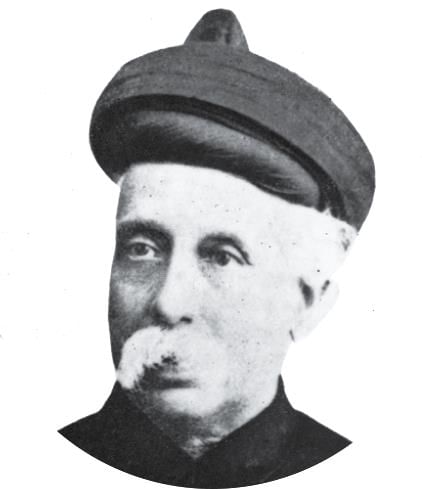
 Gopalhari Deshmukh
 Gopal Ganesh Agarkar