NCERT Solutions: The Trees

Q1: (i) Find, in the first stanza, three things that cannot happen in a treeless forest.
(ii) What picture do these words create in your mind: "... sun bury its feet in shadow..."? What could the poet mean by the sun's 'feet'?
Ans:
(i) In a treeless forest three things cannot happen: a bird cannot sit on trees, insects cannot hide among the leaves, and the sun cannot bury its feet in the forest's shadow.
(ii) The phrase "sun bury its feet in shadow" creates an image of the hot sun cooling itself by slipping into shade. The sun's "feet" symbolise its rays reaching down to the earth; imagining those rays being hidden by the cool shadow makes the sun seem to rest its feet there.
Q2: (i) Where are the trees in the poem? What do their roots, their leaves and their twigs do?
(ii) What does the poet compare their branches to?
Ans:
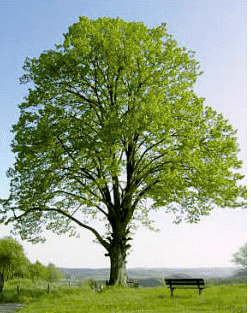
(i) In the poem the trees are inside the poet's house. Their roots work through the night to disengage from the cracks in the veranda floor, the leaves press and strain towards the glass, and the small twigs grow stiff with exertion as they try to move out.
(ii) The poet compares the long-cramped branches, which have been shuffling under the roof, to newly discharged patients who look half-dazed as they move towards the hospital doors; similarly, the branches appear bewildered and eager to get out and spread themselves into the open air.
Q3: (i) How does the poet describes the moon: (a) at the beginning of the third stanza, and (b) at its end? What causes this change?
(ii) What happens to the house when the trees move out of it?
(iii) Why do you think the poet does not mention "the departure of the forest from the house" in her letters? (Could it be that we are often silent about important happenings that are so unexpected that they embarrass us? Think about this again when you answer the next set of questions.)
Ans:
(i) At the start of the third stanza the moon is described as whole and shining in the open sky. By the end it appears broken into many pieces, like a shattered mirror. This change is caused by the trees moving out: their rising branches cross the moon and break its roundness into glimmering fragments.
(ii) When the trees move out, some glass is broken, but the rooms continue to carry the fresh smell of leaves and lichens that the trees leave behind.
(iii) The poet scarcely mentions the departure of the forest in her letters because the event is private and surprising; she may feel that others would not understand or would not care. Such a quiet, intimate wonder is something she keeps rather than describe fully in ordinary letters.
Q4: Now that you have read the poem in detail, we can begin to ask what the poem might mean. Here are two suggestions. Can you think of others?
(i) Does the poem present a conflict between man and nature? Compare it with A Tiger in the Zoo. Is the poet suggesting that plants and trees, used for 'interior decoration' in cities while forests are cut down, are 'imprisoned', and need to 'break out'?
(ii) On the other hand, Adrienne Rich has been known to use trees as a metaphor for human beings: this is a recurrent image in her poetry. What new meanings emerge from the poem if you take its trees to be symbolic of this particular meaning?
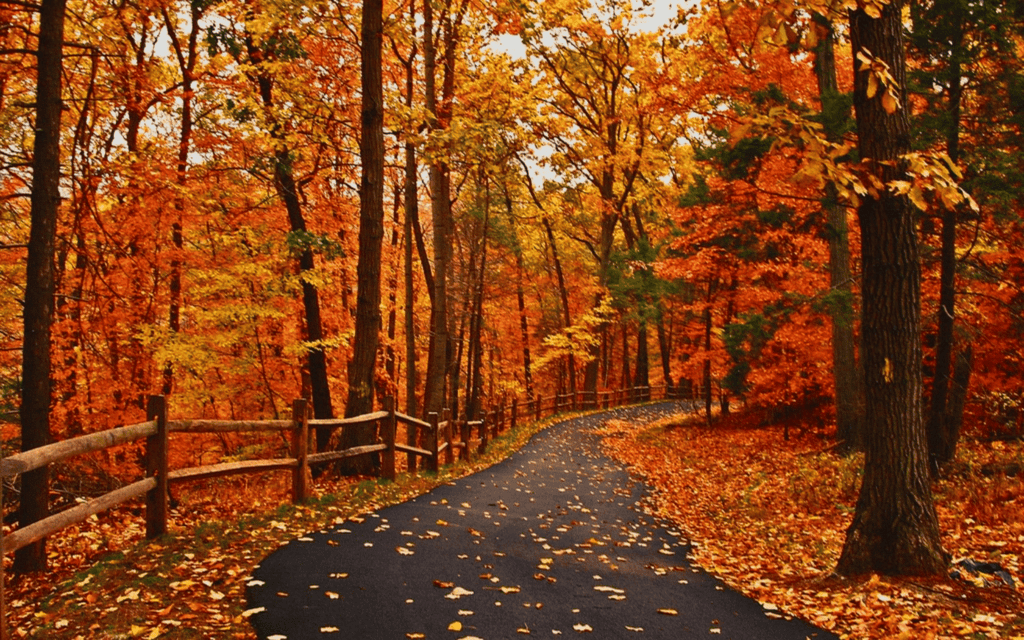
Ans: The poem can suggest more than one meaning. (i) It does present a conflict between man and nature: trees kept indoors as decoration or confined by human structures seem imprisoned and strain to return to the open. This idea parallels "A Tiger in the Zoo", where an animal in a cage longs for freedom; both poems show how living things suffer when their natural freedom is taken away.
(ii) If the trees are read as a metaphor for human beings, the poem suggests that people too feel cramped by narrow routines and enclosed lives. Like the trees, people may long to break free, breathe fresh air and reclaim a simpler, less confined life. Both interpretations emphasise the desire for freedom and the cost of confinement.
FAQs on NCERT Solutions: The Trees
| 1. What is the central theme of the poem "The Trees"? |  |
| 2. How does the poet describe the trees in the poem? | |
| 3. What literary devices are used in "The Trees"? | |
| 4. What message does the poet convey about nature in "The Trees"? | |
| 5. How can students relate the poem "The Trees" to their own lives? | |





