Short and Long Question Answers - Devotional Path to the Divine

Short Question Answers
Q1. What was the purpose of "Nayanar movement"?
Ans: The Nayanar movement aimed to:
- Counter the spread of Buddhism and Jainism in southern India.
- Protect and preserve their own religion from these emerging faiths.
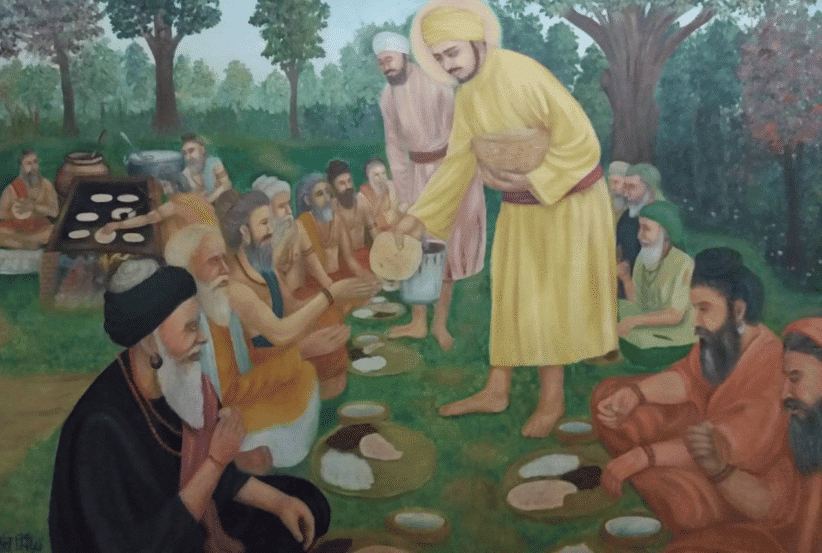
Q2. What was the purpose of Langar started by Guru Nanak?
Ans: The purpose of Langar, initiated by Guru Nanak, was to:
- Promote universal toleration.
- Eliminate caste discrimination.
Q3. What is Hagiography?
Ans: Hagiographies are biographies that focus on the lives of saints, particularly the Alvars and Nayanars. They serve as important religious texts, aiding in the understanding of the Bhakti tradition.
- These texts provide insights into the spiritual journeys of the saints.
- They highlight the connection between the saints and temple worship.
- Hagiographies are valuable resources for historians studying the Bhakti movement.
Q4. What were Dharmsala?
Ans: Dharamsala were places where followers of Guru Nanak gathered for religious meetings and community events. Key features included:
- They served as venues for feeding the poor.
- Over time, every Sikh home became a Dharamsala.
- Today, these places are referred to as Gurdwaras.
Q5. State the main contribution of the Chola and Pandya kings for the growth of the Bhakti movement.
Ans: The Chola and Pandya kings significantly contributed to the growth of the Bhakti movement through their temple-building efforts. Between the tenth and twelfth centuries, they:
- Constructed numerous temples around various shrines.
- Facilitated visits from saint poets who sang Bhakti songs at these locations.
- Strengthened the connection between the Bhakti tradition and temple worship.
This period also saw the compilation of the poets' works, further enriching the Bhakti movement.
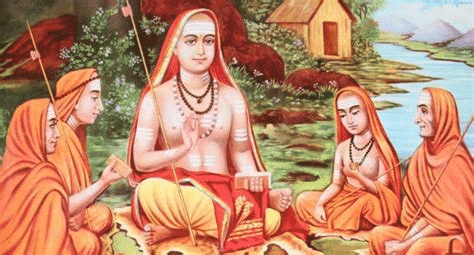
Q6. Write a short note on Shankara and his teachings.
Ans: Shankara was a prominent religious philosopher from Kerala, India, born in the eighth century. He is best known for his teachings on Advaita, which emphasises the oneness of the individual soul and the Supreme God.
- Shankara taught that Brahman is the only true reality, while the material world is an illusion called Maya.
- He believed in the importance of renouncing worldly attachments.
- His teachings encouraged the pursuit of knowledge to understand the true nature of Brahman and achieve salvation.
Q7. Why did people turn to Buddhism and Jainism during the medieval period?
Ans: Many people were dissatisfied with the idea that high caste status was determined by birth. They sought alternatives that promoted equality and personal effort. As a result:
- Both Buddhism and Jainism offered teachings that challenged the caste system.
- These religions emphasised the possibility of overcoming social differences.
- Followers believed they could break the cycle of rebirth through personal actions.
This shift allowed many to find a sense of belonging and purpose outside traditional social hierarchies.
Q8. What were the teachings of Ramanuja?
Ans: Ramanuja, born in Tamil Nadu in the eleventh century, was significantly influenced by the Alvars. His teachings focused on the following key points:
- He advocated for Vishishtadvaita, or qualified non-dualism, which emphasises a distinct relationship between the soul and the Supreme Being.
- Ramanuja taught that the best way to achieve salvation is through intense devotion to Vishnu.
- He believed that Lord Narayana, or Bhagavan, is the Supreme Being who guides devotees towards union with Him.
- His teachings later inspired the Bhakti cult in North India.
Q9. Who started the Virashaiva movement?
Ans: The Virashaiva movement originated in Karnataka during the mid-twelfth century. It was initiated by Basavanna along with notable figures such as Allama Prabhu and Akkamahadevi.
- Basavanna and his followers advocated for the equality of all individuals.
- They opposed Brahmanical views on caste and the treatment of women.
- The movement rejected all forms of rituals and idol worship.
Q10. Write a short note on Nathpanthis, Siddhas and Yogis.
Ans: A number of religious groups, including the Nathpanthis, Siddhas, and Yogis, emerged during this period. They:
- Criticised the rituals and practices of conventional religion.
- Used simple, logical arguments to challenge the existing social order.
- Advocated for the renunciation of worldly life.
- Believed that salvation could be achieved through meditation on the formless Ultimate Reality.
- Emphasised intense training of the mind and body through practices such as yogasanas, breathing exercises, and meditation.
These groups gained popularity, especially among the low castes in North India. Their criticisms of traditional religion paved the way for the rise of devotional movements in the region.
Q11. Who were Sufis?
Ans: Sufis were Muslim mystics who focused on a personal connection with God. They believed in:
- Love and devotion to God.
- Compassion towards all people.
- Rejecting elaborate rituals and strict codes set by religious scholars.
They expressed their feelings through poetry and prose, creating a rich literary tradition. Notable Sufis included Ghazzali, Rumi, and Sadi. They developed methods for spiritual training, such as:
- Zikr (chanting).
- Contemplation.
- Sama (singing) and raqs (dancing).
These practices were often guided by a master or pir, leading to various spiritual lineages known as silsilas.
Q12. What were khanqahs?
Ans: Khanqahs were hospices where Sufi masters held their gatherings. These places served as spiritual centres for various individuals, including:
- Royalty and nobility
- Ordinary people
In khanqahs, attendees:
- Discussed spiritual matters
- Sought blessings from the saints
- Participated in music and dance sessions
Many believed that Sufi masters had miraculous powers, leading to the tombs of these saints becoming popular pilgrimage sites for people of all faiths.
Q13. Who was Guru Nanak?
Ans: Guru Nanak was born in Talwandi and is the founder of Sikhism. He challenged:
- Caste distinctions
- Ritualism
- Idol worship
- Pseudo-religious beliefs
He advocated for equality by:
- Mixing with people from all backgrounds
- Dining with those from the lowest castes
His followers shared meals in a common kitchen called langar, promoting the idea of equality among all castes, classes, and genders. 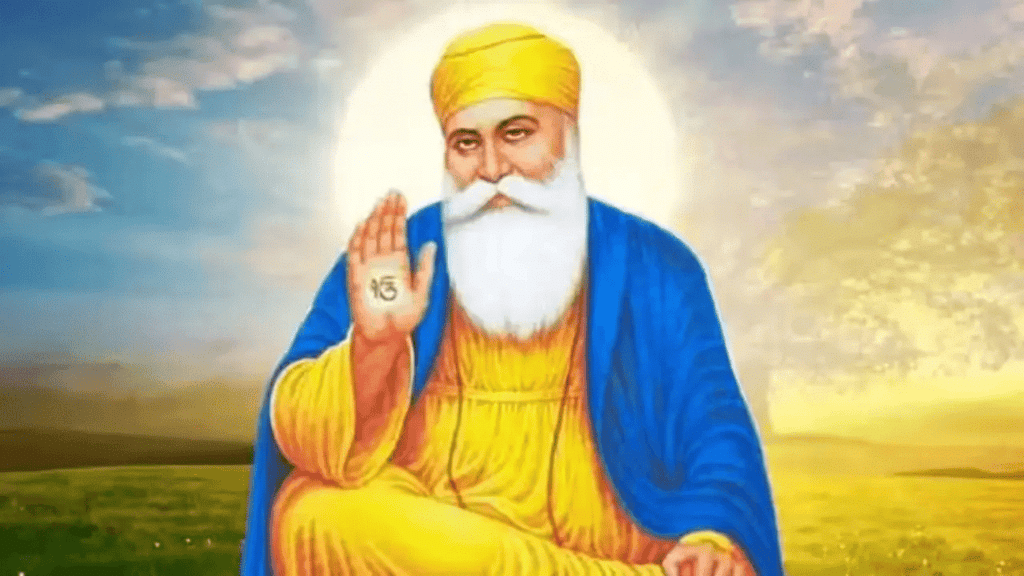
Q14. Whom did Guru Nanak appoint as his successor before his death?
Ans: Before his death in 1539, Baba Guru Nanak appointed one of his followers, Lehna, as his successor. After this appointment, Lehna became known as Guru Angad, indicating his close connection to Guru Nanak.
Key points about Guru Angad:
- He compiled the teachings of Guru Nanak.
- He introduced the Gurmukhi script for writing.
- His successors also wrote under the name of "Nanak".
- In 1604, Guru Arjan compiled these writings into the Guru Granth Sahib.
Q15. Who ordered the execution of Guru Arjan and why?
Ans: The Mughal emperor Jahangir ordered the execution of Guru Arjan Dev in 1606. This decision was influenced by several factors:
- The town of Ramdaspur (now Amritsar) had developed around the central Gurdwara, known as Harmandar Sahib (Golden Temple).
- This community was seen as a potential threat to Jahangir's rule, as it functioned almost like a self-governing state.
- As the Sikh movement began to gain political significance, the emperor viewed it as a challenge to his authority.
Q16. Discuss the significance of regional languages in the compositions of bhakti saints and how this contributed to their popularity.
Ans: The use of regional languages by bhakti saints was significant because it made their compositions accessible to a wider audience, including the poorer and marginalized communities.
Often transmitted orally, these songs allowed for personal experiences to be incorporated, enhancing their relatability and emotional impact. This accessibility helped the bhakti movement resonate deeply with the masses, fostering community and shared devotion.
Q17. Analyze the impact of the bhakti and Sufi movements on social structures, particularly regarding caste and gender.
Ans: The bhakti and Sufi movements had a profound impact on social structures by challenging existing caste hierarchies and gender norms. Many bhakti saints, such as Mirabai, openly criticized the privileges associated with upper castes and advocated for equality in spiritual practice.
Similarly, Sufi teachings often included marginalized groups, promoting inclusivity. The songs and poems of these movements were often composed by women and lower-caste individuals, allowing them to voice their experiences and assert their spiritual agency, thereby contributing to social change.
Q18. When did local myths become a part of the Puranic stories?
Ans: Local myths and legends became part of the Puranic stories when gods and goddesses were identified with Shiva. This integration allowed:
- Local deities to be worshipped through methods outlined in the Puranas.
- Devotees to seek grace from these deities, regardless of their caste.
- The concept of bhakti to gain popularity, influencing various religious groups.
Q19. To whom were Alvars and Nayanars devoted?
Ans: During the seventh to ninth centuries, two significant groups emerged:
- Nayanars: Saints devoted to Shiva.
- Alvars: Saints devoted to Vishnu.
Both groups included individuals from various social backgrounds, including those considered "untouchable". They were known for:
- Composing poems in praise of their deities.
- Rejecting ritualism and social hierarchies.
- Promoting the idea of bhakti as a path to salvation.
Their contributions played a crucial role in shaping the devotional traditions in South India.
Q20. How did Khalsa Panth emerged?
Ans: The emergence of the Khalsa Panth was a significant development in the Sikh movement during the seventeenth century. Key points include:
- The Sikh movement began to become politicised in the seventeenth century.
- Guru Gobind Singh established the Khalsa in 1699, marking the community's transformation into a political entity.
- This period was influenced by the teachings of Baba Guru Nanak, who emphasised the worship of one God and the irrelevance of caste, creed, or gender for liberation.
- By the early seventeenth century, the Sikh community around the Golden Temple was seen as a self-governing entity.
Long Question Answers
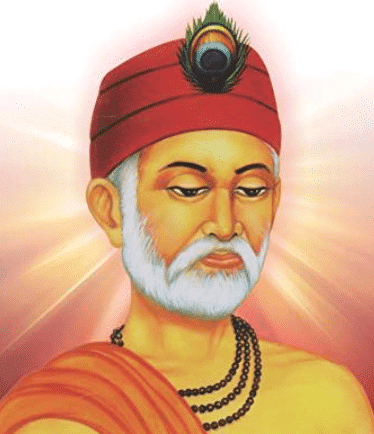
Q1. What were the teachings of the Bhakti saint Kabir?
Ans: Kabir's teachings were marked by a strong rejection of major religious traditions. His key ideas include:
- Kabir ridiculed external worship practices in both Hinduism and Islam.
- He opposed the dominance of the priestly classes and the caste system.
- His poetry was written in a simple form of Hindi, making it accessible to ordinary people.
- Kabir believed in a formless Supreme God and taught that true salvation comes through bhakti (devotion).
- His followers included both Hindus and Muslims, reflecting his inclusive approach.
Q2. Explain the teachings of Guru Nanak.
Ans: Guru Nanak's teachings had a profound impact on society from the outset.
- He stressed the importance of worshipping one God.
- Guru Nanak taught that caste, creed, or gender do not matter for achieving liberation.
- His core principles are encapsulated in the terms nam (right worship), dan (welfare of others), and isnan (purity of conduct).
- His teachings are remembered as nam-japna (meditation on God's name), kirt-karna (honest living), and vand-chhakna (sharing with others).
- Guru Nanak's vision of equality had significant social and political implications.
His ideas laid the foundation for a community that transcended traditional social barriers.
Q3. What were the teachings of the saints of Maharashtra?
Ans: The saints of Maharashtra were influential figures from various social backgrounds. Their teachings included:
- Devotion to Vitthala, a form of Vishnu, particularly in the temple at Pandharpur.
- Belief that a personal god resides in the hearts of all people.
- Emphasis on the power of a god's name and the importance of love and brotherhood.
- Rejection of ritualism and social hierarchies based on birth.
- Preference for living with families and serving others rather than renouncing the world.
These saint-poets, including figures like Dnyaneshwar, Namdev, Eknath, and Tukaram, promoted a new humanist approach that focused on empathy and understanding the pain of others.
FAQs on Short and Long Question Answers - Devotional Path to the Divine
| 1. What is the devotional movement and how did it change Hindu worship practices? |  |
| 2. Who were the major bhakti saints and what did each one teach about reaching the divine? | |
| 3. How did the devotional path differ from traditional Vedic rituals in reaching God? | |
| 4. What role did music, poetry, and singing play in devotional worship during the medieval period? | |
| 5. Why did the devotional movement reject the caste system and what impact did this have on Indian society? | |





