Detailed Summary and Important Words: My Childhood

Introduction
"My Childhood" is an excerpt from A.P.J. Abdul Kalam's autobiography Wings of Fire. It describes his early life in Rameswaram, a small coastal town in Tamil Nadu, and shows how simple family values, honest living and strong human relationships shaped his character. The chapter highlights values such as kindness, honesty, hospitality and unity, and shows how a child's upbringing and environment influence personality and outlook.
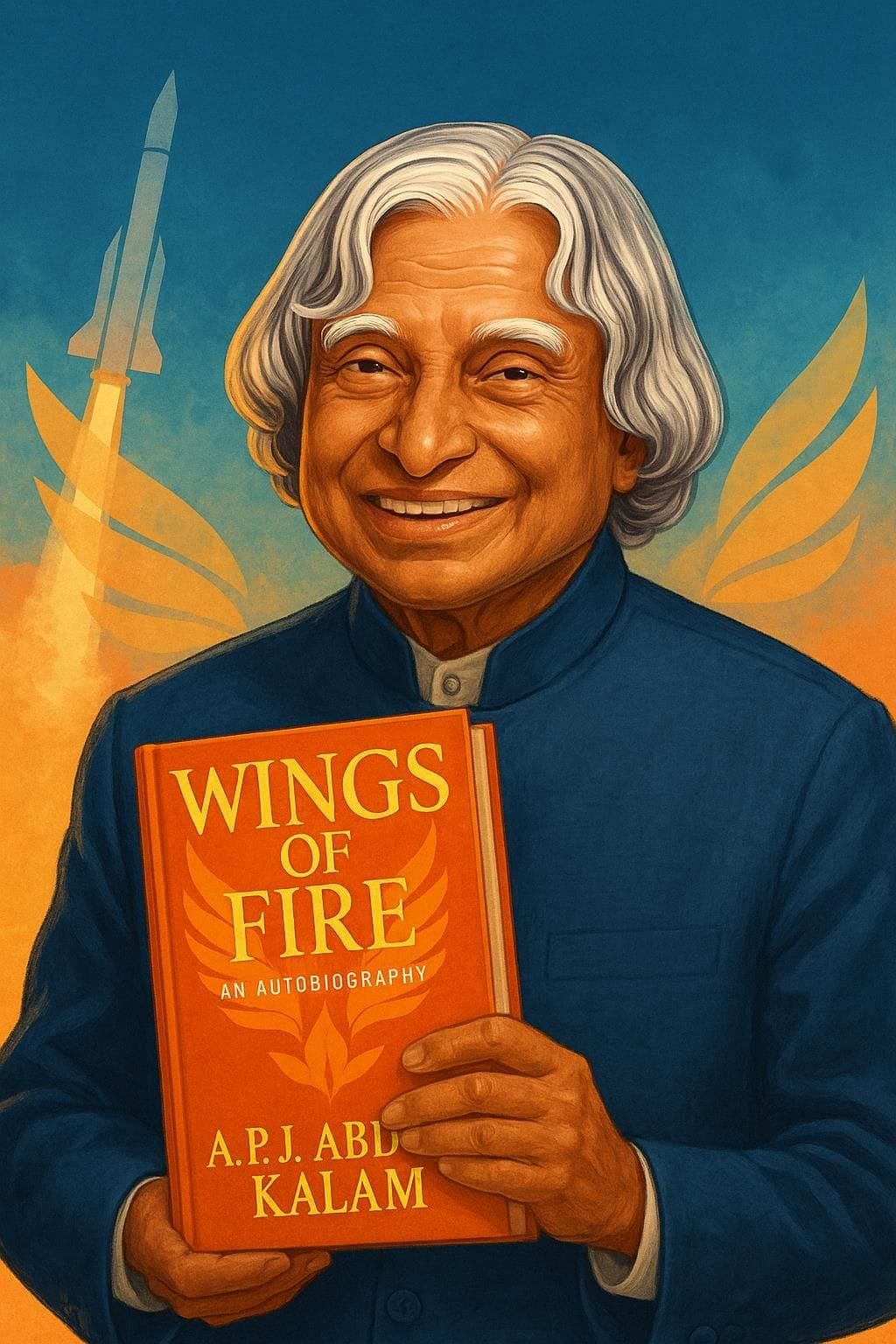
About the Author
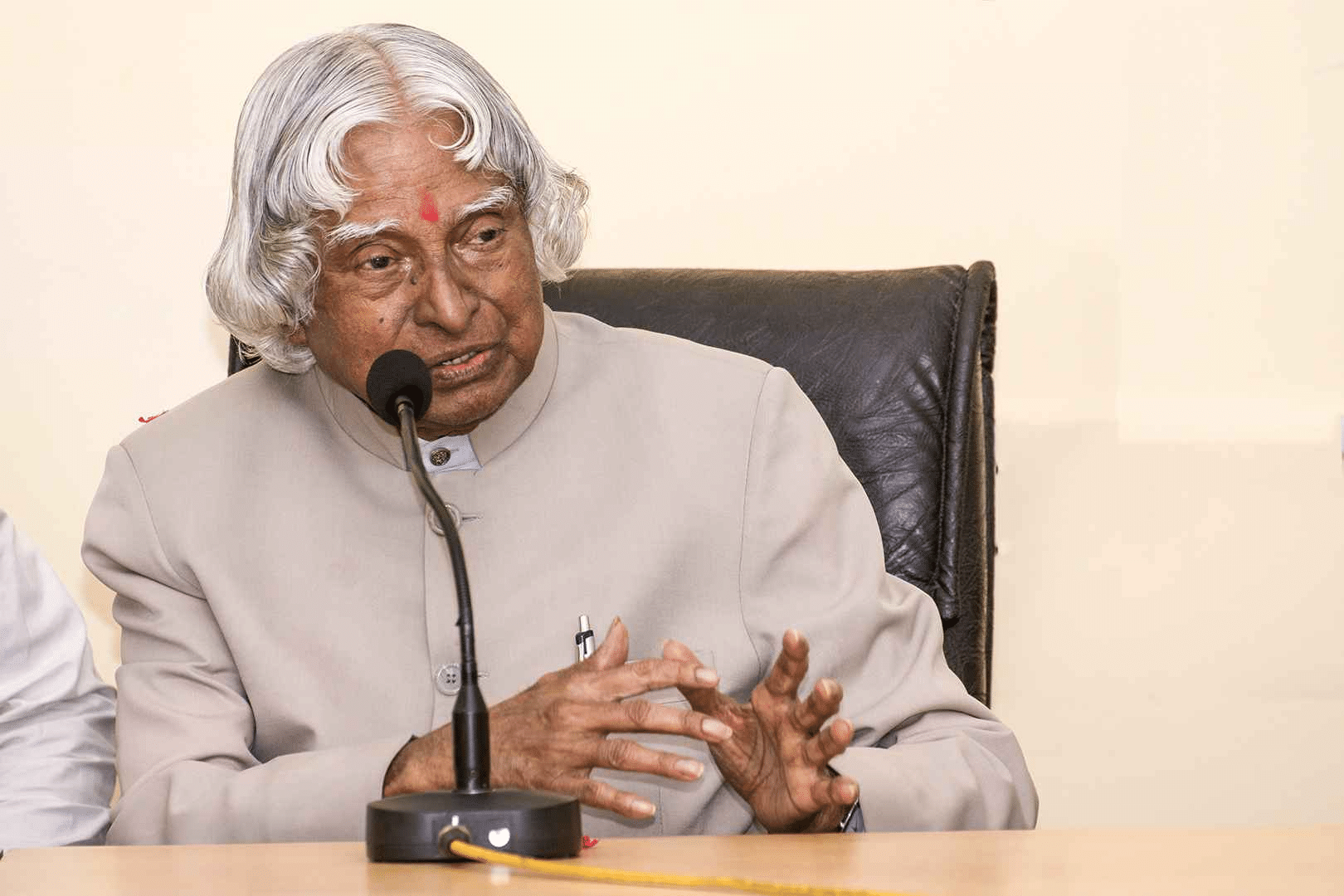
Dr. A.P.J. Abdul Kalam (1931-2015), popularly known as the "Missile Man of India", was a scientist and statesman who served as the 11th President of India. He made significant contributions to India's space and defence programmes and is remembered for his humility, dedication and inspirational life story. His autobiography Wings of Fire recounts his personal and professional journey, beginning from his childhood in Rameswaram and tracing how early influences shaped his ideals and ambitions.
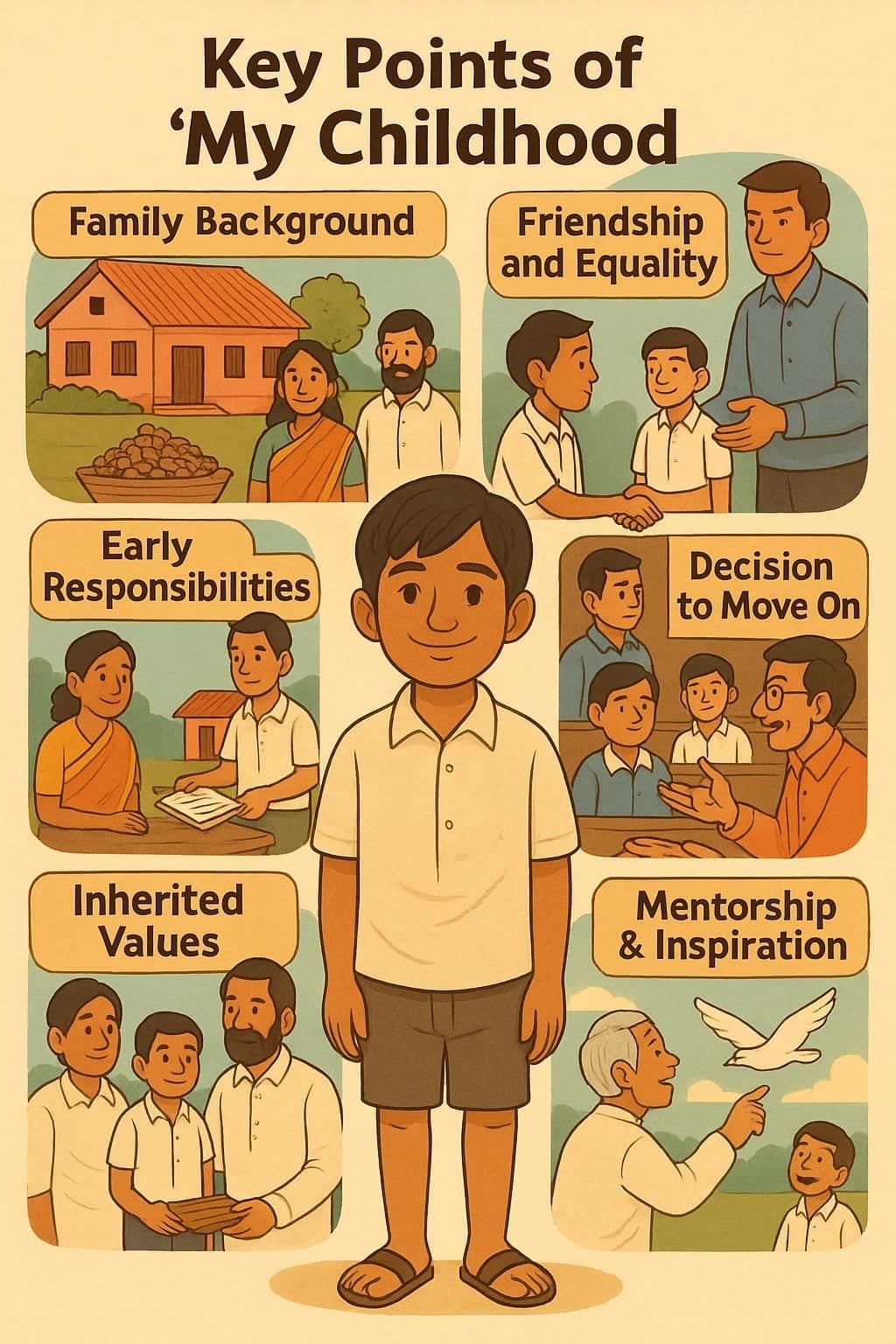
Key Points of "My Childhood"
- Family and early life: Kalam was born into a middle-class Tamil family in the island town of Rameswaram. His father, Jainulabdeen, was honest, calm and disciplined; his mother, Ashiamma, was kind, generous and hospitable. The family lived in an ancestral house on Mosque Street where simple living and moral teaching were central.
- Early responsibilities: During the Second World War, as a young boy, Kalam earned small sums by selling tamarind seeds and by helping deliver newspapers. These early earnings taught him the dignity of labour, responsibility and the value of money.
- Values and lessons: Kalam inherited qualities such as honesty, self-discipline and simplicity from his parents. Their conduct provided a moral foundation that guided his actions throughout life.
- Friendship across communities: He grew up with friends from different religious and social backgrounds, including Ramanadha Sastry, Aravindan and Sivaprakasan, showing how ordinary friendships promote unity in diversity.
- Facing prejudice: Kalam faced communal discrimination at school when a teacher asked him to sit at the back because he was Muslim. The incident was painful but also led to community resistance and a lesson in standing up to injustice.
- Mentorship and support: People such as his science teacher Sivasubramania Iyer and the parents of friends like Lakshmana Sastry defended him and modelled fairness. Their support encouraged equality and built his confidence.
- A new beginning: Encouraged by his family and teachers, and urged by his father's metaphor of the seagull that must fly, Kalam left Rameswaram to pursue higher studies and broader opportunities.
Detailed Summary
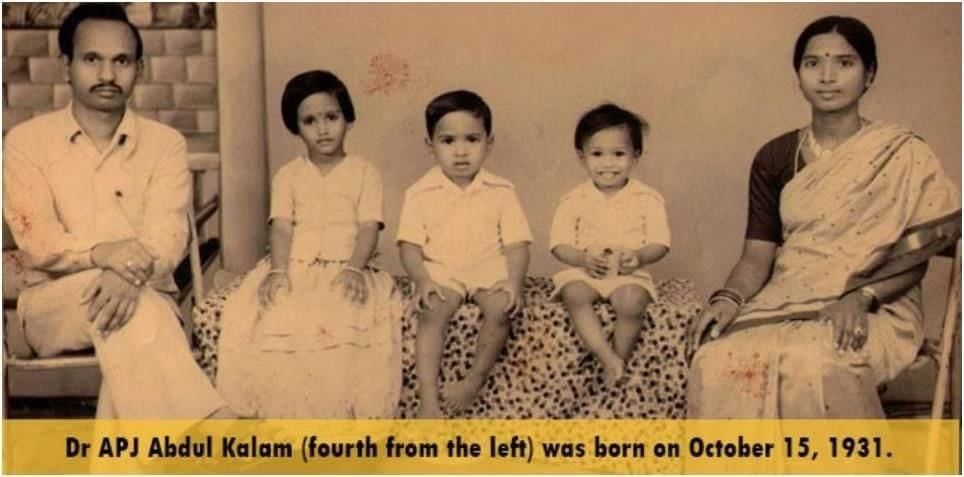
Dr. Kalam was born into a modest Tamil Muslim household in Rameswaram. His father, Jainulabdeen, was a boat owner who had little formal education but possessed great innate wisdom and a true generosity of spirit. His mother, Ashiamma, practised charity and hospitality; she often fed neighbours and travellers, and her behaviour taught the family to be generous and compassionate. Their home was a place of security, moral instruction and simple living.
From an early age Kalam showed curiosity and a willingness to learn. At about eight years of age, during the time of the Second World War, he began earning small amounts by selling tamarind seeds to a provision shop and by helping his cousin to distribute newspapers. These occupations gave him pocket money but, more importantly, taught respect for honest work, responsibility and thrift. They helped him understand that even modest effort and small earnings have dignity.
Education, discipline and faith in human goodness were consistent themes of his upbringing. From his father he learned honesty and self-discipline; from his mother he learned compassion and the habit of serving others. Kalam's friendships transcended religious lines: he was close to boys such as Ramanadha Sastry, Aravindan and Sivaprakasan. Their everyday camaraderie illustrated how ordinary lives can bridge social divisions.
A notable episode in the chapter concerns communal prejudice at Kalam's school. A newly appointed teacher, following orthodox social practice, insisted that Kalam should sit at the back of the classroom because he was a Muslim. This exclusion pained Kalam and distressed his friend Ramanadha Sastry, who cried on seeing the injustice. The incident was challenged by Lakshmana Sastry, Ramanadha's father, who rebuked the teacher and demanded equal treatment. Such local resistance to discrimination made a deep impression on Kalam and taught him that courage and moral support from others can confront social wrongs.
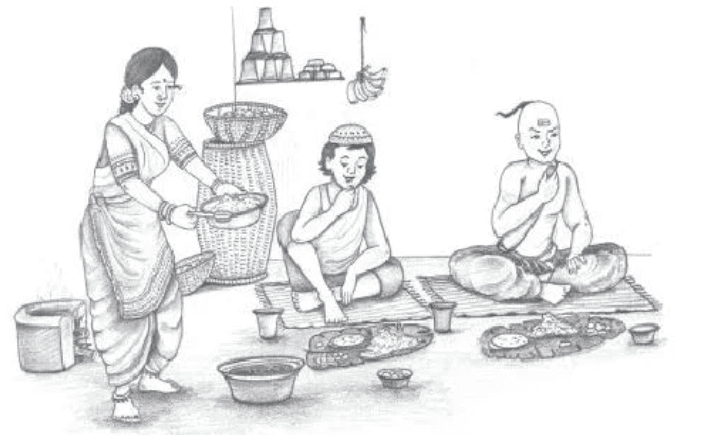
Another influential figure was his science teacher, Sivasubramania Iyer. Though personally orthodox in some practices, Iyer believed in fairness in education. He invited Kalam home to share a meal. Iyer's wife was initially reluctant because of religious difference, but Iyer himself served Kalam and gently persuaded his wife to overcome prejudice. This act of kindness and the teacher's firm stand for equality left a lasting impression on Kalam and encouraged him to think beyond communal divisions.
As Kalam matured, he wanted to pursue education beyond the small life of his hometown. His father recognised this need for growth. Using the metaphor of a seagull forced to leave the nest and find its own way, he encouraged his son to explore broader horizons.He quoted lines from Khalil Gibran's The Prophet to his hesitant mother, explaining that children must be allowed to follow their own paths. With his family's blessings and the support of mentors, Kalam left Rameswaram to continue studies and to build a career in science.
Theme & Message of "My Childhood"
Theme
The central theme is that moral values, family support and mentorship shape character and future achievement. The chapter emphasises that simple virtues learned at home, friendships across communities and courageous intervention by ordinary people together create conditions in which a child can develop dreams and the will to pursue them.
Message
- Strong values form a strong character: Qualities such as honesty, discipline and generosity learned at home form the basis of personal success and social respect.
- Unity in diversity: True friendships and everyday cooperation among people of different backgrounds help overcome social and religious divisions.
- Mentors change lives: A teacher's encouragement or a parent's support can inspire confidence and shape ambitions.
- Stand against prejudice: Individuals and families must confront discrimination and work for equality and fairness.
- Follow your dreams: With guidance, determination and support, children should be allowed and encouraged to pursue the paths they choose.
Difficult Words
- Austere: Very simple and strict in lifestyle; without luxuries. Example: An austere home lacks unnecessary decoration and shows restraint in living.
- Erstwhile: Former; belonging to an earlier time. Example: An erstwhile friend is someone you were close to in the past.
- Inborn: A quality or tendency present from birth. Example: Inborn curiosity makes children ask many questions about the world.
- Princely sum: Literally means a very large amount of money; often used ironically to describe an amount that seemed large in a child's eyes but was small in reality.
- Communal intolerance: Hostility or prejudice between different religious or ethnic communities. Example: Communal intolerance creates divisions and prevents cooperation.
- Unprecedented: Never done or experienced before. Example: An unprecedented event is one without prior example or history.
- Perturbed: Disturbed, worried or unsettled. Example: He was perturbed by the sudden change in plans.
- Orthodox: Strictly following traditional beliefs or practices, especially in religion. Example: An orthodox person may refuse changes that clash with his or her customs.
- Segregation: Separation of people based on differences such as religion, caste or race. Example: Segregation in schools prevents children from mixing freely and learning from one another.
Final note: The chapter "My Childhood" is both a personal recollection and a moral lesson. It shows how strong moral values, supportive family members and inspiring teachers can shape a child's character and guide him towards a meaningful life.
FAQs on Detailed Summary and Important Words: My Childhood
| 1. What are the main themes and messages in "My Childhood" by APJ Abdul Kalam for Class 9 CBSE? |  |
| 2. How did Kalam's childhood experiences influence his personality and future success? | |
| 3. What are the important characters and their roles in the "My Childhood" chapter? | |
| 4. What lessons can Class 9 students learn from Kalam's childhood story and background? | |
| 5. How should I prepare important words and vocabulary from "My Childhood" for my CBSE exams? | |





