Summary: The Lost Child

Key Points of the Story
- A Child's Innocence and Attraction: The story, "The Lost Child," follows a young boy who visits a fair with his parents. Along the way, the child is tempted by several attractions, such as sweets, toys, and rides. Though these temptations entice him, he restrains himself as he knows his parents will not buy them for him.

- Separation from Parents: In the middle of the bustling fair, the child becomes separated from his parents. He suddenly realizes that they are no longer beside him, leading him to experience overwhelming fear and panic.
- The Child's Desperation: Despite the stranger's kind offers of toys, sweets, and fun distractions, the child's sole desire is to reunite with his parents. He rejects everything offered to him because nothing can replace his longing for them.
- Message of Parental Love: The story reflects the deep emotional bond between children and their parents. Through the child's yearning, Mulk Raj Anand emphasizes the idea that the love and security parents provide outweigh any material desires.
Detailed Summary
The Excitement of the Fair
The story happens in spring when a young boy visits a fair with his parents. Excited by everything around him, he sees a toy shop and wishes for a toy. But his father's stern look stops him from asking. Sensing his sadness, his mother shows him the lovely mustard fields. Cheered up, the boy runs around, chasing dragonflies and enjoying the beauty of spring.
Temptations Along the Way
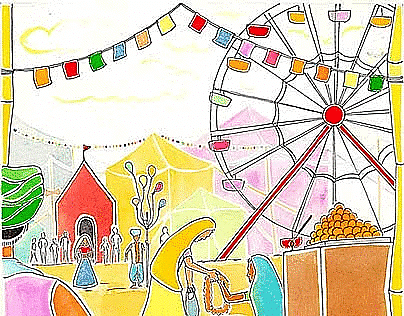
As they walk through the fair, the child sees many things that fascinate him. He first notices a sweet seller with delicious burfi but knows his parents won't buy it. Next, he admires colourful garlands and balloons but doesn't ask for them, expecting the same response. The sound of a snake-charmer's flute catches his attention, but he stays silent, knowing his parents wouldn't approve. Though the fair is full of exciting sights, the boy hesitates, aware that his parents might not let him enjoy them.
Realization of Being Lost
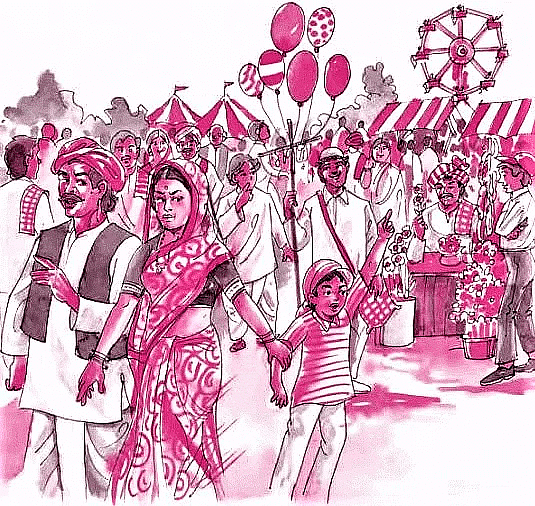
The child's biggest heartbreak comes when he reaches a roundabout and excitedly asks his parents for a ride. But as he turns to speak, he discovers they are gone. Panic grips him as he realizes he is lost in the crowd. The fun and excitement of the fair disappear, replaced by fear. Confused and scared, the child runs around, desperately calling for his mother and father.
A Stranger's Kindness
Hearing the child's desperate cries, a kind stranger steps in to help. He gently tries to calm the boy by offering him sweets, balloons, and a chance to watch the snake charmer. But the child shows no interest. The things that once excited him now seem unimportant. All he wants is to be with his parents again.
Longing for Parents
Hearing the child's frantic cries, a kind man approaches to help. He tries to soothe the boy by offering sweets, balloons, and a chance to see the snake charmer. But the child refuses everything. The excitement of the fair no longer matters-he only wants to find his parents.
Theme/Message
Theme
- The story explores what happens when a lost child yearns for his parents, realising their true importance as he searches desperately for them. Initially, the child is fascinated by many things at the fair and desires to have them all.
- However, parents often can't fulfil these wishes due to financial constraints or concerns for the child's well-being. As a result, this might upset the child.
- But when separated from his parents, the child comprehends their value and feels a deep longing for them, crying out for their presence above all else.
Message
- The story emphasises how children love their parents unconditionally, as seen when a lost child is satisfied with his father's actions, understanding that his dad won't give in to his every desire. However, he regrets his decision to stray when he becomes scared and longs for his parents, forgetting about the attractions at the fair. This highlights the importance of parents in our lives.
- In childhood, we desire many things we encounter daily, but often fail to appreciate the true value of our parents, taking them for granted. It's only when they're absent that we realise their significance and yearn for their presence. This realisation dawns on the child when he gets lost at the fair. Despite being tempted by various things, he only desires his parents' company, showing the depth of parental love.
Word Meanings
- lanes = narrow roads
- alleys = narrow passages
- emerged = to come out of place
- gaily = cheerfully or brightly
- clad = dressed
- brimming = to be so full of a liquid
- Lagged behind = to go too slowly
- fascinated = attracted
- lingering = to stay for a time
- receding = to move backwards
- suppress = to put an end to by force
- tyrant = cruel ruler
- tender = have a tender heart
- bustling = moving here and there
- gaudy = too bright
- flapping = to swing
- abreast = side by side
- teeming = full of
- grove = a group of trees
- whirlpool = a place in a river or the sea where strong currents are moving in circles
- repelled = pushed away
- Murmured = a low sound
- overwhelming = very great
- possess = to have
- farther = more distant in space
- shrieked = to give a sudden shout
- dizzy = unable to balance
You can practice questions from this chapter here: Very Short Question Answer: The Lost Child
FAQs on Summary: The Lost Child
| 1. What is the main theme of The Lost Child by Mulk Raj Anand? |  |
| 2. Why does the child keep asking his parents for things in The Lost Child summary? | |
| 3. How does the setting of the fair impact the story's message in The Lost Child? | |
| 4. What does losing the parents symbolise in The Lost Child narrative? | |
| 5. How should students analyse character development in The Lost Child for exam preparation? | |