Detailed Summary with Glossary & Important Info: Madam Rides the Bus

Key Points of the Story
- There was a girl named Valliammai, called Valli for short. She was eight years old and very curious. Her favourite pastime was standing in the front doorway of her house, watching what happened in the street.
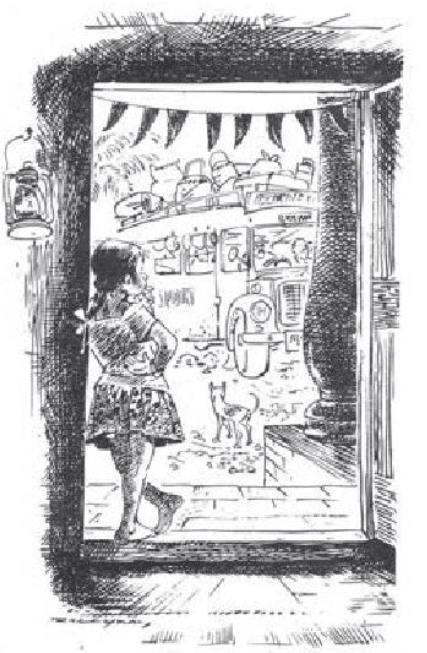
- The most captivating sight for Valli was the bus that travelled between her village and the nearest town; it passed by her lane every hour, going to the town and then returning.
- The town lay six miles from her village and the one-way fare was thirty paise.
- Valli's desire to ride the bus grew day by day until it became a strong wish she resolved to fulfil.
- She gathered information discreetly by listening to conversations among neighbours and bus travellers and by asking careful questions.
- After saving money by being thrifty she managed to board the bus and had her first ride.
- The conductor and the other passengers found her amusing and treated her politely; the conductor jokingly called her "Madam".
- Valli loved the views from the bus: the green fields, small sights of village life and once a playful cow that ran ahead of the bus and made her laugh with delight.
- The journey to the town took about forty-five minutes. If she stayed seated and paid another thirty paise, she could return home on the same bus.
- On reaching the town she chose not to get down; she took the same bus back to her village, enjoying the round trip.
- On her return she noticed the same cow lying dead by the roadside, having been hit by a fast vehicle; this sight saddened her and stayed with her.
- Valli reached home without being noticed; her mother and aunt were talking about her when she entered, but she kept the day's adventure to herself and smiled quietly at her memory.
Detailed Summary
Valliammai, known as Valli, is an eight-year-old girl who lives in a small village. She is naturally curious, alert and observant. One of her favourite activities is to stand in her house's doorway and watch the life of the lane. The sight she loves best is the bus that runs between the village and the nearby town once every hour. The idea of taking the bus grows inside her until it becomes a firm desire.
Valli quietly learns the details required for a journey. She discovers that the town is six miles away, the bus takes about 45 minutes to reach the town, and the fare is 30 paise for a one-way trip. She becomes thrifty and saves money by refusing small pleasures so that she can afford the fare. Eventually she has 60 paise, enough for a return if necessary, and she plans the trip carefully.
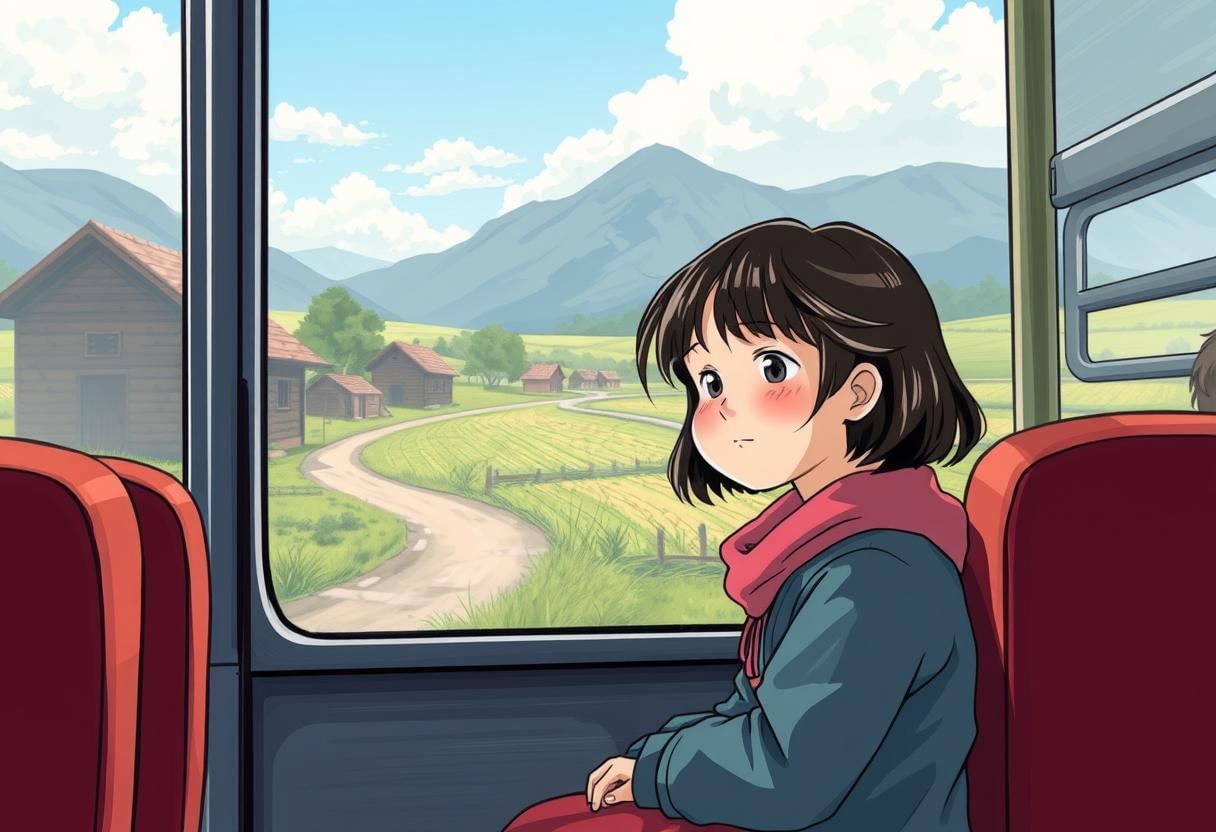
One afternoon, while her mother is asleep, Valli slips out of the house to catch the 1 pm bus. She walks confidently and gets on the bus; the conductor notices her confidence and, amused, addresses her as "Madam". He helps her find a seat. Valli enjoys watching the countryside from the moving bus: the fields, the trees, the people. An elderly passenger tells her not to stand on the seat; Valli, proud that she has paid full fare like others, insists she is not a child and will not stand on a seat. During the journey a few new passengers board, including an old woman who attempts to speak to Valli. Finding the woman disagreeable, Valli avoids conversation and prefers to look out of the window.
At one point a cow runs ahead of the bus and Valli laughs so much that tears come to her eyes; she experiences a moment of unbounded joy at the movement and the scene. When the bus reaches the town she decides not to alight. She pays the second fare and returns on the same bus to the village. On the way back she sees the same cow lying dead by the roadside, struck by a fast vehicle. The sight shocks her and the joy of the earlier ride is turned into sadness; the dead animal remains in her memory as a disturbing image.
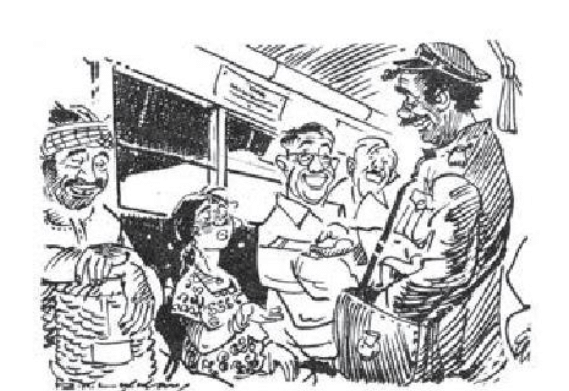
When she reaches home, her mother is awake and talking to Valli's aunt about the child's absence, but Valli does not tell them of her journey. She keeps her secret inside, smiling to herself as she remembers both the pleasure of the ride and the sorrow of seeing the cow dead. The adventure marks a small but important moment in her growing awareness of the world beyond her doorway.
Theme and Message
Theme
- Curiosity and Exploration: The story centres on a child's natural curiosity about the world beyond her immediate surroundings. The bus symbolises the unknown and the possibility of new experiences.
- Independence and Determination: Valli demonstrates agency by planning and executing her trip; she saves money, gathers information and acts on her wish to travel.
- Innocence and Coming-of-Age: The narrative captures the purity of childhood wonder and a moment of emotional growth when Valli confronts a sad reality.
- Awareness of Others: The behaviour of the conductor, passengers and neighbours reveals the social world Valli is entering and how children are viewed by adults.
- Empathy and Sensitivity: Valli's response to the dead cow shows that a child's sensitivity can be deep; she feels pity and shock, indicating moral growth.
- Value of Small Joys: The story highlights how ordinary events - a bus ride, a running cow - can create vivid, memorable experiences.
Message
- Pursue Simple Dreams: Even small wishes, like Valli's wish to ride a bus, matter. Fulfilling them contributes to a child's sense of independence and confidence.
- Learn by Experience: Firsthand experience teaches more than mere description; Valli learns about people, movement and life by travelling herself.
- Be Sensitive to Suffering: The story underlines the importance of empathy. Valli's sadness at the dead cow is an important emotional lesson.
- Appreciate Everyday Moments: Joy and sorrow in daily life shape one's understanding of the world; the ordinary can be deeply formative.
Characters
- Valliammai (Valli): An eight-year-old girl who is curious, observant and brave in small ways. She represents childhood wonder and the first steps towards independence.
- The Conductor: A pragmatic, humorous adult who treats Valli politely and calls her "Madam", which both amuses and empowers her. He is part of the adult world she briefly enters.
- Passengers: A mixed group of ordinary people whose behaviour provides Valli with social cues; some are friendly or inquisitive, others are disagreeable.
- Valli's Mother and Aunt: They are part of her domestic life and are not fully aware of Valli's internal world; their conversation provides a background of normal village life.
- The Cow: Both a living presence that brings joy when it runs playfully and a symbol of vulnerability when it is later found dead; it represents how pleasure and pain coexist in life.
Difficult Words
- Wistfully - Longingly or with a sense of yearning; looking back with gentle sadness.
- Discreet - Careful and circumspect in one's speech or actions; avoiding attention or offence.
- Elaborate - Involving many careful details; detailed and carefully planned.
- Recalculated - Calculated again, often to check or correct an earlier calculation.
- Slack - Less busy than usual; relaxed or not tight in activity.
- Overwhelming - Very great in amount or effect; overpowering to feelings or senses.
- Haughtily - In an arrogantly superior manner; showing disdain.
- Luxurious - Extremely comfortable or richly pleasurable; often implies excess.
- Repulsive - Causing strong dislike or disgust.
- Sociable - Friendly and willing to engage with others.
- Stifled - Suppressed or held back, as of feelings or actions.
- Thriftily - Using money or resources carefully and without waste.
- Painstaking - Done with great care and thoroughness.
- Gobbling - Eating quickly and often noisily.
- Speck - A tiny spot or small particle.
FAQs on Detailed Summary with Glossary & Important Info: Madam Rides the Bus
| 1. Who is Madam in "Madam Rides the Bus" and what makes her character so important? |  |
| 2. What is the main conflict between Madam and her son in this story? | |
| 3. Why does Madam decide to ride the bus, and what does this decision reveal about her character? | |
| 4. How does the conductor treat Madam during her bus journey, and what is the significance of this interaction? | |
| 5. What is the deeper message or moral lesson students should understand from "Madam Rides the Bus" for CBSE exams? | |





