Long Answer Questions: Mijbil the Otter

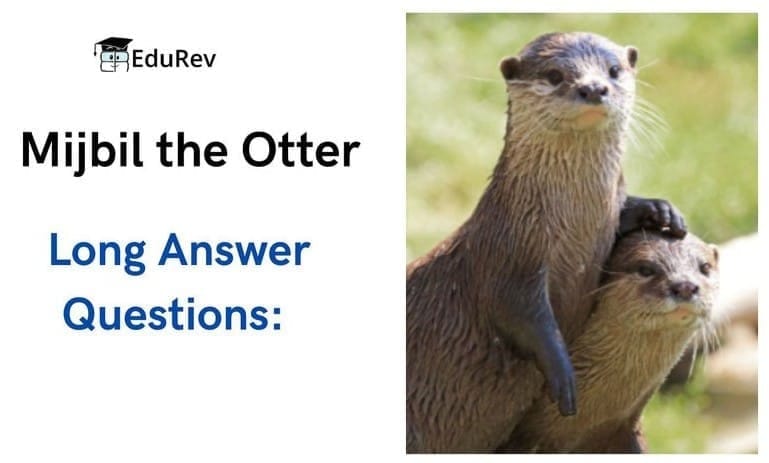
Q1. Mijbil did things that demonstrated its personality. Which qualities of the narrator are shown in his care for Mijbil?
Ans:
The narrator's care for Mijbil shows that he was loving, patient, observant, and responsible. He carefully understood Mijbil's natural habits and encouraged his playful nature by providing toys and opportunities to play in water. He was attentive to Mijbil's needs and showed deep concern for his safety, especially during the journey when the otter was injured. Maxwell's actions reflect his emotional attachment, compassion, and sense of duty towards his pet.
Q2. Why did Maxwell want to have an otter for a pet? How did he get one?
Ans:
After the death of his dog Jonnie Maxwell felt too sad to keep another dog and wanted an unusual pet more suited to his circumstances. While travelling in Southern Iraq he learned that otters were common in the Tigris marshes and were often tamed by local people. Acting on this information and on the suggestion of a friend, Maxwell went to Basra, where two Arabs brought him an otter as a gift, thus beginning his companionship with the animal.
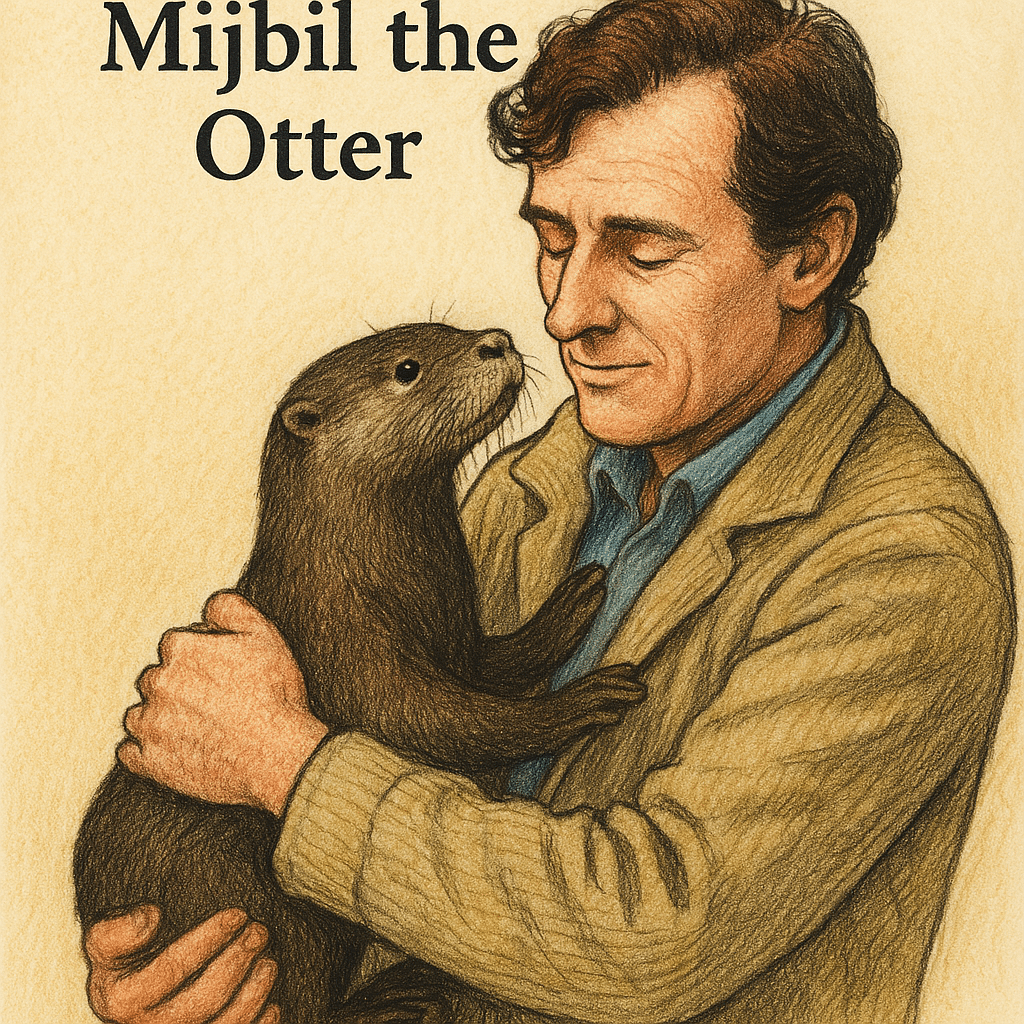
Q3. What did Maxwell do to transport Mijbil to England?
Ans:
Maxwell encountered difficulty taking Mijbil to England because the British airline refused animals. He therefore booked a flight to Paris with another airline that required the otter to travel in a box no larger than eighteen inches square. He prepared the box and placed Mijbil in it shortly before departure, but later found the otter injured and bleeding around the air holes. Despite his distress, he hurried to the airport, and a compassionate stewardess allowed him to hold Mijbil on his knee for the flight to London, where the otter then travelled safely.
Q4. Describe the relationship between the otter and Maxwell in your own words.
Ans:
Maxwell and Mijbil developed a warm and affectionate bond based on care and companionship. Maxwell was attentive to Mijbil's needs, encouraging play and water activity and giving him gentle care when he was hurt. The relationship grew from cautious familiarity into close trust: Mijbil gradually became friendlier, often seeking Maxwell's company and even sitting on his lap, while Maxwell showed steady protection and deep emotional attachment.
Q5. How did it come to the mind of the writer that an otter can be substituted for dogs or cats?
Ans:
After losing his dog Jonnie, Maxwell found it hard to consider another dog. While in Southern Iraq he learned from a friend that otters were plentiful in the Tigris marshes and were often tamed by the Arabs. The combination of their availability, the Arabs' practice of taming them, and Maxwell's home at Camusfearna with easy access to water made an otter seem a suitable and unique companion, so he decided to adopt one.
Q6. When did the author decide to have an otter as a pet? How did he get an otter?
Ans:
The author decided to adopt an otter after his dog Jonnie died in 1956. His house at Camusfearna, surrounded by streams and pools, made an otter seem especially appropriate. He mentioned the idea to a friend who told him about the otters in the Tigris marshes. Subsequently, Maxwell travelled to Basra, where two Arabs brought him the young otter that later became his companion.
Q7. How did the otter look when the author got it? What name did he give it? How did the otter enjoy being in the bathroom?
Ans:
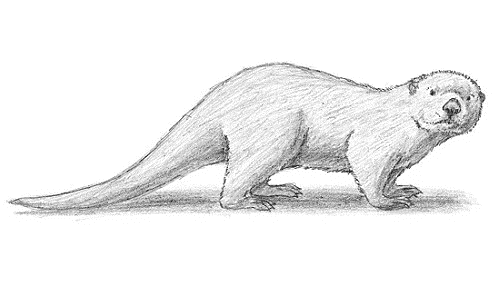
When the author first saw the otter, it looked like a small dragon covered with mud, with pointed scales of dirt, beneath which was soft, velvet-like fur. The author named the otter Mijbil. In the bathroom, Mijbil showed great delight in water, plunging, rolling, and swimming enthusiastically for about half an hour, splashing water everywhere and clearly enjoying himself.
Q8. How did the author make arrangements for transporting his otter to London?
Ans:
Maxwell found it difficult to bring Mijbil to London because British Airways refused animals. He therefore booked a flight to Paris on another airline that required the otter to travel in a box no larger than eighteen inches square. He familiarised Mijbil with the box before departure, but when he returned from a meal, he found the otter injured and bleeding around the air holes. He hurried to the airport and, after explaining the situation, was allowed by a sympathetic stewardess to hold Mijbil on his lap for the journey to London.
Key Vocabulary Box:
- Thraldom: Being under control or influenced by something.
- Fixation: A strong attachment or preoccupation.
- Aloof: Distant, indifferent, or not unfriendly.
- Apathy: A lack of interest or enthusiasm.
- Compulsive habits: Habits that are difficult to control.
- Ricochetting: A bullet or object bouncing off a surface.
- Nuzzle: To rub or push gently with the nose.
If you want to make the most of your studies and get the grades you deserve, then EduRev is a perfect choice!
FAQs on Long Answer Questions: Mijbil the Otter
| 1. What are the main themes and lessons in Mijbil the Otter that I need to understand for my Class 10 exam? |  |
| 2. How should I structure my answers to long answer questions about Mijbil the Otter for maximum marks? | |
| 3. What does Mijbil's behaviour reveal about his personality and intelligence in the narrative? | |
| 4. Why does the narrator struggle with Mijbil's captivity, and what does this conflict suggest about wildlife in confinement? | |
| 5. Which specific incidents from Mijbil the Otter best demonstrate the otter's adjustment challenges and emotional connection with the narrator? | |





