Detailed Summary and Important Words: Wind


About the Poet
Subramania Bharati was a leading poet and writer in the Tamil literary tradition. He worked as a journalist and was an active participant in India's struggle for independence. He is widely regarded as the father of the modern Tamil style of writing, known for his energetic language and progressive ideals.
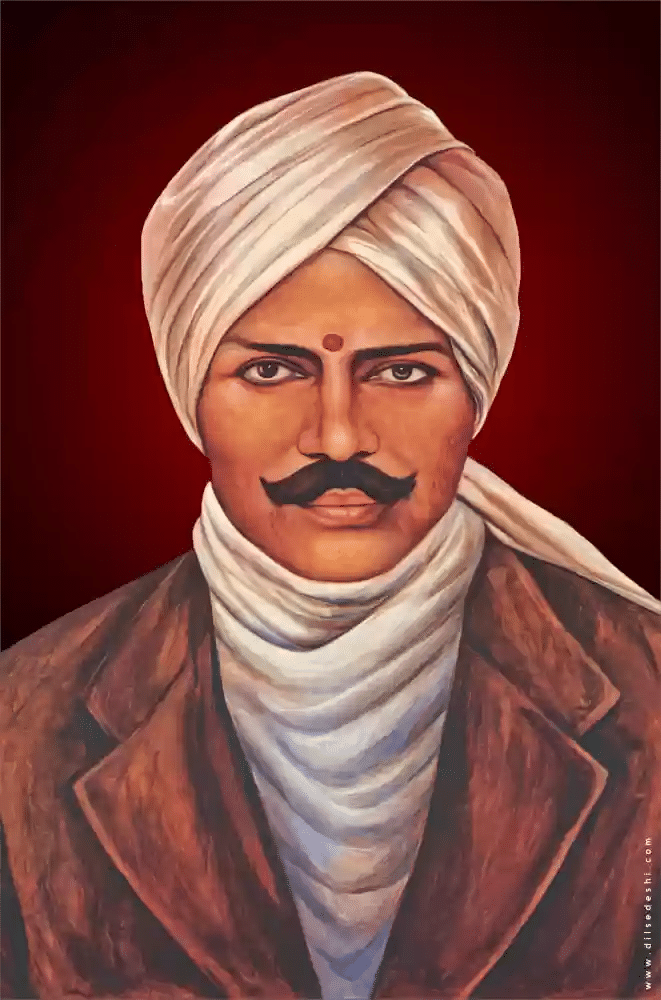 Subramania Bharati
Key Points of the Poem
- The poem is centred on the wind as its subject and image.
- The wind is presented as a powerful natural phenomenon that can be both destructive and constructive.
- The poet describes the wind's capacity for destruction and links it to the difficulties and trials that people face in life.
- The poem contrasts the response of the weak and the strong: weak things break down easily, while the strong grow stronger through adversity.
Detailed Summary
Wind, come softly.
Don't break the shutters of the windows.
Don't scatter the papers.
Don't throw down the books on the shelf.
In the first stanza, the poet requests the wind to blow gently and not destroy anything with its force. He asks the wind not to break the shutters of the windows and scatter the papers here and there. He also requests the wind not to throw the books on the shelf. At that point, he says to the wind, check out the destruction that you bring about. You have tossed everybody down and disarranged everything. Inferable from your power, the pages of the books have been destroyed. You have brought the heavy rain. Furthermore, the poet says that the wind is very good at making fun of weak people.
There, look what you did - you threw them all down.
You tore the pages of the books.
You brought rain again.
In these lines of the second stanza, the wind does not pay any attention to the poet's request of not blowing strongly. The poet says that the wind threw everything down from the shelf and it also tore the pages from the books. The poet gets angry and blames the wind to bring rain along with it. By this, the writer implies that when a solid wind blows, all delicate, powerless, and weak things break without any problem. At first, when the writer presented the wind, he contrasted its power with that of a little youngster; that is the reason he requested that the wind come delicately. In any case, later, the wind becomes dangerous, like an adolescent is ready to go, and there is viciousness and destruction.
You're very clever at poking fun at weaklings.
Frail crumbling houses, crumbling doors, crumbling rafters.
crumbling wood, crumbling bodies, crumbling lives,
crumbling hearts -
the wind god winnows and crushes them all.
Here, the poet says that the wind is entirely strong, to the point that it breaks all that comes in his manner. He says that the powerless houses are falling, the entryways are separating, the bar that supports the top of the structure is falling, and every one of the things made of wood is falling. In this stanza, the poet is sad as well as has a critical tone. The poet calls the wind clever as it makes fun of all weak things. The strong wind in these lines represents all the hardships and struggles that an individual faces in life. The poet says that the wind destroys all weak things such as houses, doors, rafters, and wood. It even destroys people, their lives, and hearts with its mighty power. The wind God continues to destroy or separate weaklings until they become strong enough to face the challenges.
Try yourself: What does the poet compare the wind's destructive power to in the poem?
He won't do what you tell him.
So, come, let's build strong homes,
Let's joint the doors firmly.
Practise to firm the body.
Make the heart steadfast.
Do this, and the wind will be friends with us.
In the fourth stanza, the poet addresses the readers and asks them to make themselves strong because the wind will not listen to anybody's request. The poet asks everyone to build strong houses and lock the doors tightly so that the wind cannot intrude on the house and destroy everything. This is a metaphor by which the poet is encouraging his readers to become bold and strong to face all the troubles in life. The poet asks the readers to practice hard to get a firm mind as well as a strong body so that they can face the wind and any challenge in life. If they can do this, then the wind will become their friend and will not harm them. The poet is tending to the wind as God. He has contrasted individuals and wheat and says that as we winnow the wheat to isolate the grain from the waste, comparatively, the Wind God isolates the resilient individuals from the powerless individuals. Because of the weighty and solid wind, every one of the powerless things falls and gets annihilated.
The wind blows out weak fires.
He makes strong fires roar and flourish.
His friendship is good.
We praise him every day.
In the last stanza of the poem, the poet describes the wind as both a creator and a destroyer. As a destroyer, it blows out the weak fire and as a creator, it encourages and nurtures strong fire. In other words, wind can destroy all things that are weak and feeble and at the same time, it can also flourish a thing that is strong and determined. If we are strong, then wind becomes our friend. That means strong people will stop fearing wind and not allow harming them. We then praise the wind of God every day for building our strength. Through this poem, the poet says that we should be mentally and physically prepared to accept all challenges. The poet says that the wind won't pay attention to us and do what we say. Thus, rather than training the wind, we ought to set ourselves up. We should fabricate solid homes and close the entryway firmly so that wind doesn't enter the home. We should make our bodies solid and our hearts firm with the goal of confronting these troubles and conquering every one of the difficulties. He says that by doing this large number of things, the wind will become companions with us. Here, the poet implies that issues would come in our lives; we should make ourselves sufficiently to conquer them. Each obstacle in our life makes us more grounded and assists us with investigating our inward strength.
Title Justification
The title "Wind" is appropriate because the whole poem revolves around the wind's behaviour and its symbolic meaning. The wind functions both as a concrete force affecting houses and books and as a symbol for the adversities that challenge human beings. The direct address to the wind and the sustained image of its power make the one-word title precise and effective.
Theme and Message
The central theme of the poem is the relationship between adversity and strength. The poem teaches that hardships are inevitable and that they act as tests which separate the weak from the strong. Instead of pleading with forces beyond our control, we should prepare ourselves physically and mentally. Strength of character and endurance turn destructive forces into aids for growth. Thus the poem conveys an instructive and encouraging message: prepare, strengthen, and you will not be defeated by difficulties.
Literary Devices
- Anaphora - repetition of a word or phrase at the start of successive lines. For example, several lines begin with "Don't" and several others with "You", creating emphasis and rhythm.
- Personification - the wind is addressed as "you" and given human qualities; it is treated as an agent that mocks and acts, even as a "wind god".
- Repetition - words such as "crumbling" are repeated to emphasise the progressive destruction of weak things.
- Alliteration - the repetition of consonant sounds in close proximity, for example in the phrase "wind winnows", which adds musicality and focus to the line.
- Symbolism - the wind symbolises trials, difficulties and forces beyond human control that test and refine character.
Difficult Words
- poking fun: making fun of; mocking.
- weaklings: people or things that are weak.
- crumbling: falling to pieces; breaking apart slowly.
- rafter: a sloping beam that supports a roof.
- winnows: separates grain from chaff by blowing; here used metaphorically for separating the strong from the weak.
- steadfast: firm and unwavering in purpose or belief.
- flourish: to grow or develop strongly; to thrive.
You can practise questions from this chapter here: Important Question Answers: Poem - Wind
FAQs on Detailed Summary and Important Words: Wind
| 1. What is the central theme of the poem "Wind"? |  |
| 2. Who is the poet of the poem "Wind"? | |
| 3. What literary devices are used in the poem "Wind"? | |
| 4. How does the poet describe the wind in the poem? | |
| 5. What is the message conveyed by the poem "Wind"? | |





