Long Answer Type Questions - The Last Leaf

Q1. What is Johnsy's illness? What can cure her - the medicine or her willingness to live?
Ans: Johnsy suffered from pneumonia during a cold November. The disease left her physically weak and mentally depressed. She became convinced that she would die when the last ivy leaf fell, and this belief drained her of hope and appetite. As a result, medicines alone could not restore her health because recovery also required her willingness to live. The doctor made it clear that her desire to live was the main factor in her recovery; without it, even good medical treatment would be ineffective.
Q2. Sue is a true and faithful friend. Comment.
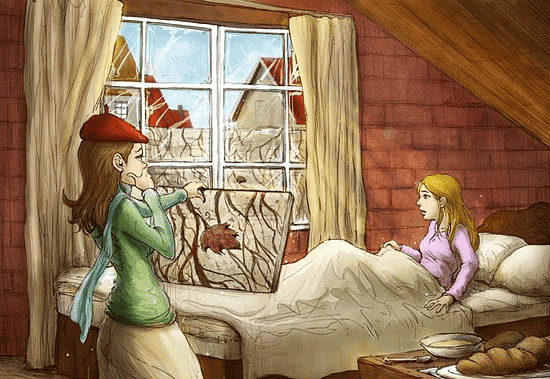
Ans: Sue shows the qualities of a loyal and caring friend. She shared a flat and a life of art with Johnsy, and when Johnsy fell ill Sue devoted herself to looking after her. She called the doctor regularly, painted to earn money beside Johnsy's bed and tried to cheer her up each day. Sue patiently contradicted Johnsy's gloomy ideas about the falling leaves and sought help from Behrman when the situation became serious. Her steady care, practical support and emotional strength show true friendship.
Q3. Do you think the feeling of depression Johnsy has is common among teenagers?
Ans: Yes, Johnsy's depression is a feeling many teenagers experience. Teenagers are still developing emotionally and may find it hard to cope with stress or illness. This can lead to negative thinking, pessimism and loss of willpower, which may affect their physical health. Teenagers can also be difficult to counsel because they test boundaries and resist advice. Encouraging positive habits such as regular exercise, good sleep, healthy eating, talking about feelings and simple relaxation techniques can help build resilience and reduce such depression.
Q4. How did Behrman save Johnsy's life?
Ans: Behrman saved Johnsy by a remarkable act of self-sacrifice. Although an unsuccessful artist in his sixties, he chose to help when he learned Johnsy believed she would die as the last ivy leaf fell. On a stormy night he went out into cold and rain and painted a realistic leaf on the wall where the ivy grew. Seeing that "last leaf" remain gave Johnsy renewed hope and the will to live. Behrman, however, caught pneumonia after exposure and died; his painted leaf became his true masterpiece.
Q5. Imagine Behrman survives the attack of pneumonia. His family takes him back to his native countryside to nurse him back to health. As Johnsy, write a letter to Behrman expressing your gratitude.
Ans:
(Date)
2-111 Floor Ivy Apartments
London
Dear Mr. Behrman,
I hope this letter finds you steadily improving. Sue and I think of you often and miss you greatly. You have always been kind to us, but nothing could have prepared me for the courage you showed when I was ill. I am deeply grateful that you risked your health to give me hope.
Your painted leaf did more than decorate a wall; it saved my life by restoring my will to live. I cannot find words to thank you enough for that gift. Your act has taught me the true value of patience, courage and kindness.
Please take good care of yourself as you recover in the countryside. Sue and I look forward to the day when we can see you again and watch you paint more of your fine work.
With sincere thanks and warm wishes,
Johnsy
Q6. Describe briefly how Behrman saved Johnsy's life.
Ans: Johnsy was ill with pneumonia and believed she would die when the last ivy leaf fell. The doctor said her recovery depended on her will to live. Hearing this, Behrman, an elderly painter who lived below them, decided to help. During a violent storm he painted a convincing green leaf on the wall just as the last real leaf had fallen. Seeing this leaf the next morning renewed Johnsy's hope and desire to recover. Behrman later died of pneumonia contracted that night, but his selfless act saved her life.
Q7. In "The Last Leaf" why did Sue cry bitterly when the doctor had gone? Later she walked into Johnsy's room whistling a cheerful tune. Why?
Ans: Sue cried bitterly after the doctor left because his prognosis was grave: Johnsy would only get better if she regained the will to live. Sue felt helpless and frightened for her friend. She then chose to hide her distress and went into Johnsy's room whistling a cheerful tune to lift Johnsy's spirits. Sue understood that showing despair would only deepen Johnsy's gloom, so she acted with courage and hope to support her friend.
Q8. What did Johnsy believe about the falling leaves? Did Sue believe the same thing?
Ans: Johnsy believed that her life was linked to the falling ivy leaves; she thought she would die when the last leaf fell. Sue did not share this belief. She tried to comfort Johnsy and told her the leaves had no power over her life. Sue cared for Johnsy and sought help from Behrman when Johnsy's condition and mood grew worse.
Q9. Write a brief character sketch of old Behrman.
Ans: Old Behrman was an unsuccessful artist in his sixties who had long dreamed of painting a masterpiece but had not achieved recognition. He lived below Johnsy and Sue and behaved gruffly at times, yet he was kind at heart. When he learned of Johnsy's belief and danger, he acted without hesitation. In dreadful weather he painted a lifelike leaf on the wall to give her hope, sacrificing his own health. His final act showed his deep compassion and courage, and it can be regarded as the true masterpiece he longed to create.
Q10. Justify the title of the story 'The Last Leaf '.
Ans: The title The Last Leaf is central to the theme and events of the work. Johnsy's belief that she would die when the last ivy leaf fell becomes the turning point of the plot. When an elderly painter, Behrman, paints a leaf that appears to resist the storm, that painted leaf restores Johnsy's hope and her will to live. The single leaf-though not real-becomes the symbol of hope, survival and sacrifice, which makes the title especially apt.

Q11. Draw a brief character sketch of Sue.
Ans: Sue is an artist who shares a studio with Johnsy in an artists' colony. She is kind-hearted, patient and deeply devoted to her friend. When Johnsy becomes ill, Sue nurses her, keeps her company and works to pay for medicine and food. Though frightened when the doctor gives a poor prognosis, Sue keeps encouraging Johnsy and seeks help from others such as Behrman. Her calm care, practical effort and emotional support make her a model of faithful friendship.
Q12. Behrman's masterpiece helped Johnsy survive. Explain how the last leaf influenced Johnsy.
Ans: Behrman's masterpiece-the painted leaf-played a decisive role in Johnsy's recovery. Johnsy had lost hope and tied her fate to the ivy leaves. Behrman painted a realistic leaf on the wall during a storm so that it appeared to be the last one holding on. Seeing that "last leaf" remain through the rain gave Johnsy renewed hope and the desire to fight her illness. That change in attitude was crucial to her recovery. Behrman himself, however, contracted pneumonia and died as a result of his action, making his sacrifice the cause of her survival.
Q13. Johnsy felt her survival was related to the falling ivy leaves. Explain how blind beliefs can harm us.
Ans: Johnsy's fixation on the ivy leaves shows how superstitions or blind beliefs can be harmful. By tying her fate to an external sign she lost hope and stopped caring for herself, which worsened her condition. Even though the doctor explained that recovery depended on her will to live, her irrational belief prevented her from trying to get better. This example shows that unquestioning faith in false signs can undermine sensible action, harm mental health and even threaten life.
Q14. Sue played a very important role in saving her friend Johnsy. Explain how she acted as a trusted friend.
Ans: Sue's care and persistence were crucial to Johnsy's recovery. She nursed Johnsy, kept her company and worked to earn money for medicines and food. When Johnsy became despairing about the falling leaves, Sue tried to lift her spirits and sought help from Behrman. She kept the atmosphere around Johnsy as hopeful as she could and refused to give up on her friend. Sue's steady presence, emotional support and practical efforts show how a trusted friend can make a life-saving difference.
Q15. "A friend in need is a friend indeed." Do you think the story The Last Leaf supports this statement?
Ans: Yes, The Last Leaf supports the proverb A friend in need is a friend indeed. When Johnsy fell critically ill, Sue remained by her side, offering care and comfort. Sue also sought Behrman's help when she feared for Johnsy's life. Behrman, though not a close companion in the ordinary sense, acted selflessly to give Johnsy hope. The actions of both Sue and Behrman-practical help, emotional support and personal sacrifice-clearly illustrate true friendship in times of need.
Q16. "You have to live for your friends." How far do you agree with this advice given by Sue to Johnsy?
Ans: Sue's advice, "You have to live for your friends," encouraged Johnsy to find strength in relationships rather than give in to despair. Since the doctor said recovery depended on her will to live, having reasons to live-love and friendship-can restore hope and purpose. While it is not the only reason one must live, caring for others and feeling cared for often helps people recover from illness or hardship. In Johnsy's case, thinking of her friends and the support around her helped change her attitude and aided her recovery.
Q17. What is the need to maintain a positive attitude in life? Comment with reference to Johnsy's attitude.
Ans: Maintaining a positive attitude helps people face difficulties with energy and hope. Johnsy's negative outlook made her ill situation worse because she lost the will to eat and to live. The doctor warned that her recovery depended largely on her desire to get better. When her outlook changed after she saw the last leaf, she regained hope and began to recover. Her case shows that a positive attitude can support both mental resilience and physical recovery.
Q18. The Last Leaf is a story of supreme sacrifice by an old artist. Do you agree?
Ans: Yes, The Last Leaf illustrates supreme sacrifice. Behrman, an elderly artist, risked his life in bad weather to paint a leaf that would give Johnsy hope. He caught pneumonia as a result and died soon after. His deliberate choice to expose himself to danger for another person's sake is a profound act of selflessness. That sacrifice saved Johnsy's life and revealed the depth of his compassion.
FAQs on Long Answer Type Questions - The Last Leaf
| 1. What is the main theme of "The Last Leaf" and what does the leaf symbolise in the story? |  |
| 2. Why does Johnsy decide to die and how does her thinking change throughout the narrative? | |
| 3. How does O. Henry use the setting of the apartment and the ivy vine to develop the story's message? | |
| 4. What are the key character differences between Johnsy, Sue, and Behrman in "The Last Leaf"? | |
| 5. How should students approach answering long answer type questions on "The Last Leaf" for CBSE exams? | |





