Summary - A House is not a Home

Key Points of the Story
- Protagonist's difficult transition from junior high to high school.
- The move separates the narrator from close friends and familiar teachers, producing a sense of isolation and insecurity.
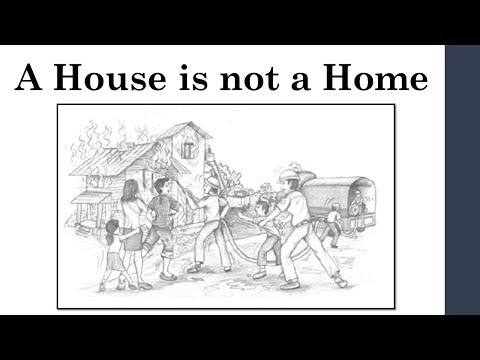
- A house fire becomes the central crisis: the narrator and family escape, but the home and many possessions are destroyed.
- The narrator's mother risks her life to rescue a metal box with important documents and then goes back for the father's photographs and letters.
- The family loses almost everything; the narrator's beloved red tabby cat goes missing during the fire.
- Classmates and peers offer unexpected support and kindness at school, providing clothes, supplies and emotional care.
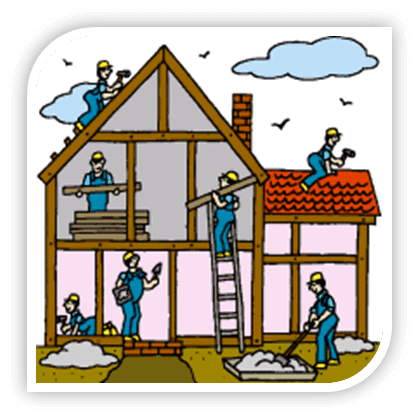
- The house is rebuilt and, alongside it, the narrator experiences emotional recovery and personal growth.
- The lost cat is eventually found and returned by a stranger, bringing closure, gratitude and hope.
Detailed Summary
The narrator begins by describing the sharp contrast between life in junior high, where they felt confident and secure, and the experience of entering a much larger high school. Friends attend a different school, and familiar teachers are gone. This sudden separation leaves the narrator feeling lonely, awkward, and unsure of how to fit in.
The narrator's closest companion during this difficult time is a rescued red tabby cat that provides comfort and stability. One cold, windy evening, while the narrator is doing homework near the fireplace, smoke begins to fill the room and a fire breaks out. The family evacuates quickly, but the narrator fears for both the cat and the home.
During the escape, the narrator's mother runs back into the burning house to save a metal box containing important documents. She then risks her life again to retrieve the father's photographs and letters. Firefighters rescue her, but the house is almost completely destroyed. The narrator's cat is missing, increasing the emotional trauma.
Displaced from their home, the family stayed elsewhere while the house was rebuilt. At school the narrator faced embarrassment: their regular clothes, books and supplies had been destroyed, and they worried about how others would react. To the narrator's surprise, classmates responded with compassion. Schoolmates offered clothing, stationery and other necessities, and some reached out with kind words. This unexpected support helped the narrator feel less alone and more accepted.
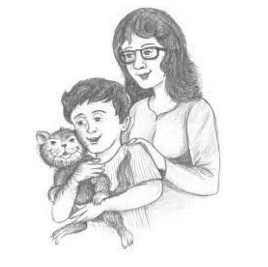
As rebuilding begins, the physical restoration of the house mirrors the narrator's emotional healing. The narrator realizes that material possessions can be replaced, but relationships, courage, and community are far more valuable. Eventually, a stranger returns the missing cat, bringing immense joy and emotional closure.
Through the experience of loss and the subsequent kindness shown by others, the narrator learns important lessons about resilience, the value of community, and the need to allow others to help. The story traces an emotional arc from isolation and fear to connection and hope.
Theme and Message
Themes:
- Resilience and adaptation: The narrator copes with a traumatic event and gradually rebuilds life, showing how people adapt when faced with loss.
- Community and compassion: Support from classmates and strangers demonstrates the power of empathy and social bonds in recovery.
- Loss and restoration: The story explores grieving for what is lost and the process of restoring meaning and normalcy.
- Value of relationships over possessions: While material things are destroyed, human relationships and kindness prove life-affirming and lasting.
Message:
- Adversity can reveal inner strength and encourages reliance on others; accepting help is a sign of courage, not weakness.
- True recovery involves both practical rebuilding and emotional healing; gratitude and openness to others aid personal growth.
- Small acts of kindness have a large impact and can transform feelings of isolation into belonging.
Difficult Words
- Isolated - (adjective) lonely or separated from others; feeling cut off. Example: After changing schools she felt isolated for a few weeks.
- Groping - (verb) feeling about with the hands; searching blindly or uncertainly. Example: He was groping for the right word to explain himself.
- Crazed - (adjective) driven to behave wildly or irrationally. Example: The dog seemed crazed with fear during the storm.
- Inhaled - (verb) breathed in; took air, smoke or gas into the lungs. Example: He inhaled sharply when the smoke reached the doorway.
- Vulnerable - (adjective) open to physical or emotional harm; easily hurt. Example: Children left alone may feel vulnerable in a strange place.
- Plight - (noun) a dangerous, difficult, or otherwise unfortunate situation. Example: The family's plight after the fire moved many neighbours to help.
- Outcast - (noun) a person who has been rejected or ostracised by a social group. Example: He sometimes felt like an outcast at the new school.
- Insecurity - (noun) uncertainty or anxiety about oneself; lack of confidence. Example: Her insecurity made it hard to ask for help even when she needed it.
- Heroically - (adverb) in a brave, daring, or courageous manner. Example: She acted heroically when she saved the photographs from the burning house.
- Gratitude - (noun) the quality of being thankful; readiness to show appreciation. Example: The narrator felt deep gratitude toward classmates who offered help.
The story is a clear, student-friendly episode that deals with real emotions and real consequences: the difficulty of change, the shock of sudden loss, and the comfort of human kindness. It teaches that while material things may be lost, compassion and community help rebuild lives and restore hope.
FAQs on Summary - A House is not a Home
| 1. What are the differences between a house and a home? |  |
| 2. How can one transform a house into a home? | |
| 3. Can a house feel empty even when it is filled with material possessions? | |
| 4. Why is it important to create a sense of home in a living space? | |
| 5. How can one cultivate a feeling of home in a shared living space? | |





