Long Answer Question - If I were you

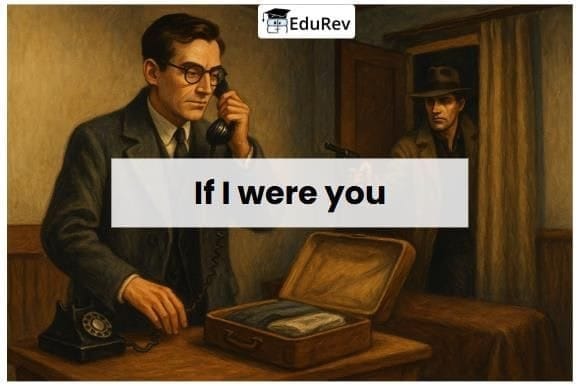
Q1. Gerrard talks pleasantly with the intruder. Was he really pleased to see the criminal?
Ans: Gerrard was not genuinely pleased to see the intruder. He remained outwardly pleasant as a deliberate tactic.
He was calm and shrewd because he understood that any direct confrontation could be dangerous. His polite manner was intended to delay the intruder and keep him talking. His confidence made the intruder doubt his own control.
By appearing friendly Gerrard unsettled the intruder and made him reveal more about himself. This behaviour gave Gerrard time to plan a safe way to disarm and trap him.
In short, Gerrard's cordiality was strategic rather than sincere; it was a controlled response designed to protect himself and to bring the intruder to justice.
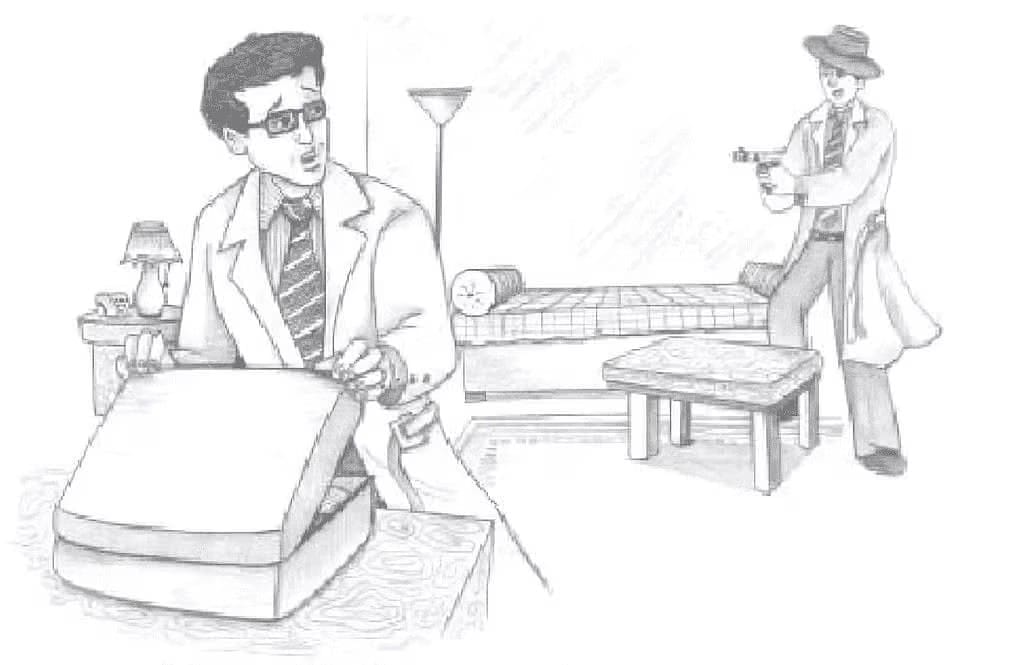
Q2. The intruder is boastful. He threatens Gerrard, "I'll make you crawl" Was he able to carry out his threat? What happened to him?
Ans: The intruder did boast and threaten Gerrard, but he failed to carry out his threat. Gerrard kept his composure and used conversation to unsettle the intruder.
While the intruder intended to intimidate Gerrard with a revolver, Gerrard persuaded him that he, too, was a criminal and staged a deception to gain control of the situation.
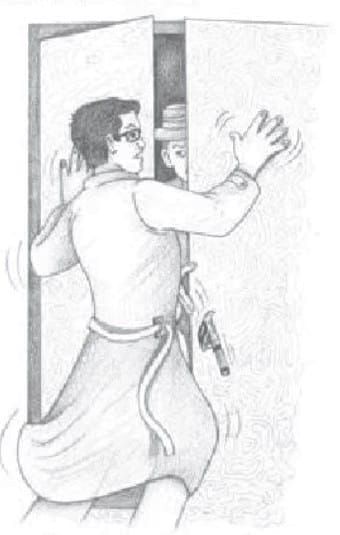
Eventually Gerrard tricked the intruder into looking into a cupboard, pushed him inside. The revolver slipped from his hand, allowing Gerrard to overpower him. He secured the revolver and locked the cupboard. The intruder was prevented from harming Gerrard and was later apprehended.
Q3. Gerrard says, "In most melodramas, the villain is foolish enough to delay his killing long enough to be frustrated". Does this statement hold good for the play 'If I Were You'?
Ans: This statement does hold good for the play. The intruder intends to kill Gerrard and assume his identity, but he repeatedly delays and hesitates.
Gerrard uses the delays to his advantage. By keeping calm and engaging the intruder in talk, Gerrard exposes the intruder's weaknesses and forces him to reveal details that undermine his plan.
Because of these delays and Gerrard's quick thinking, the intruder is eventually outwitted, disarmed and trapped. The play follows the melodramatic pattern in which the villain's impatience or foolishness leads to his downfall.
Q4. The best way to deal with a crisis is not to lose your calm. Discuss this statement with reference to the behaviour of Gerrard in the play.
Ans: Gerrard's behaviour shows that remaining calm in a crisis is often the most effective course of action. When the intruder bursts in with a gun, Gerrard does not panic; instead he controls his emotions and adopts a deliberate strategy.
His calmness prevents rash decisions and allows him to think clearly. By appearing relaxed and friendly he confuses the intruder and encourages him to speak, which gives Gerrard time to plan.
Gerrard's composed manner, combined with quick thinking and wit, enables him to disarm the intruder and secure his safety. The play demonstrates that composure can turn a dangerous situation into a manageable one.
Q5. Why was Gerrard packing a bag at the beginning of the play? How did it help him to outwit and trap the intruder?
Ans: Gerrard was packing a bag to deliver props and make-up to a theatre group. The bag contained theatrical items such as disguises, false moustaches and other stage props.
When the intruder arrived, Gerrard used the contents of the bag to support a fabricated account about being a fellow criminal who needed disguises. The props made his claim believable to the intruder, who did not know Gerrard's connection with the theatre.
This convinced the intruder to trust Gerrard and to follow his instructions, which allowed Gerrard to lead him into the cupboard and trap him. Thus, the bag and its contents were crucial to Gerrard's deception and final success.
Q6. Bring out Gerrard's intelligence, the presence of mind and sense of humour. How did these traits help him outwit the intruder?
Ans: Gerrard's intelligence showed in how quickly he read the situation and chose an effective plan. Instead of reacting with fear he remained composed and observed the intruder closely.
His presence of mind allowed him to invent a plausible account and use the theatre props to back it up. He turned conversation into a tool, making the intruder reveal details and relax his guard.
Gerrard's sense of humour lightened the tense mood and made the intruder less suspicious. By combining wit with a clever ruse, Gerrard managed to disarm the intruder, push him into the cupboard and lock him, thereby ensuring his own safety.
Q7. Why did the intruder find Gerrard's cooked up the story of his criminal background convincing?
Ans: The intruder found Gerrard's fabricated account convincing because Gerrard supported it with tangible props and a confident manner. The bag of disguises and make-up made the claim plausible to someone who did not know Gerrard's theatrical work.
The intruder was also inclined to accept short, direct answers and did not probe further when Gerrard presented his account. Unaware of Gerrard's true occupation, the intruder accepted the deception and thus fell into the trap.
Q8. Imagine you are Gerrard. Write a letter to your friend describing what happened when the intruder broke into your house.
You may describe:
- the intruder's appearance
- his way of speaking, mannerism and movement
- his plan to evade the law
- your success in outwitting him
Ans.
(Address)
(Date)
Dear ..........
I am writing to tell you about a most extraordinary incident which might well serve as the plot for a future play.
Today, in the afternoon, as I was about to leave my cottage with a bag of props and make-up for the Globe Theatre, I heard something strike my table. On turning, I saw a man of a build very similar to mine, wearing a loud overcoat. He levelled a gun at me and, in a rough voice, ordered me to put my hands up. He did not shoot me at once because he needed information about me. He said he had killed a policeman and was dodging the law. His plan was to kill me, take my identity and escape arrest.
By keeping my head I managed to foil his design. I calmly told him that I too had a criminal past and warned that even if he took my identity, he would not escape punishment. To support this claim I showed him my bag, which contained disguises and stage make-up. At that moment the telephone rang - a call from a theatre client confirming props - and this helped to make my account appear genuine.
The man accepted my suggestion to flee together. I told him that the cupboard led to a secret escape route and asked him to look inside. When he leaned in I pushed him into the cupboard, seized his gun and locked the door. I then asked the caller to send the sergeant to the house to arrest the criminal.
I am sure you will agree that this was a clever turn of events worthy of the stage. We can discuss it further when we meet on Sunday.
Your loving friend
Gerrard
Q9. The intruder's plan was clever but not feasible. Do you agree? Give reasons in support of your answer.
Ans. I agree that the intruder's plan, though clever in idea, was not feasible in practice.
First, killing Gerrard would have created practical problems: disposing of the body and avoiding immediate suspicion are difficult tasks and could easily lead to discovery and arrest.
Second, Gerrard's absence would soon be noticed by theatre colleagues and clients; enquiries about missed appointments or undelivered props would attract police attention.
Finally, assuming another person's identity requires more than a resemblance; it needs knowledge of personal relationships, habits and documents. The intruder had not planned for these complications, so his scheme was unlikely to succeed in the long term be carried out properly.
FAQs on Long Answer Question - If I were you
| 1. What is the main theme and message of "If I Were You" for Class 9 English? |  |
| 2. How should I answer long answer questions on "If I Were You" to score maximum marks in exams? | |
| 3. What are the main differences between the burglar and Ashok Kumar in "If I Were You"? | |
| 4. Why does the burglar want to exchange places with Ashok Kumar in this story? | |
| 5. What are the key plot twists and turning points students must remember for "If I Were You" long answers? | |





