CBSE Class 4  >  Class 4 Notes  >  Worksheet: Pinocchio

Worksheet: Pinocchio

Q1: Select the right options to complete each sentence.

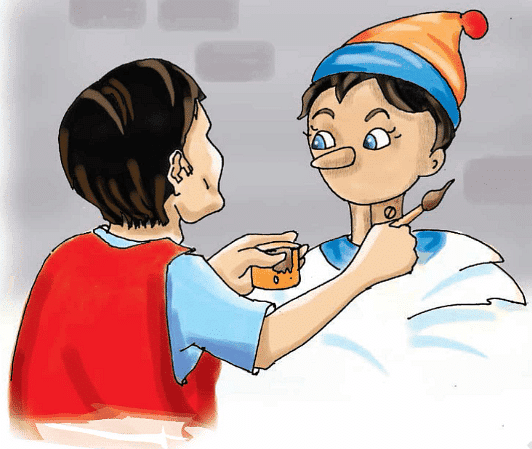
(i) The old carpenter thought that it was a ________ piece of wood. (happy/strange)

(ii) When the puppet took ________, he named it Pinocchio. (shape/share)

(iii) The carpenter was ________ to see the eyes move! (alarmed/amazed)

(iv) The puppet put on the carpenter's ________. (wings/wig)

(v) The carpenter decided to send Pinocchio to ________. (prison/school)
Q1: Select the right options to complete each sentence.

Q2: True and False.

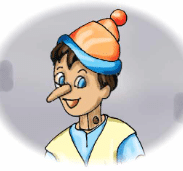
(i) Pinocchio's nose grew shorter every time he told a lie.

(ii) The puppet's legs and feet were initially flexible and easy to use.

(iii) Pinocchio was always diligent and attentive at school.

(iv) Pinocchio's nose grew longer when he was honest and truthful.

(v) The carpenter made Pinocchio's wig for himself.
Q2: True and False.

Q3: Multiple Choice Questions (MCQ).

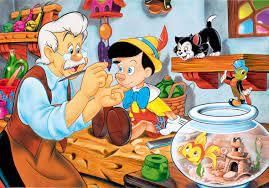
(i) What did the old carpenter decide to make out of the strange piece of wood?
(a)
A chair
(b) A puppet
(c) A table
(d) A toy train

(ii) What name did the old carpenter give to the puppet he made?
(a) 
Peter
(b) Jack
(c) Pinocchio
(d) Wooden Boy
Q3: Multiple Choice Questions (MCQ).

(iii) What unusual thing happened when the old carpenter finished making the eyes of the puppet?
(a)
The eyes closed shut
(b) The eyes started moving
(c) The eyes turned red
(d) The eyes began to shine

(iv) How did the puppet react when its mouth wasn't even made yet?
(a) 
It started laughing
(b) It began to talk
(c) It cried loudly
(d) It remained silent

Q4: Short Question Answer. 

(i) How did the old carpenter react when he heard the laughing voice coming from the piece of wood?

(ii) What was the consequence each time Pinocchio told a lie?

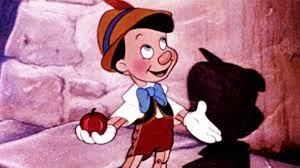
(iii) Why did Pinocchio's nose grow longer? Give an example from the story.

(iv) How did Pinocchio's behavior at school differ from what was expected of him?

(v) What did Pinocchio decide at the end of the story, and why was it significant?
Q4: Short Question Answer. 


You can find Worksheets Solutions here: Worksheet Solutions: Pinocchio 

The document Worksheet: Pinocchio is a part of Class 4 category.
All you need of Class 4 at this link: Class 4

FAQs on Worksheet: Pinocchio

1. What are the main characters in Pinocchio and what do they represent?
Ans. Pinocchio is a wooden puppet created by Geppetto who dreams of becoming a real boy, symbolising the journey from innocence to maturity. Gepetto represents unconditional parental love, while the Blue Fairy embodies guidance and moral wisdom. The Cat and Fox symbolise deception and temptation that lead children astray from righteous paths and honest living.
2. Why does Pinocchio's nose grow and what is the lesson behind it?
Ans. Pinocchio's nose grows whenever he tells a lie, serving as a visible consequence of dishonesty. This magical punishment teaches children that lies cannot remain hidden and that truthfulness is fundamental to building trust and respect. The nose-growing mechanism symbolises how falsehoods inevitably expose themselves, making honesty the safest moral choice.
3. What happens to Pinocchio on the Island of Toys and why is it important to the story?
Ans. On the Island of Toys, Pinocchio indulges in pleasure and abandons his education, eventually transforming into a donkey as punishment for idleness and disobedience. This episode demonstrates the consequences of rejecting responsibility and parental guidance. The transformation serves as a critical turning point, forcing Pinocchio to recognise the dangers of ignoring wisdom and choosing instant gratification over personal growth.
4. How does Pinocchio finally become a real boy and what values does this transformation teach?
Ans. Pinocchio becomes a real boy through selfless sacrifice and genuine remorse-he saves Gepetto from the whale's belly, proving his courage and love. His transformation rewards obedience, courage, and moral redemption after learning from past mistakes. The story teaches that becoming truly "real" requires demonstrating genuine virtue, responsibility, and willingness to change rather than merely wishing for it.
5. What role does the Blue Fairy play in Pinocchio's journey towards becoming virtuous?
Ans. The Blue Fairy serves as Pinocchio's moral guide and protector throughout his adventures, offering second chances when he strays from righteousness. She represents conscience and divine intervention, repeatedly helping him escape danger caused by his own poor choices. Her presence emphasises that moral growth requires both external guidance and internal willingness to accept correction and pursue virtue consistently.
Download as PDF

Top Courses for Class 4

Related Searches
Worksheet: Pinocchio, Important questions, Worksheet: Pinocchio, mock tests for examination, Worksheet: Pinocchio, Extra Questions, Exam, Previous Year Questions with Solutions, Summary, Objective type Questions, practice quizzes, MCQs, Semester Notes, Free, past year papers, video lectures, study material, shortcuts and tricks, Viva Questions, pdf , Sample Paper, ppt;
