CBSE Class 4  >  Class 4 Notes  >  Worksheets with solutions  >  Worksheet Solutions: The Way The World Looks

Worksheet Solutions: The Way The World Looks

Q1: Multiple Choice Questions (MCQs).

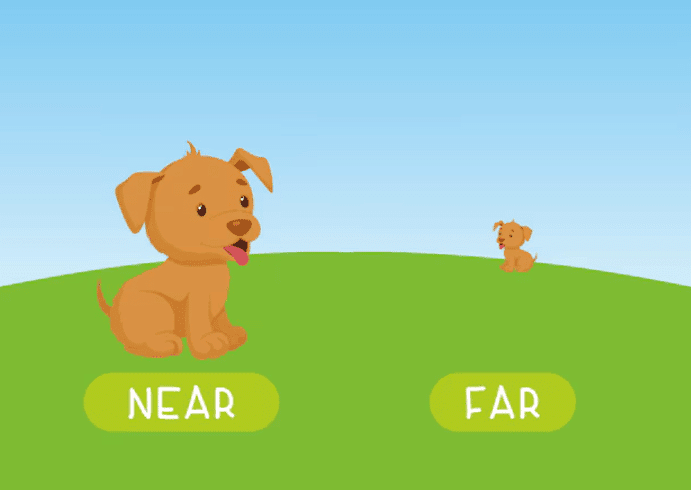
(i) Things will look _________ which are nearer to eye.
(a) 
Big
(b) 
Small
(c) 
Long
Ans: (a)Q1: Multiple Choice Questions (MCQs).

(ii) The alphabet 'M' looks _________ in the mirror.
(a) 
Opposite
(b) 
Right
(c) 
Curved
Ans:
(a)

(iii) There are _________ corners in a cubical room.
(a) 
Six
(b)
Four
(c) 
Eight
Ans:
(c)Q1: Multiple Choice Questions (MCQs).
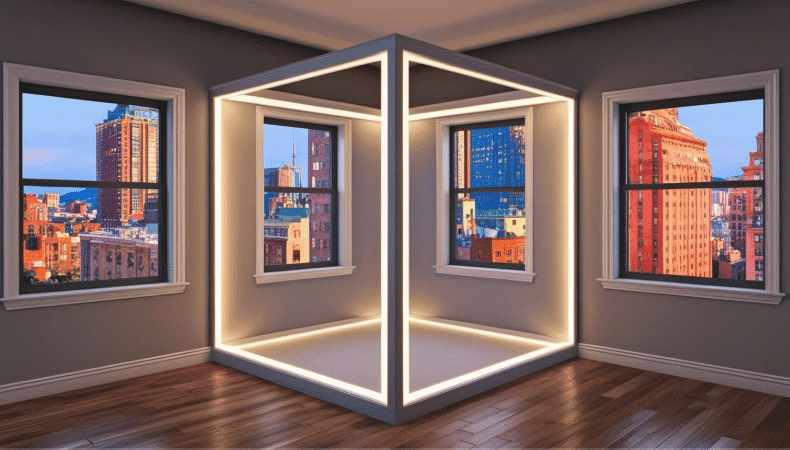
(iv) An object looks _________ from maximum height.
(a) 
Big
(b) 
Long
(c) 
Very small
Ans:
(c)

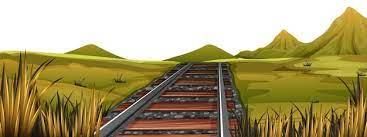
(v) If railway track looks wide from near and it will look _________ a from distance.
(a) 
More wide
(b) 
Narrow
(c) 
Big
Ans:
(b)
Q1: Multiple Choice Questions (MCQs).

(vi) The candle looks long from near it will look _________ from distance.
(a) 
Long
(b)
Wide
(c)
Small
Ans:
(c)

(vii) Things look _________ from distance
(a) 
Long
(b) 
Big
(c) 
Small
Ans:
(c)

(viii) Your school looks _________ from sky.
(a) 
Small
(b) 
Round
(c) 
Triangular
Ans: 
(a)

Q1: Multiple Choice Questions (MCQs).

Q2: Choose the option that best describes the movement of each shape.

(i) 
Q2: Choose the option that best describes the movement of each shape.(a) stack and slide
(b)
roll and slide
(c) 
stack and roll
Ans: 
(a)

(ii)
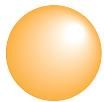
Q2: Choose the option that best describes the movement of each shape.(a)
slide and roll
(b)
roll and stack
(c) 
roll
Ans: 
(c) 

(iii)

Q2: Choose the option that best describes the movement of each shape.(a)
slide and stack
(b) 
stack, slide, and roll
(c)
stack and roll
Ans:
(b) 

(iv)
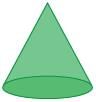
Q2: Choose the option that best describes the movement of each shape.(a)
slide and roll
(b)
stack and slide
(c) 
roll and stack
Ans:
(a)

(v)
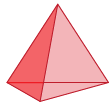
Q2: Choose the option that best describes the movement of each shape.(a)
stack and slide
(b)
slide
(c) 
slide and roll
Ans:
(b) 

(vi)
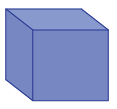
Q2: Choose the option that best describes the movement of each shape.(a)
slide and roll
(b) 
roll and stack
(c) stack and slide
Ans:
(c)

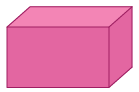
Q3: The number on the opposite faces of this box add up to 7.

(i) ______ number is on the opposite side of 5.
Q3: The number on the opposite faces of this box add up to 7.Ans: 2

(ii) ______ number will be at the bottom.
Q3: The number on the opposite faces of this box add up to 7.Ans: 

(iii) ______ number is on opposite side of 4.
Q3: The number on the opposite faces of this box add up to 7.Ans:

Q4: True or False.

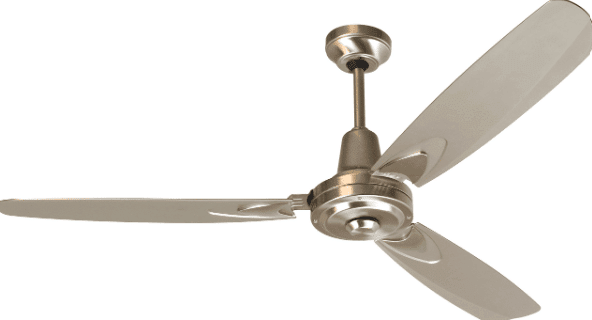
(i) There are three wings in a Fan.
Ans: 
TrueQ4: True or False.
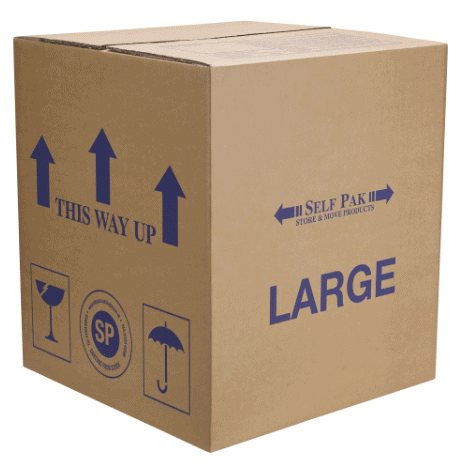
(ii) There are eight corners in a box.
Ans:
TrueQ4: True or False.
(iii) Things will appear small if we look them from a height.
Ans:
True

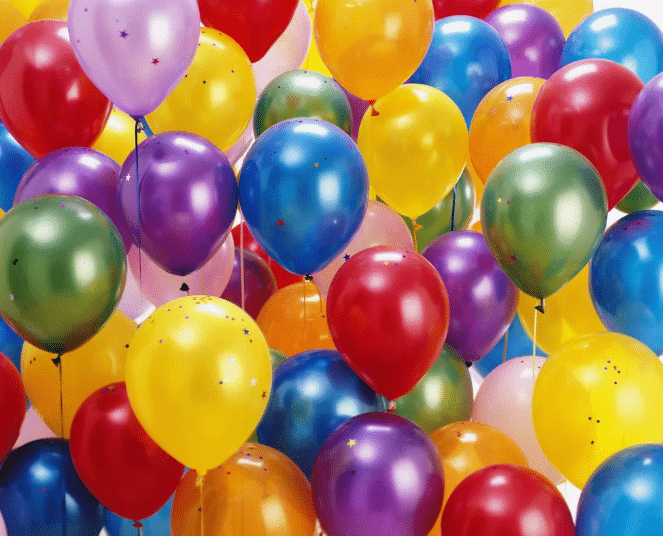
(iv) A balloon with air is light.
Ans:
FalseQ4: True or False.
(v) If you are travelling in a train then distant trees will move in opposite direction.
Ans:
True

Q5: Answer the following Question.

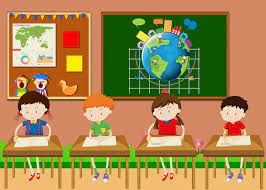
A picture is pasted on a wall in a class which hand of picture is at your right?
Ans:
Left
Q5: Answer the following Question.

The document Worksheet Solutions: The Way The World Looks is a part of the Class 4 Course Worksheets with solutions for Class 4.
All you need of Class 4 at this link: Class 4

FAQs on Worksheet Solutions: The Way The World Looks

1. How does perspective change the way we see objects and buildings around us?
Ans. Perspective is how objects appear different depending on where you stand and look at them. When you're close to something, it looks larger; when far away, it appears smaller. This principle helps us understand how distance, angle, and position affect our visual perception of the world around us, making the same building or object look completely different from various viewpoints.
2. What's the difference between a map view and a real-life view of places?
Ans. A map view shows places from directly above (bird's-eye perspective), while real-life viewing happens at ground level with horizon lines and depth. Maps flatten three-dimensional spaces into two dimensions, omitting details like height and texture. Understanding this distinction helps students recognise how representations differ from actual experience and develop spatial reasoning skills essential for geography and navigation.
3. Why do things look smaller when they're far away and bigger when they're close?
Ans. Objects appear smaller at distance because they occupy less space in our field of vision, a concept called relative size in perspective. This happens naturally due to how our eyes focus on light rays. Recognising this visual principle helps students understand depth perception, spatial relationships, and how artists create realistic drawings using vanishing points and perspective lines.
4. How can I identify the horizon line and vanishing point in pictures and drawings?
Ans. The horizon line is where the sky meets the land or water in an image, typically at eye level. The vanishing point is where parallel lines appear to converge in the distance. By locating these elements, students can understand how artists create depth and realism in their work, making drawings appear three-dimensional on a flat surface.
5. What does it mean when we say something has different perspectives, and why is it important for Class 4 learners?
Ans. Different perspectives mean viewing the same object or scene from multiple angles or viewpoints, each revealing new details and understanding. For Class 4 students, grasping perspective develops critical thinking, spatial awareness, and observation skills. This foundation helps them interpret maps, understand geography, appreciate art, and recognise that different viewpoints can all be valid, fostering flexible thinking and stronger problem-solving abilities.
Explore Courses for Class 4 exam
Get EduRev Notes directly in your Google search
Related Searches
Previous Year Questions with Solutions, Sample Paper, shortcuts and tricks, mock tests for examination, Exam, MCQs, Viva Questions, Worksheet Solutions: The Way The World Looks, study material, pdf , practice quizzes, Semester Notes, ppt, Worksheet Solutions: The Way The World Looks, past year papers, Objective type Questions, Summary, video lectures, Important questions, Worksheet Solutions: The Way The World Looks, Extra Questions, Free;