Worksheet Solutions: How Heavy How Light - 1

Q1: Fill in the Blanks.
(i) Look at the table and answer the following questions: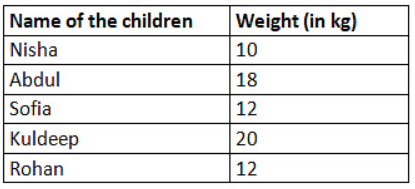
(a) ______ is the heaviest.
Ans: Kuldeep
(b) ______ is the lightest.
Ans: Nisha
(c) ______ and _____ have equal weights.
Ans: Sofia and Rohan
(d) Kuldeep is _____ kg heavier than Abdul.
Ans: 2
(ii) My pen weight 5 ______(g/mg/kg)
Ans: g
(iii) My school bag weighs 3 _____ (g/mg/kg)
Ans: kg
Q2: Multiple Choice Questions (MCQs).
(i) Choose the best estimate for each object.
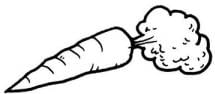
(a) 18 grams
(b) 4 kilograms
(c) 8 kilograms
Ans: (a)
(ii) Choose the best estimate for animal shown.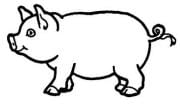
(a) 900 grams
(b) 9 kilograms
(c) 90 kilograms
Ans: (c)
(iii) Choose the best estimate for animal shown.
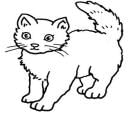 (a) 570 grams
(b) 7 kilograms
(c) 37 kilograms
Ans: (b)
(iv) Which of the following weight will the vegetable seller use to weigh 6 kg onions?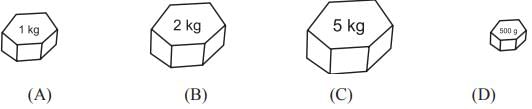 (a) A, B
(b) B, C
(c) A, C
(d) A, C, D
Ans: (c)
(v) Choose the best estimate for each object shown.
(a) 100 grams
(b) 1 kilogram
(c) 100 kilograms
Ans: (b)
(vi) Choose the best estimate for animal shown.
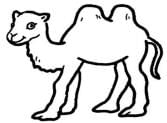 (a) 600 kilograms
(b) 60,000 kilograms
(c) 6,000 grams
Ans: (a)
(vii) Choose the best estimate for each object shown.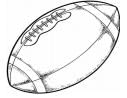 (a) 20 grams
(b) 500 grams
(c) 18 kilograms
Ans: (b)
(viii) Choose the best estimate for each object shown.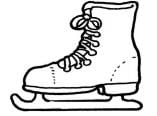 (a) 960 grams
(b) 18 kilograms
(c) 3 kilograms
Ans: (c)
(ix) Choose the best estimate for animal shown. (a) 3 grams
(b) 300 grams
(c) 3 kilograms
Ans: (b)
(x) Choose the best estimate for each object or animal shown. (a) 1 gram
(b) 50 grams
(c) 1 kilogram
Ans: (a)
(xi) Which balance has equal weight?
(a) 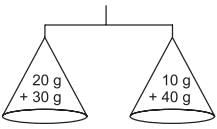
(b) 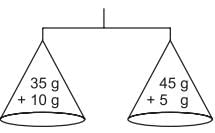
(c) 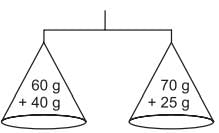
(d) 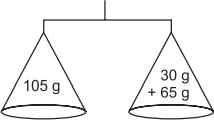
Ans: (a)
(xii) We buy milk in _______
(a) Metre
(b) Grams
(c) Kilograms
(d) Litre
Ans: (d)
Q3: Answer the following Questions.
(i) If 1 kg watermelon costs Rs. 30, then how much will be the cost of
 kg watermelon?
Ans: Rs. 135

(ii) How many 500 g are needed to make 20 kg?
Ans: 40
(iii) Which is heavier: One kilogram cotton or one kilogram iron?
Ans: Both are equal in weight
(iv) Rabiya and Sreekant put a glass and a bucket in each pan of the balance. Which pan will go down and why?
Ans: Pan of the balance having bucket will go down because it is heavier than the one having glass.
(v) What should be added to 700 grams to make it 1 kilogram?
Ans: 300 g
(vi) One kg apples cost Rs. 60. Rajneesh bought some apples and paid Rs. 150. Find out the quantity of apples he bought.
Ans:  Kg
Kg
FAQs on Worksheet Solutions: How Heavy How Light - 1
| 1. How can I determine if an object is heavy or light? |  |
| 2. What is the unit of measurement used to determine the weight of an object? | |
| 3. How does the weight of an object affect its ability to float or sink in water? | |
| 4. Can the weight of an object change depending on its location? | |
| 5. How can we measure the weight of an object without using a scale? | |