Nitin Singhania: Summary of Indian Architecture, Sculpture and Pottery (Part - 1)


Architecture
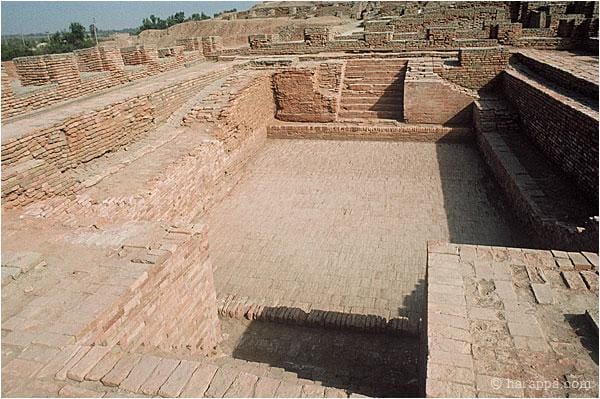 Harappan Architecture
- Derived from the Latin word 'tekton' which means builder.
- Refers to the construction and designing of buildings.
- Depends primarily on engineering and measurements.
- A mixture of various types of materials.
Sculpture
- Derived from Proto-Indo-European (PIE) root 'Kel' which means 'to cut or cleave.
- Refers to smaller 3-dimensional works of art.
- Focuses more on imagination and aesthetics.
- A single type of material.
Classification of Indian Architecture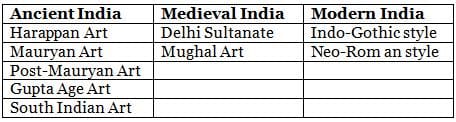
1. Harappan Art
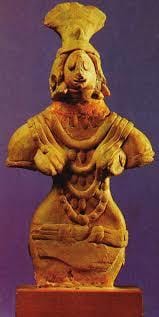 Harappan art
- On the banks of river Indus.
- In the second half of the 3rd millennium BCE.
- North-western and western India.
- Harappa and Mohenjo-Daro are the finest and earliest examples of urban civic planning.
Try yourself: 1. Consider the following statements about Harappan seals: I. The script used in seals is Prakrit. Which of the above statements is/are correct?
II. The script was written from right to left.
III. The seals were used as amulets for spiritual purposes.
➢ Important sites of the Indus Valley Civilisation
- Harappa - Pakistan - River Ravi: Mother Goddess figure, sculpture of dog chasing a deer in bronze metal, mirror, copper scale etc.
- Mohen jo-Daro - Pakistan - River Indus: The great bath, bronze statue of the Dancing Girl, the citadel, the great granary, sculpture of bearded priest, Pashupati seal etc.
- Mehrgarh - Pakistan: Copper tools and pottery (considered forerunner of IVC).
- Dholavira - Gujarat: Unique water harnessing system, dams and embankments, giant water reservoir etc.
- Lothal - Gujarat: Had a Dockyard, practice of burial of cremated remains found, fire altars, modern-day chess, the terracotta figure of horse and ship, instruments for measuring 45, 90 and 180-degree angles etc. (Lothal was an important site for naval trade).
- Rakhigarhi - Haryana: Granary, drains, terracotta bricks etc. (Rakhigarhi is the largest site of IVC).
- Ropar - Punjab - Sutlej: Copper axe and dog buried with hum an oval pit burials.
- Balathal and Kalibangan - Rajasthan: Bones of camel, toy factory, decorated bricks, bangle factory etc.
- Surkatoda - Gujarat: First actual remains of horse bone.
- Banawali - Haryana - Saraswati (dried - up): Lapis lazuli, barley grains et (only city with radial streets).
- Alamgirpur - UP - Yamuna: Impression of a cloth on a trough, ceramic items (easternmost site of IVC).
- Chanhudaro (Lancashire of India) located in present-day Pakistan - only Indus city without a citadel. Bead making factory and use of lipsticks has been found.
- Kot Diji located in present-day Pakistan. Tar, statues of Bull and mother goddess have been excavated from here.
- Suktagandor western most site of IVC, located in Pakistan. Bangles of clay have been found here.
- Balu (Haryana) various plant remains have been found, (earliest evidence of Garlic).
- Daimabad (Maharashtra) southern most site of IVC. Bronze sculptures including a Bronze Chariot has been discovered here.
- Kerala-no-dhoro (Gujarat) salt production centre during IVC.
- Kot Bala (Pakistan) earliest evidence of furnace.
- Mand (Jammu and Kashmir) Northern most site of IVC.
- Other prominent sites of IVC include Mehrgarh (Pakistan), Desalpur (Gujarat), Pabumath (Gujarat), Rangpur (Gujarat), Shikarpur (Gujarat), Sanauli (UP), Kunal (Haryana),Karanpura (Rajasthan), Ganeriwala (Punjab), etc.
➢ Harappan Architecture
- Towns were → Rectangular grid pattern.
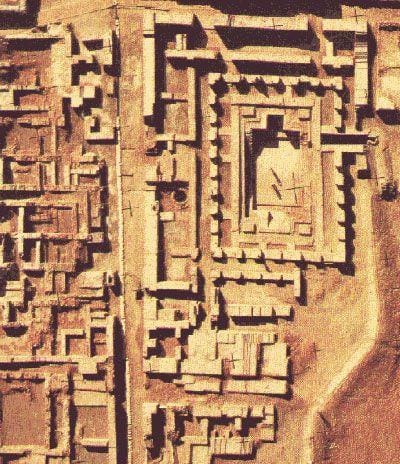 Grid Pattern
 - Roads ran in north-south and east-west direction and cut each other at right angles.
- 3 types of building: Dwelling houses, Public buildings and Public baths.
- Use of burnt mud bricks of standardised dimensions.
- City was divided into two parts:
(i) An upraised citadel - In the western part was used for constructing larger buildings like granaries.
(ii) Lower-part - For the working class. - Advanced drainage system- Drains were covered loosely and had cesspits.
➢ Harappan Sculptures
- Seals
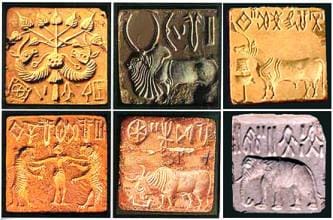 Seals(i) Mostly square but triangular, rectangular and circular seals were also found.
(ii) Steatite was commonly used but copper, faience, agate, terracotta seals have also been found.
(iii) Inscriptions in pictographic script- animals impressions were also present.
(iv) Common animal motifs- Tiger, unicorn, humped bull, rhinoceros, elephant, buffalo, bison, ibex, crocodile etc. (No evidence of cow was found)
(v) Seals were extensively used for trade.
(vi) Example: Pashupati seal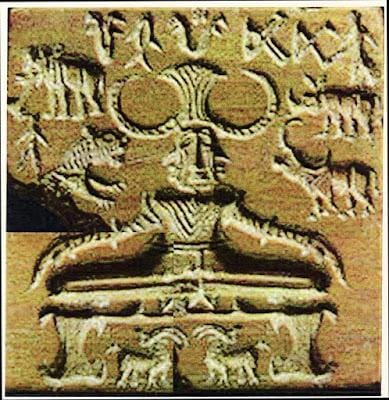 Pashupati Seal
 - Bronze figures
Bronze statues made using "lost wax technique" or "Cire Perdue" technique.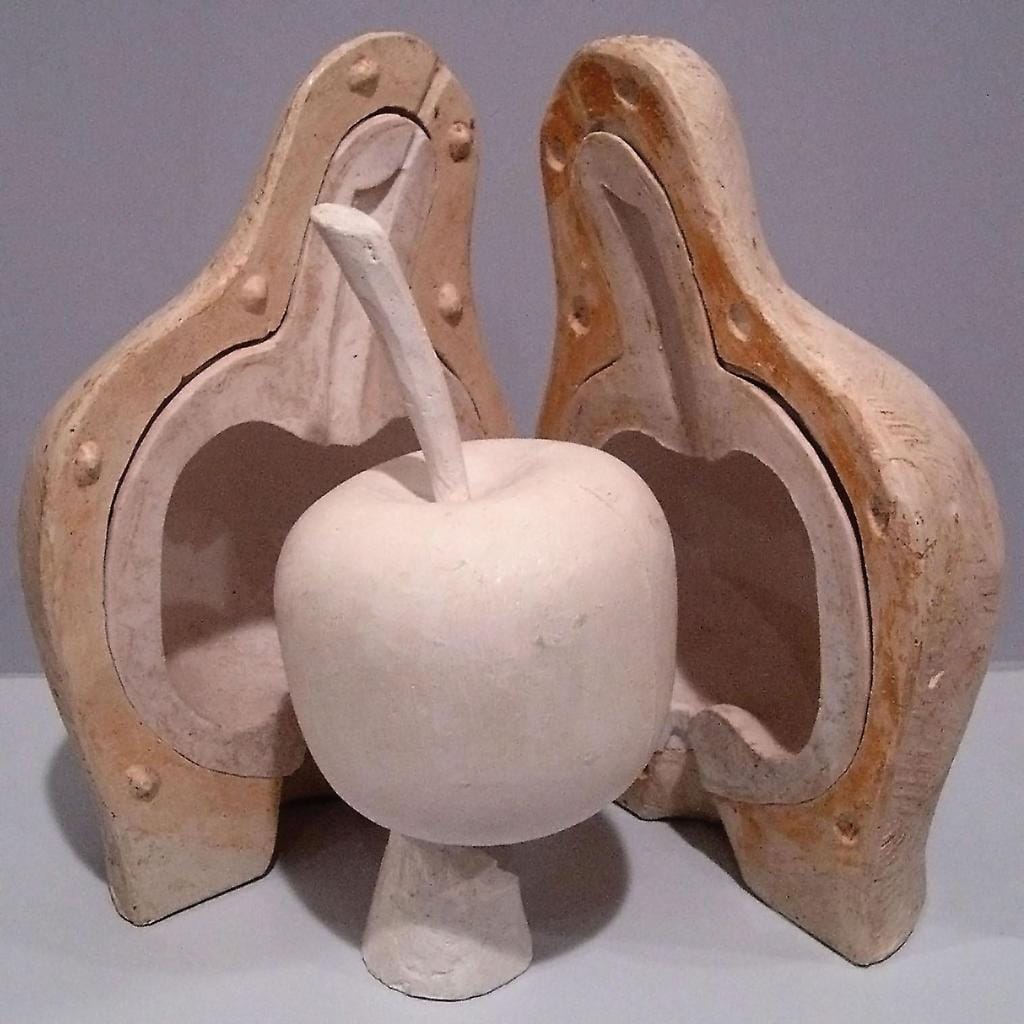 Lost Wax techniqueExample: Bronze dancing girl of Mohenjo-Daro
 - Terracotta (fire-baked clay)
(i) Used pinching method.
(ii) Mostly found in Gujarat and Kalibangan.
(iii) Use: to make animal figures, miniature carts, toys, wheels etc.
(iv) Example- Figurine of Mother Goddess. - Pottery
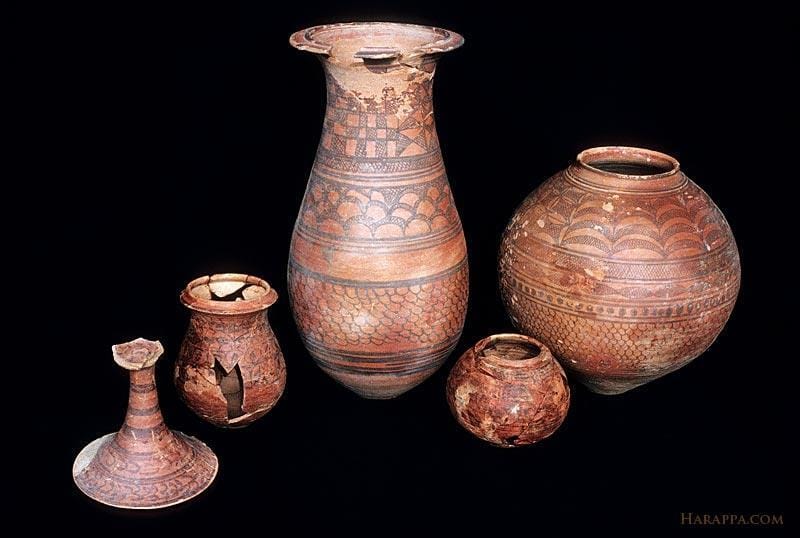 Pottery(i) Classified into two kinds - Plain pottery and Painted pottery (Red and Black pottery).
(ii) Uses: for household, decorative, straining liquor (perforated pottery) - Ornaments
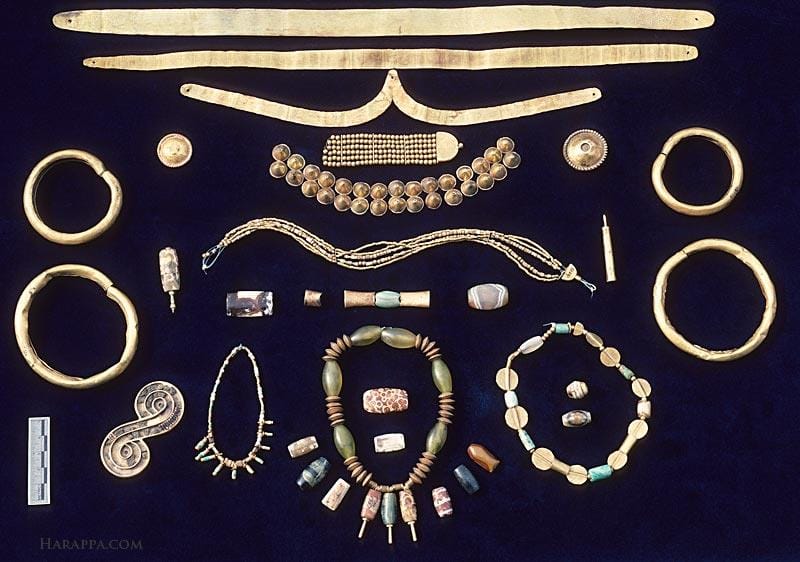 Ornaments(i) Material used - Gemstones, Precious metals, Baked clay, Bone.
(ii) Both men and women wore ornaments.
(iii) Produced in large scale- Factories in Chanhu-daro and Lothal.
(iv) Fabric: Wool and cotton.
Examples: Red sandstone figure of a male torso, bust of the bearded priest etc.
Try yourself: Which of the following ornaments were worn exclusively by women but not men under Indus Valley civilizations?
2. Mauryan Art and Architecture
2. Mauryan Art and Architecture
2. Mauryan Art and Architecture
2. Mauryan Art and Architecture
2. Mauryan Art and Architecture
2. Mauryan Art and Architecture
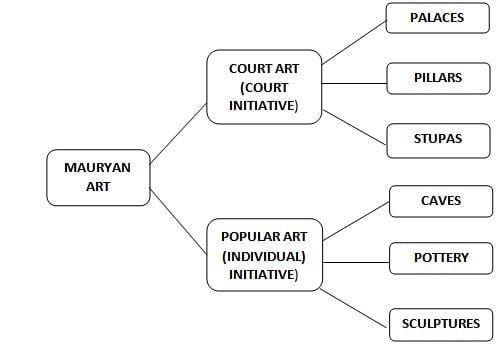
Kings commissioned architectural works for religious and political reasons. These are referred to as court art.
- Palaces: Palace of Chandragupta Maurya, Ashoka's palace at Kumrahar.
- Pillars Inscriptions on pillars- To commemorate battle victories or propagate imperial sermons and symbolised the state, mainly made of chunar sandstone.
Example: Samath pillar near Varanasi. - Stupa (burial mounds): The art of stupa reached its zenith during the reign of Ashoka, the core of the stupa was made of unburnt brick.
Example: Sanchi Stupa in Madhya Pradesh, locations of the 9 stupas built after the death of Buddha are: Rajagriha, Kushinagar, Pippalivana, Vaishali, Kapilavastu, Allakappa, Ramagrama, Vethapida, and Pava.
Art and architecture developed by individual initiative.
- Caves: Emergence of rock-cut cave architectures, used as viharas, had decorative gateways.
Example: Barabar and Nagarjuni caves in Bihar. - Pottery: Referred to as Northern Black Polished Ware (NBPW), black paint, highly lustrous finish and used as a luxury good.
- Sculptures: Used to decorate stupas.
Example: Yaksha and Yakshi
Try yourself: Which of the following is/ are not present in a stupa? I. Medhi Select the correct answer using the codes given below:
II. Shaft
III. Abacus
IV. Hermika
3. Post Mauryan Art & Architecture
➢ Post Mauryan Art
- Northern India- Kushanas, Shungas, Shakas and Kanvas.
- Southern India- Satvahanas, Ikshavakus, Abhiras and Vakatakas.
- Sculpture reached its peak.
- Emergence of two types of rock caves - Chaitya (prayer halls were developed during the post-Mauryan times) and Vihar (residential halls built during the Mauryan times).
Example: Karle Chaitya hall, Udayagiri (Hathigumpha inscription), and Khandagiri Caves, Odisha.
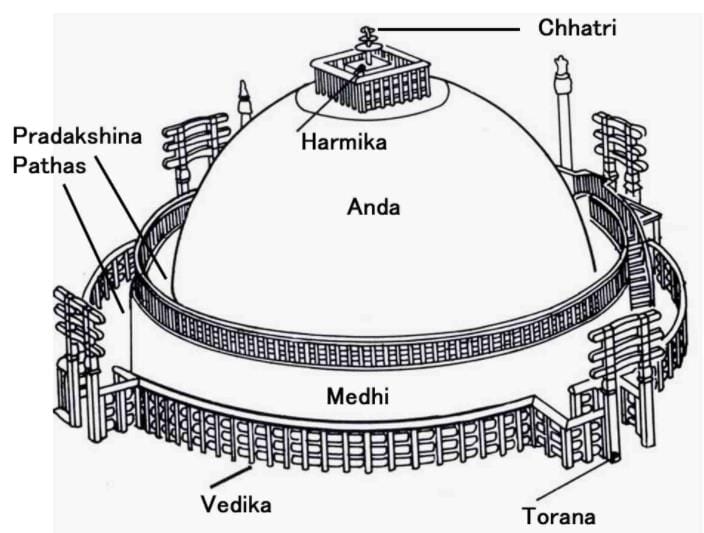 Stupa in Post Mauryan Period
- Use of stone increased.
- Shunga dynasty introduced the idea of torans (Hellenistic influence).
- Example: Bharhut stupa in Madhya Pradesh.
- Development of 3 important schools of sculpture - Gandhara, Mathura and Amaravati schools of sculpture.
Try yourself: Yaksh and Yakshini sculptures relate to
(a) Gandhara School (Greco-Indian School of Art)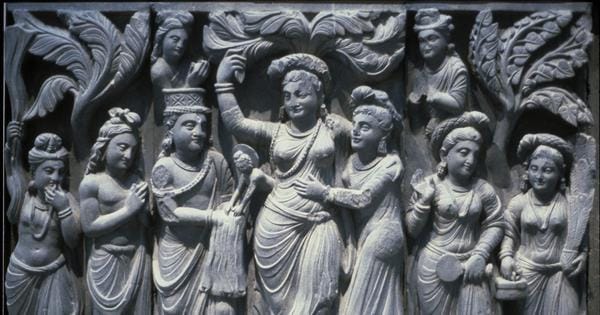 Gandhara Art
- Western frontiers of Punjab (today's Peshawar and Afghanistan).
- Influenced by Greek and Roman traditions.
- Sculptures were based on the Greco-Roman pantheon.
- Two stages (50 B.C. to 500 A.) are:
(i) Early-stage: Use of bluish-grey sandstone.
(ii) Period/stage: Use of mud and stucco. - Patronised by Kushanas.
- Focused on single images.
- Features of Buddha:
(i) Shown in a spiritual state
(ii) Wavy hair
(iii) Fewer ornaments seated in the position of a yogi
(vi) Eyes half - Closed as in meditation
(v) Protuberance on the head (signifies his omniscience)
(b) Mathura School
- Banks on river Yamuna (1 - 3 century BC)
- Developed in and around Mathura, Kankalitala and Sonkh
- Influenced by Buddhism, Hinduism and Jainism
- Images based on Yaksha images found during the Mauryan times
- Use of symbolism in the images
- Made with spotted red sandstone
- Patronised by Kushanas
- Focused on single images
- Features of Buddha:
(i) Shown in delighted mood
(ii) Smiling face
(iii) Body symbolises muscularity
(iv) Face and head shaven
(v) Seated in padmasana with various mudras
(vi) Protuberance on the head
(c) Amaravati School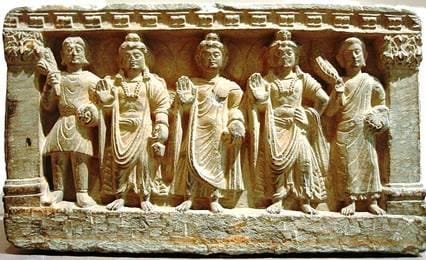 Art of Amaravati School
- Banks of Krishna river.
- Around Amaravati and Nagarjunakonda.
- Patronised by Satvahana rulers.
- Use of dynamic (not single) images or narrative art.
- Increasingly used the Tribhanga pose.
- Made with white marbles.
- Show life stories of Buddha and the Jataka tales.
➢ Difference between Greek and Roman Art
- Greek Art
(i) Art is idealistic (idealism) - Muscular portrayal of Gods and other men to show strength and beauty.
(ii) Many used marble. - Roman Art
(i) Romans art is realistic (realism).
(ii) Used concrete.
(iii) Well-known for mural paintings.
Try yourself: Consider the following statements about Greco-Indian art: I. Use of bluish-grey sandstone. Which of the above statements is/are correct?
II. Theme based on Buddhism and Jainism.
III. Patronised by Satavahana rulers.
➢ Mudras of Buddha
(a) Bhumisparsha Mudra
- Portrays Buddha sitting in meditation with his left hand, palm upright, in his lap, and his right hand touching the earth.
- Symbolises 'Calling the Earth to Witness the Truth'.
- Shows the moment when Buddha's attained enlightenment.
(b) Dhyana Mudra (Yoga mudra)
- Shows Buddha in meditation.
- Buddha with both hands in the lap, with the back of the right hand resting on the palm of the left hand with fingers extended, many statues show the thumbs of both hands touching at the tips, forming a mystic triangle, symbolises attainment of spiritual perfection.
(c) Vitarka Mudra
- Indicates teaching and discussion.
- The right hand is positioned at shoulder level and the left hand at the hip level, in the lap, with palm facing upwards, tips of the thumb and index finger touch each other, forming a circle.
(d) Abhaya Mudra
- Shows fearlessness.
- Right hand is raised to shoulder height with arm bent - palm of the right hand faces outwards and the fingers are upright and joined. The left hand hangs downwards by the side of the body- shown by Buddha immediately after attaining enlightenment.
- Symbolizes inner security and strength.
(e) Dharmachakra Mudra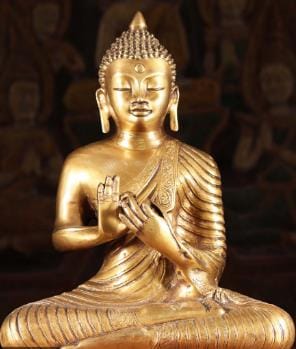 Dharmachakra Mudra
- 'Turning the Wheel of the Dharma or Law'.
- Posture involves both hands.
- Right hand is held at chest level with the palm facing outwards. A mystic circle is formed by joining the tips of the index finger and the thumb. The left hand is turned inward and the index finger and thumb of this hand join to touch the right hand's circle.
- Gesture shown by Buddha while he preached the first sermon in the Deer Park of Samath.
(f) Anjali Mudra
- Symbolises greetings, devotion, and adoration.
- Both hands close to the chest, palms and fingers joined against each other vertically (Namaste).
- This mudra is for Bodhisattvas (who aim to attain perfect knowledge) and this pose should not be shown in Buddha statues.
(g) Uttarabodhi Mudra
- Implies supreme enlightenment, symbolises perfection, charges one with energy.
- Holding both hands at the level of the chest, intertwining all the fingers except index fingers, extending index fingers straight up and touching each other.
(h) Varada Mudra
- Shows charity, compassion or granting wishes.
- Signifies five perfections: generosity, morality, patience, effort and meditative concentration, through the five extended fingers.
- The right arm is extended in a natural position down, with the palm of the open hand facing outwards towards onlookers. If standing, the arm is held slightly extended to the front. Can be a left-hand gesture as well.
(i) Karana Mudra
- Symbolises warding off evil-helps to remove obstacles such as sickness or negative.
- Hand is stretched out, either horizontally or vertically, with the palm forward, thumb presses the folded two middle fingers but the index and little fingers are raised straight upwards.
(j) Vajra Mudra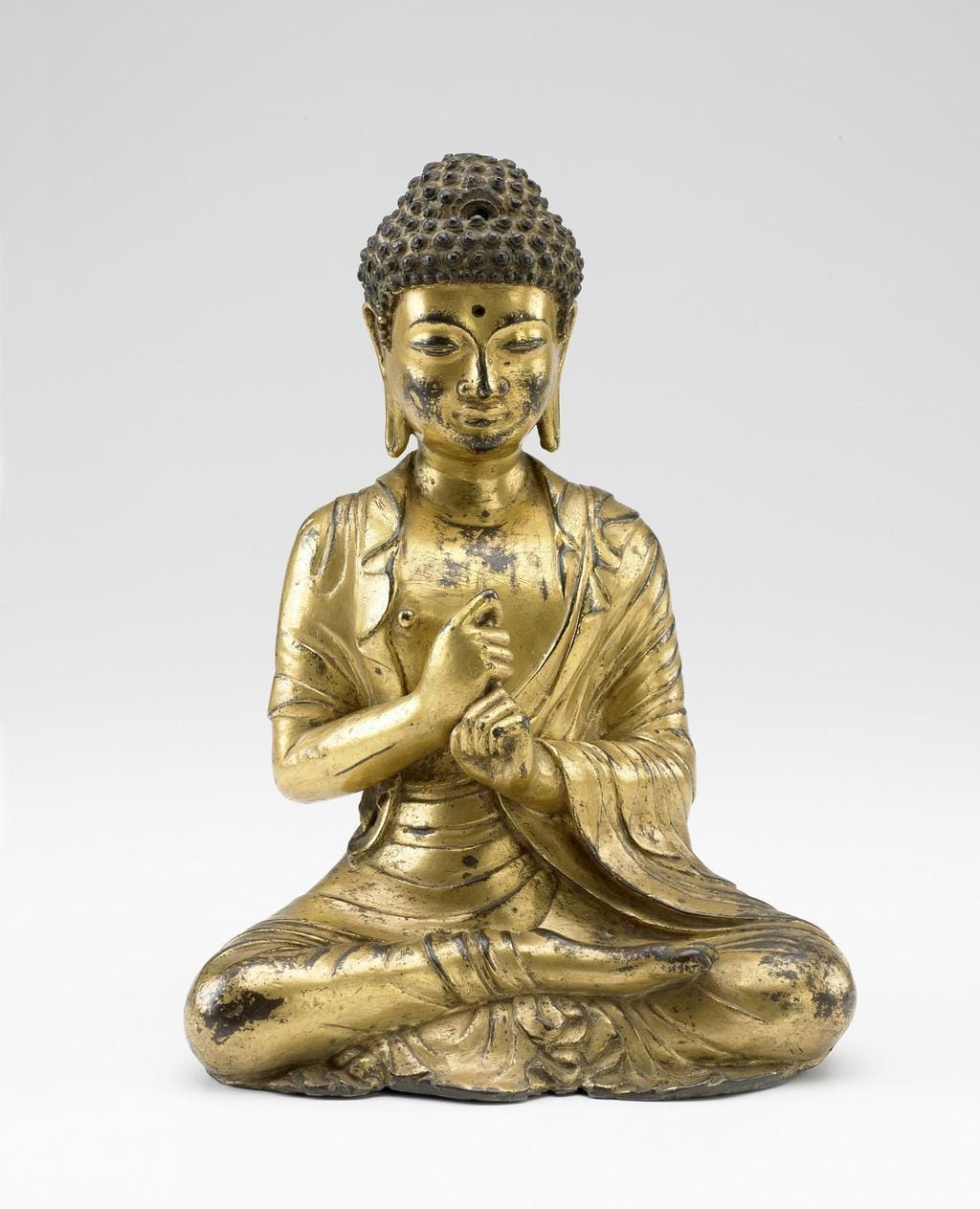 Vajra Mudra
- Implies Knowledge.
- Erect forefinger of the left hand is held in the fist of the right hand.
- Gives importance to knowledge or supreme wisdom.
- Knowledge is represented by the forefinger and the fist of the right hand protects it.
Try yourself: Which of the following are not the features of the sculpture-making in Amaravati school? I. Themes based on the life of Buddha. Select the correct answer using the codes given below:
II. Buddha is seated in the position of a yogi.
III. The muscularity of Buddha.
4. Gupta Art and Architecture
- Gupta age - "Golden period of Indian Architecture".
- Worshipped 3 principal - Vishnu, Shiva and Shakti
- Gupta Architecture:
➢ Caves
- Use of mural paintings on walls of caves became an added characteristic.
Example: Ajanta and Ellora caves.
➢ Ajanta caves 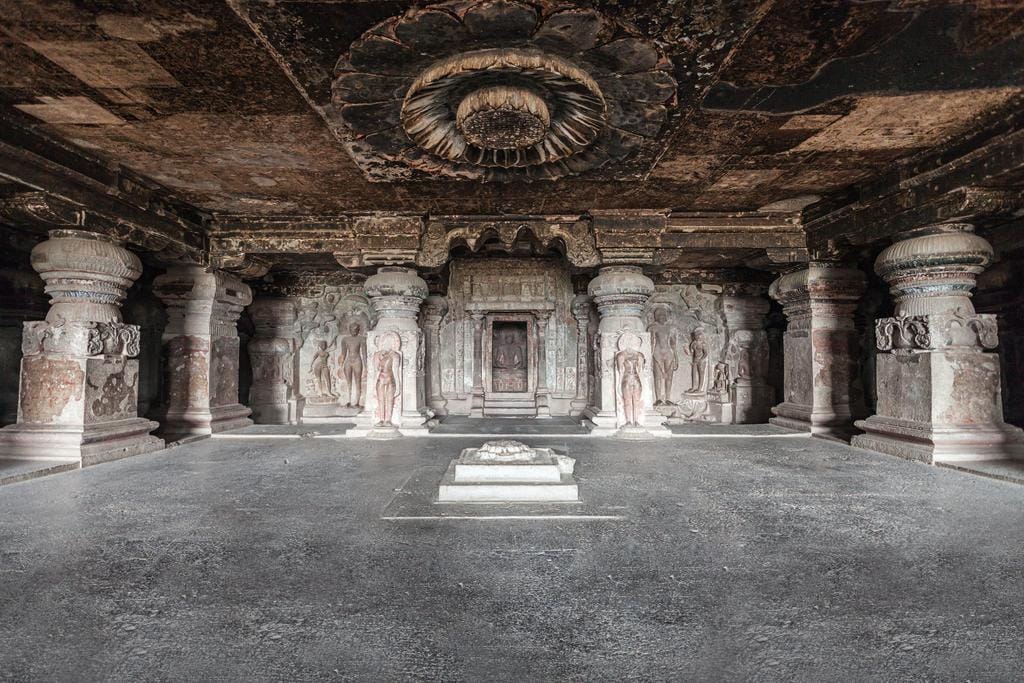 Ajanta Caves
- Between 200 B.C. to 650 A.D.
- Series of rock-cut caves on river Waghora near Aurangabad.
- 29 caves - 25 Viharas and 4 Chaityas.
- Patronage of the Vakataka kings.
- Inscribed by Buddhist monks figures done using fresco painting.
- Outlines done in red colour.
- Absence of blue colour generally themed around Buddhism.
- Example: Mahaparinirvana of Buddha.
➢ Ellora caves 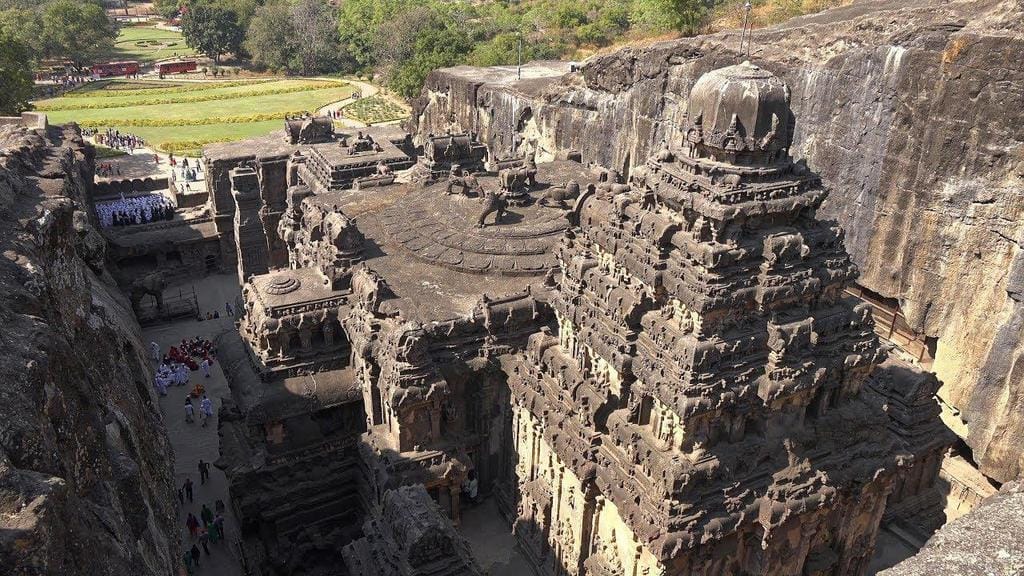 Ellora Caves
- Between 5th and 11th centuries A.D.
- In the Sahyadri ranges of Maharashtra.
- Group of 34 caves - 17 Brahmanical, 12 Buddhist and 5 Jain.
- Developed by guilds from Vidarbha, Tamil Nadu and Karnataka.
- Example: Vishwakarma Cave or carpenter's cave, Kailash temple "Raavan ki Khai".
➢ Bagh caves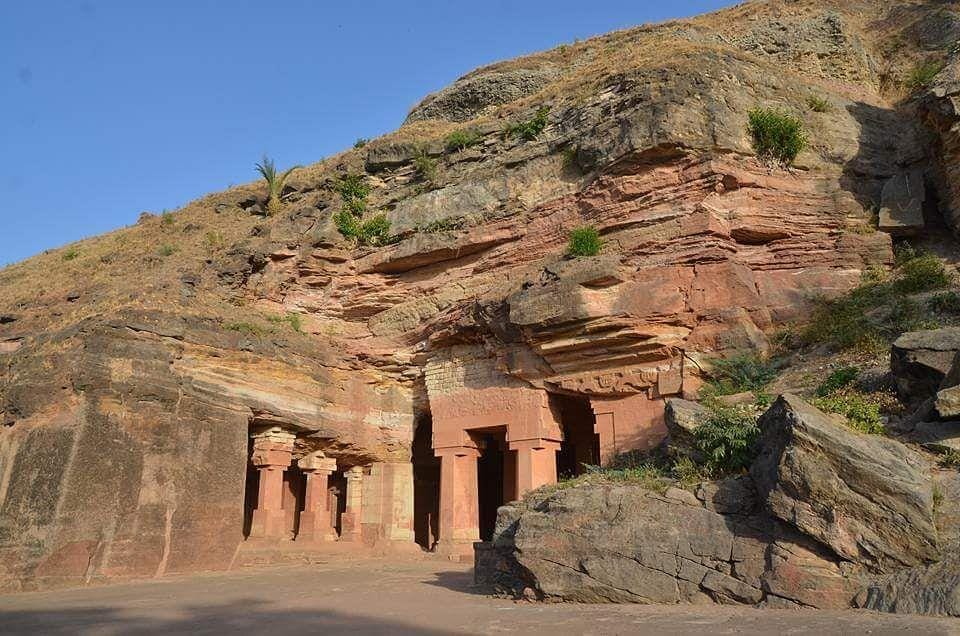
- 6th Century A.D.
- Bank of river Bagh river in Madhya Pradesh.
- Group of 9 Buddhist caves.
➢ Junagadh Caves (Gujarati)
- Presence of three different sites namely Khapra Kodiya, Baba Pyare and Uparko.
- Unique feature: 30-50 ft high citadel known as "Upar Kot" in front of the prayer hall.
➢ Nasik Caves
- 1st century AD
- 24 Buddhist caves (Pandav Leni)
- Excellent system of water management.
➢ Mandapeshwar Caves (Montperir caves)
- Developed as a Brahmanical cave but later converted into a Christian cave.
➢ Udayagiri caves (Vidisha, Madhya Pradesh)
- 5th century AD
- Under the patronage of Chandragupta II.
- Sculptures on hill walls - one of the earliest Hindu sculptures can be found.
➢ Stupas
- The decline in the development of stupas in this period.
Example: Dhamek Stupa at Sarnath
➢ Sculptures
- Development of a new school of sculpture around Sarnath.
- Use of cream-coloured sandstone and metal- sculptures perfectly dressed- halo was decorated.
Example: Sultanganj Buddha
Try yourself: Which of the following is/are not the example of Fresco painting of Ellora cave? I. Dying princess Select the correct answer using the codes given below:
II. Flying Apsara
III. Preaching Buddha
Try yourself: Uparkot is the main feature of
Ancient Edicts and Inscriptions
Sohgaura Copper Plate:
(i) Earliest known copper-plate: A Mauryan record that mentions famine relief efforts.
(ii) One of the rare pre-Ashoka Brahmi inscriptions in India.
- Ashokan Edicts:
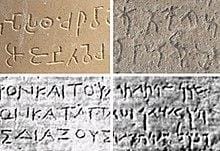 Ashokan Edicts(i) Collection of 33 inscriptions on the Pillars of Ashoka, cave walls and boulders.
(ii) Represents the first tangible evidence of Buddhism- represent Ashoka's view on dharma.
(iii) Division of edicts into: Pillar edicts, major rock edicts and major rock inscriptions.
(iv) Focuses on social and moral principles rather than specific religious practices or the philosophical dimension of Buddhism.
(v) Ashoka refers to himself as Devanampiyadasi ("Beloved servant of the God"). - Rummindei Pillar Edicts (Lumbini): Minor Pillar Inscriptions - written in Brahmi script Inscriptions mention Ashoka's visit to Lumbini (Rummindei) in Nepal.
- Prayag-Prashasti
(i) Name given to the Allahabad Pillar.
(ii) An Ashokan Stambh but has 4 different inscriptions i.e.
(a) Ashokan inscriptions in Brahmi script
(b) Queen's edict
(c) Samudragupta's inscriptions written by Harisena
(d) Jahangir's inscriptions (Persian)
- Mehrauli Inscription
(i) Mehrauli Iron Pillar (rust-resistant) is located in Delhi.
(ii) Chandragupta-II- in the honour of Lord Vishnu.
(iii) Credits Chandragupta with the conquest of the Vanga countries.
- Kalsi Inscription
(i) Kalsi a town on the banks of river Yamuna.
(ii) Only place in North India where Ashoka has inscribed a set of the fourteen rock edicts.
(iii) Portray Asoka's human approach in his internal administration after converting to Buddhism- commitment to non-violence. - Maski Inscription (Karnataka)
(i) First edict of Emperor Ashoka that contained the name Ashoka.
(ii) Tells people to follow the principles of Buddhism. - Kalinga Edicts (Odisha):
(i) Comprise eleven out of the well known fourteen Rock Edicts of Ashoka.
(ii) Magadhi Prakrita and early Brahmi script.
(iii) Kalinga Edicts have been incorporated to pacify the people of Kalinga after its conquest. - Aihole Inscription (Karnataka):
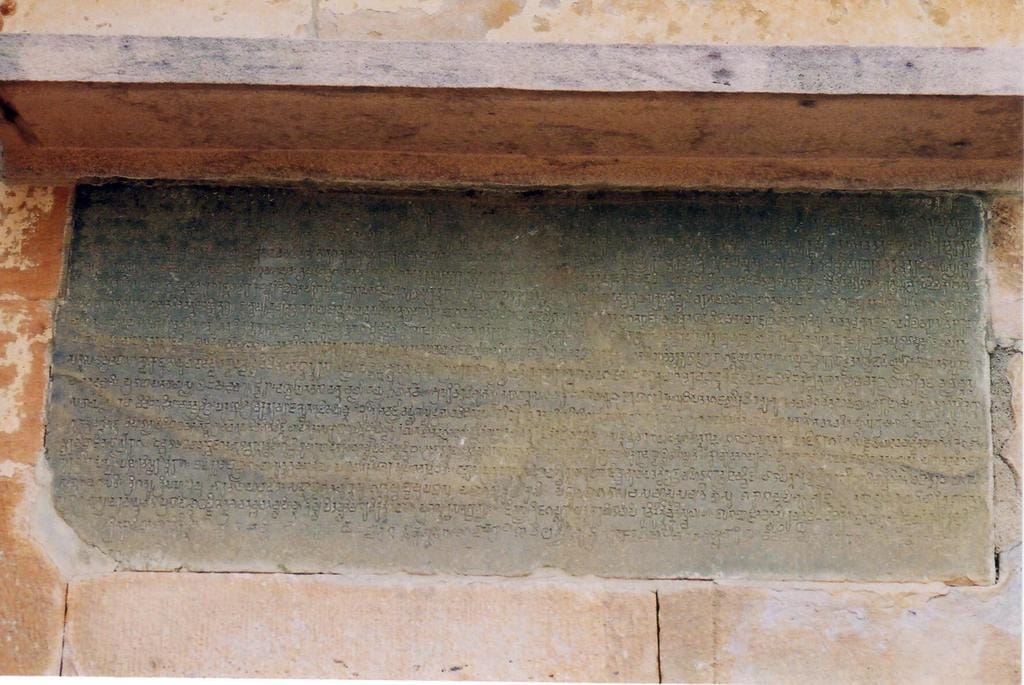 Aihole Inscription (Karnataka)(i) Inscription found at Meguti Temple is known as Aihole inscription.
(ii) Written in Sanskrit (Kannada script).
(iii) Mentions the shifting of capital from Aihole to Badami- the defeat of Harshavardhana by Pulakeshin II. - Hathigumpha Inscription:
(i) Known as Elephant Cave Inscription from Udayagiri- Khandagiri caves in Odisha.
(ii) Inscribed by King Kharavela- gives information about King Kharavela, as a patron of culture , conqueror etc.
Temple Architecture
Progression from the flat-roofed, monolithic temples in the initial stages to the sculptured 'shikhara' in the later years.
Five stages of development
- Stage 1
(a) Temples had flat roof.
(b) Square in shape.
(c) Portico on shallow pillars.
(d) Structure on low platforms. - Stage 2
(a) Platforms were higher or upraised.
(b) Some were two-storied temples.
(c) A covered ambulatory passageway around the sanctum sanctorum or garbhagriha was an addition in this phase. - Stage 3
(a) Emergence of shikaras in place of a flat roof.
(b) Introduction of Panchayatana style of temple making i.e. presence of four subsidiary shrines along with the temple of the principal deity.
Example: Durga temple at Aihole - Stage 4
The main shrine became more rectangular. - Stage 5
Circular temples with shallow rectangular projections were introduced.
Styles of temple architecture
- Different styles of temple architecture emerged in different parts of the country. They are:
(i) Nagara style
(ii) Dravidian style
(iii) Nayaka style
(iv) Vesara style
(v) Hoysala style
(vi) Vijayanagara style
(vii) Pala and Sena school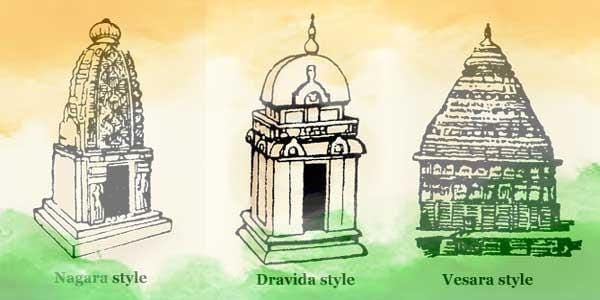
- Basic characteristics of a Hindu temple include:
(i) Sanctum Sanctorum (Garbhagriha): Houses the principal deity of the temple.
(ii) Mandapa: Entrance to the temple- may be a portico/hall to accommodate a large number of worshippers.
(iii) Shikhara: Mountain like spire-pyramidal to curvilinear.
(iv) Vahana: Mount or vehicle of the main deity-placed just before the sanctum sanctorum. - Nagara School of Architecture
(i) 5th century A D- Northern India
(ii) Features of Nagara style are:
(a) Generally followed the Panchavatan style.
(b) Presence of assembly halls or mandaps.
(c) Outside the garbhagriha, images of the river goddesses, Ganga and Yamuna, were placed.
(d) No water tanks or reservoirs present in the temple premises.
(e) Generally built on upraised platforms Porticos had a pillared approach - Shikharas were generally of three types:
1. Latina or Rekha-prasad: square at the base and the walls curve inward to a point on the top.
2. Phamsana: broader base and were shorter in height than the Latina ones.
3. Valabhi: rectangular base with the roof rising into vaulted chambers. - Vertical end of the shikhara ended in a horizontal fluted disc, known as the Amalak- a spherical shape known as Kalash was placed on top of the Amalak.
- The wall inside the temple was divided into three vertical planes called rathas known as Triratna temples Ambulatory passageway or the pradakshina path around the sanctum sanctorum was covered.
- Generally, no elaborate boundary walls or gateways in the temple premises.
- Three sub-schools under Nagara school:
(i) Odisha School: Developed in the Kalinga empire.
(a) Features:
» Exterior walls lavishly decorated but interior walls were plain.
» No use of pillars in the porch.
» Shikharas known as rekhadeuls (almost vertical roofs which suddenly curved inwards sharply).
» Mandap known as Jagmohan.
» Ground plan of the main temple was square.
» Surrounded by a boundary wall similar to the Dravidian style
Example: Sun Temple at Konark (Black Pagoda)
(ii) Khajuraho School (Chandel school):
Developed by the Chandela rulers in the central part of India
(b) Features:
» Both the interior and exterior walls were lavishly decorated with carvings.
» Sculptures generally erotic-drew inspiration from Vatsyayana's Kamasutra
» Made of sandstone
» 3 chambers-garbhagriha. mandapa and Ardha-mandapa
» Generally north or east-facing
» Used Panchayatana style-even subsidiary shrines had Rekha- prasad shikharas
» Built on the relatively high platform- belong to Hindu as well as Jain religion
Example: Lakshman temple at Khajuraho
(iii) Solanki School (Maru-Gurjara style):
Patronage of the Solanki rulers - developed in the north-western parts of India including Gujarat and Rajasthan.
(c) Features:
» No carvings on temple walls.
» Garbhagriha is connected with the mandapa both internally and externally.
» Porticos have decorative arched gateways known as torans.
» Unique feature- the presence of step-tank, known as Surya-Kund.
» Steps of the tank are full of small temples- wooden carvings present in these temples.
» Variety of material used- sandstone, black basalt and soft marble.
» Most temples are east-facing.
Example: Modhera Sun temple in Gujarat
- Temple Architecture in South India
Emerged in peninsular India - began under the Pallava ruler Mahendravarman.
Classified into four stages chronologically:
(i) Mahendra group:
» First stage of architecture temples were rock-cut temples.
» It is a successor of the Dharmaraja Ratha.
» Temples were known as mandapas.
(ii) Narasimha group:
» Second stage - rock-cut temples were decorated with intricate sculptures.
» Mandapas divided into separate rathas- Dharmaraja Ratha (biggest) and Draupadi Ratha(smallest).
» Design of a temple in the Dravidian style of architecture is a successor of the Dharmaraja Ratha.
» Third stage- Rajsimhavarman.
» Development of real structural temples started in place of rock-cut temples.
Example: Shore temple at Mahabalipuram.
(iii) Nandivarman group:
» Fourth stage - under Pallavas.
» Temples were smaller in size - Similar to the Dravidian style of temple architecture.
Temple architecture acquired a new style under the Chola kingdom, known as the Dravidian style. In the later periods, three other styles emerged- Vesara style, Nayaka style and Vijaynagar style.
- Architecture at Mahabalipuram
(i) 7th century- Pallavas- declared as UNESCO World Heritage Site in 1984
(ii) Sites include Ratha temples or Pancha Ratha, Rock-cut caves, Open Air Rock Reliefs and Shore Temple complex. - Chola Art
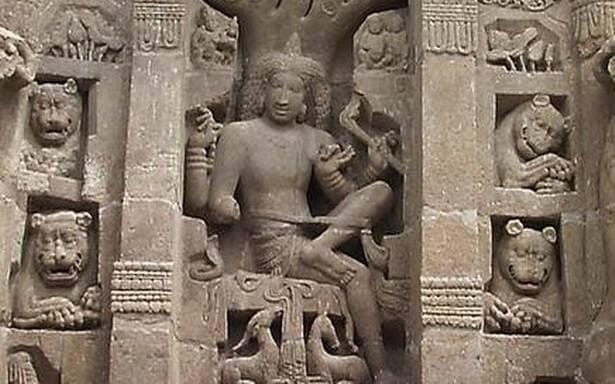 Chola Art(i) Dravidian Style of Temple Architecture
Continuation of the previous Pallava architecture- known as the Dravidian or Chola style of temple architecture.
(a) Features:
» Surrounded by high boundary walls.
» Front wall had a high entrance gateway known as the gopuram.
» Premise laid out in the panchayatana style with a principal temple and four subsidiary shrines.
» The spire is in the form of a stepped pyramid that rises linearly rather than curved- known as vimana.
» Crowning element shaped in the form of an octagon, known as shikhara- similar to the Kalash of the Nagara temple, but not spherical.
» Only one vimana top of the main temple- subsidiary shrines do not have vimanas.
» Assembly hall connected with the garbhagriha by a vestibular tunnel known as antarala.
» Entrance of the garbhagriha had sculptures of Dwaarpal, Mithun and yakshas.
» Unique feature- the presence of a water tank inside the temple enclosure.
Example: Brihadeswara temple at Tanjore (Raja Raja I in 1011 A.D.)
(ii) Chola Sculpture
Important piece of Chola sculpture was the sculpture of Nataraja in the Tandava dance posture
(b) Features:
» Upper right-hand holds the drum- signifies the sound of creation.
» Upper left-hand holds the eternal fire, which represents destruction.
» Lower right hand is raised in the gesture of Abhay mudra- signifies benediction reassures the devotee to not be afraid.
» Lower left-hand points towards the upraised foot - indicates the path of salvation.
» Shiva is dancing on the figure of a small dwarf- dwarf symbolises ignorance and the ego of an individual.
» Matted and flowing locks of Shiva represent the flow of river Ganges.
» One ear of Shiva has a male earring while the other has female- represents a fusion of male and female and is often referred to as ardhanarishwar.
» Snake twisted around the arm of Shiva-snake symbolises the kundalini power, which resides in the human spine in dormant stage- if aroused, one can attain true consciousness.
» Nataraja surrounded by a nimbus of glowing lights which symbolises the vast unending cycles of time.
Try yourself: Which of the following is/are not correct? I. Panchayatana style of temple making was developed during the third stage. Select the correct answer using the codes given below:
II. Covered ambulatory and flat roof continued till the third stage.
- Other Schools of Art
(i) Nayaka School (Madurai school):
» Flourished under the Nayaka rulers- between 16th - 18th century A.D.
» Similar to the Dravidian style- also influenced by Islamic style.
(a) Features:
» Presence of Prakarms or huge corridors in the portico, around the garbhagriha, along with roofed ambulatory passageways.
» Gopurams built under the Nayaka rulers were built some of the largest gopurams.Example: Meenakshi temple, Madurai
» Multiple shrines built around a central pillared hall.
(i) Vesara School (Karnataka school):
» Conceptualised by later Chalukya rulers - mid-seventh century A.D.
» Combined features o f Nagara and Dravidian school (hybridised style)
» 3 important prominent dynasties who made Vesara style temples are:
1. Chalukyas of Badami and Kalyani
2. Rashtrakutas (750-983AD)
3. Hoysala Dynasty (1050-1300 AD)
Example: Doddabasappa temple at Dambal
(ii) Vijayanagara School:
» Rulers of the Vijayanagara Empire (1335-1565).
» Combined features of Chola. Hoysalas, Pandyas. Chalukyas architectural styles.
» Influenced by the Indo-Islamic style of Bijapur.
(a) Features:
» Walls of the temples were highly decorated with carvings and geometrical pattern
» Gopurams were now built on all the sides
» Monolithic rock pillars
» Temple pillars have a mythical creature- Yali (Horse) engraved
» Larger enclosing walls
» More than one mandap
» Central mandap known as Kalyan mandap
» Introduction of the concept of secular buildings inside the temple
» Temple complex enclosed by boundaries
Example: Vittalsami temple, Virupaksha temple in Hampi, Raghunatha Temple in Hampi etc.
(iii) Hoysala Art:
1050-1300 A.D - important seats being Belur, Halebid and Sringeri
(a) Features:
» Shrines led out in the shape of an intricately designed star known as the Stellate plan.
» Material used: Soft sope stone (Chlorite schist).
» Immense importance on the decoration of the temple through sculptures.
» All the chambers had Shikharas.
» Built on an upraised platform known as Jagati.
» Walls and stairs followed a zigzag pattern.
Example: Hoysaleswara temple at Halebid
(iv) Pala and Sena School (Bengal region):
» Between 8th and 12th century A.D.
» Influence of both Hinduism and Buddhism- Palas (Buddhist rulers) and Senas (Hindus).
» Monuments under Pala rulers: Universities of Nalanda, Vikramshila etc.
» Monuments under Sena rulers: Dhakeshwari temple in Bangladesh.
(a) Features:
» Buildings had a curve or sloping roof ("Bangla roof') - later adopted by Mughal architects.
» Burnt bricks and clay known as terracotta bricks used.
» Had a talk curving shikhara crowned by a large amalaka, similar to the Odisha School.
» Stone (major component) and metal used.
» Figures had a high lustrous finish.
Example: Siddhesvara Mahadeva temple in
Barakar Badami Cave Temples
» Located in Karnataka, Badami was the capital of early Chalukyas.
» It has 4 cave temples based on Hinduism (03 caves) and Jainism (01 cave).
» This was developed by Chalukyas and are the earliest known example of temples in the Deccan region.
» Cave 01 - An important sculpture carved inside this cave temple is of Shiva as Nataraja.
» Cave 02 - Dedicated primarily to Lord Vishnu, the largest relief inside this cave is of Lord Vishnu as Trivikrama.
» Cave 03 - It is the largest cave in the complex and has intricately carved reliefs of Trivikrama, Anantasayana, Vasudeva, Varaha, Harihara and Narasimha.
» Cave 04 - it is a Jaina cave with intricate sculptures of Bahubali, Parshvanatha and Mahavira with a symbolic display of other Tirthankaras.
» Other than these 04 caves, there are some additional caves around the Agastya Lake which may be Buddhist in theme.
Famous Universities of Ancient India
(i) Vikramshila:
» Present-day Bhagalpur, Bihar.
» Established primarily as a Buddhist learning centre by King Dharmapala of Pala dynasty- to spread Buddhist teachings- taught Tantric teachings, logic, Vedas, astronomy, urban development, law, grammar, philosophy etc.
(ii) Valabhi:
» Saurashtra, Gujarat- Centre of learning for Hinayana Buddhism.
» Administration and statecraft, laws, philosophy etc were taught.
(iii) Nalanda:
» Was in existence during Gupta period- gained eminence under Harshavardhana's reign and Pala kings.
» Major site for Mahayana Buddhist teachings.
» All three Buddhist doctrines taught - Vedas, fine arts, grammar, philosophy, logic, medicine, etc were also taught.
» Had 8 separate compounds and even had dormitories for students.
» Deeply influenced Tibetan Buddhism.
» Scholars Nagarjuna (Madhyamika Shunyavada) and Aryabhatta.
» Hsuan Tsana and I-Tsing.
(iii) Takshashila:
» Modern-day Pakistan-existed around the 5th century.
» Believed that Chanakva composed the Arthashastra here.
» Buddhist and Hindu theologies, Political Science, Hunting, medicine, law, military tactics were taught.
» Eminent teachers and students: Chanakya, Charaka, Panini, Jivaka, Prasenajit etc.
(iv) Sharada Peeth:
» Present-day Pakistan-occupied-Kashmir- has a Sharda Devi temple.
» Important place for Sanskrit scholars.
- List of prominent temples in India
1. Venkateswara Temple (Temple of Seven Hills)- Andhra Pradesh
2. Sri Bramarambha Mallikarjuna Temple - Andhra Pradesh
3. Sri Ranganthaswami Temple - Andhra Pradesh
4. Kamakhya Temple (Kamrup Kamakhya) - Assam
5. Somnath Temple-Gujarat
6. Dwarkadheesh Temple- Gujarat
7. Nageshvara Jyotirlinga- Gujarat
8. Modhera Sun Temple- Gujarat
9. Durga Temple-Aihole, Karnataka
10. Virupaksha Temple - Hampi, Karnataka
11. Vittala Temple - Hampi, Karnataka
12. Padmanabhaswamy Temple - Thiruvananthapuram, Kerala
13. Sabarimala Temple - Kerala (Periyar Tiger Reserve)
14. Omkareshwar Temple - Khandwa, Madhya Pradesh
15. Mahakaleshwar Temple - Ujjain, Madhya Pradesh
16. Vitthal Temple (Vithoba temple) - Maharashtra
17. Trimbakeshwar Temple - Nashik, Maharashtra
18. Konark Sun Temple - Odisha
19. Lingaraj a Temple - Odisha
20. Thousand Pillar Temple - Hanamakonda, Telangana
21. Shore Temple - Mahabalipuram, Tamil Nadu
22. Meenakshi Temple - Madurai, Tamil Nadu
23. Murugan Temple - Palani Tamil Nadu
24. Brihadeeswarar temple - Thanjavur, Tamil Nadu
25. Ranganathaswamy Temple - Srirangam, Tamil Nadu
26. Vishvanath Temple - Varanasi, Uttar Pradesh
27. Dakshineswar Temple - Kolkata, West Bengal
Try yourself: Which of the following statements is/are correct? I. Mauryan pillars have Achaemenian influence. Select the correct answer using the codes given below:
II. Edicts are inscribed on pillars.
FAQs on Nitin Singhania: Summary of Indian Architecture, Sculpture and Pottery (Part - 1)
| 1. What is the classification of Indian Architecture? |  |
| 2. What are some key features of Mauryan Art and Architecture? | |
| 3. How is Gupta Art and Architecture different from Mauryan Art and Architecture? | |
| 4. What are Ancient Edicts and Inscriptions in Indian Architecture? | |
| 5. Where can I find a detailed summary of Indian Architecture, Sculpture, and Pottery? | |

