Microbes as Biocontrol Agents & as Biofertilizers

Microbes play crucial roles in agriculture by controlling pests and diseases (biocontrol) and enriching soil nutrients (biofertilizers). Understanding these applications is essential for sustainable agriculture and reducing dependency on harmful chemicals. This topic bridges ecology, microbiology, and applied biology concepts frequently tested in examinations.
1. Microbes as Biocontrol Agents
Biocontrol is the use of biological methods to control plant diseases and pests. Modern agriculture increasingly relies on toxic chemicals like insecticides, pesticides, and weedicides, which pollute soil, groundwater, and food crops, harming humans and animals.
1.1 Biological Control vs. Chemical Control
- Chemical Control: Uses toxic insecticides, pesticides, and weedicides. These chemicals kill both beneficial and harmful organisms indiscriminately, causing environmental pollution.
- Biological Control: Relies on natural predation rather than introduced chemicals. Based on the principle that biodiversity furthers health and sustainability.
- Organic Farming Approach: Pests are not eradicated but kept at manageable levels through a complex system of checks and balances within a living ecosystem.
- Holistic Approach: Seeks to understand interactions between organisms constituting field fauna and flora. Complete eradication of pests is considered undesirable because beneficial predatory and parasitic insects depend on pests as food or hosts.
1.2 Examples of Biocontrol Agents
1.2.1 Insect Predators
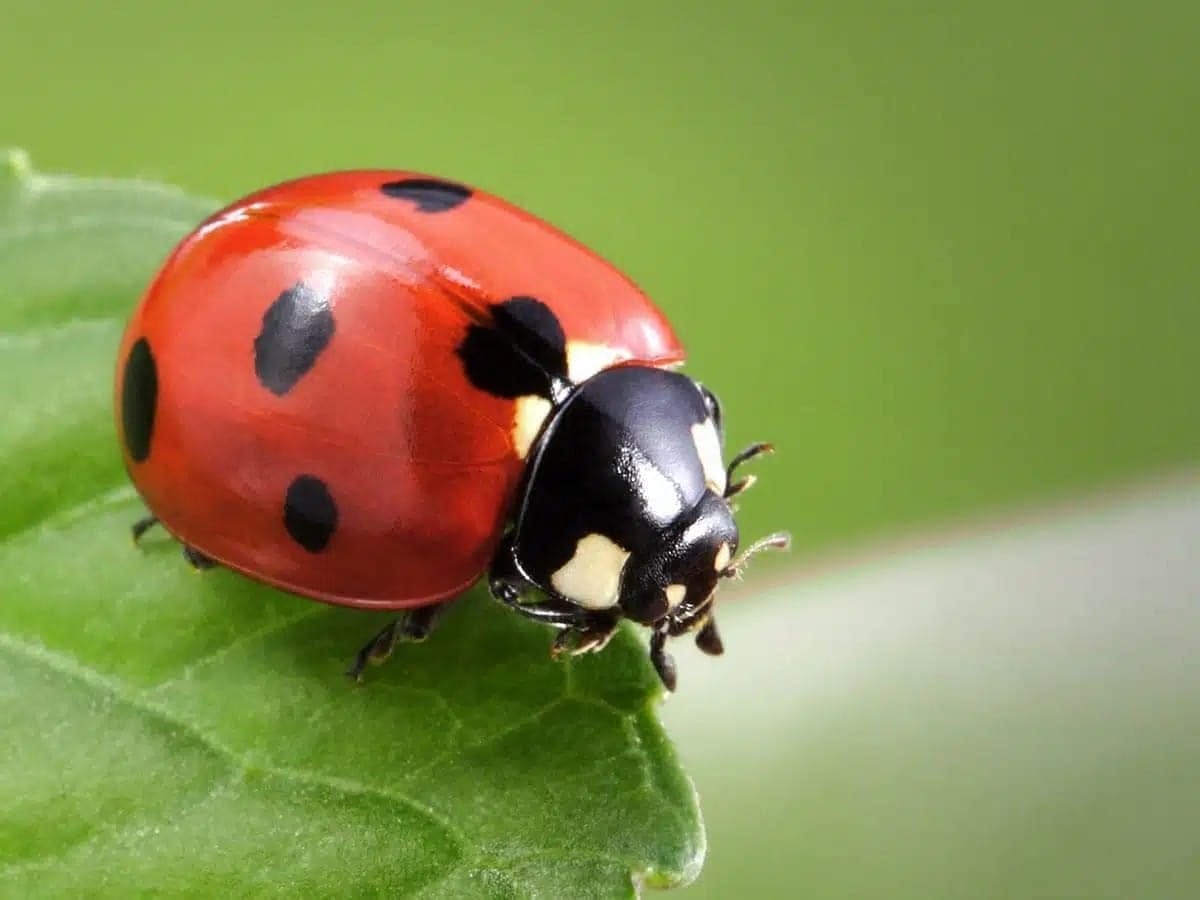
- Ladybird Beetle: Red and black markings. Controls aphids (small sap-sucking insects).
- Dragonflies: Control mosquitoes and their larvae.
1.2.2 Bacillus thuringiensis (Bt)
- Type: Bacterium used as microbial biocontrol agent.
- Target: Controls butterfly and moth caterpillars (lepidopteran pests).
- Application: Available in sachets as dried spores, mixed with water, and sprayed on vulnerable plants like brassicas (cabbage family) and fruit trees.
- Mechanism: When eaten by insect larvae, toxin is released in the gut, killing the larvae. The bacterial disease kills caterpillars but leaves other insects unharmed.
- Bt-cotton: Through genetic engineering, Bt toxin genes have been introduced into cotton plants. Such transgenic plants are resistant to insect pest attacks. Cultivated in several states of India.
1.2.3 Trichoderma
- Type: Fungus used for biological control of plant diseases.
- Nature: Free-living fungi, very common in root ecosystems.
- Function: Effective biocontrol agents of several plant pathogens (disease-causing organisms).
- Application: Treatment of plant diseases by suppressing soil-borne plant pathogens.
1.2.4 Baculoviruses
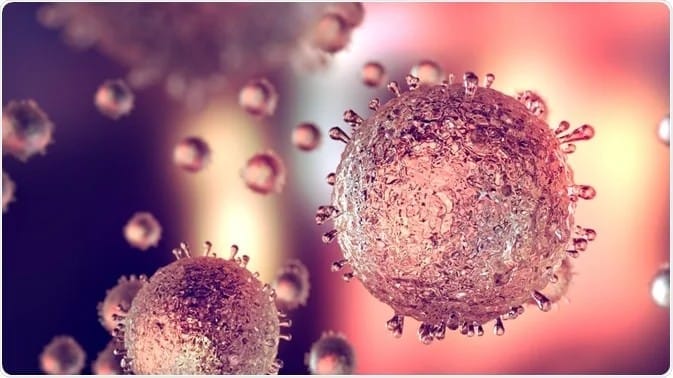
- Type: Viruses that are pathogens attacking insects and other arthropods.
- Genus: Majority belong to genus Nucleopolyhedrovirus (NPV).
- Specificity: Species-specific, narrow spectrum insecticidal applications. Excellent candidates for targeted pest control.
- Safety: No negative impacts on plants, mammals, birds, fish, or non-target insects. Especially desirable for conserving beneficial insects.
- Application: Used in Integrated Pest Management (IPM) programmes and ecologically sensitive areas.
1.3 Advantages of Biocontrol
- Reduces dependence: Greatly reduces dependency on toxic chemicals and pesticides.
- Environmental safety: Does not pollute soil, water, or crops.
- Target-specific: Many biocontrol agents are species-specific, leaving beneficial organisms unharmed.
- Sustainable: Maintains ecological balance and biodiversity in agricultural ecosystems.
- No resistance development: Unlike chemicals, pests develop less resistance to biological control agents.
2. Microbes as Biofertilizers
Biofertilizers are organisms that enrich the nutrient quality of soil. They are alternatives to chemical fertilizers, which contribute significantly to environmental pollution. There is increasing pressure to switch to organic farming using biofertilizers instead of chemical fertilizers.
2.1 Main Sources of Biofertilizers
The three main sources are bacteria, fungi, and cyanobacteria. Each group contributes differently to soil fertility.
2.2 Bacterial Biofertilizers
2.2.1 Rhizobium
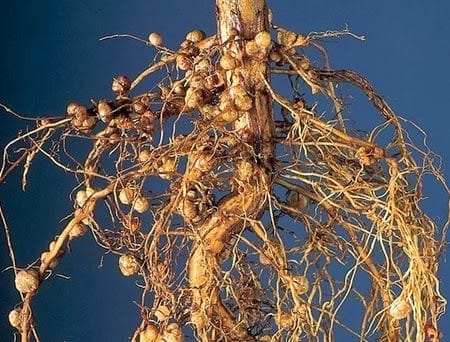
- Association: Forms symbiotic association with roots of leguminous plants (pulses, beans, peas).
- Structure: Forms root nodules on legume roots.
- Function: Fixes atmospheric nitrogen (N₂) into organic forms usable by plants.
- Benefit to plant: Plant receives fixed nitrogen as nutrient.
- Nature: Symbiotic nitrogen fixation (both organisms benefit).
2.2.2 Free-Living Nitrogen-Fixing Bacteria
- Examples: Azospirillum and Azotobacter.
- Nature: Free-living in soil (do not require plant association).
- Function: Fix atmospheric nitrogen while living independently in soil, enriching soil nitrogen content.
- Advantage: Can be used for non-leguminous crops as well.
2.3 Fungal Biofertilizers
2.3.1 Mycorrhiza
- Definition: Symbiotic association between fungi and plant roots.
- Example: Many members of genus Glomus form mycorrhizal associations.
- Primary Function: Fungal symbiont absorbs phosphorus from soil and passes it to the plant.
- Secondary Benefits to Plant:
- Resistance to root-borne pathogens
- Tolerance to salinity stress
- Tolerance to drought conditions
- Overall increase in plant growth and development
- Benefit to Fungus: Fungus receives organic carbon (sugars) from the plant through photosynthesis.
2.4 Cyanobacterial Biofertilizers
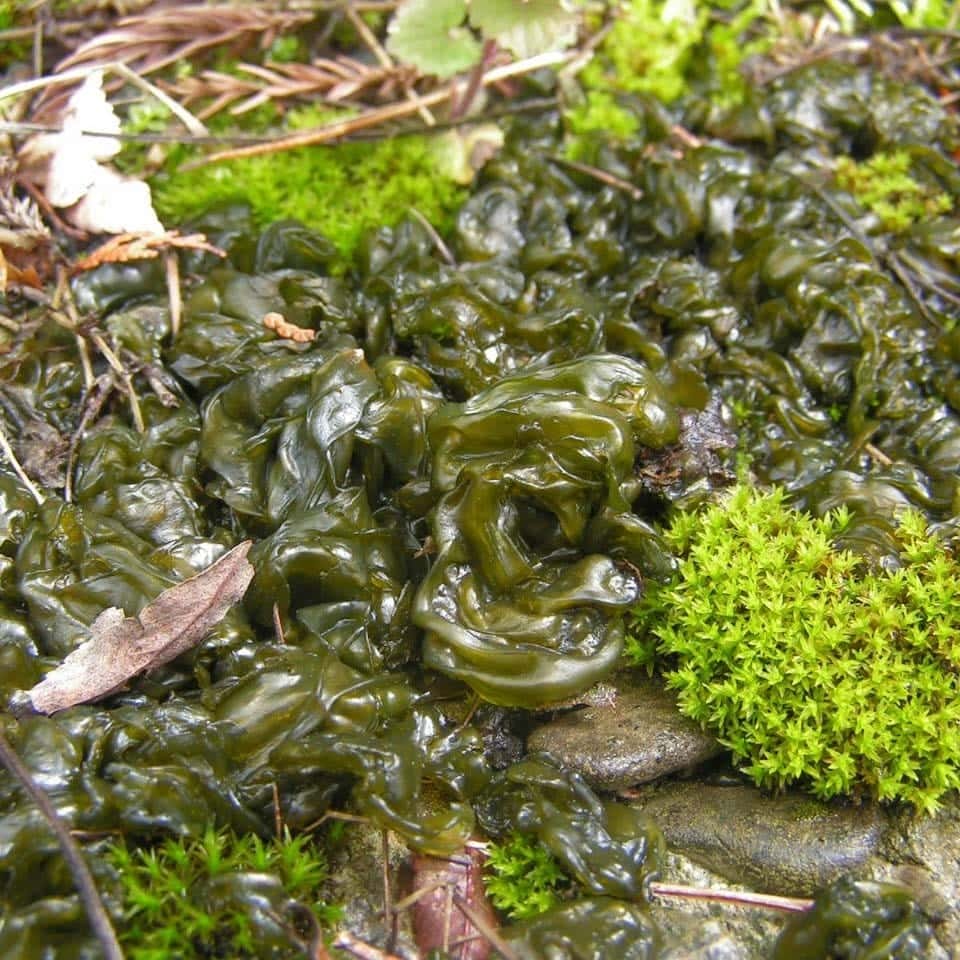
- Nature: Autotrophic microbes (can synthesize their own food through photosynthesis).
- Distribution: Widely distributed in aquatic and terrestrial environments.
- Function: Many cyanobacteria can fix atmospheric nitrogen.
- Examples: Anabaena, Nostoc, Oscillatoria.
- Application in Paddy Fields: Serve as important biofertilizers in rice cultivation. Also called blue-green algae.
- Additional Benefits: Add organic matter to soil, increasing overall soil fertility beyond just nitrogen content.
2.5 Advantages of Biofertilizers
- Environmental safety: Do not pollute soil or water, unlike chemical fertilizers.
- Cost-effective: Cheaper than chemical fertilizers in long-term use.
- Renewable: Living organisms that can multiply and persist in soil.
- Sustainable agriculture: Support organic farming practices.
- Soil health: Improve soil structure, add organic matter, and enhance microbial diversity.
- Commercial availability: Currently available in the market; farmers regularly use them in fields.
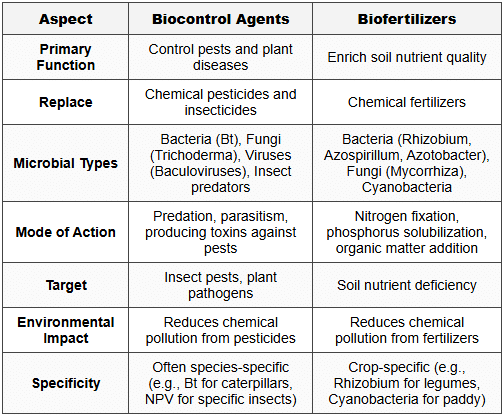
3. Comparative Analysis: Biocontrol vs. Biofertilizers
4. Important Exam Keywords and Concepts
- Biocontrol: Biological methods for controlling plant diseases and pests.
- Biodiversity: Variety of life forms; organic farming principle states biodiversity furthers health.
- Bt toxin: Toxin produced by Bacillus thuringiensis; kills insect larvae in gut.
- Bt-cotton: Transgenic cotton with Bt toxin genes; resistant to insect pests.
- Nucleopolyhedrovirus (NPV): Genus of baculoviruses used in biological control.
- Integrated Pest Management (IPM): Comprehensive pest control programme using multiple strategies including biocontrol.
- Biofertilizers: Organisms enriching soil nutrient quality.
- Nitrogen fixation: Conversion of atmospheric nitrogen (N₂) into organic forms usable by plants.
- Symbiotic association: Mutually beneficial relationship between two organisms.
- Root nodules: Structures on legume roots containing nitrogen-fixing Rhizobium bacteria.
- Mycorrhiza: Symbiotic association between fungi and plant roots; helps in phosphorus absorption.
- Autotrophic: Organisms that can synthesize their own food (e.g., cyanobacteria through photosynthesis).
Understanding microbes as biocontrol agents and biofertilizers is crucial for sustainable agriculture. These biological alternatives reduce environmental pollution from chemicals while maintaining crop productivity. The specific examples (Bt, Trichoderma, Baculoviruses, Rhizobium, Azospirillum, Mycorrhiza, Cyanobacteria) and their mechanisms are frequently tested concepts. Remember the dual benefit approach: biocontrol replaces pesticides, while biofertilizers replace chemical fertilizers, both contributing to organic farming and environmental conservation.
FAQs on Microbes as Biocontrol Agents & as Biofertilizers
| 1. What is biocontrol? |  |
| 2. What are biocontrol agents? | |
| 3. What are biofertilizers? | |
| 4. What are the types of biofertilizers? | |
| 5. What are the components and importance of biofertilizers? | |




